Dark-circle coverage becomes a real retail problem when shoppers need correction but hate the look of thick makeup under the eyes. For B2B product teams, the better brief is not simply stronger coverage. It is thinner correction that stays smooth, respects mature-skin texture, and gives sales teams a believable story.
Color Correction Solves a Different Problem Than Coverage
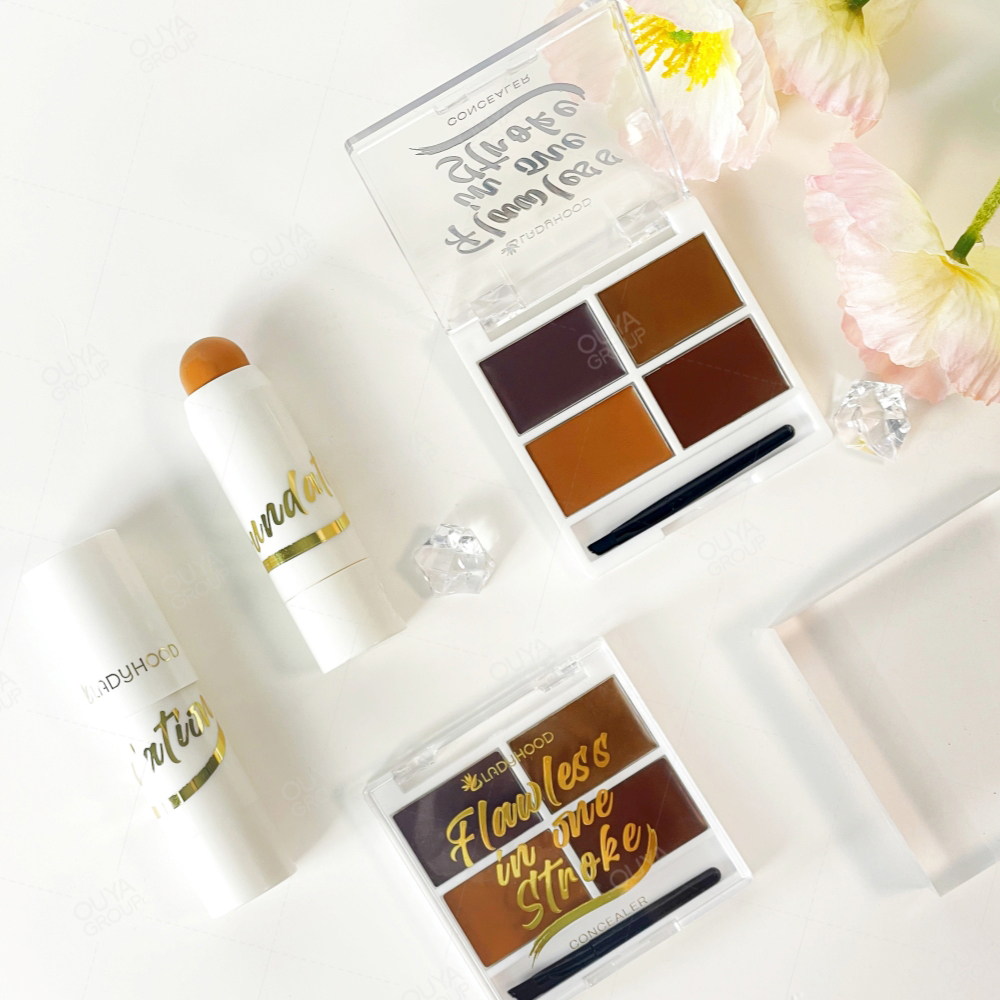
Dark circles often look blue, purple, brown, or grey depending on undertone and skin depth. Heavy beige coverage can flatten the area without making it look awake. A better concealer concept uses color logic first, then adds coverage only where the consumer still needs visible evening.
Searches for the best concealer for dark circles show that shoppers compare results, creasing, and shade match together. A wholesale brief should convert those concerns into sample checks: tone neutralization, thin-layer spread, dry-down, and wear around fine lines.
Peach and orange tones need control
Corrective shades can help darkness, but they become obvious when the base is too saturated. A retail-ready under-eye range should offer enough warmth to neutralize shadow without leaving a visible orange cast. This is especially important for fair and medium skin assortments.
Beige coverage still needs flexibility
Coverage should flex with expression lines because the under-eye area moves constantly. A formula that looks perfect in a still photo may collect after blinking or smiling. The sample review should include movement, not only a fresh swatch.
| Concern | Better formulation answer | Buyer review cue |
| Blue-purple shadow | Peach or soft apricot correction | Check neutralization before adding beige |
| Brown darkness | Warm beige or orange-balanced tone | Review cast on several skin depths |
| Fine lines | Flexible film with thin coverage | Watch creasing after repeated blinking |
Mature-Skin Comfort Changes the Sample Standard
A concealer for dark circles and wrinkles has to manage two visible problems at once. It should soften the shadow without making fine lines look drier. That is why formulas for mature users often need a smoother glide, moderate dry-down, and claims that avoid treatment language.
أويا بيوتي‘s multi-tasking cream face formula offers a relevant face-makeup reference because it is built for even tone, blemish coverage, pore and fine-line blur, long wear, and a smooth natural complexion. For an under eye concealer brief, those ideas need to be narrowed to the eye area.
Thin coverage keeps the eye area alive
The best concealer for dark circles and fine lines should not erase all skin texture. A small amount of natural translucency can keep the result fresher. Buyers should review whether the formula layers smoothly, because many consumers apply concealer over skincare or foundation.
Claim language should stay cosmetic
A smoothing or brightening claim is usually easier to support than a wrinkle-repair promise. Cosmetic teams should keep the language close to visible makeup results, then back the story with shade panels, wear checks, and packaging instructions.
Palette or Stick Depends on the Retail Job
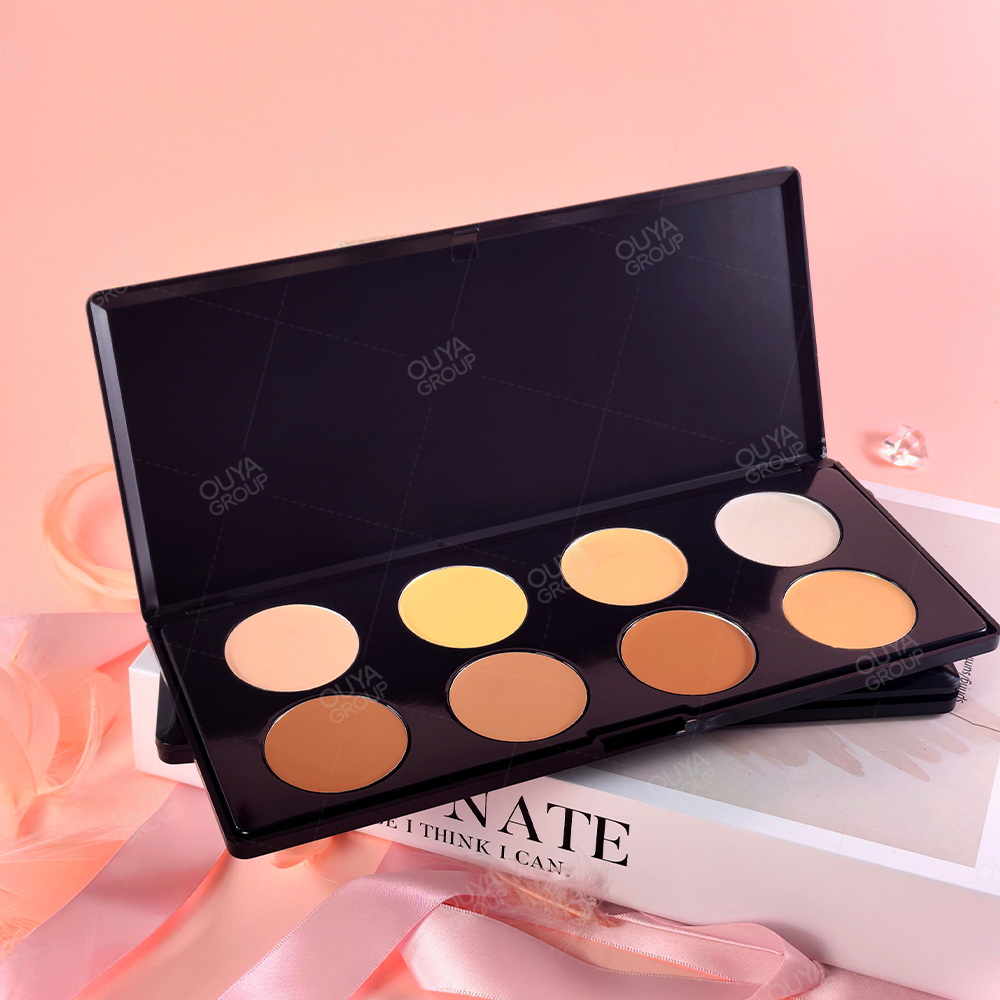
The best concealer palette for dark circles can help shoppers mix correction and coverage, but it asks more from education. A stick or doe-foot format is simpler at shelf level, yet it may offer fewer color-correction choices. Neither is automatically better; each solves a different retail job.
A two in one foundation and concealer concept can work when the product is positioned as quick correction for everyday base needs. The under-eye version should be more restrained, because eye-area comfort and shade precision are less forgiving than cheek or blemish coverage.
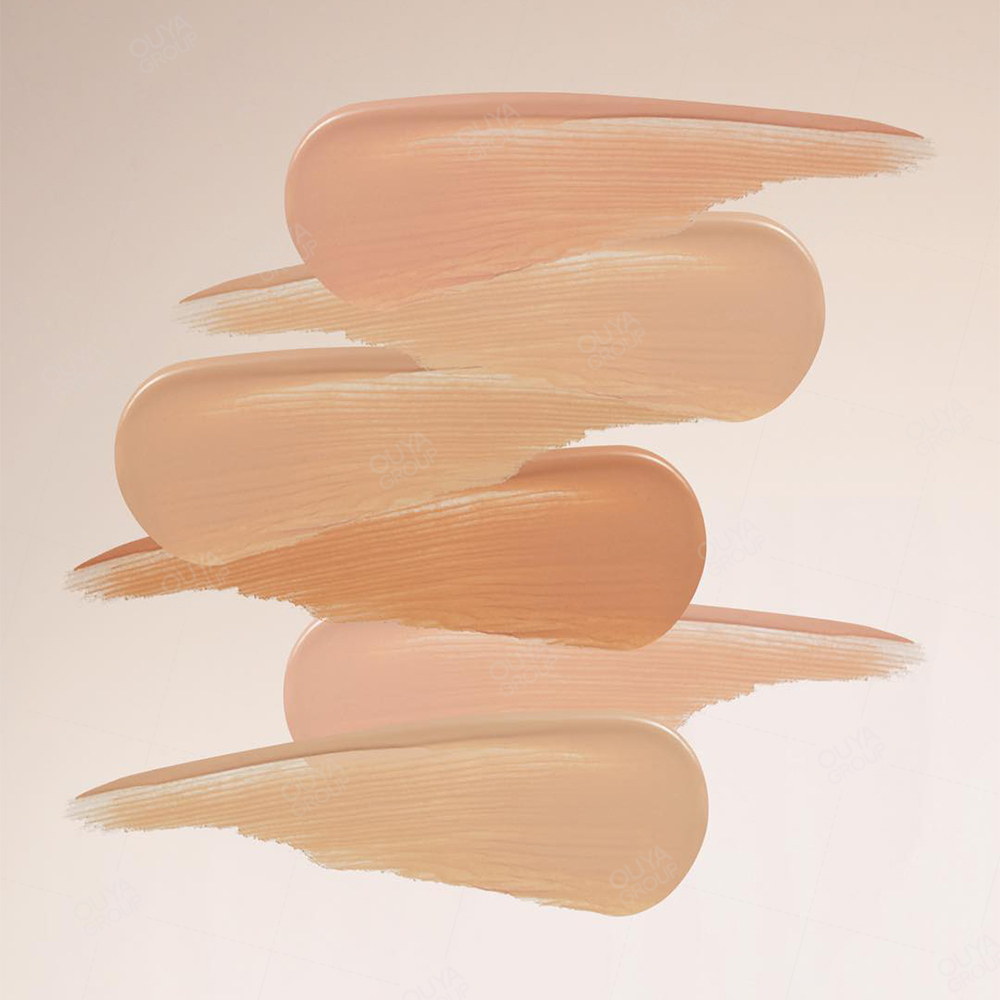
Store teams also need language that explains why one concealer looks peach, another looks beige, and a third looks slightly warmer. Without that education, a well-built formula can be judged as the wrong shade before it is blended. A small comparison card or online shade note can reduce that gap.
The most useful launch decision is whether the range should solve discoloration first or mixed blemish coverage first. Those two jobs overlap, but they are not identical. When the goal is dark circles, every sample should be reviewed under the eye before the team accepts face-swatch approval.
A focused assortment can keep the launch readable:
- One peach-correcting direction for blue or purple shadows.
- One warm-beige direction for brown darkness and medium skin depth.
- One flexible neutral shade for light blemish and under-eye correction.
Production Control Keeps the Texture Consistent
Concealer texture can drift when pigment loading, viscosity, filling, or storage is inconsistent. أويا بيوتي‘s production process covers raw-material preparation, weighing, heating and mixing, emulsification, vacuum defoaming, semi-finished QC, filling, packaging, final QC, and qualified storage. That matters when a thin product must still cover.
The B2B sample should be checked against early production because under-eye products reveal small texture changes quickly. A formula that becomes dry, grainy, or too wet after scale-up can damage the entire claim, even if the shade direction was correct.
A Better Concealer Brief Narrows the Promise
Dark-circle concealer succeeds when the promise stays narrow: correct visible shadow, keep layers thin, and avoid dry creasing. Buyers should select the format, shade logic, and movement test before expanding the range. A smaller, clearer launch is easier to explain than a palette that promises every correction at once.
أويا بيوتي can support that path with color discussion, low MOQ sampling, documentation support, and controlled production review. To compare a dark-circle concealer concept for European or U.S. retail, talk with OUYA BEAUTY with the desired format and first shade set.
أسئلة متكررة
What color concealer works best for dark circles?
Peach, apricot, or warm beige tones often help, depending on shadow color and skin depth.
Why does under–eye concealer crease?
Under-eye concealer often creases when layers are too thick, the formula dries too quickly, skin lacks moisture, or the film cannot flex naturally with facial movement.
Is a concealer palette better than one shade?
A concealer palette offers several correction and coverage options for different concerns, while a single shade is simpler to understand, apply, merchandise, and explain at retail.
Can concealer cover wrinkles and dark circles?
Concealer can visually soften dark circles and reduce the appearance of fine lines when applied thinly, but cosmetic claims should focus on visible makeup results rather than treatment.
What should buyers test before approving concealer?
Buyers should evaluate color correction, shade match, spreadability, creasing, dry-down, movement around fine lines, layering performance, wear time, and whether texture remains consistent after production scale-up.