مقدمة
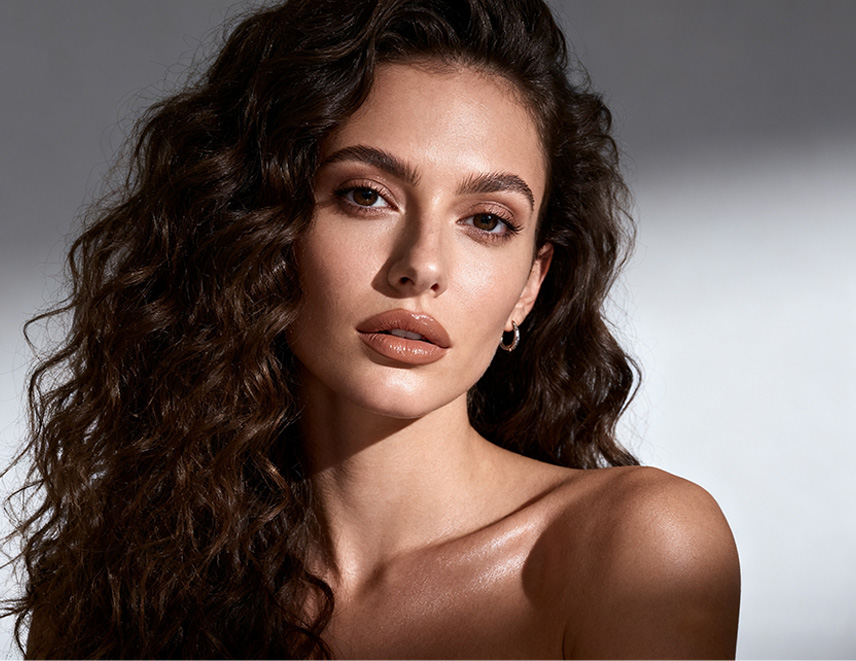
تقوم إحدى المتسوقات بتقليد فيديو توضيحي لتحديد ملامح الوجه، وتضع الظل أسفل عظمة الخد، وتدمجه بعناية، ومع ذلك تتساءل: لماذا يبدو تحديد ملامح وجهي باهتًا؟ هذه المشكلة شائعة بين ذوات البشرة المتوسطة. بالنسبة لتجار التجزئة في أوروبا وأمريكا الشمالية، قد يؤثر تحديد ملامح الوجه الباهت على تقييمات العملاء.
لماذا يبدو الكونتور باهتاً على البشرة المتوسطة؟
تقع درجات البشرة المتوسطة بين درجات الفاتح والداكن، لذا يتطلب تحديد ملامح الوجه عناية فائقة. قد تبدو الدرجة الناعمة على البشرة الفاتحة رمادية، بينما قد تبدو الدرجة المصممة للبشرة الداكنة دافئة جدًا. وعندما يكون العمق واللون الأساسي غير مناسبين، يتحول المكياج الواضح إلى مكياج باهت.
يجب أن يبدو عمق الظل مثل الظل
يجب أن يُضفي الكونتور ظلاً طبيعياً، لا خطاً واضحاً. إذا كان اللون داكناً جداً، فقد يبدو ثقيلاً على الخد. أما إذا كان فاتحاً جداً، فسيضطر المستخدمون إلى إضافة طبقات أخرى، ما يجعل النتيجة غير متناسقة. عادةً ما تحتاج البشرة المتوسطة إلى لون أغمق قليلاً من لونها الطبيعي.
تتحقق مراجعة اللون الأفضل من كيفية ظهور اللون بعد المزج، وبعد استخدام بودرة التثبيت، وتحت ضوء المتجر وضوء النهار.
غالباً ما يؤدي اللون الخفي إلى ظهور ملامح باهتة.
يبحث العديد من المتسوقين عن كونتور باهت لأن اللون يبدو غير مناسب، لكنهم لا يستطيعون تفسير السبب. غالباً ما يكون السبب هو درجة لون البشرة. فالكونتور البارد جداً قد يبدو رمادياً على البشرة الذهبية أو الزيتونية، بينما اللون الدافئ جداً قد يبدو برتقالياً.
هذا هو المكان تحديد الوجه مقابل البرونزر الأمر مهم. يُحدد الكونتور ملامح الوجه بالظلال، بينما يُضفي البرونزر دفئًا. إذا استُخدم لون برونزي دافئ للكونتور، فقد يتساءل المتسوقون قريبًا عن سبب مظهر مكياجهم الباهت.
ما الذي يحوّل الكونتور النظيف إلى كونتور غير منتظم؟
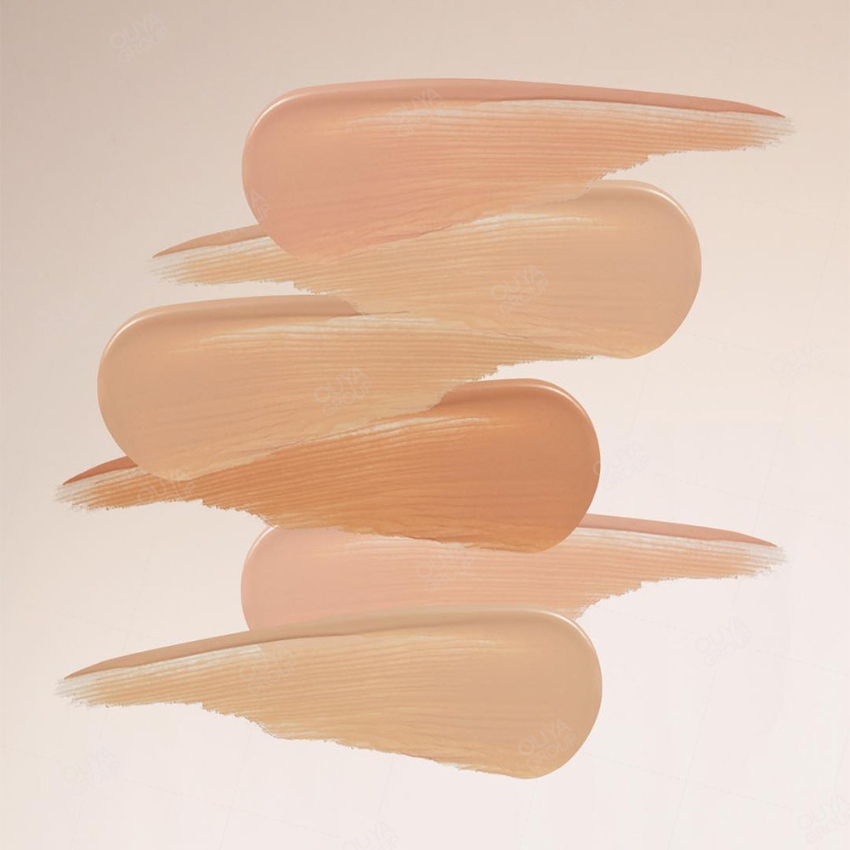
تؤثر تركيبة المكياج على كيفية تطبيق الكونتور على البشرة الطبيعية. حتى اللون الجيد قد لا يكون مثالياً إذا جف بسرعة كبيرة أو ترك حوافاً حادة. تميل صيحات التجميل الحالية إلى النحت الناعم والمكياج الذي يُحاكي مظهر البشرة، لذا أصبح مكياج الكونتور القابل للمزج أكثر أهمية للمستخدمين اليوميين.
قد تبدو التركيبة سريعة الجفاف غير متجانسة.
غالباً ما يظهر شكل غير منتظم للخد عندما يجف المنتج قبل أن يتاح للمستخدم الوقت الكافي لدمجه. قد تبدو الطبقة الأولى جيدة، لكن الحواف لا تتلاشى. وعند إضافة المزيد من المنتج، يصبح لون منطقة الخد أغمق وأقل تجانساً.
أويا بيوتيتركز تنسيقات الكونتور الخاصة بـ على القوام الناعم والدقيق والقابل للمزج الذي يساعد على خلق ظلال طبيعية حول عظام الخدين وخط الفك.
يمكن أن يغير المكياج الأساسي النتيجة
كثيرًا ما يتساءل المستهلكون عن سبب ظهور مكياجهم بمظهر باهت، دون أن يدركوا أن كريم الأساس، والكونسيلر، والبودرة، والكونتور تعمل معًا. قد يلتصق الكونتور بسرعة كبيرة بكريم الأساس ذي الملمس المطفي الثقيل، بينما قد يؤدي كريم الأساس اللامع إلى تحريك اللون. كما أن الإفراط في استخدام البودرة قبل الكونتور الكريمي قد يجعل عملية الدمج غير متساوية.
ينبغي اختبار الكونتور فوق كريم الأساس الحقيقي لمعرفة ما إذا كان يبقى ناعماً في الروتين اليومي.
كيف ينبغي للمشترين اختيار أفضل لوحة كونتور للبشرة المتوسطة؟
عبارة البحث أفضل باليت كونتور للبشرة المتوسطة يُظهر هذا أن المستهلكين يرغبون في تقليل المخاطر. فهم يريدون ألوانًا عملية ولمسة نهائية تبدو طبيعية في الصور. بالنسبة لمشتري العلامات التجارية الخاصة، يمكن للألوان المناسبة أن تحل العديد من الشكاوى قبل وصولها إلى مرحلة التقييمات.
تقلل لوحات الألوان متعددة الدرجات من عدم التطابق
نادراً ما يناسب لون واحد من ألوان الكونتور جميع درجات البشرة المتوسطة. تمنح لوحة الألوان ذات الدرجات المتناسقة المستخدمات مزيداً من التحكم. يمكنهن استخدام لون فاتح للعمل، ولون أغمق للمساء، أو مزج لونين.
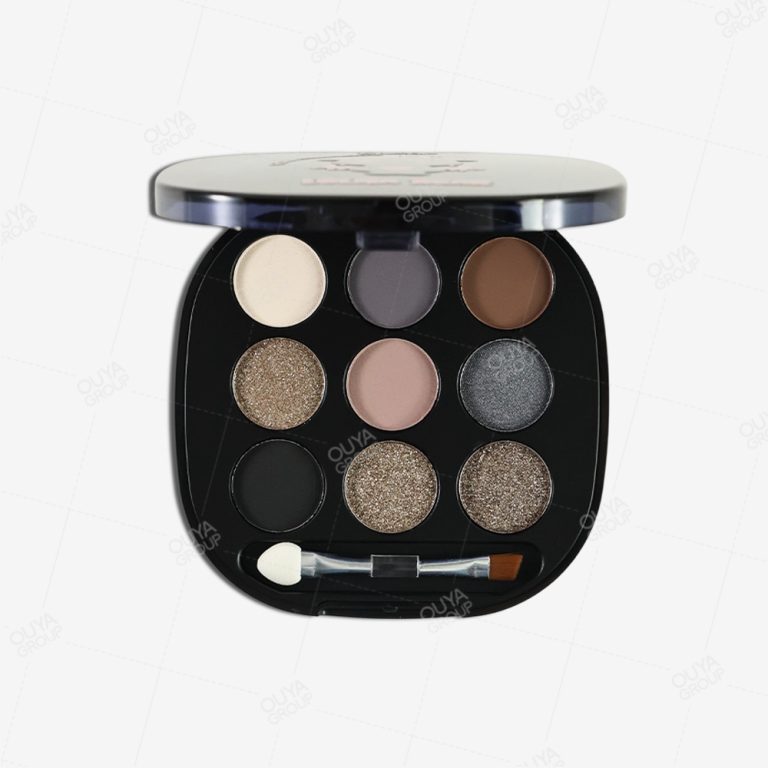
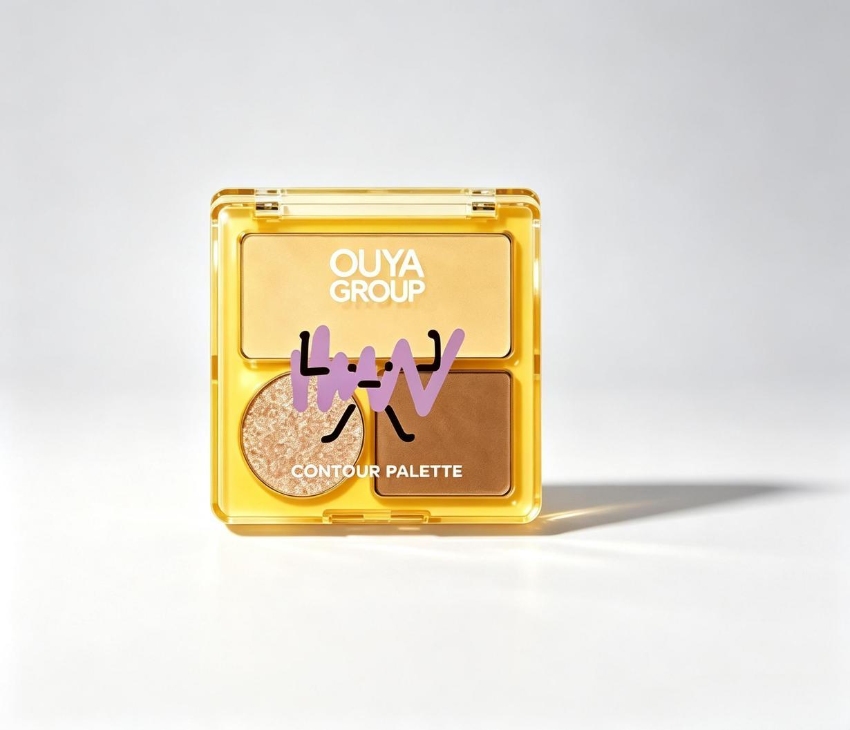
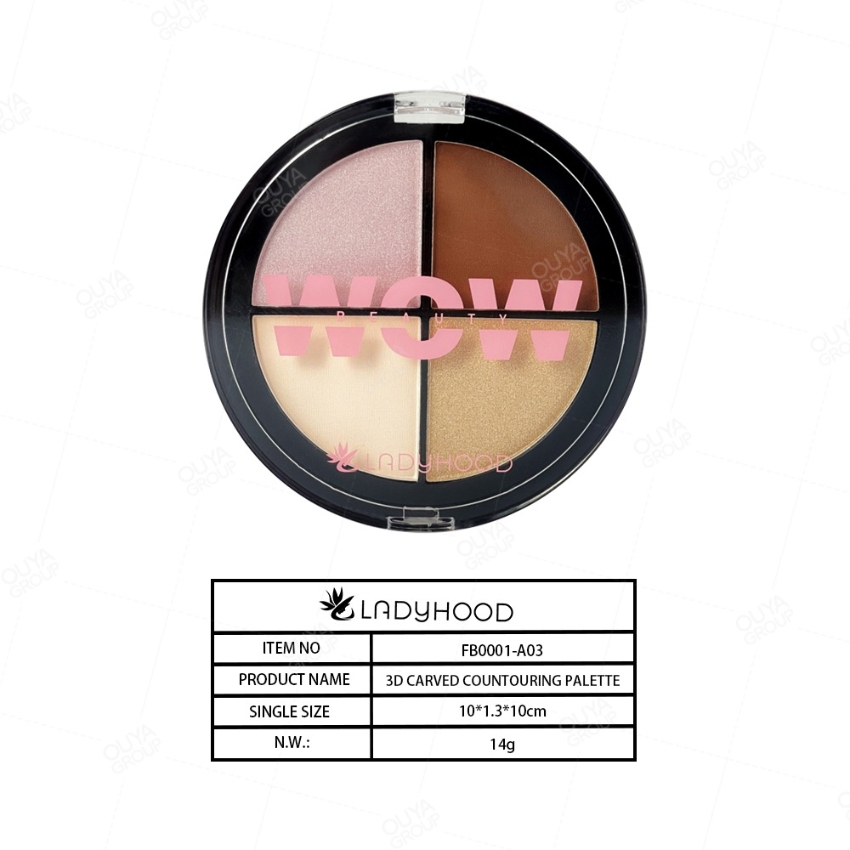
تُلبي باليتات OUYA BEAUTY ثنائية اللون لتحديد ملامح الوجه وإبرازها، وباليتات الكونسيلر والكونتور والإضاءة ذات الثمانية ألوان، وباليتات الكونتور المشرقة، احتياجات البيع بالتجزئة المختلفة. يُناسب التصميم ثنائي اللون المكياج اليومي السريع، بينما يُتيح التصميم متعدد الألوان إمكانية تصحيح العيوب ونحت الوجه وإبراز ملامحه.
تتناسب المكافأة القابلة للبناء مع النحت الناعم
يفضل العديد من المستهلكين الآن تحديد ملامح الوجه بشكل خفيف بدلاً من تحديدها بشكل كثيف. فهم لا يزالون يرغبون في الحصول على مظهر طبيعي، لكنهم يريدون أن يبدو أقرب إلى لون البشرة الطبيعي. تساعد التركيبة القابلة للتعديل المستخدمين على البدء بشكل خفيف وإضافة المزيد فقط عند الحاجة.
هذا المنتج مناسب للبشرة المتوسطة. قد تبدو البشرة قاسيةً عند وضع كمية كبيرة من الصبغة بمسحة واحدة، بينما تختفي الكمية القليلة جدًا. يجب أن يكون منتج تحديد الوجه القوي واضحًا وناعمًا وسهل الاستخدام.
كيف يساعد تطوير المعدات الأصلية/تصميم المعدات الأصلية المشترين على التحكم في المخاطر
بالنسبة لمشتري العلامات التجارية الخاصة، لا تقتصر لوحة تحديد ملامح الوجه على اختيار الألوان فحسب، بل تشمل اختبار الدرجات اللونية، ومراجعة الملمس، ومراقبة الجودة، وإعادة الإنتاج. تدعم شركة OUYA BEAUTY تطوير منتجات التجميل من خلال خدمات التصنيع الأصلي للمعدات (OEM) والتصميم والتصنيع الأصلي (ODM)، مما يساعد المشترين على إنشاء خطوط تحديد ملامح الوجه التي تلبي احتياجات السوق.
يدعم الاختبار المخصص المستخدمين الحقيقيين
تتيح عينات التصنيع الأصلي/التصميم الأصلي للمشترين تجربة درجات الكونتور على البشرة الفاتحة والمتوسطة والداكنة قبل الإنتاج بكميات كبيرة. ولا تُظهر عينات الألوان المعروضة على الإنترنت دائمًا ما إذا كانت الدرجة تتحول إلى اللون الرمادي أو الأحمر أو البرتقالي أو تصبح باهتة بعد المزج.
تقدم OUYA BEAUTY خدمات دعم توجيه الألوان حسب الطلب، والعلامات التجارية الخاصة، وتطوير المنتجات، وتخطيط الإنتاج. بالنسبة لمنتجات تحديد ملامح الوجه، يساعد هذا المشترين على تحسين عمق اللون، واللمسة النهائية، وشكل لوحة الألوان قبل طرحها في السوق.
تضمن مراقبة الجودة الثابتة استمرارية الطلبات المتكررة
قد يحقق منتج تحديد ملامح الوجه مبيعات جيدة في البداية، لكن تكرار الطلبات يتطلب جودة ثابتة. فاختلاف اللون، أو تغير الملمس، أو تأخر التسليم، أو بطء التواصل، كلها عوامل قد تؤثر سلبًا على ثقة المشتري. وتشمل خبرة مصانع OUYA BEAUTY أنظمة ISO22716 وأنظمة GMPC ذات الصلة، وغرف نظيفة من فئة 100 ألف، وخطوط إنتاج آلية، وخبرة في التصدير.
بالنسبة للمشترين الأوروبيين والأمريكيين الشماليين، فإن مراقبة الجودة المستقرة والتسليم في الوقت المحدد والخدمة في الوقت المناسب تجعل تخطيط الإطلاق أسهل.
استنتاج
يصبح الكونتور باهتًا على درجات البشرة المتوسطة عندما لا تتناغم درجة اللون، واللون الأساسي، والملمس، وطريقة وضع الطبقات. بالنسبة للمستهلكين، قد تبدو النتيجة رمادية، أو برتقالية، أو غير متجانسة. أما بالنسبة لمشتري التجزئة، فتُصبح هذه المشكلة نفسها عائقًا أمام تخطيط المنتج. يجب أن توضح مجموعة الكونتور الأفضل الفرق بين الكونتور والبرونزر، وأن تُقدم درجات ألوان مرنة، وأن تستخدم قوامًا سهل المزج لمستحضرات الكونتور يُناسب الاستخدام اليومي. تدعم OUYA BEAUTY هذه الحاجة من خلال صيغ لوحات الكونتور القابلة للتخصيص، وخدمات تصنيع المعدات الأصلية/تصميم المنتجات الأصلية، ومراقبة الجودة المُستقرة، والتسليم في الوقت المحدد، والتواصل السريع. يُمكن للمشترين التواصل مع OUYA BEAUTY لمناقشة اختبار الدرجات اللونية، والعينات، وخطط الإنتاج.
أسئلة متكررة
لماذا يبدو شكل وجهي باهتاً؟
قد يبدو تحديد ملامح الوجه باهتاً إذا كانت الدرجة اللونية رمادية جداً، أو دافئة جداً، أو داكنة جداً، أو يصعب دمجها. على درجات البشرة المتوسطة، حتى اختلاف بسيط في الدرجة اللونية الأساسية قد يجعل الوجه يبدو باهتاً بدلاً من أن يبدو منحوتاً بشكل طبيعي.
ما الذي يسبب عدم انتظام شكل الوجه؟
غالباً ما ينتج عدم انتظام تحديد ملامح الوجه عن قوام غير متجانس، أو لون بشرة غير مناسب، أو استخدام كريم أساس ثقيل، أو وضع كمية كبيرة من المنتج دفعة واحدة. تساعد التركيبة الناعمة والقابلة للتطبيق المتدرج على دمج حواف الوجه بشكل أكثر تناسقاً.
ما هي أفضل لوحة ألوان لتحديد ملامح الوجه للبشرة المتوسطة؟
يجب أن تتضمن أفضل لوحة لتحديد ملامح الوجه للبشرة المتوسطة ألوانًا مرنة، وتغطية ناعمة، ومكياجًا قابلًا للمزج. كما يجب أن تساعد المستخدمات على ضبط درجة اللون ودرجة البشرة دون الحصول على مكياج باهت.