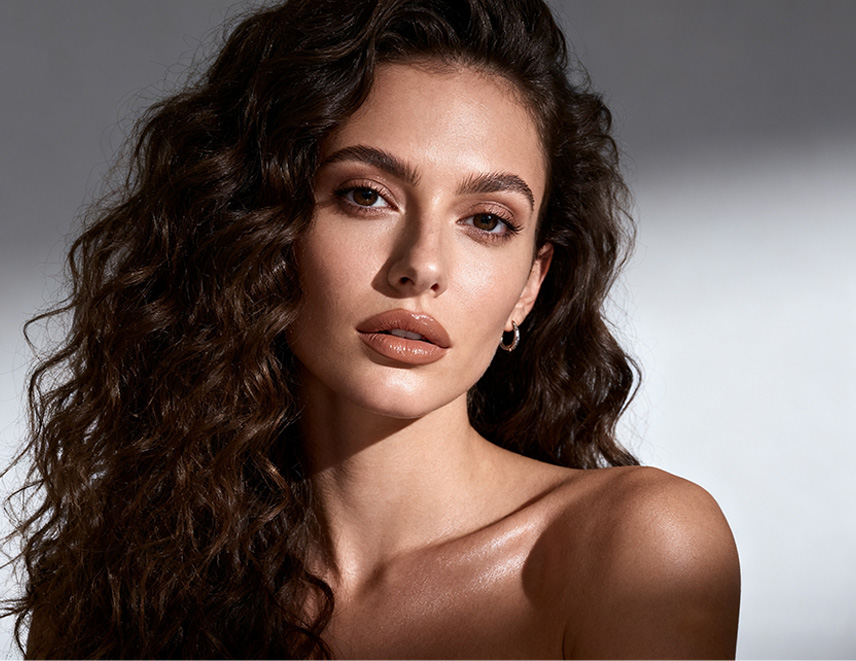
Two shiny tubes can look almost identical on the shelf and still promise different experiences. For supermarket and specialty beauty teams, that is a real question: what should a lip oil do that a gloss does not? The answer is in the balance of slip, cushion, color, and shine. Weigh those, and a private label range gives shoppers an actual reason to pick each one.
Where the formulas overlap
Lip oil usually puts the conditioning feel at its core. Lip gloss usually leads with shine. Those are useful starting points, not fixed recipes. Both can blend emollients, color, and the ingredients that control how the product flows and holds on the lips.
A gloss can carry oils, and an oil can hold a structured texture. An oil-structuring polymer, for instance, gives a lip oil more body without turning it into an opaque lipstick. Gloss formulas can mix oils with waxes or other structuring ingredients too. The balance matters more than any single fashionable oil on the list.
For teams developing 自有品牌化妆品, this overlap is a gift. It leaves room for distinct sensory choices inside either category. An ingredient list helps explain the formula. It does not replace trying the finished product. A bottle labeled oil can still lay down a heavy coating and a strong reflection.
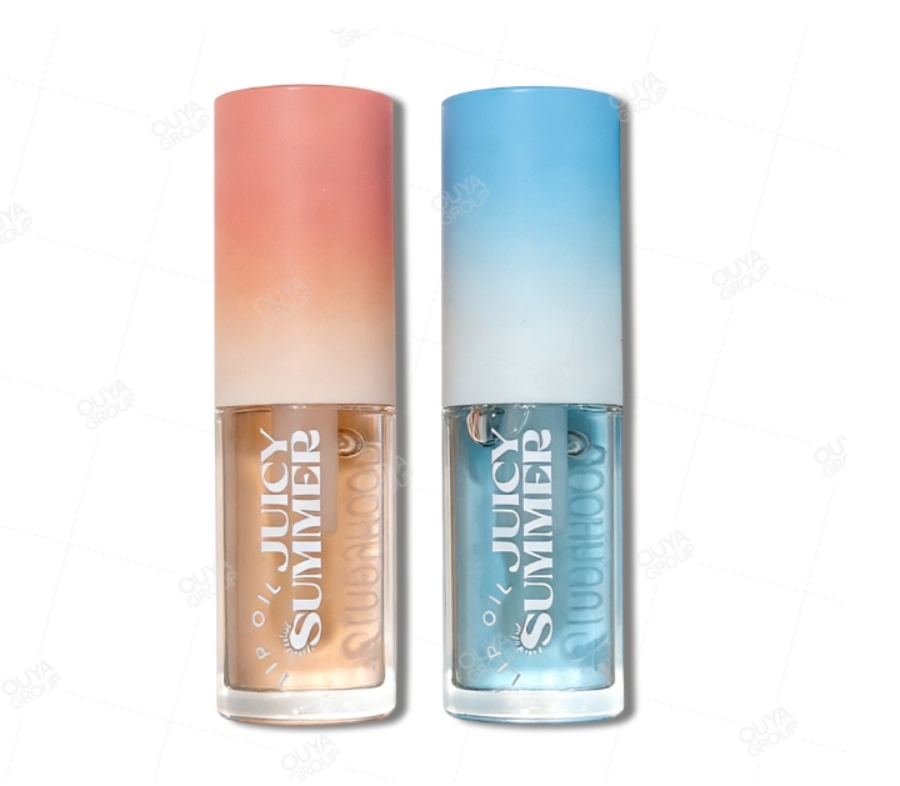
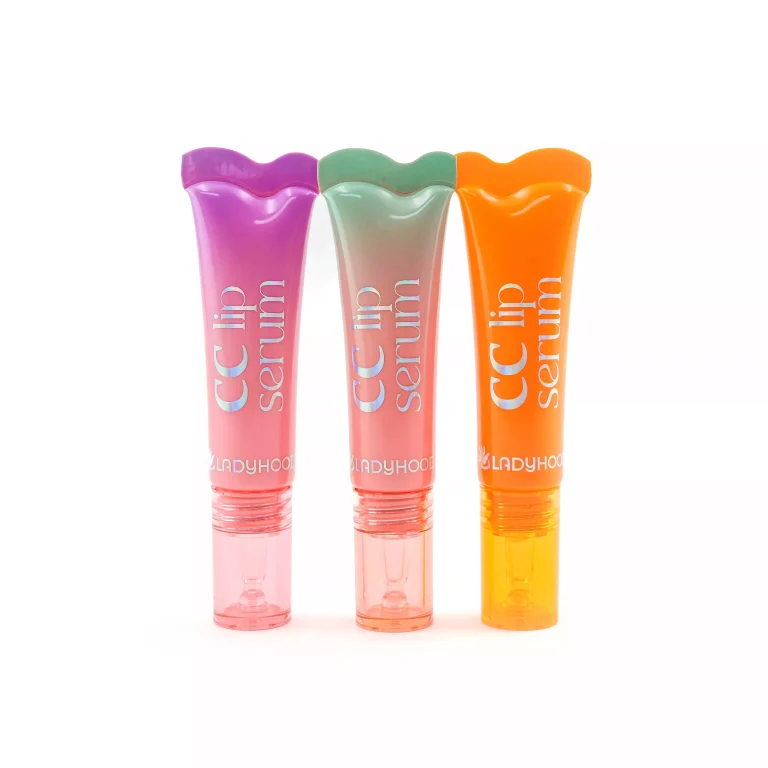
Fig.1 Professional Custom-Made Translucent Glossy Lip Oil (LOE0001-A10)
How texture changes the comparison
Texture makes the difference easier to talk about than vague promises like luxurious or nourishing. Pull the first glide apart from what stays behind after application. A fluid product spreads fast; a more structured one leaves a real cushion. Neither is automatically better for every range.
The comparison below points to common development directions, not to guaranteed properties of every product.
| Comparison point | 唇油使用方法 | 唇彩方向 |
| Main positioning | Conditioning feel with shine | Shine with optional care benefits |
| Typical texture | Slippery, often lighter feeling | Often richer or more cushiony |
| Color effect | Frequently sheer or translucent | Clear, tinted or more visible color |
| Possible overlap | High reflection and a structured film | Emollient ingredients and low tack |
这 best lip gloss for a given collection is the one that fits the job. A sheer topper and a visibly tinted standalone gloss require different development decisions.Judge payoff, shine, and tack on their own, so one attractive trait does not mask an awkward tradeoff.
Comfort and wear call for separate judgment. Instant softness does not prove hours of hydration, and a shiny surface does not prove long wear. Tie any duration claim to testing on the finished formula. In sample talks, plain observations – smooth glide, real cushion – beat an unsupported performance promise.
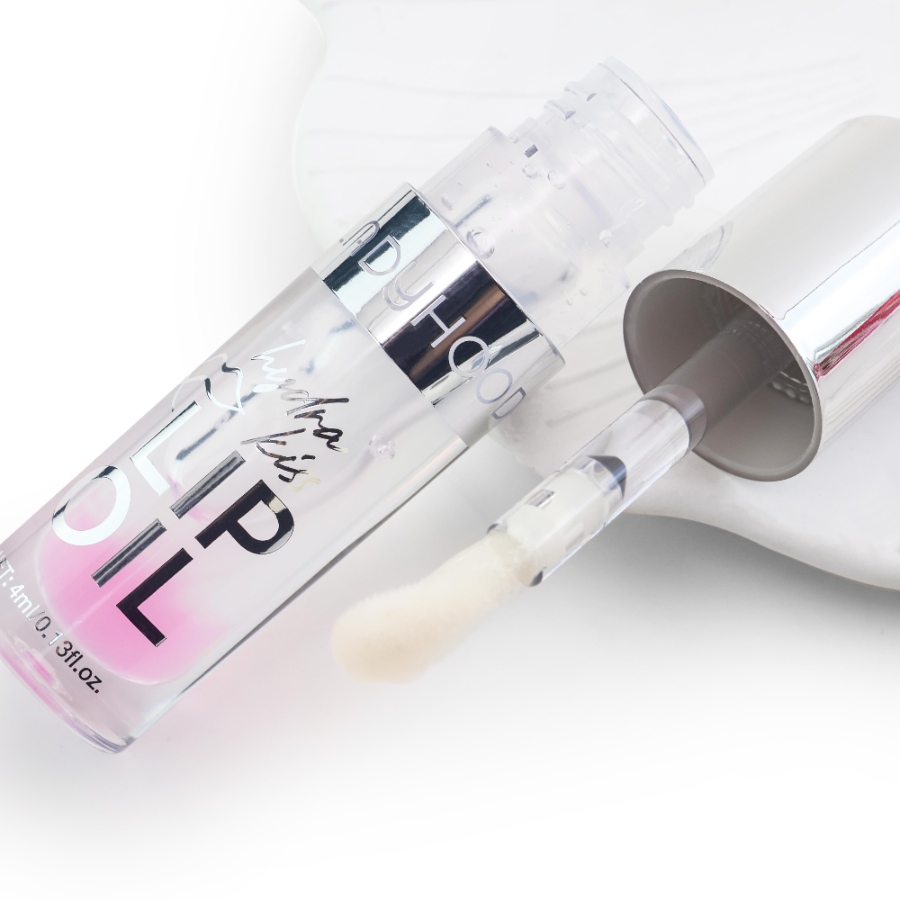
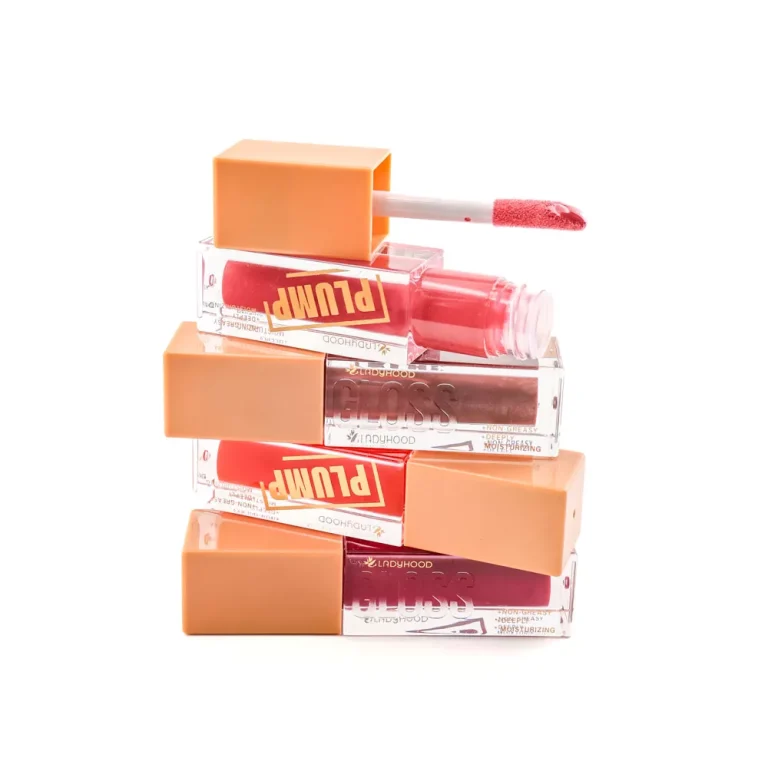
Fig.2 Hydrating Shimmer Lip Oil (LOE02119119)
Why the applicator belongs in the formula discussion
How much the applicator deposits changes the whole comparison. A generous deposit can make a formula feel heavily coating than a thinner pass of the same product. Compare samples with one consistent method first, then look again in the proposed retail pack. That separates the formula from the way the pack dispenses it.
A range with both oil and gloss needs packaging that backs the intended application. At OUYA BEAUTY, our lip gloss bottle design accommodates large brush heads and supports high shine lip gloss and lip oil formats.The bigger brush is built to lay down a fuller deposit, so application feels part of development, not an afterthought.
这里 custom cosmetic packaging enters the texture brief. A shared bottle shape does not mean the two formulas should run the same applicator setup. Look at pickup, distribution, and what is left on the lips, together. The pack should make the chosen texture feel the same every time.
Packaging approval should follow that comparison. Before you commit to one look across the range, check whether the oil and the gloss still read as clearly different from their final packs. If the distinction fades, go back to the sensory brief or the positioning – before adding more shades.
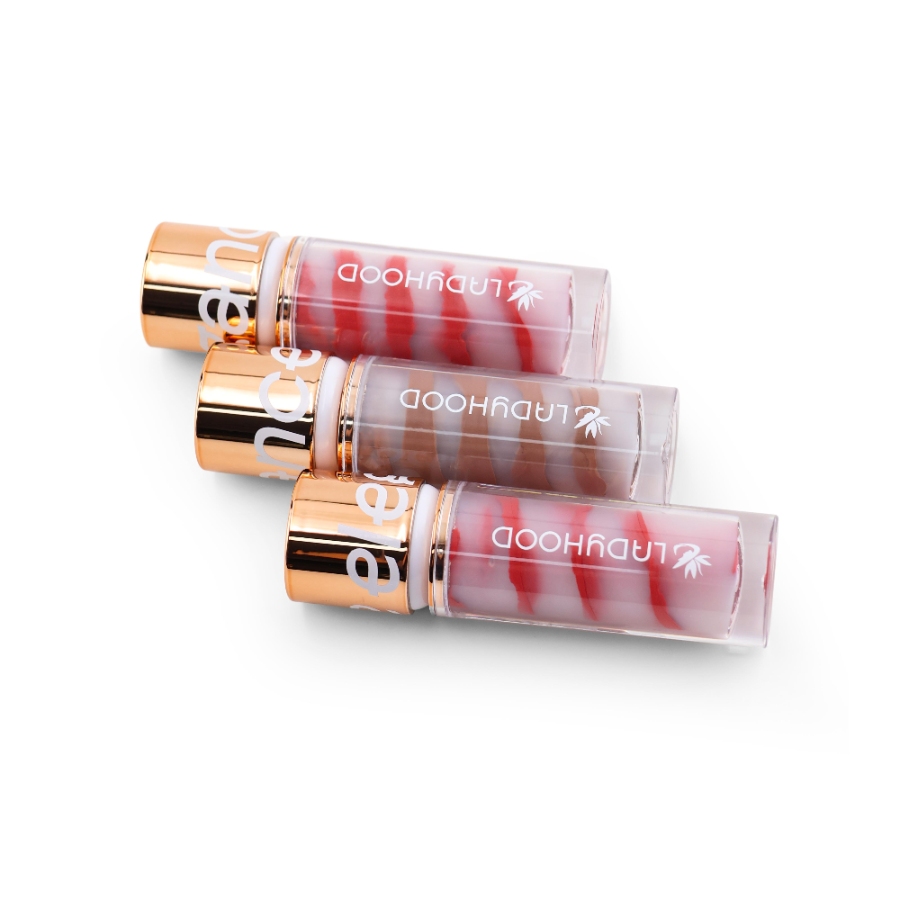
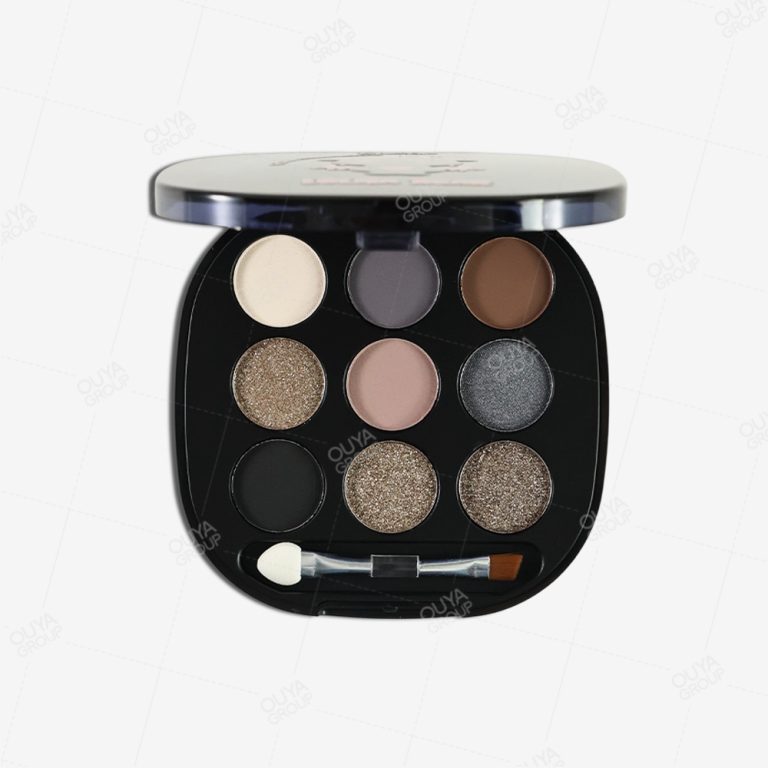
Fig.3 Custom-Made Hydrating High-Shine Lip Gloss (LGM0001-A05)
What market demand means for the range
Recent U.S. retail performance gives lip oils a real seat at the assortment table. In 2025, oils and balms were among the stronger-growing segments in prestige lip makeup. Lip category products were also the fastest growing makeup segment in mass retail, with lip liners and treatments adding to the momentum.
Those signals support weighing care-focused lip products alongside color cosmetics. They do not prove oils outsell glosses in every channel, or that a U.S. pattern holds unchanged in European stores. Use category demand to frame a trial, then let the retailer’s own sales and shopper feedback settle the role.
A two-product range should offer a difference you can explain in a breath. One direction: a sheer, slippery oil next to a more cushioned gloss with visible color. That is a development scenario, not a sales forecast. If the two samples end up feeling and looking alike, two category names alone are a thin case for separate shelf positions.
A clearer role for each lip product
A well-built oil-and-gloss range connects the formula, the application, and the shelf description. Agree on the sensory difference first, confirm it in the final packaging, and only then decide whether demand justifies both. The strongest result is a collection whose distinctions show up the second someone tries it.
For your next development talk, bring an oil and a gloss reference that show the contrast your range needs.
常问问题
Is lip oil the same as lip gloss?
They overlap, but the usual positioning differs. Oil leans on a conditioning feel; gloss leans on shine. Finished formulas can blur that line, so compare texture and look directly.
Does lip oil last longer than lip gloss?
The category name does not settle wear time. Formula structure, application amount, and use conditions all belong in a fair comparison. Verify any duration claim with finished-product testing.
Can lip gloss provide a moisturizing feel?
Yes. Glosses can include emollient oils and other conditioning ingredients. A moisturizing feel sits fine with shine, though a quantified hydration claim needs its own evidence.
Are all lip oils non-sticky?
No single texture follows from the name. Judge tack and cushion in each sample, including after it is applied. A lighter first glide alone does not describe the whole wearing experience.
Should a private label range include both?
Include both when they serve different uses and the retailer sees a reason for each. If the samples deliver nearly the same finish and feel, sharpen their roles before you expand the assortment.