مقدمة
قد يتشابه زيت الشفاه وملمع الشفاه في اللمعان والراحة، لكن لا ينبغي اعتبارهما منتجين متطابقين. يبدأ القرار العملي بين زيت الشفاه وملمع الشفاه بوعد المنتج للمستهلك، ثم ينتقل إلى اللزوجة، والصبغة، وأداة التطبيق، وتوافق العبوة، والمزايا، ونطاق الاختبار. العلامات التجارية التي تحدد هذه المتغيرات مبكرًا تُسهّل على فرق تصنيع مستحضرات التجميل الخاصة الحصول على عينات وعروض أسعار وتوسيع نطاق الإنتاج بشكل موثوق.
حدد دور المنتج قبل تحديد الملمس
يُعدّ دور المنتج أبرز الفروقات بين مُلمّع الشفاه وزيت الشفاه. فزيت الشفاه عادةً ما يُركّز على ترطيب الشفاه، وتسهيل انزلاقها، ومنحها لمعانًا خفيفًا، بينما يُركّز مُلمّع الشفاه غالبًا على اللمعان الواضح، والتغطية، واللون، أو ثبات اللون لفترة أطول. هذه تصنيفات تسويقية وليست تعريفات تقنية شاملة، لذا ينبغي أن تُحدّد مواصفات مستحضرات التجميل المُصمّمة خصيصًا أهدافًا حسية ومظهرية قابلة للقياس بدلًا من الاعتماد على اسم الفئة.
حدد الهدف الحسي بلغة بسيطة
يُعرّف دليلٌ موجزٌ مفيدٌ خصائصَ الانزلاق، والترطيب، واللزوجة، والملمس، واللمعان، ومستوى الصبغة، والنكهة أو العطر، والشعور بعد الاستخدام، وإمكانية إعادة التطبيق. عند مقارنة زيت الشفاه بملمع الشفاه، قد يُقدّم المكوّن نفسه مزايا مختلفةً تبعًا للتركيبة الكاملة والأدلة الداعمة. ينبغي على المشترين التأكد من الملمس النهائي على الشفاه، وتجنّب الترويج لإصلاح حاجز الشفاه، أو تكبيرها، أو ترطيبها لفترة طويلة دون وجود أساس اختباري مناسب.
اختر اللون ونوع التغطية
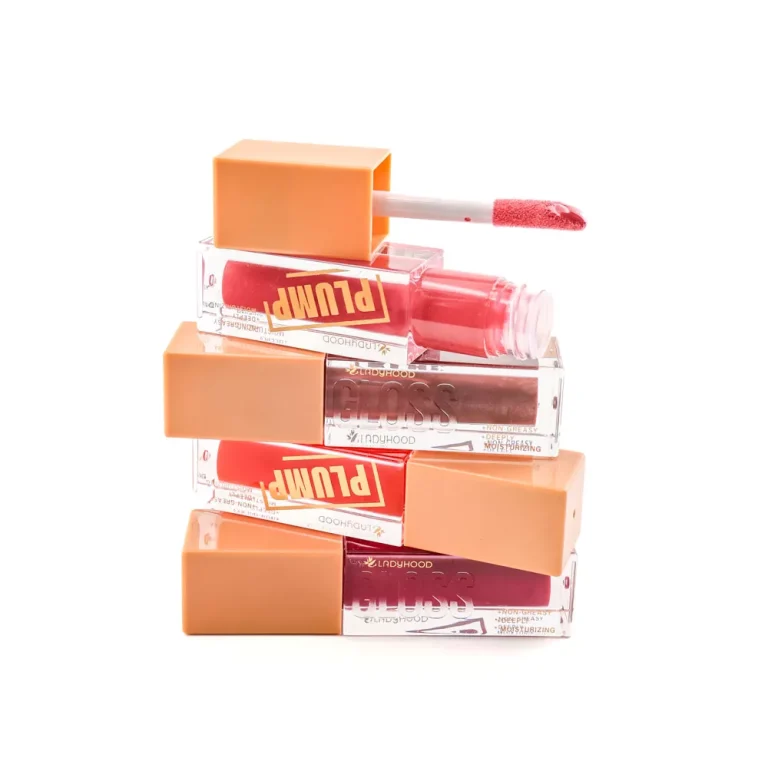
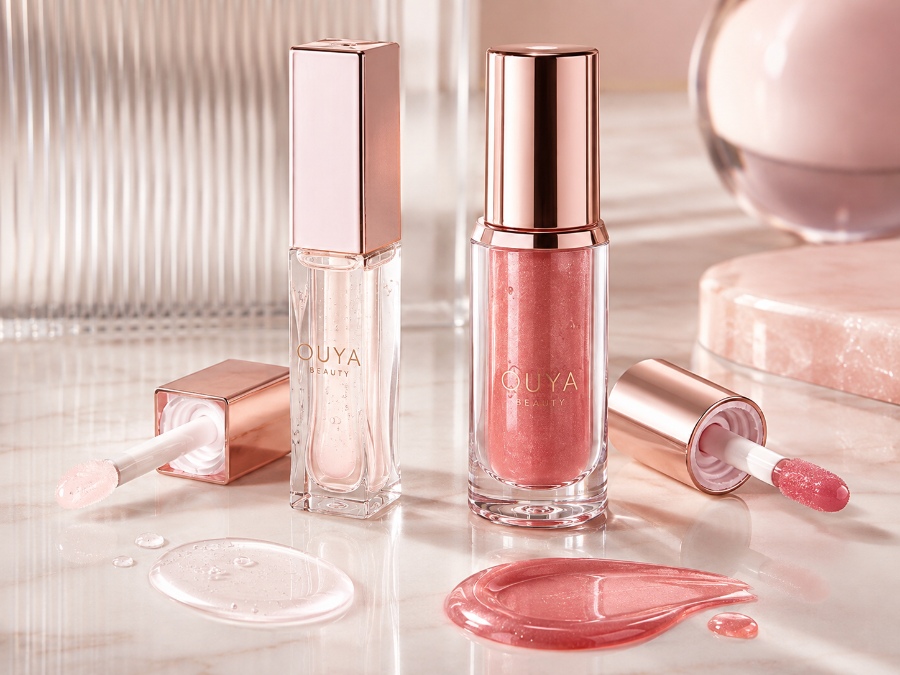
يؤثر تصميم الألوان على كلٍ من التسويق والتصنيع. فالزيت الشفاف، والزيت الملون، واللمعان الشفاف، واللمعان الملون، واللمعان اللامع، واللمعان العلاجي، تتطلب جميعها توزيعًا مختلفًا للأصباغ، ومعايير بصرية مختلفة، ومتطلبات تنظيف عبوات مختلفة. ويصبح الفرق بين ملمع الشفاه وزيت الشفاه ذا أهمية تجارية بالغة عندما تخطط العلامة التجارية لتوفير العديد من الدرجات اللونية، لأن الحد الأدنى لكميات الطلب، والمعايير الخاصة بكل درجة لونية، وتنظيف العبوات، كلها عوامل تتحكم في اقتصاديات المجموعة.
| مجال القرار | طريقة استخدام زيت الشفاه | طريقة استخدام ملمع الشفاه |
| القصة الرئيسية | ترطيب سهل ومنح لمعانًا خفيفًا | وسادة، لمعان زجاجي، لون، أو تأثير خاص |
| التركيز على اللزوجة | التدفق والالتقاط المتحكم به | التحكم في التوسيد والتعليق والشد |
| مجموعة الألوان | غالباً ما يكون شفافاً إلى شفاف تماماً | من الشفاف إلى عالي الصبغة أو اللامع |
| مخاطر التعبئة | التسرب والجرعات الزائدة | تركيب المساحات، وبقايا المواد، والتقاطها الكثيف |
| التركيز على الموافقة | الشعور اللاحق والهجرة | العائد، واللزوجة، والمظهر، وحمولة أداة التطبيق |
صمم التركيبة والتغليف معًا
تتحكم هندسة العبوة في الجرعة الأولى للمستخدم. أويا بيوتي تُقدّم الشركة خيارات تغليف مُخصصة للشفاه، مُصممة لتناسب مختلف التركيبات، وأدوات التطبيق، وموقع المنتج في السوق. يُمكن تقييم اختيار التغليف بالتزامن مع توافق التركيبة، ومتطلبات التعبئة، وتجربة المستخدم خلال عملية تطوير منتجات التصنيع الأصلي (OEM) أو التصميم والتصنيع الأصلي (ODM). تُقدّم الشركة حلول تغليف مُخصصة لمختلف فئات مستحضرات التجميل، مما يُساعد العلامات التجارية على مواءمة موقع المنتج، ومتطلبات التركيبة، وتصميم التغليف.
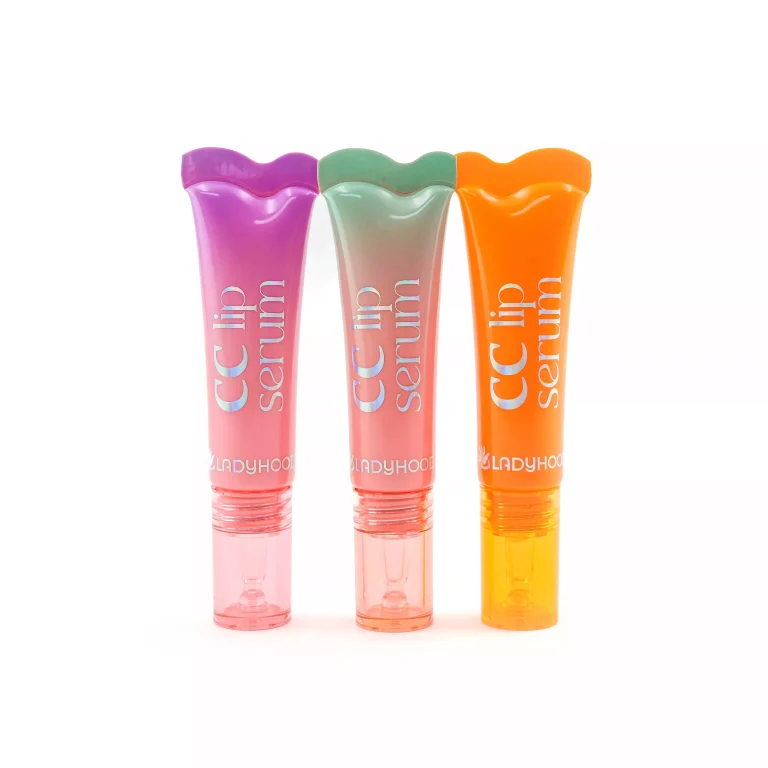
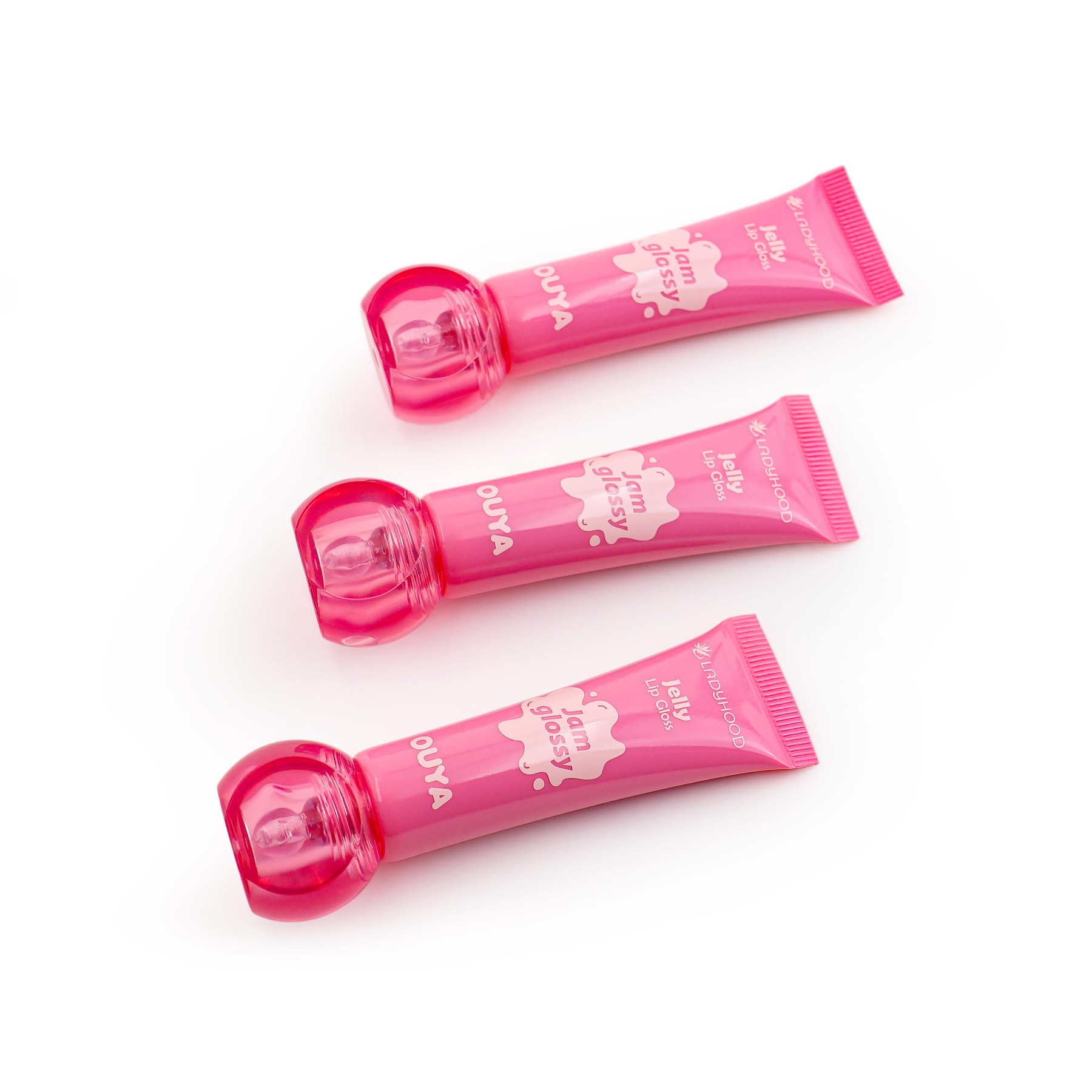
ينبغي أن يتناسب تصميم أداة التطبيق مع لزوجة المنتج وطريقة وضعه. قد يُحسّن رأس التطبيق العريض من كمية المنتج المُلتقطة وراحة الاستخدام للحصول على لمعان ناعم، بينما قد يُساعد الطرف الأضيق على التحكم في كمية الزيت. توفر الأنابيب القابلة للضغط تجربة مختلفة من حيث النظافة والتعبئة والبيع بالتجزئة. يجب أن يُقيّم تطوير منتجات التجميل ذات العلامات التجارية الخاصة (ODM) قوة السحب، والمسح، والجرعة، والتسرب، وقوة إغلاق الغطاء، والتلطيخ، ومقاومة الزخرفة، وكمية المنتج المتبقية على عنق الأنبوب بعد الاستخدام المتكرر.
- اختبر التركيبة في كل مكون مقترح، وليس في أنبوب مختبر عام.
- قم بتخزين العينات في وضع مستقيم، أو جانبي، أو مقلوب حسب متطلبات البروتوكول.
- سجل الجرعة، والمتبقيات، والتسرب، وحالة أداة التطبيق بعد دورات متكررة.
- تأكد من أن الزخرفة تظل قابلة للقراءة بعد ملامستها للتركيبة.
- وافق على مستوى التعبئة والمساحة الفارغة مع المحتوى الصافي النهائي.
التحقق من صحة المطالبات والامتثال لمتطلبات السوق المستهدف
تتطلب منتجات الشفاه مراجعةً للألوان المستخدمة في أغراضها. تُوجّه جداول إضافات الألوان المسموح بها من قِبل إدارة الغذاء والدواء الأمريكية الشركات إلى اللوائح المحددة للاستخدامات والقيود والمواصفات، لذا لا يُمكن ببساطة نقل صبغة مناسبة لمجال تجميلي آخر إلى تركيبة الشفاه. يتطلب طرح المنتج في الاتحاد الأوروبي وجود شخص مسؤول، وتقرير سلامة المنتج التجميلي، وإخطار برنامج مراقبة المنتجات التجميلية (CPNP). يجب أن تتطابق الملصقة النهائية وملف السلامة مع المنتج المُسوّق.
ينبغي أن تتضمن خطط إطلاق المنتجات في الولايات المتحدة تحديد مهام برنامج MoCRA. تنص إدارة الغذاء والدواء الأمريكية على أن الشركات المصنعة والمعالجة المشمولة بالبرنامج تسجل منشآتها وتجدد تسجيلها كل عامين، بينما يقوم الشخص المسؤول بإدراج منتجات التجميل المسوقة وتحديث قوائمها سنويًا. يجب أن تحدد الجداول الزمنية لمستحضرات التجميل ذات التركيبات المخصصة الجهة التي توفر بيانات المكونات، والجهة التي تراجع التصميمات، والجهة التي تملك قائمة المنتجات، والجهة التي تحتفظ ببيانات الاتصال الخاصة بالآثار الجانبية قبل إصدار أوامر الشراء.
قم ببناء عرض أسعار يكشف عن المقايضات الحقيقية
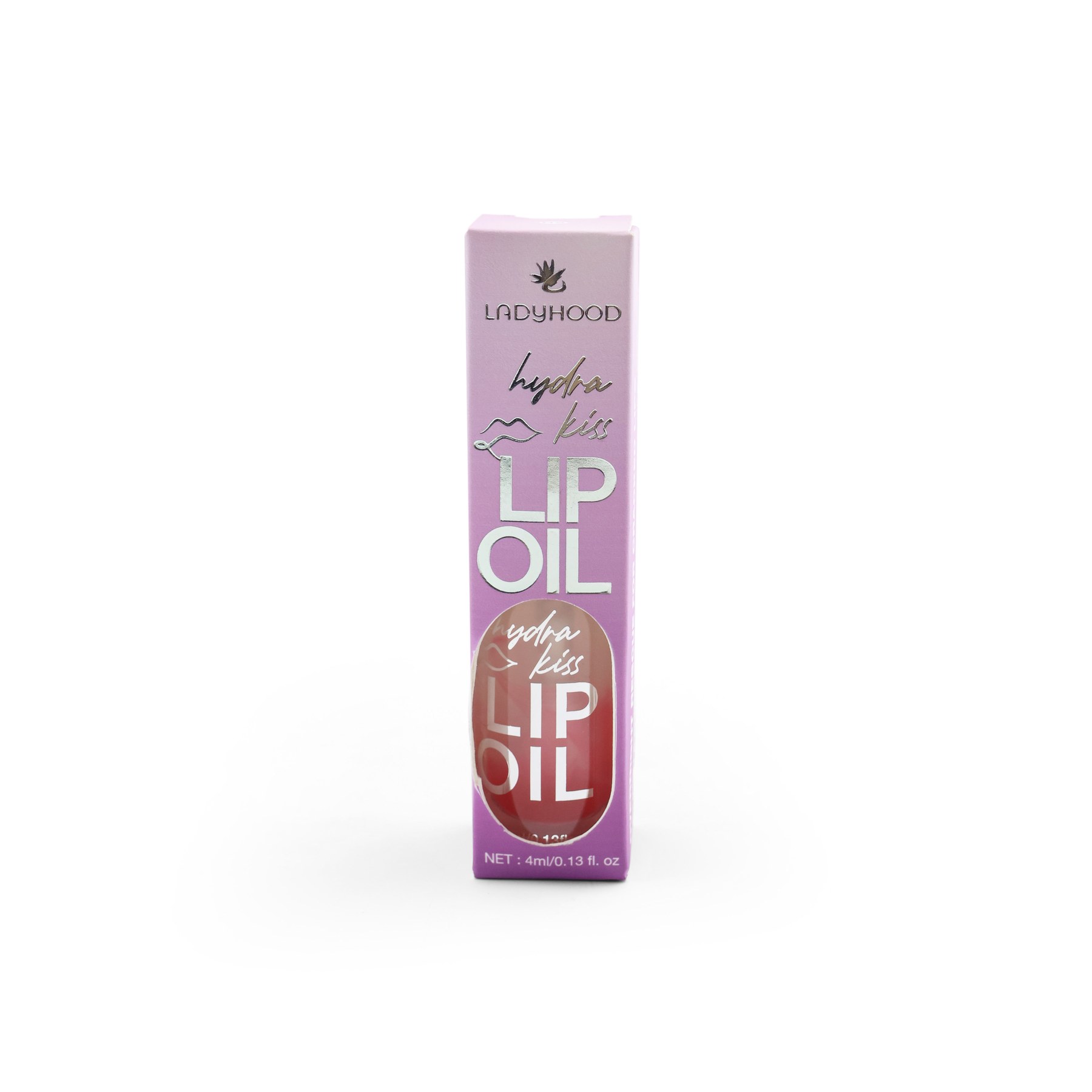
يتطلب تقديم عرض سعر مماثل أكثر من مجرد سعر الوحدة المستهدف. يجب على المشترين تحديد دور المنتج، والمعيار المرجعي، ومستويات اللزوجة والخصائص الحسية المستهدفة، وعدد الدرجات اللونية، والأصباغ أو التأثيرات، ونوع العبوة، وأداة التطبيق، والتعبئة، والزخرفة، والأسواق المستهدفة، وقائمة الادعاءات، ونطاق الاختبار، والتوقعات حسب الدرجة اللونية، وطلب الحد الأدنى المنخفض لكمية الطلب، والكرتون، وفترة التسليم. قد تختلف الحد الأدنى لكميات الطلب لمنتجات مستحضرات التجميل المصنعة حسب الطلب (ODM) التي تحتوي على مكونات مخصصة أو درجات لونية متعددة، وذلك فيما يتعلق بالتركيبة والتغليف والزخرفة والتجميع.
ينبغي أن تفصل خطة الموافقة بين مراحل الموافقة على الصيغة والمكونات والأعمال الفنية والمجموعات. أويا بيوتي توفر خدمات تصنيع المعدات الأصلية/تصميم المعدات الأصلية المتكاملة التي تغطي تطوير المنتجات، وأخذ العينات، وتخصيص التغليف، ومراقبة الجودة، ودعم الامتثال، وتنسيق الإنتاج. زيت الشفاه مقابل ملمع الشفاه في المشروع، يمكن للمشترين استخدام هذه البوابات لمنع تغيير العبوة في وقت متأخر من إبطال عمل التوافق أو إضافة لون متأخر من تعطيل الإنتاج. يجب توقيع مسؤوليات تصميم وتصنيع مستحضرات التجميل ذات العلامات التجارية الخاصة عند كل بوابة.
راجعي ملخص منتج الشفاه الخاص بكِ
يقارن أويا بيوتي استفد من إمكانيات التصميم والتصنيع الأصلي لمستحضرات التجميل، واستخدم فكرة زيت الشفاه أو ملمع الشفاه المستهدفة كمرجع للمناقشة. أرسل لنا معاييرك، والأسواق المستهدفة، وأولويات الادعاءات، وخطة الألوان، والتعبئة والتغليف، والتوقعات، وتاريخ الإطلاق من خلال منصتنا. صيغة مخصصة مستحضرات التجميل القناة. يمكننا تحديد القرارات التي يجب اختبارها قبل إجراء تجربة أولية أو عرض أسعار بالجملة بحد أدنى منخفض للكمية.
أسئلة متكررة
ما هو الفرق الرئيسي بين ملمع الشفاه وزيت الشفاه؟
يكمن الفرق الرئيسي بين ملمع الشفاه وزيت الشفاه عادةً في النتيجة المرجوة للمستهلك. يميل زيت الشفاه إلى التركيز على ترطيب الشفاه ومنحها لمعانًا خفيفًا، بينما يميل ملمع الشفاه إلى التركيز على ترطيبها ولمعانها الواضح ولونها أو تأثيراتها الخاصة. وقد تتداخل هذه الفروقات في التركيبة النهائية.
أي صيغة أقل ثباتاً؟
لا يضمن أي من التصنيفين انخفاض اللزوجة. تعتمد اللزوجة على التركيبة الكاملة، وكمية الصبغة أو التأثير، وسلوك الطبقة، والجرعة، والهدف الحسي. ينبغي على المشترين مقارنة العينات المرمزة بنفس كمية التطبيق بدلاً من استنتاج الملمس من اسم التصنيف.
كيف يتم حساب الحد الأدنى لكمية الطلب للون؟
ينبغي حساب الحد الأدنى لكمية الطلب للون بناءً على دفعة التركيبة، وإعداد الصبغة، وشراء المكونات، والتزيين، وإعداد التعبئة. ويمكن للعلامات التجارية تحسين جدوى الحد الأدنى لكمية الطلب المنخفضة من خلال مشاركة المكونات، والحد من عدد الألوان المتاحة عند الإطلاق، والتنبؤ بكل لون على حدة.
ما الذي يجب أن تتضمنه عينة ذهبية لمنتجات الشفاه؟
يجب أن تتضمن العينة الذهبية التركيبة المعتمدة، واللون، والتعبئة، والزجاجة أو الأنبوب، والممسحة، وأداة التطبيق، والغطاء، والزخرفة، ونسخة الملصق، والكرتون، والمواصفات الموقعة. يجب ختم المعيار المحفوظ وربطه بسجل إصدار الإنتاج.