Introduction
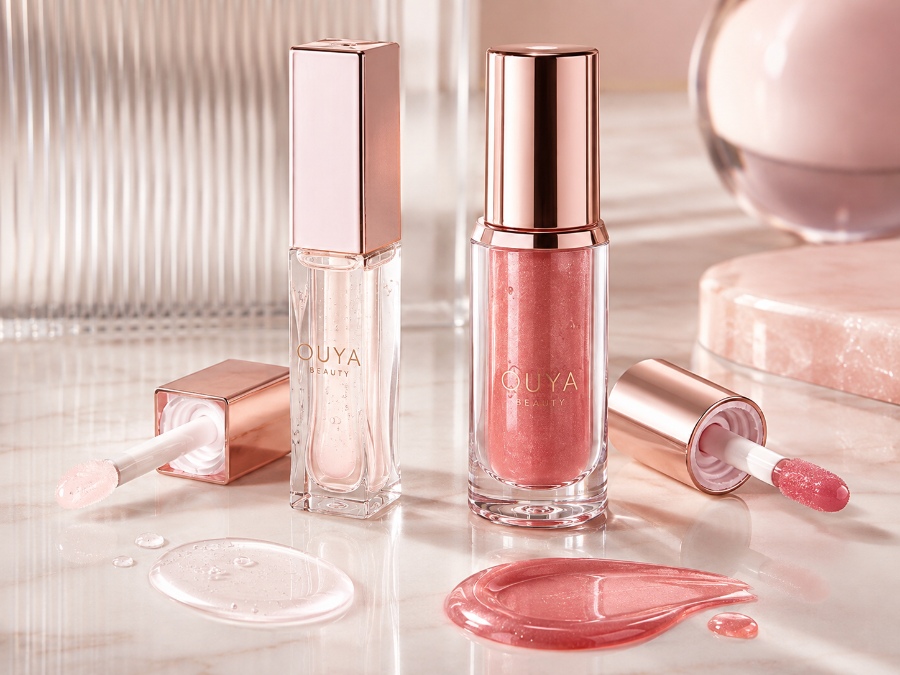
Lip oil and lip gloss can overlap in shine and comfort, but they should not be sourced as interchangeable labels. The practical lip oil vs lip gloss decision starts with the consumer promise, then moves through viscosity, pigment, applicator, package compatibility, claims, and test scope. Brands that define those variables early give private label cosmetics ODM teams a clearer route to samples, quotations, and reliable scale-up.
Define the Product Role Before the Texture
The product role is the clearest difference between lip gloss and lip oil. Lip oil usually leads with conditioning, slip, and a lighter shine experience, while lip gloss often leads with visible shine, cushion, color, or longer surface presence. These are market positions rather than universal technical definitions, so custom formula cosmetics briefs should describe measurable sensory and appearance targets instead of relying on the category name.
Set the sensory target in plain language
A useful brief defines glide, cushion, tack, stringiness, shine, pigment level, flavor or fragrance, after-feel, and reapplication behavior. In a lip oil vs lip gloss comparison, the same ingredient can support different stories depending on the full formula and claim evidence. Buyers should approve the finished sensory profile on lips and should avoid promising barrier repair, plumping, or extended hydration without an appropriate test basis.
Choose color and coverage architecture
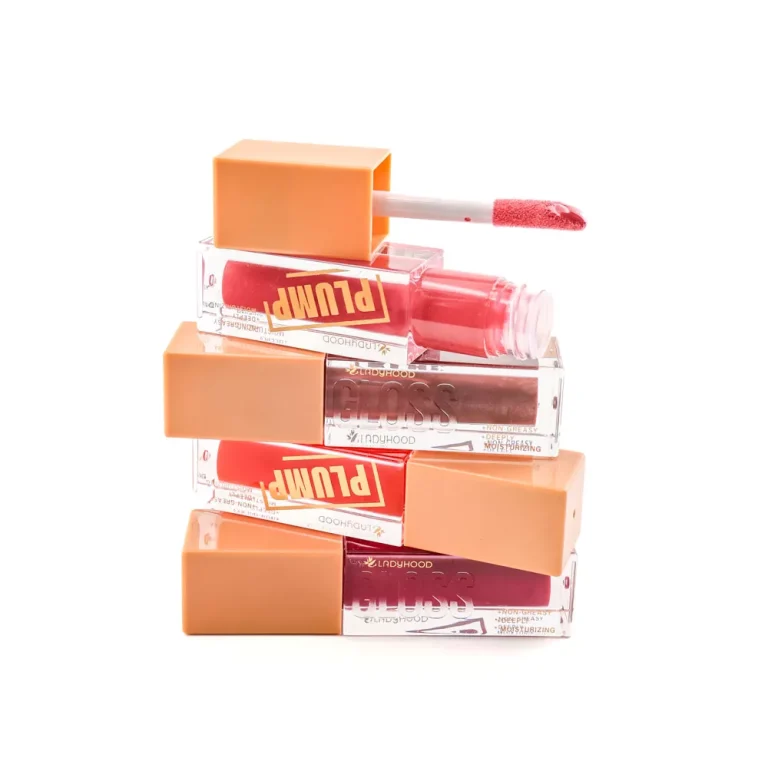
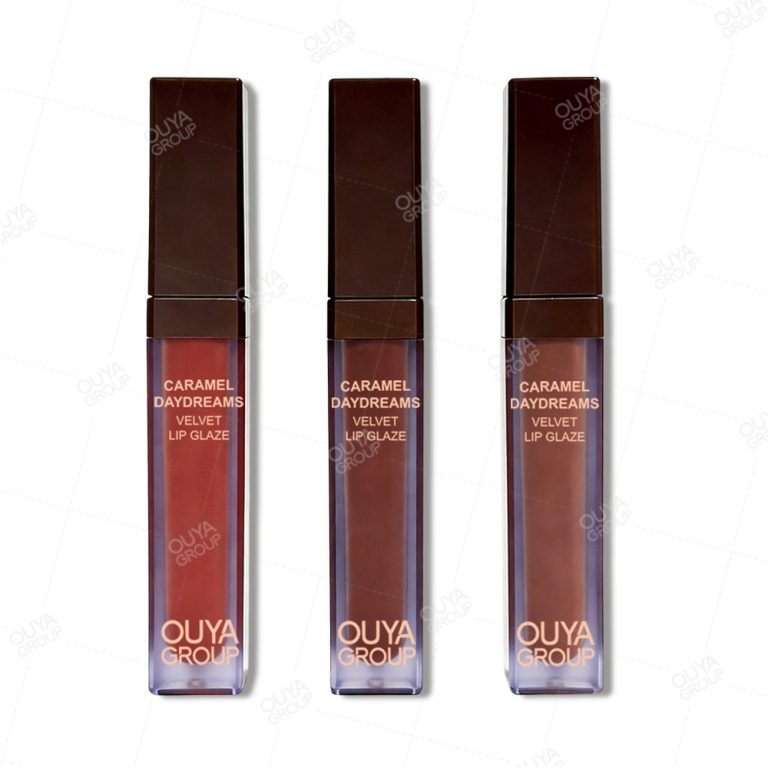
Color architecture affects both merchandising and manufacturing. A clear oil, tinted oil, sheer gloss, pigmented gloss, glitter gloss, and treatment-style gloss need different pigment dispersion, visual standards, and pack cleaning expectations. The difference between lip gloss and lip oil becomes commercially important when the brand plans many shades, because shade-specific MOQs, standards, and filling cleanup can control the range economics.
| Decision area | Lip oil direction | Lip gloss direction |
| Primary story | Conditioning slip and lightweight shine | Cushion, glassy shine, color, or special effect |
| Viscosity focus | Flow and controlled pickup | Cushion, suspension, and stringiness control |
| Color range | Often clear to sheer | Sheer to high pigment or glitter |
| Pack risk | Leakage and over-dosing | Wiper fit, residue, and heavy pickup |
| Approval focus | After-feel and migration | Payoff, tack, appearance, and applicator load |
Engineer the Formula and Package Together
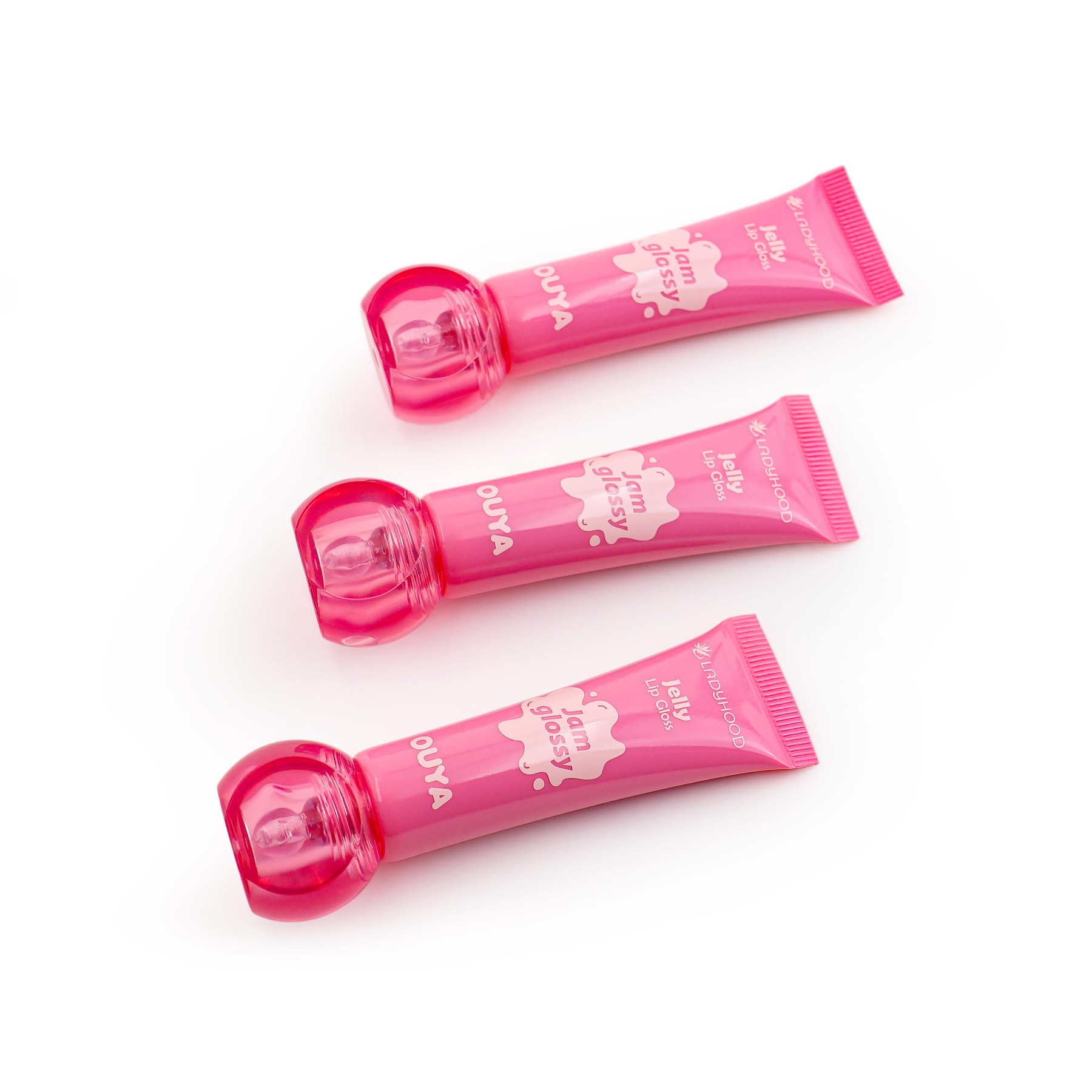
Package geometry controls the user’s first dose. OUYA BEAUTY provides customized lip packaging options designed to match different formulas, applicators, and product positioning. Packaging selection can be evaluated together with formula compatibility, filling requirements, and user experience during OEM/ODM development. The company provides customized packaging solutions for different beauty categories, helping brands align product positioning, formula requirements, and packaging design.
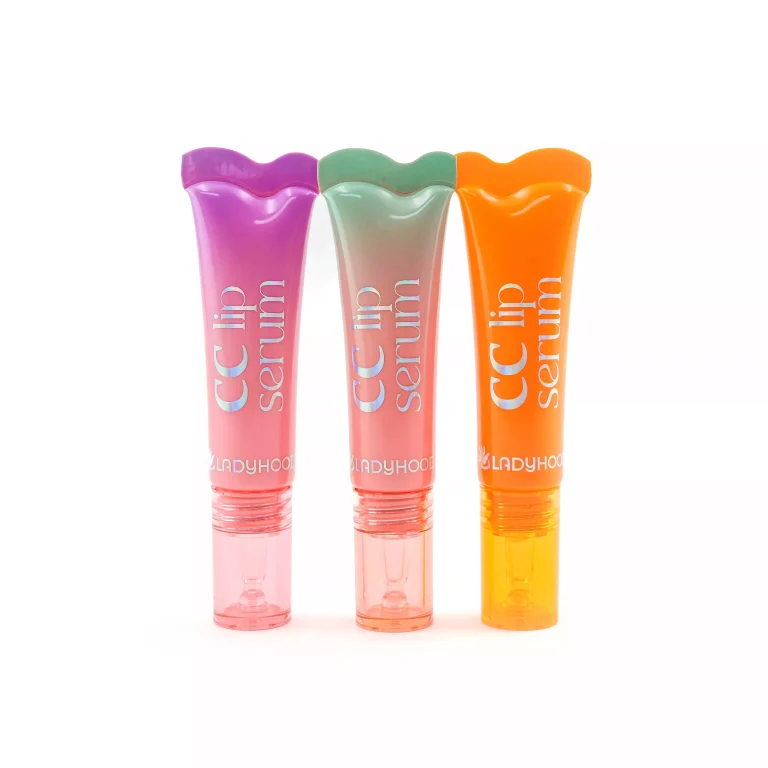
Applicator design should match viscosity and placement. A larger doe foot may increase pickup and comfort for a cushiony gloss, while a narrower tip may support controlled oil dosing. Squeeze tubes offer a different hygiene, filling, and retail experience. Private label cosmetics ODM development should evaluate withdrawal force, wiping, dose, leakage, cap torque, staining, decoration resistance, and product left on the neck after repeated use.
- Test the formula in every proposed component, not a generic lab tube.
- Store samples upright, sideways, and inverted where the protocol requires.
- Record dose, residue, leakage, and applicator condition after repeated cycles.
- Confirm the decoration remains legible after contact with the formula.
- Approve fill level and headspace with the final net content.
Validate Claims and Destination-Market Compliance
Lip products need intended-use color review. The FDA’s permitted color-additive tables direct companies to the specific regulations for uses, restrictions, and specifications, so a pigment suitable for another cosmetic area cannot simply be moved into a lip formula. EU placement requires a responsible person, a cosmetic product safety report, and CPNP notification. The final label and safety file must match the marketed product.
US launch planning should also assign MoCRA tasks. The FDA states that covered manufacturers and processors register facilities and renew every two years, while the responsible person lists marketed cosmetic products and updates listings annually. Custom formula cosmetics timelines should identify who supplies ingredient data, who reviews artwork, who owns product listing, and who maintains adverse-event contacts before purchase orders are released.
Build a Quote That Exposes the Real Tradeoffs
A comparable quotation needs more than a target unit price. Buyers should provide product role, benchmark, viscosity and sensory targets, shade count, pigments or effects, pack style, applicator, fill, decoration, target markets, claim list, testing scope, forecast by shade, low MOQ request, carton, and delivery window. Cosmetics ODM products with custom components or many shades may have different minimums for formula, packaging, decoration, and assembly.
The approval plan should separate formula, component, artwork, and bulk gates. OUYA BEAUTY provides one-stop OEM/ODM services covering product development, sampling, packaging customization, quality control, compliance support, and production coordination. For a lip oil vs lip gloss project, buyers can use these gates to prevent a late pack change from invalidating compatibility work or a late shade addition from disrupting production. Private label cosmetics ODM responsibilities should be signed at each gate.
Review Your Lip Product Brief
Compare OUYA BEAUTY cosmetics ODM capabilities and use your target lip oil or lip gloss concept as a discussion reference. Send your benchmark, target markets, claim priorities, shade plan, pack, forecast, and launch date through our custom formula cosmetics channel. We can identify the decisions that should be tested before a low-MOQ pilot or bulk quotation.
FAQ
What is the main difference between lip gloss and lip oil?
The main difference between lip gloss and lip oil is usually the intended consumer payoff. Lip oil tends to emphasize conditioning slip and lightweight shine, while lip gloss tends to emphasize cushion, visible shine, color, or special effects. The finished formula may blur that boundary.
Which format is less sticky?
Neither category guarantees lower tack. Stickiness depends on the complete formula, pigment or effect load, film behavior, dose, and sensory target. Buyers should compare coded samples under the same application amount rather than infer feel from the category name.
How should shade MOQ be calculated?
Shade MOQ should be calculated across formula batch, pigment preparation, component purchase, decoration, and filling setup. Brands can improve low-MOQ feasibility by sharing components, limiting launch shades, and forecasting each color separately.
What should a lip-product golden sample include?
The golden sample should include the approved formula, shade, fill, bottle or tube, wiper, applicator, cap, decoration, label copy, carton, and signed specification. A retained standard should be sealed and linked to the production release record.