Buyers now focus a lot on the parts they apply to their skin. You might have watched clips on social platforms. In them, upset customers display their costly fresh “natural” lotions. These split into messy, greasy parts after only two weeks. Such issues arise when companies hurry their release. They often overlook a key lab process. As you build a cosmetics line, your mix must handle warm transport vehicles. It also needs to endure cold air travel storage and humid bath areas.
This is exactly why cosmetic stability testing matters so much. A good testing routine keeps your product looking, feeling, and smelling great from the factory floor to the bottom of the customer’s jar. Today, we will look closely at how modern labs check these formulas.
Why is Cosmetic Stability Testing Crucial for Brand Success?
Launching a beauty product takes serious money, time, and dedication. You simply cannot afford to guess if your face cream will stay smooth or if your lip gloss will melt in the summer heat. Proper lab testing protects your investment, stops expensive customer returns, and keeps your brand safe. Let’s look at the main reasons why this process is completely non-negotiable.
Reliable formulation stability
Imagine a customer opens your brand-new liquid foundation, only to find clear oil floating on top of thick brown pigment. That ruins their trust instantly. A solid formula needs to stay together under stress. Lab experts push products to their limits to see if the ingredients separate, change color, or lose their pleasant smell. If a jelly blush stick cannot hold its bouncy texture, it never leaves the development stage. Catching these flaws early means your final buyers only experience the soft, velvet-matte finish you promised them.
Accurate shelf life testing results
You must learn precisely how long your good will remain good on shop racks or in storage. Guessing the end date could lead to large public pull-backs. Checks reveal if a cream works for 12 months or 24 months. This firm’s info aids in planning stock. It helps with transport plans. And it shapes your sales approaches. When you know a group of moistening body mist lasts just 18 months, your sales group understands the window to move it.
Elevating standards with cosmetic quality control
Various nations set firm rules on what firms may offer to people. To reach worldwide sales, you need to clear these legal reviews first. Solid cosmetic quality control involves examining each aspect. This goes from basic herb pulls to the packed end good. It shows officials that your color items are secure, pure, and match the tag details. Clearing these tough lab barriers eases entry into major areas in Europe, the US, or Asia. You avoid quick border blocks.
Core Cosmetic Testing Methods in Modern Laboratories
A skilled lab goes beyond a quick glance at an item to judge its worth. Experts apply set, tough settings to make blends respond and wear out. Through these basic cosmetic testing methods, makers can forecast how a product acts in daily use over time.
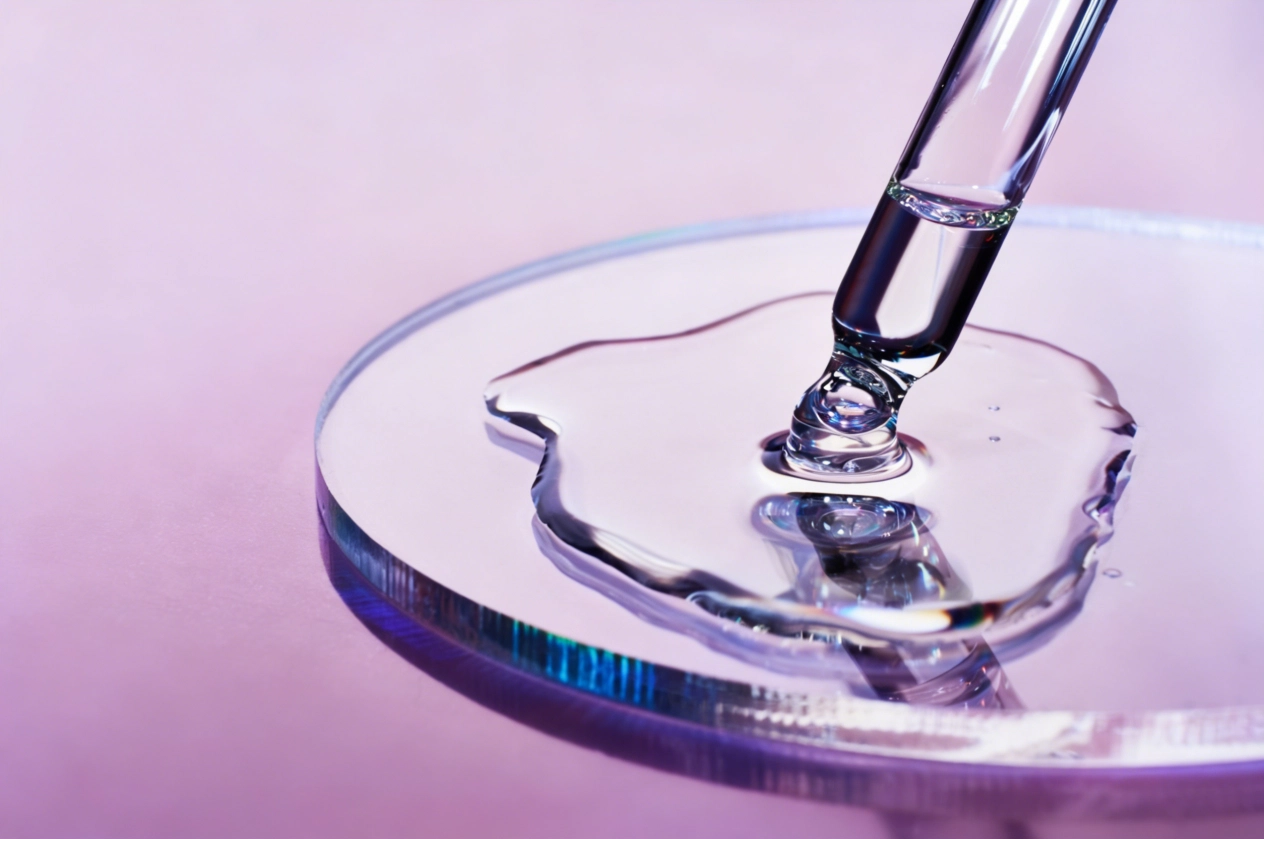
Accelerated and real-time stability testing
Experts cannot always wait two years to check if an evening lotion spoils. So, they turn to sped-up checks. They place the color in controlled heaters at about 40°C (104°F). They add 75% moisture for around three months. If the item handles this strong warmth and dampness without failing, it should last two years at usual room warmth. Meanwhile, labs store samples on normal racks at 25°C (77°F) for ongoing watch. This paired method provides firms with the clearest view.
Freeze-thaw cycle testing
Your products will travel across the world. A delivery truck might drive through freezing snowy mountains and then straight into a hot desert. Freeze-thaw cycles recreate this brutal journey. The lab drops the product temperature down to -10°C (14°F) for 24 hours, then put to 25°C (77°F) for another 24 hours, at last put to 40°C (104°F) for 24 hours. They repeat this process three to five times. If your liquid foundation or body glitter spray does not turn into a chunky mess after this, it is tough enough for global shipping.
Compatibility testing with packaging
A great moisturizing lotion is completely useless if it melts the plastic bottle it comes in. Sometimes, the active chemicals in a beauty item react badly with glass, metal pumps, or plastic tubes. This causes leaks, strange smells, or even toxic changes. Labs put the formula inside its final packaging and leave it in different temperatures to see what happens. They check if the pump still works smoothly, if the plastic gets soft, or if the printed text on the bottle rubs off onto the user’s hands.
Specific Standards for a Professional Skincare Stability Test
Skincare requires a very delicate touch. Because these lotions and serums sink deep into the skin, the safety bars are much higher than standard color makeup. A proper skincare stability test looks at the microscopic details to protect the user’s face and body from irritation.
Physical and chemical assessments (pH & Viscosity)
The human skin has a natural pH level of around 5.5. If a face wash has a pH of 8 or 9, it will strip the skin and cause painful redness. Technicians use digital meters to check the exact acidity of the formula. They also measure viscosity, which is how thick or thin the liquid feels. You want your cream to feel the exact same every single time a customer buys it. By tracking these numbers, the lab makes sure the product stays gentle and pleasant to touch.
Microbiological limit test for safety
Water is the main ingredient in most skincare items. Sadly, bacteria and mold love to grow in water. Microbiological tests are strictly about keeping the customer safe. Scientists take a sample of the cream, put it on a petri dish, and wait to see if any dangerous bugs grow. They look for specific threats like bacteria, yeast, mold, and harmful bacteria. The product must have strong enough preservatives to kill these germs over its entire lifespan.
Resistance to light and drop impact
Direct sunlight can destroy delicate ingredients like Vitamin C, turning a beautiful white serum into a brown, smelly liquid. Labs use intense UV light boxes to blast the product with fake sunlight for days, checking for color fading or chemical breakdown. Beyond the formula, the packaging takes a beating too. During the drop test, workers drop the fully packaged product from heights of about 1 meter onto hard floors from multiple angles to check for cracks.
Partnering with an Expert in OEM cosmetic testing
Knowing the science is one thing, but finding a factory that actually follows these strict rules is another challenge. You need a manufacturing partner who cares about your brand reputation as much as you do, offering both top-tier lab work and smart business solutions. When you search for a factory, you should look for real value, not just the lowest price tag.
- Smart and Flexible Production:A modern partner like OUYA uses flexible manufacturing lines. Instead of forcing you into massive minimum orders, we negotiate with you based on your actual market demand. This helps you start new brands without tying up all your cash in warehouse stock.
- Massive Formulation Library:You do not always have to invent a product from zero. A strong factory holds hundreds of ready-to-use, tested formulas. Whether you want a jelly blush stick or a velvet-matte foundation, tapping into an existing, stable formula saves you months of lab time and money.
- Sustainable Packaging Solutions:Current buyers value nature. Employing reused parts like rPET or life-based plastics (PLA) sets your line apart. We stress green holders that seem high-end. Yet, they cause harm to the Earth.
- True Cost Efficiency: Low-cost plants often skip steps in OEM cosmetic testing. This brings big pull-backs later. We cut your spendingvia smart supply paths and quick shifts. You get top value without high costs.
If you plan to form a cosmetics line that buyers truly rely on, seek an ally who manages all. This spans from the first lab review to the end of the shipped pack. Contact us today to begin your path.
Conclusion
Building a successful beauty brand requires much more than just beautiful colors and clever marketing on social media. The backbone of every great product is strict cosmetic stability testing. By putting formulas through extreme heat, freezing cold, and intense light, scientists prove that your items remain safe, effective, and beautiful for years. From the initial physical checks to rigorous microbiological limits, every single lab step protects your buyers and your business reputation. When you choose a dedicated manufacturing partner, you gain access to high-end labs, flexible production, and eco-friendly packaging solutions. Do not let poor testing ruin your hard work. Invest in proper testing early, and watch your brand grow with confidence in the global market.
FAQs
Q: How long does cosmetic stability testing usually take?
A: Accelerated cosmetic stability testing takes about 12 weeks, while real-time testing monitors the product for a few years.
Q: Why is OEM cosmetic testing important for startups?
A: OEM cosmetic testing prevents formula failures, protecting new brands from costly recalls and ruined customer trust.
Q: What does a skincare stability test check for?
A: A skincare stability test checks pH levels, viscosity, bacteria growth, and packaging compatibility to guarantee user safety.