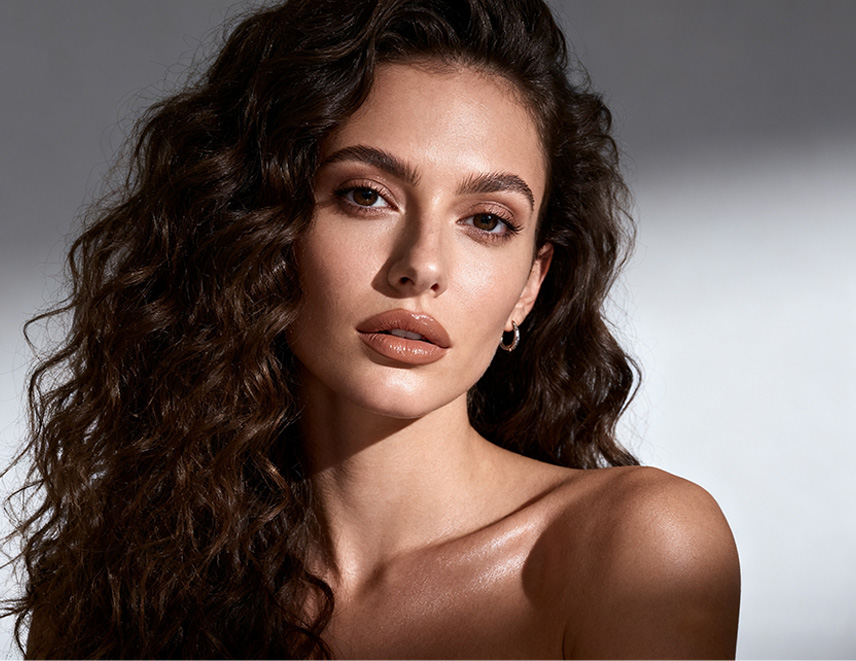
A blush shade earns attention at launch, but uneven color after lunch is what brings a disappointed customer back to the counter. For a retailer planning an oily-skin range, the central question is which texture keeps the intended flush looking balanced through wear. Powder and cream each deserve consideration; the useful difference emerges on the cheek, beyond the finish of a fresh swatch.
The disappearing flush has more than one explanation
Choosing cream or powder blush for oily skin begins with understanding what actually went wrong. Color may fade evenly, collect around one area, or appear to vanish beside a shinier patch of skin. Treating all three as the same failure makes the next sample selection less useful.
Uniform fading and hard edged patchiness require different evaluation approaches. Uniform fading tests color retention; patchiness assesses product distribution and compatibility with underlying base makeup.
A useful range decision therefore needs a shared description of success. That might be a soft flush that remains even through an ordinary workday, rather than the most intense color at first touch. This keeps the discussion connected to the retail experience instead of a contest between texture names.
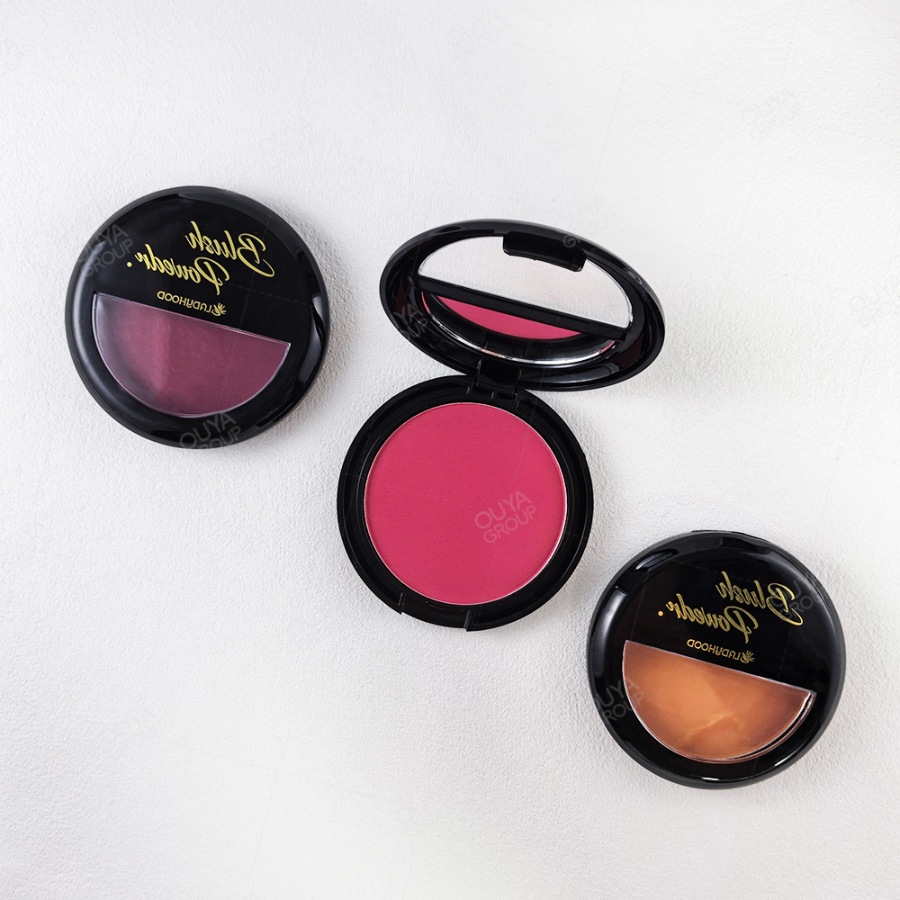
Powder offers a familiar route to a softer surface
Powder is a sensible candidate when the desired result is a less reflective cheek. Yet a powder format alone does not establish sebum resistance, a particular wear duration, or suitability for every oily complexion. Those are separate performance questions that need a relevant comparison.
The value of controlled pickup
Controlled pickup helps a powder shade arrive gradually. A retail demonstration is easier to repeat when the first touch leaves room to build, especially with vivid colors. Excess loose powder on the brush complicates that experience before the product even reaches the skin.
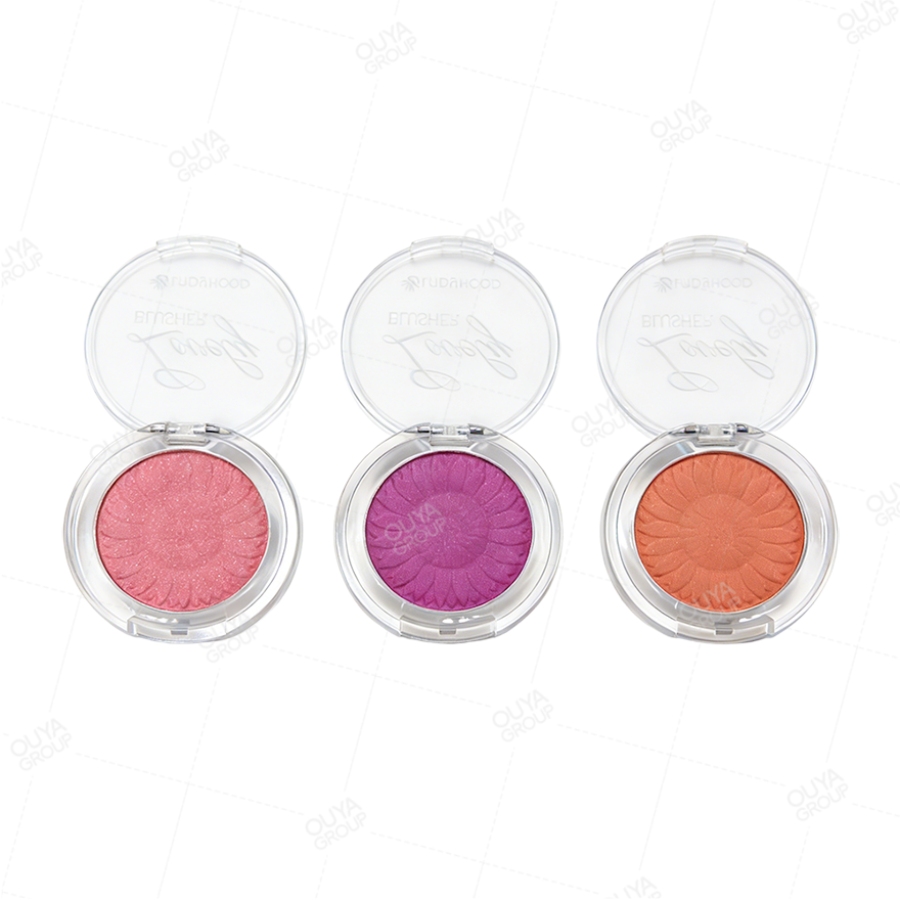
This is where a concrete powder example helps. OUYA BEAUTY’s Lovely Blusher, FBP0001-A08, combines a fine powder texture with buildable color and a floral embossed surface designed for even pickup. It serves as a practical reference point for private label cosmetics ODM development, though its general wear performance claims should not be treated as proof of suitability for oily skin use.
When more powder stops helping
Repeated touch-ups deserve attention because the second application changes the existing layer. A shade that refreshes neatly is different from one that becomes darker in isolated spots. The goal is an even-looking flush at a realistic dose, including a modest refresh if that is part of the intended routine.
Cream earns its place through the worn finish
Cream remains a meaningful option when a range needs soft, blended color. The relevant question is how the selected formula behaves over time. A creamy first impression does not automatically establish an oily finish, just as a matte first impression does not establish lasting color.
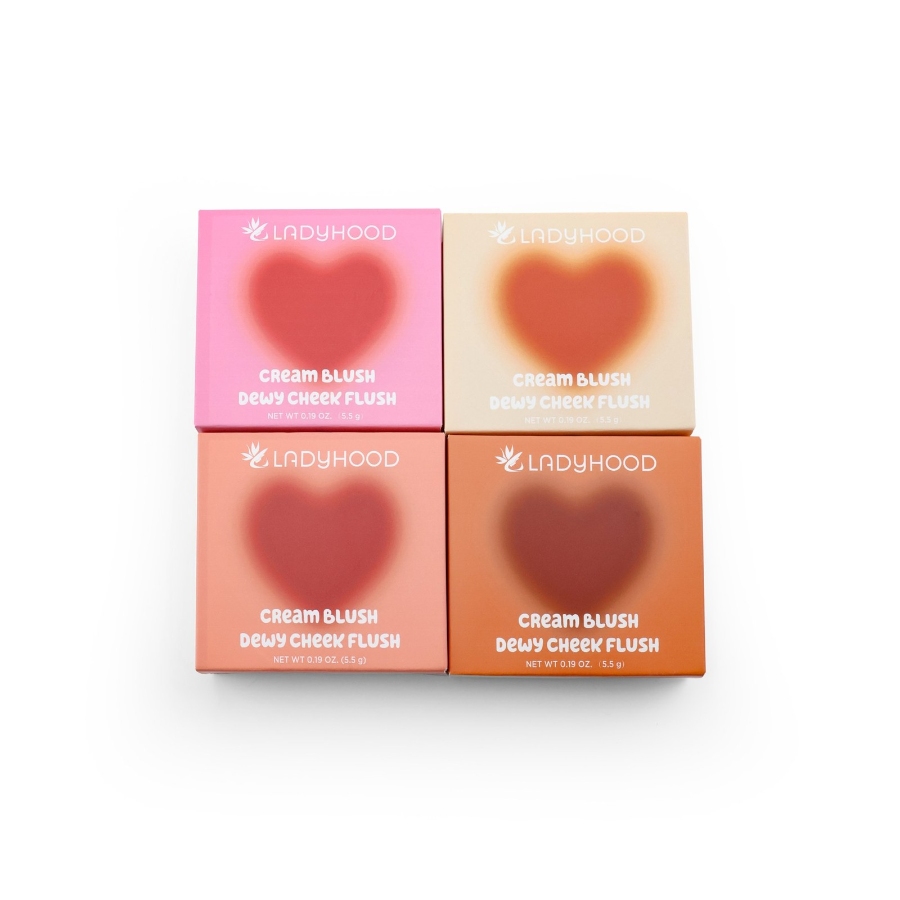
OUYA BEAUTY’s soft-bounce blush has a mousse-like feel and a soft-matte finish. Its blendable texture is intended to spread without disturbing the base. That makes it worth evaluating alongside powder when the product goal is a smooth flush, while oily-skin suitability remains a separate question for the finished formula.
The distinction between cream vs liquid blush also matters during comparison. Those labels cover different application experiences, and a loose liquid is not a reliable stand-in for a soft cream. Compare the actual candidate textures at doses that create similar visible color.
An equal-color comparison settles the format question
A fair comparison of liquid or powder blush for oily skin needs comparable starting intensity. A faint wash and a heavily pigmented patch are not equivalent tests. Matching the visible flush at application makes later photographs much easier to interpret.
| What happens during wear | Question to resolve | Implication for selection |
| Color fades evenly | Is enough of the intended flush retained? | Compare retention at equal starting color |
| One area becomes much darker | Is distribution changing? | Review local buildup and touch-up behavior |
| The base lifts during blending | Is the application disrupting the layer below? | Compare a lighter dose and compatible base |
| Color stays even but looks shinier | Does the finish still match the range promise? | Assess reflection separately from color |
These observations give a cream blush vs powder blush for oily skin comparison a practical purpose. The outcome is a reason to select one formula for one intended experience. It is not a claim that an entire format always wins.
Three consistent details improve the usefulness of that comparison:
- Keep the underlying face routine the same for each comparison.
- Photograph the cheek in the same light at agreed intervals.
- Record touch-ups separately from the untouched wear result.
One clear role for the chosen texture
A retail line becomes easier to explain when each blush has a defined role. A powder might suit a softly finished, gradually buildable flush. A cream might suit a smoother blending experience with a soft-matte result. The wording needs to follow what the selected samples actually deliver.
The decision about cream or powder blush also benefits from restraint in the launch assortment. Two textures deserve separate places when they create meaningfully different experiences. Two nearly identical promises leave staff explaining packaging differences instead of a useful reason to choose.
Shade remains part of the decision, but it does not replace the texture assessment. A flattering color that becomes patchy fails the intended promise. A stable finish in an unsuitable shade also misses the point. Review the preferred texture again in the actual launch shades before the range is finalized.
The right blush keeps the intended flush believable
An oily-skin blush range succeeds when color remains even and the worn finish matches its promise. Compare powder and cream through that specific lens, using similar starting color and realistic application. The resulting choice has a clear reason behind it, and the retail story becomes easier to communicate.
For support developing a blush texture around your range’s intended finish, please contact us.
FAQ
Is powder always the better option for oily skin?
No. Powder can deliver a low reflective finish, but every formula still requires real world wear testing. Product format alone cannot guarantee long lasting or even color performance.
Is every cream blush dewy?
No. Cream textures include different finished appearances, including soft matte. Judge the result after blending and during wear, rather than inferring it from the texture in the container.
Why does blush turn patchy over a base?
Several variables deserve comparison, including application amount, blending pressure, and the underlying layer. Changing one variable at a time makes the source of unevenness easier to identify.
Is strong pigment enough for longer wear?
Strong starting color is not proof of retention. Compare samples at a similar visible intensity, then assess how evenly that color remains at later observations.
What matters most in a retail demonstration?
Show the amount that creates the promised flush and the way it builds. A realistic demonstration gives staff a repeatable explanation and sets a more accurate expectation for the finished look.