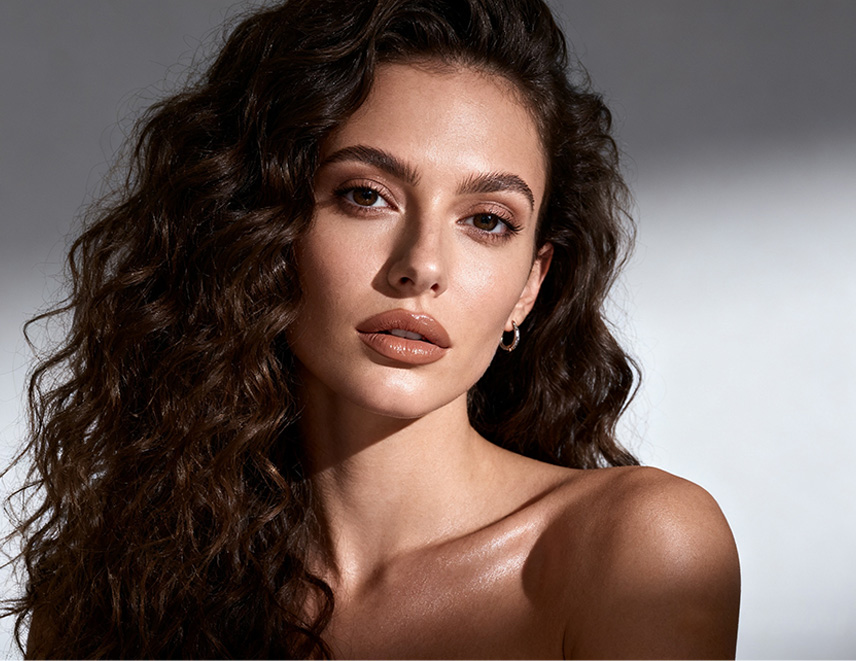
A blush shade catches the eye during a new product launch. But patchy colour after a few hours ruins the look, leaving frustrated customers disappointed with their purchase. A brand making an oily-skin range faces a big challenge. They must find a texture that holds a steady flush all day. Both powder and cream need close attention. The actual difference appears on the skin. It goes far beyond a fresh swatch on the hand.
The disappearing flush has more than one explanation
Choosing cream or powder blush for oily skin begins by seeing what actually went wrong. The color might fade in an even way. Sometimes, it clumps in one area. Or, it might vanish next to an oily spot on the face. Treating these three issues as the exact same problem is a mistake. It makes your next sample choice less useful.
An evenly fading color is different from a harsh, patchy dot. The first issue needs a closer look at how much pigment remains. The second issue demands a better check on how the makeup spreads. It also depends on the foundation under it. The same bad result can happen for totally different reasons.
When developing a makeup line, smart formulation decisions rely on clear success criteria. For blush, this may mean a soft flush that remains smooth through a typical workday — not necessarily the boldest colour on first application.This testing framework ties evaluations to real world retail use cases, rather than framing formats as competing against one another.
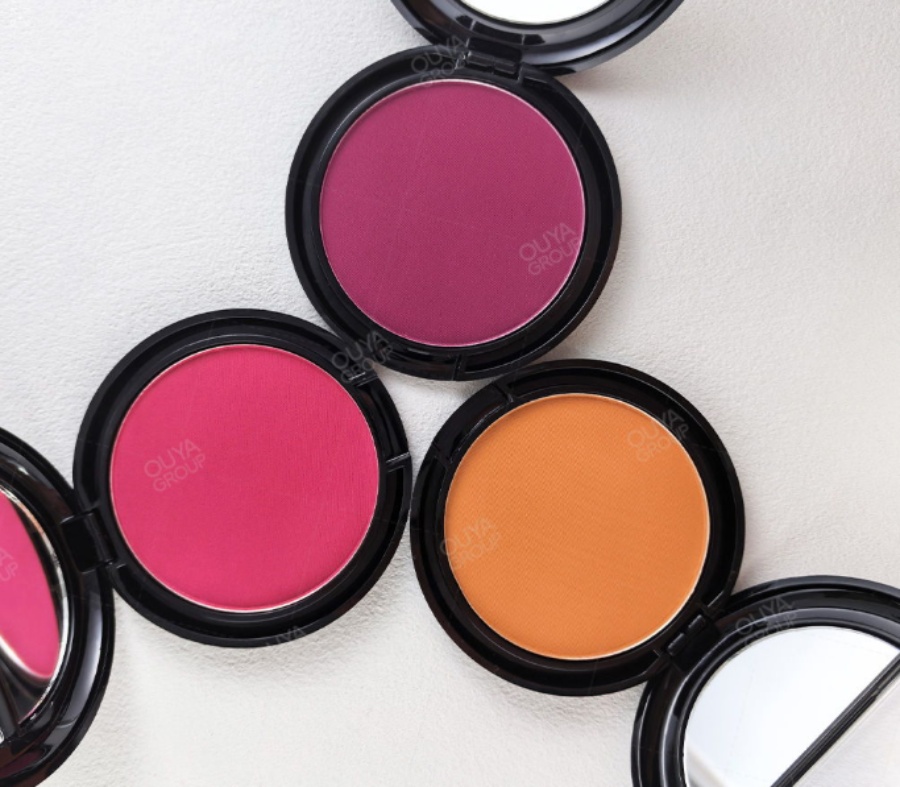
Fig 1: Must Have Blush Powder Manufactures (FP0001-A04)
Powder offers a familiar route to a softer surface
Powder is a smart pick when you want a less shiny cheeks. But a powder format alone does not promise oil control. It does not promise a set wear time. It also might not suit every oily face. These are separate performance issues. They need a fair test.
The value of controlled pickup
Controlled pickup lets a powder color build up slowly. A store demo is easier to copy when the first touch leaves room to add more. This matters a lot with bright tones. Too much loose powder on the brush ruins the user experience. This happens before the makeup even hits the skin.
A specific powder model helps here. OUYA BEAUTY’s Lovely Blusher, FBP0001-A08, blends a fine powder feel with buildable pigment. It also has a floral stamped top designed for steady pickup. This provides a strong starting point for marca privada cosméticos ODM creation. But you should not view its basic wear details as absolute proof for oily-skin testing.
When more powder stops helping
Frequent touch-ups require close watching. The next layer changes the base makeup. A color that refreshes cleanly is very different from one that turns dark in random spots. The goal is a smooth flush using a normal amount of product. This includes a light touch-up if that matches a typical daily routine.
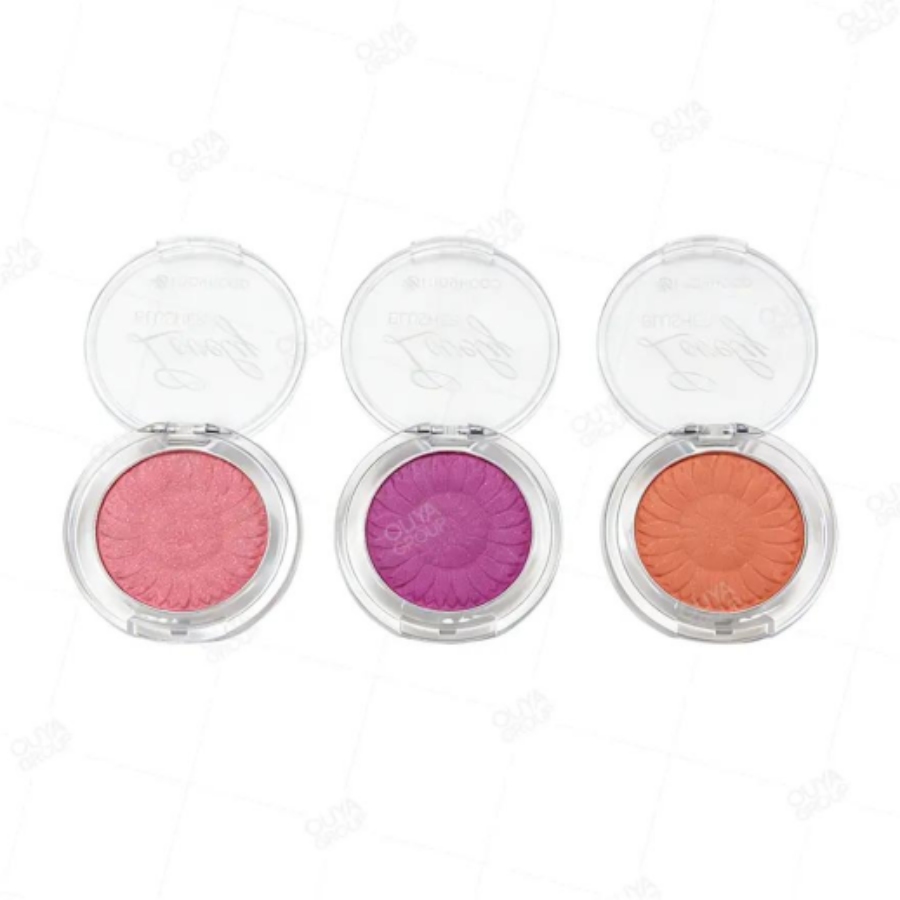
Fig 2: Lovely Blusher (FBP0001-A08)
Cream earns its place through the worn finish
Cream is a solid option when a collection needs soft, smooth color. The main question is how the formula behaves over time. A creamy feel at first does not mean a greasy finish later on. Likewise, a flat look at the start does not promise lasting pigment.
OUYA BEAUTY’s soft-bounce blush offers a light, airy feel and a soft-matte finish. Its smooth texture spreads easily. It does this without messing up the foundation. This makes it great to test against powder. It works well when the goal is a seamless flush. Yet, whether it fits oily skin is still a separate question for the final formula.
The gap between cream y liquid blush is also very important during tests. These terms point to different ways of applying makeup. A runny liquid cannot replace a thick cream. You must compare the actual textures. Use amounts that show a similar visible color.
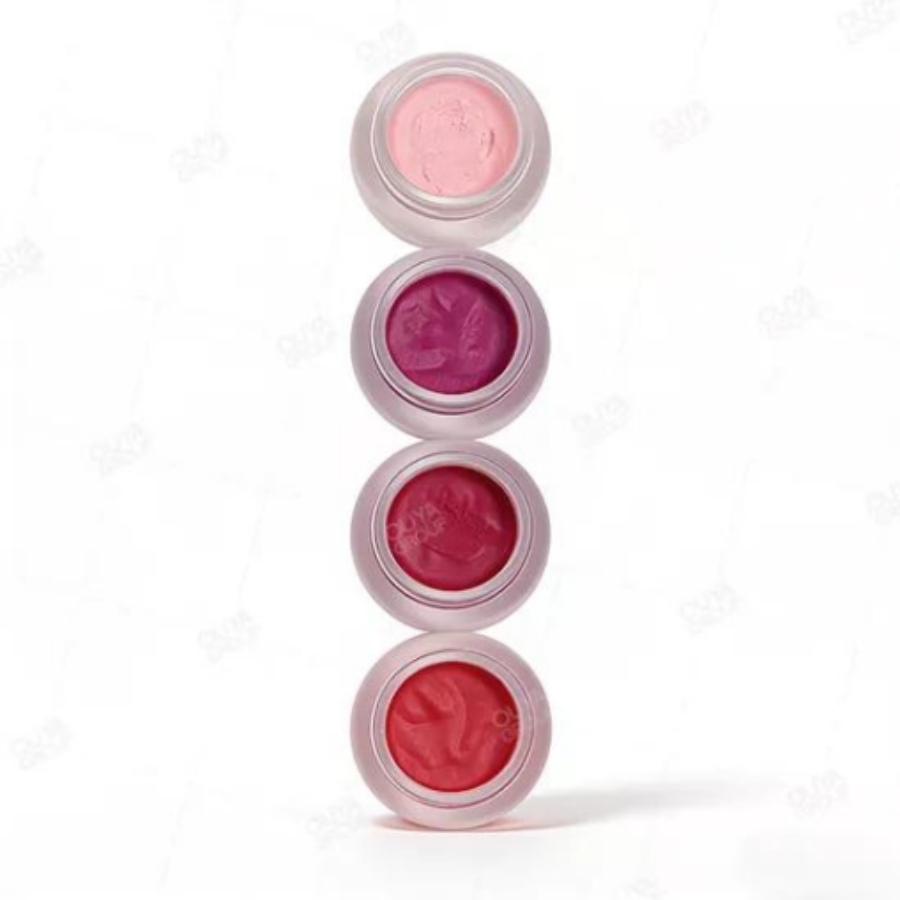
Fig 3: Private Label Soft Mist Dual Effect Lip and Cheek Balm (FBS0001-A12)
An equal-color comparison settles the format question
A fair test of liquid or powder blush for oily skin needs a similar starting brightness. A sheer wash of color and a heavy spot are not equal tests. Matching the visible flush at the beginning makes later photos much easier to judge.
| What happens during wear | Pregunta a resolver | Implication for selection |
| The color fades in an even way | Does enough of the target flush stay? | Check color hold at an equal starting brightness |
| One spot turns much darker | Is the color moving around? | Check local buildup and how touch-ups work |
| The base makeup lifts during blending | Does the rubbing ruin the layer below? | Test a smaller amount and a matching base |
| The color stays smooth but looks shinier | Does the finish still fit the product claim? | Judge the shine apart from the color |
These notes give a cream blush vs powder blush for oily skin test a real focus. The result offers a strong reason to pick one formula for a specific effect. It does not mean one entire category always wins.
Three steady habits improve this test:
- Keep the base makeup routine the same for every test.
- Take photos of the face in the exact same light at set times.
- Record touch-ups separately from the untouched wear results.
One clear role for the chosen texture
A store collection is easier to sell when each blush has a clear job. A powder might suit a softly matte, slowly buildable flush. A cream might fit a smoother blending process with a soft-matte final look. The product claims must match what the chosen samples actually do.
The decision about cream or powder blush also benefits from control in the launch line. Two textures earn separate spots when they give clearly different results. Two very similar claims leave sales staff talking about packaging. They fail to offer a strong reason to buy.
Color remains a major part of the choice. But it does not replace the texture check. A pretty shade that gets blotchy ruins the planned claim. A steady finish in an unflattering shade also fails the mission. Test the chosen texture again in the final launch colors. Do this before finishing the lineup.
The right blush keeps the intended flush believable
An oily-skin blush line works well when the pigment stays smooth. The final look must also meet its claim. Test powder and cream using that exact standard. Use a similar starting color and a normal way to apply it. The final choice will have a strong reason behind it. The brand message will become much easier to share.
For help creating a blush texture around your collection’s desired look, please Contacta con nosotros.
Preguntas frecuentes
Is powder always the better option for oily skin?
No. Powder is a good pick for a less shiny finish. But the chosen formula still needs a wear test. The format alone does not promise lasting color or a smooth look.
Is every cream blush dewy?
No. Cream formulas offer different final looks. This includes a soft matte finish. You must judge the result after blending and during wear. Do not just guess based on how it feels in the jar.
Why does blush turn patchy over a base?
Many details need checking. These include the amount used, the blending force, and the base layer. Changing one detail at a time makes the cause of the patchiness easier to find.
Is strong pigment enough for longer wear?
Bold starting color does not guarantee long wear. You must test samples at a similar visible brightness. After that, check how smoothly that color stays as time passes.
What matters most in a retail demonstration?
Show the amount that builds the promised flush. Show how it layers. A normal demo gives staff a reliable story. It also sets a more accurate expectation for the final look.