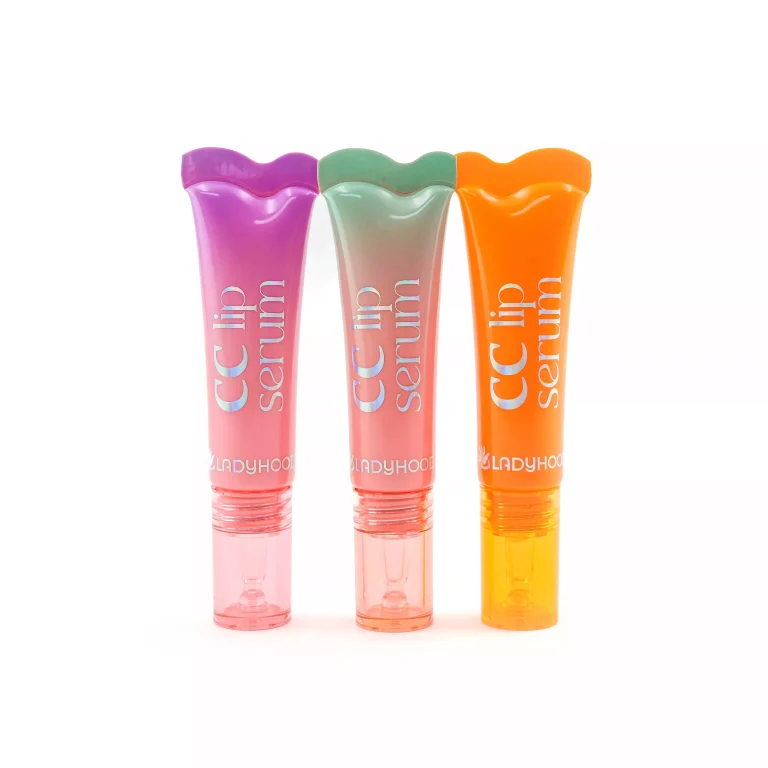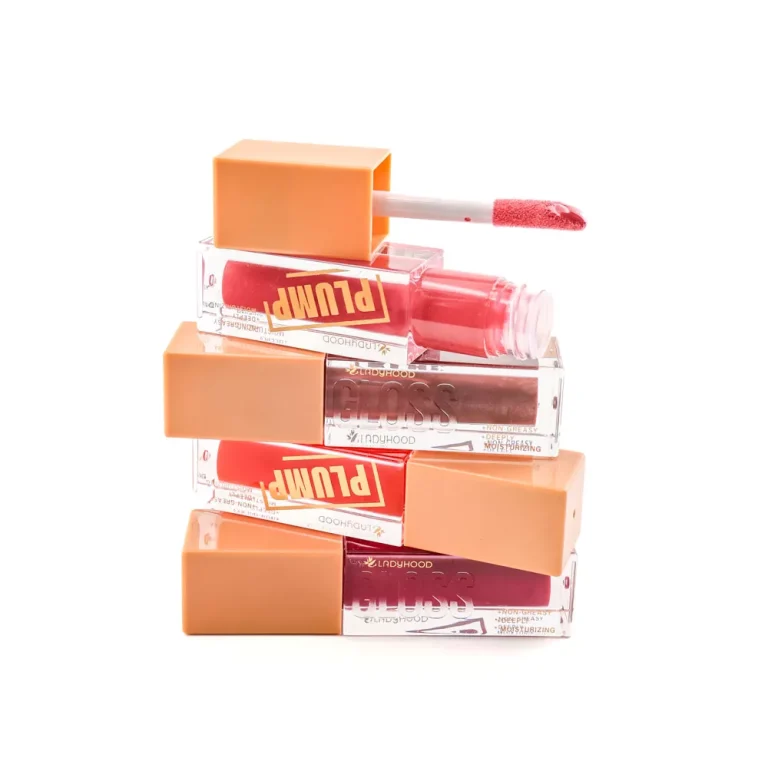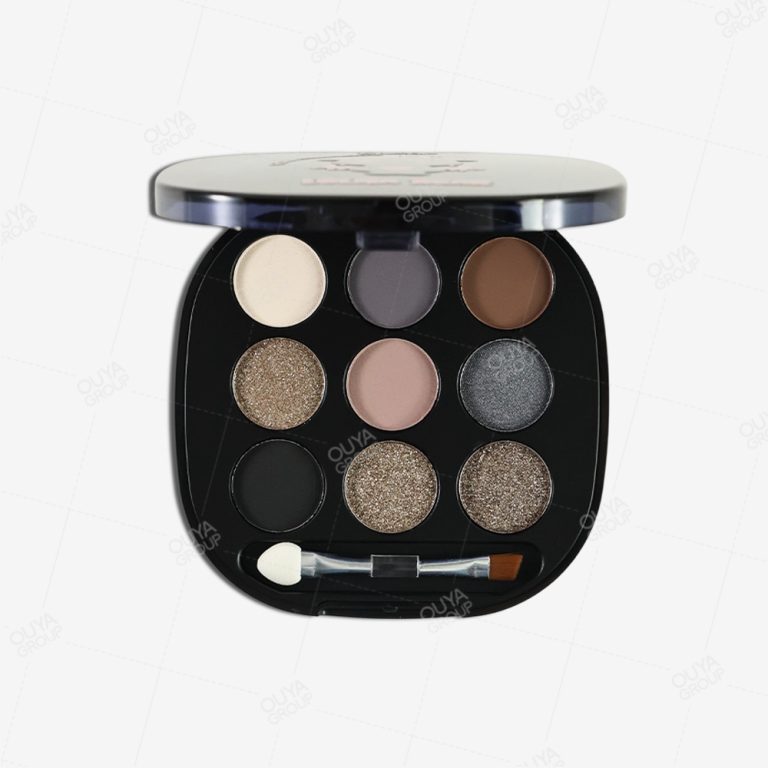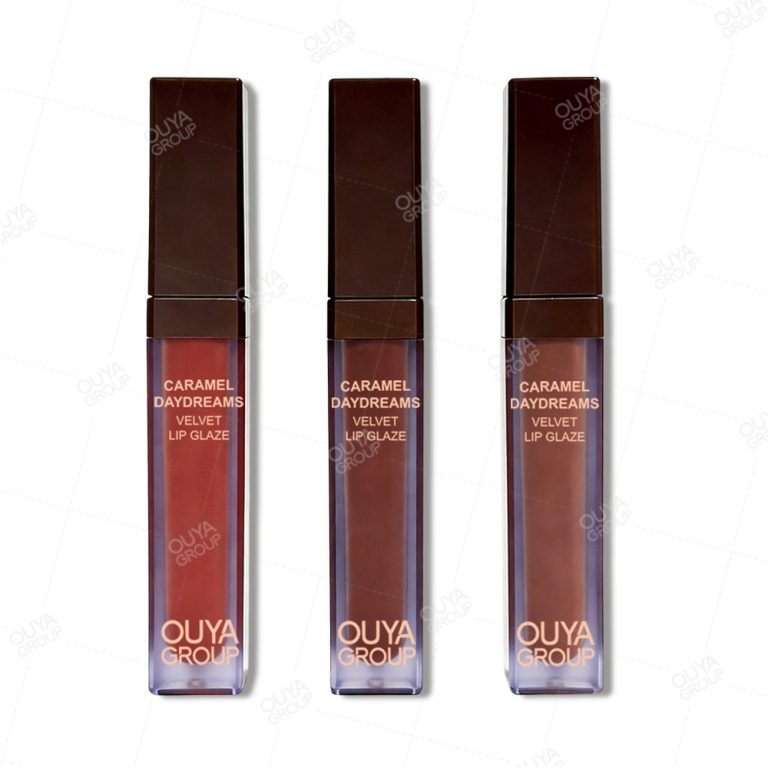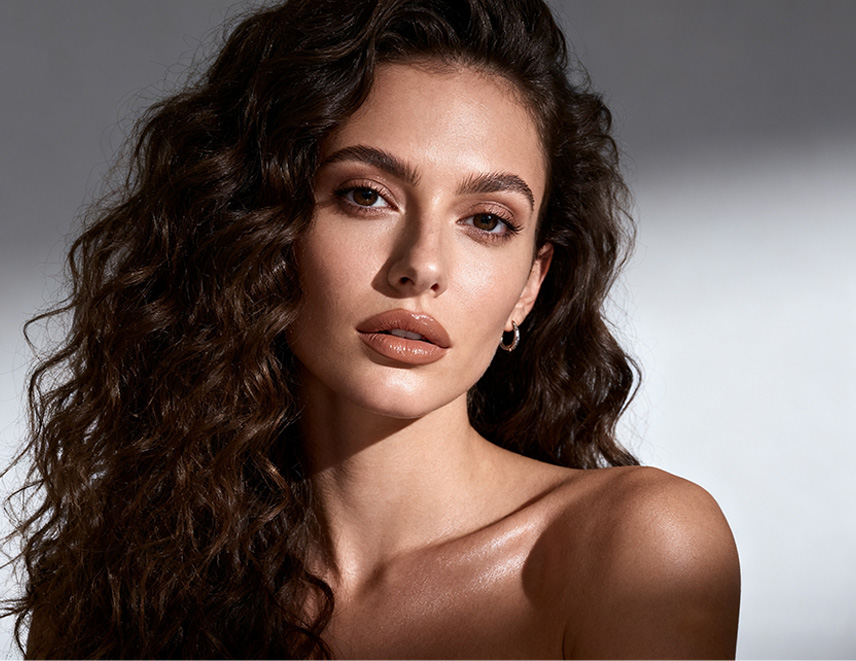
Why do food-inspired lip colors keep selling? The flavor, the shade, the tube – each element catches consumers’ attention on retail shelves. But lips are a punishing place to prove a concept. A good OEM brief keeps flavor in its proper lane: a cosmetic-use input, never a cute extra tacked on at the end.
Food Inspiration Is a Lip Safety Question
A candy or soda idea is a heavier lift than a plain color brief, because the scent lands close to the mouth. A playful concept cannot just walk onto the shelf. First the team locks in an approved flavor direction, gets the colorants checked, and hammers out stability.
OUYA BEAUTY has run food IP beauty OEM across beverage, candy, and biscuit ideas – lip gloss, lipstick, cushion, palette. That background helps a marca privada cosméticos ODM projects tie branding to practical safety check protocols.
Flavor material
Flavor wants cosmetic suitability, a traceable supplier, and a real lip-use review. A cola, fruit, or chocolate note sounds simple. It is not. Every aroma has to survive oil, wax, pigment, and packaging – and keep surviving, month after month.
The scent needs a ceiling, too. Best case: it lands on the first swipe, then backs off fast enough for daily wear. Push a dessert note too hard and it gets tiresome before the second application.
Color material
Color material gets its own use-area call. A pigment that is fine on the cheek is not automatically fine on the lip. The formula has to pick colors that fit the target market and the finished format.
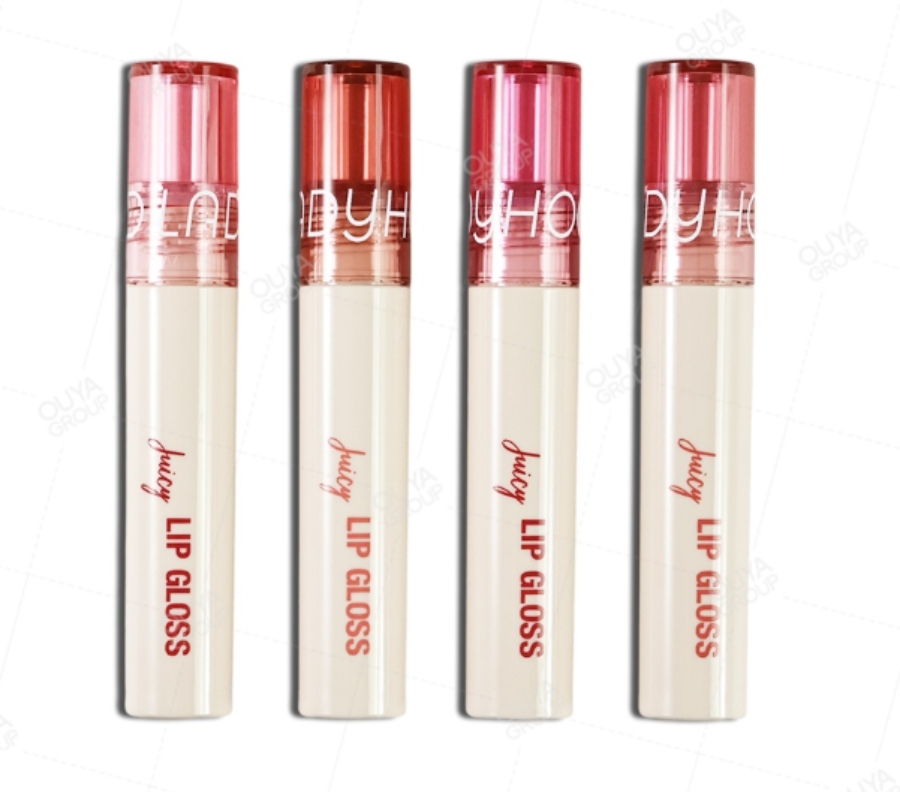
Fig.1 Custom-Made Hydrating High-Shine Lip Gloss (LGM0001-A05)
The Product Format Changes the Risk
Each format pressures the formula differently. A glossy oil phase puts flavor diffusion up front. A stick leans on wax stability. A balm leans on wear comfort.
| Lip format | Flavor concern | Retail control point |
| Lip gloss | Aroma lift and oil compatibility | Check separation, gloss clarity, and scent strength |
| Lápiz labial | Wax stability and pigment load | Check sweating, payoff, and feathering |
| Lip balm | Daily comfort and fragrance softness | Check melt point, glide, and lip feel |
| Lip mud | Matte feel with nourishing oils | Check dryness, staining, and even fade |
A custom lipgloss project wants the straightest balance you can get among shine, scent, and comfort. The formula has to show a real retail effect – without going sticky, and without going too far.
Packaging compatibility belongs in the same call. Flavor materials can go badly with wipers, caps, labels, or decorative coatings. A short stability plan protects the shine and the food-inspired look in one move.
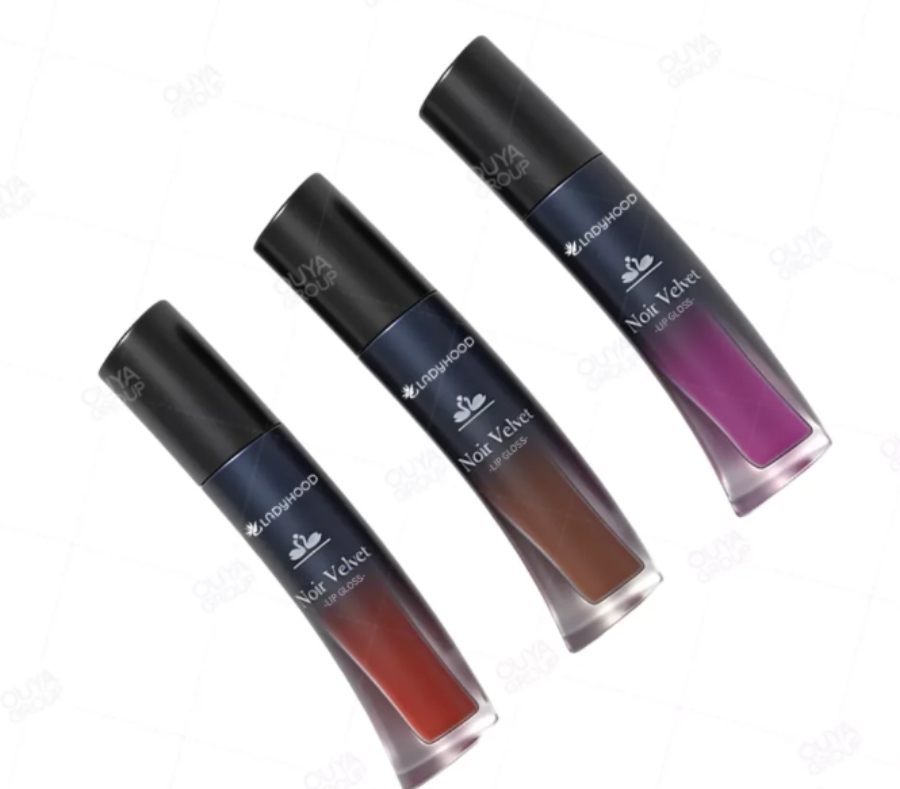
Fig.2 Customizable Matte Velvet Long-Wear Lip Gloss (LG0001-A51)
A Better Food IP Brief Avoids Gimmicks
A strong food IP brief turns a famous flavor into something people actually wear, not a costume bit. The shade story, the scent level, the applicator, the carton copy – all of it has to land as one lip experience.
- State the taste-inspired direction plainly. Never hint that the product is edible.
- Set the target lip format, the shine level, the payoff, and how the wear should feel.
- Confirm the market needs for the EU, US, UK, or whichever region you are targeting.
- Leave real time for fragrance stability and compatibility checks.
OUYA BEAUTY takes on big retail and food IP briefs through beauty product catalog categories covering lip, face, eye, and kids makeup. When the first lip SKU takes off, that breadth makes it easy to carry the same IP into matched products.
Flavor strength wants a shelf test. A scent that reads fine in a lab jar can feel loud in a closed display. A better approval round checks the aroma at opening, right after application, and again after warm storage.
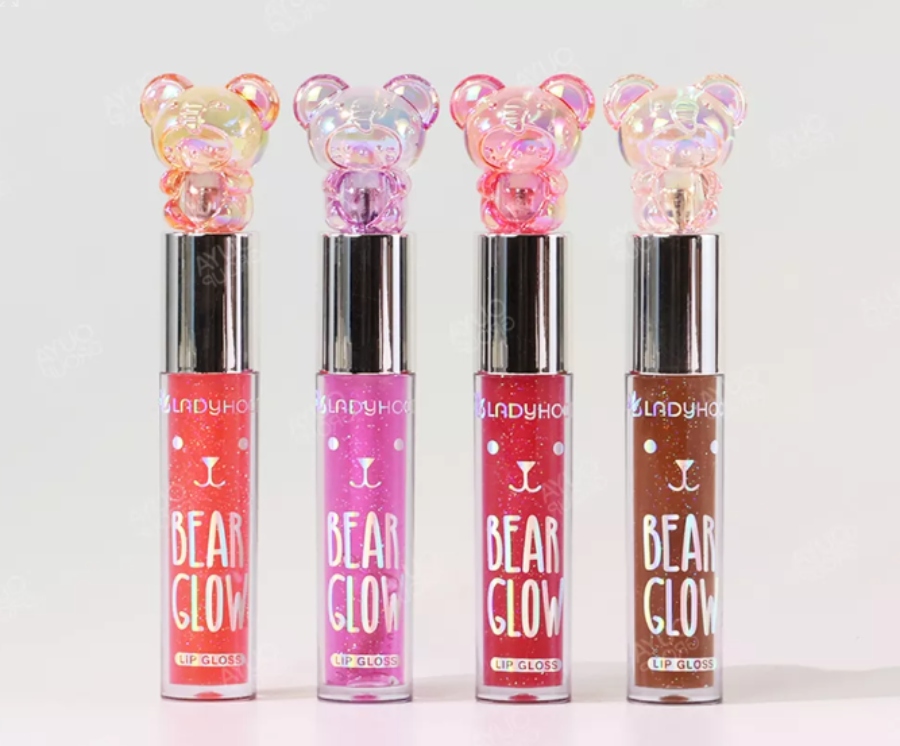
Fig.3 Cute Bear Sparkling Lip Gloss (LG0001-A43)
Compliance Needs Plain Retail Language
Compliance language matters. Food branding can blur what shoppers think they are buying. The copy has to keep the cosmetic purpose clear, especially when the concept leans on dessert, soda, fruit, or candy.
Timing goes better when artwork review starts early. Playful names, flavor cues, and food imagery all introduce claim related regulatory risk. When formula, artwork, and compliance move as one, the line dodges the late copy edits that wear down the concept.
A retained flavor standard keeps the project from drifting between sample rounds. The approval team holds a fixed reference – aroma strength, shade tone, gloss level, after-feel – while packaging work keeps going.
Retail copy needs the same restraint as the formula. Shade names can play. Claims should not; they stay on color, shine, comfort, and cosmetic use, never on taste or eating.
Label clarity
Label clarity protects the retail line by keeping the flavor impression separate from any edible meaning. Front panel, shade names, warnings – all of it should support beauty use without pointing at consumption.
Document readiness
Document readiness matters for Western distribution. Lip products often face tighter review on colorants, fragrance materials, and safety files. Dossier preparation will go smoothest if you start it during sample development.
Summary for Food Inspired Lip Products
Food flavor safety starts while the concept is still a mood board. A dependable lip product ties the brand theme to an approved flavor direction, to lip-use color choices, and to stable packaging – then checks that each claim reads clean in retail language.
For a new line, send everything together: the flavor family, target market, lip format, scent level, shade references, and artwork direction. That keeps lab and compliance review pointing the same way.
Preguntas frecuentes
Is food flavor the same as edible flavor?
No. A lip product can use a food-inspired aroma, but the finished product stays a cosmetic. The formula, the label, and the safety file all have to back cosmetic use only.
Why are lip colorants reviewed carefully?
Lip products sit near the mouth, and each market allows only a narrow set of color choices. Colorant review cuts the odds of a shade that looks great and still fails the use-area review.
Which lip format fits a food IP launch first?
Lip gloss often gives the loudest visual and scent signal. Balm leans to daily care, lipstick to color payoff. Which format leads depends on the brand story and the price point.
Which keywords guided this lip product topic?
The keyword families behind this topic: custom lipgloss, private label lipstick, custom lipstick, custom lip balm, cosmetics contract manufacturing, and private label cosmetics ODM.
What samples help approval move faster?
Useful samples include shade references, scent references, packaging drawings, the target texture, the claim language, and the region where the product will sell.