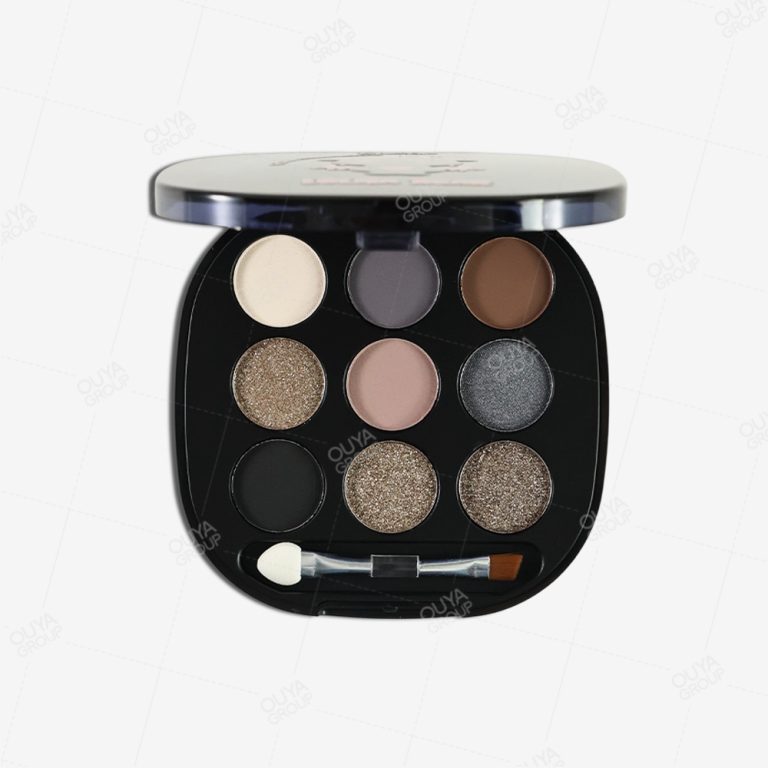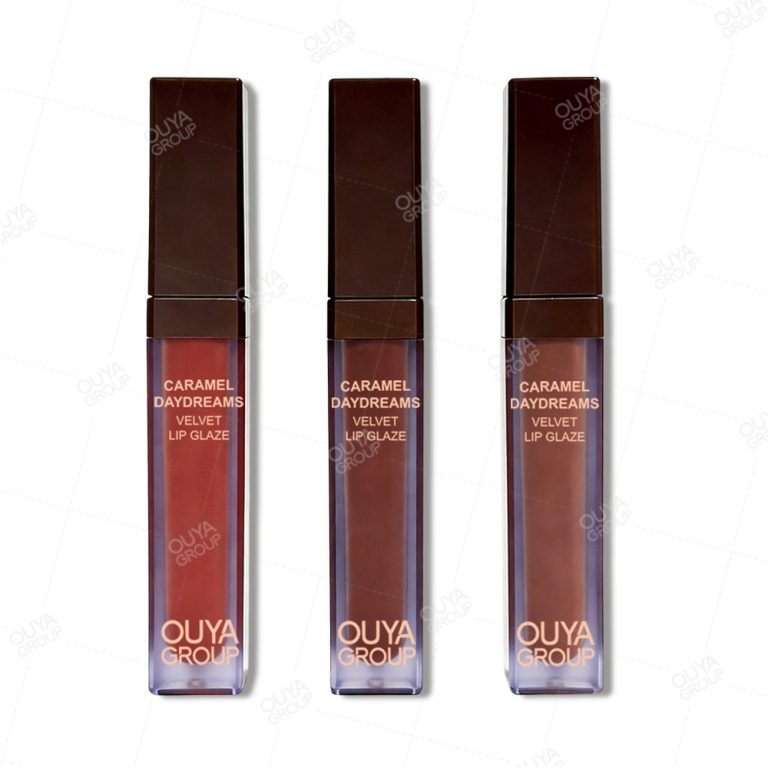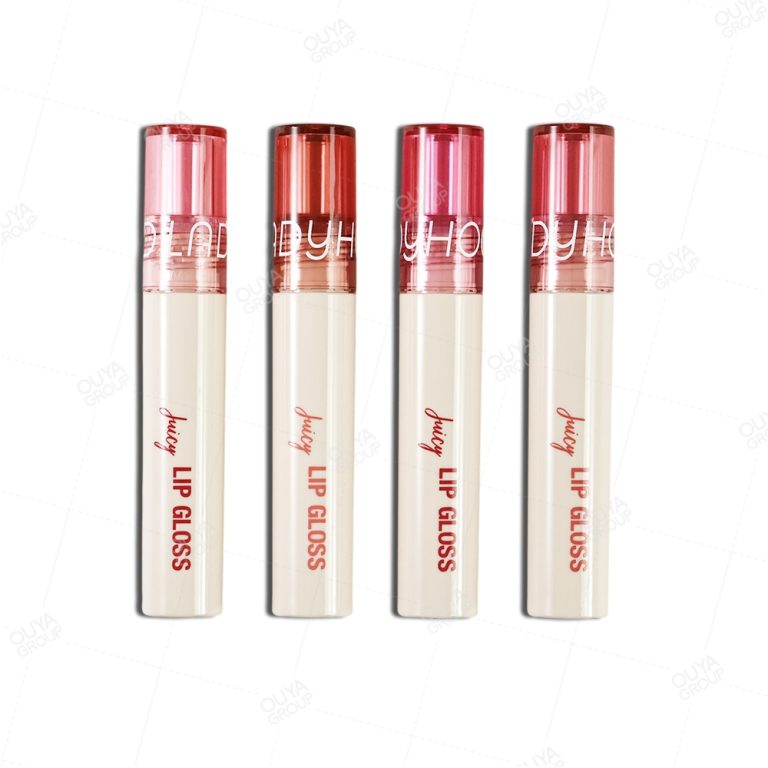
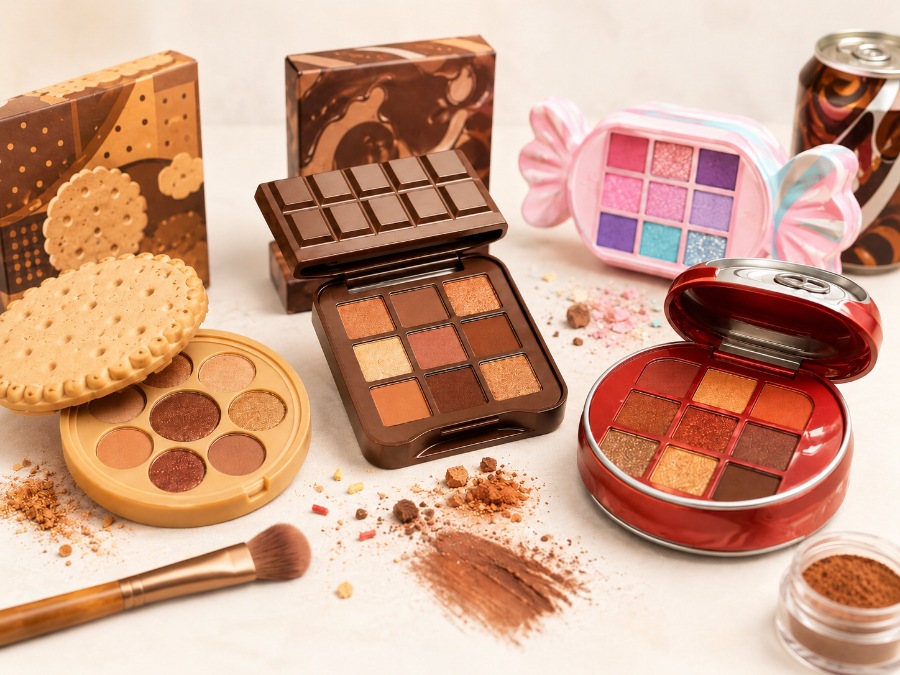
A cookie-shaped palette or soda-inspired color story can win attention fast, but attention is only the first test. For retailers, a food-IP eyeshadow project has to translate flavor memory into safe eye-area color, durable packaging, and repeatable production without confusing the shopper or the licensing partner.
The IP Cue Should Lead to a Real Makeup Story
Food IP works in beauty when the familiar cue makes the shade range easier to remember. Chocolate, cola, candy, and biscuit ideas can suggest browns, creams, pastels, brights, shimmer toppers, or playful case shapes. The palette still needs a wearable color system after the first photo.
A private label eyeshadow palette brief should separate visual theater from application value. If every pan is chosen only because it copies a package color, the palette may look clever but wear poorly. A stronger range balances base shades, depth shades, accents, and one or two memorable sparkle moments.
Recognition should not flatten the shade range
A licensed concept can become too literal when every shade follows the same brown, red, or blue family. Retail buyers should ask which colors create daily looks, which colors create social impact, and which shades only support the IP story.
Texture should support the theme
Baked powder, smooth matte, satin, and glitter textures can make the palette feel richer than printed artwork alone. The texture plan should match the theme, but it must also meet fallout, payoff, and eye-area comfort expectations.
| IP direction | Makeup translation | Development risk |
| Beverage cue | Cola browns, metallic caps, glossy carton color | Too much packaging focus, weak shade use |
| Candy cue | Bright accent shades and sweet pastels | Staining, fallout, and childish positioning |
| Biscuit cue | Cream, cocoa, black, and shimmer contrast | Literal colors with limited wearable depth |
Licensing Discipline Reduces Late Rework
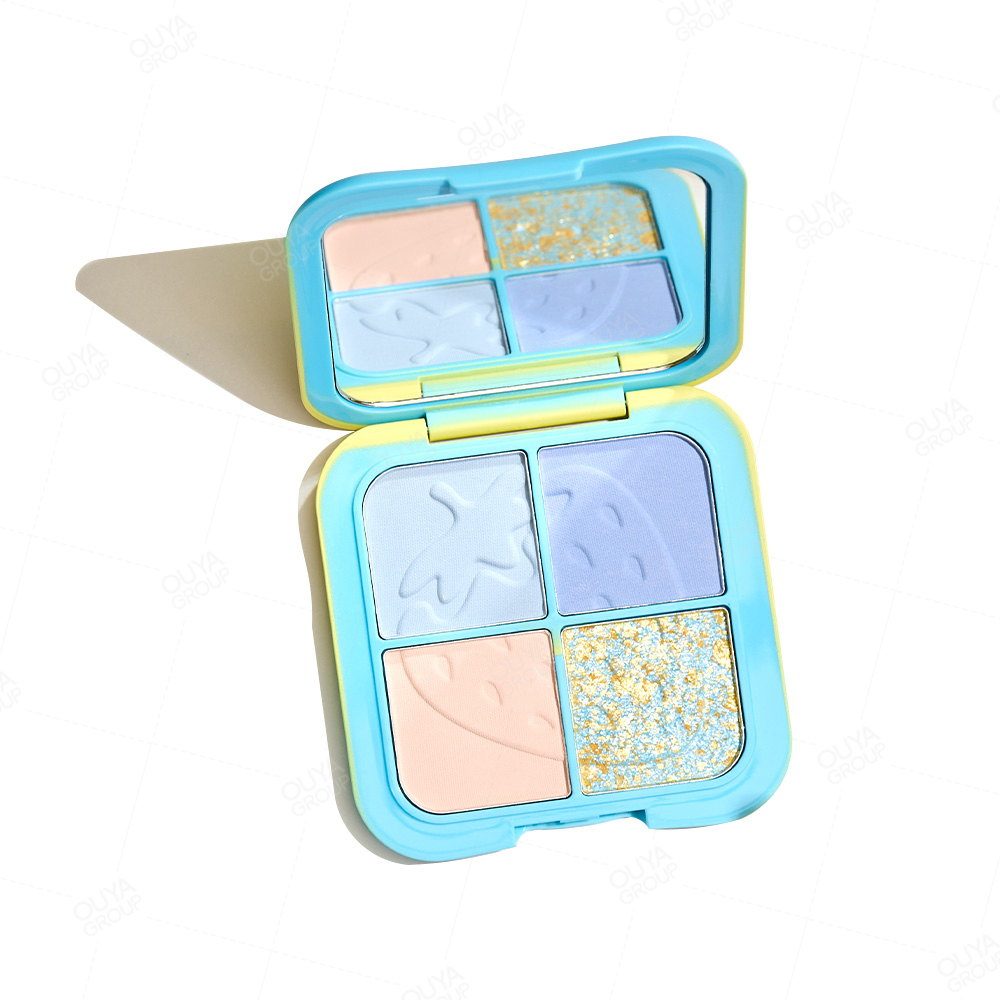
A food-IP project often fails late because the brand story, formula, and package shape move at different speeds. A custom eyeshadow palette with logo placement needs art approval, color matching, tooling checks, and carton review before mass production. The licensing review should not wait until the palette is finished.
OUYA BELEZA has food-IP beauty OEM experience, including authorized Pepsi cosmetic production for the U.S. market and retail-channel export experience. That background is useful when a licensing idea needs packaging design, color reproduction, fragrance direction where appropriate, compliance review, and delivery planning.
A logo is only one approval point
Custom eyeshadow palette manufacturers and eyeshadow palette manufacturers should also think about color ownership, shape similarity, ingredient safety, artwork files, and case durability. The goal is to protect the brand code without copying a food product so literally that the cosmetic loses clarity.
Tooling choices affect the launch calendar
A biscuit-shaped or planet-inspired compact can create social lift, but tooling time changes the calendar. Buyers should decide early whether the hero value comes from pan embossing, outer case shape, mirror art, carton graphics, or a full custom mold.
Eye Safety Has to Stay Visible in Development
Eye-area products need a stricter review than many face or lip items because the product sits close to the eye. Color additive acceptability, microbial quality, heavy metal controls, and fallout checks become practical retail concerns. Sparkle looks exciting only when the user does not feel grit or irritation.
OUYA BELEZA supports the eyeshadow manufacturing process through 100k-class clean rooms, ISO22716 and GMPC-aligned controls, and third-party testing routes such as SGS, BV, or ITS when required by the project. These checks help turn a viral idea into a product retailers can review seriously.
The pre-production review should include:
- Pressed-powder adhesion, pan breakage, fallout, and one-swipe payoff.
- Shade matching against the licensed color direction and approved artwork.
- Label, ingredient, and target-market document review before shipment.
Retail Copy Should Keep the Food Cue Cosmetic
Retail copy should make the food cue feel playful without making the product sound edible. That line matters for eyeshadow, because sweet colors and dessert packaging can invite the wrong expectation. A careful product page can describe cocoa-inspired browns, candy brights, or cookie contrast while keeping the use clearly cosmetic.
The same discipline helps store staff and creators explain the item. A palette may be inspired by a familiar snack world, but the message should focus on shade payoff, blend, compact design, and safe eye-area use. That keeps novelty from becoming confusion.
Scale Planning Matters Before the Concept Goes Viral
A food-IP item can move from sample excitement to urgent purchase orders quickly. The buyer needs a plan for carton counts, display trays, quality holds, raw-material supply, and shade repeatability before social demand arrives. A beautiful first sample is only useful if the factory can repeat it.
OUYA BELEZA‘s 78,000-square-meter production base, two modern GMPC-standard facilities, and R&D center above 1,000 square meters support larger retail planning. The point is not size for its own sake; it is the ability to keep color, package, and delivery decisions coordinated.
A Viral Palette Still Needs a Quiet Operating Backbone
The strongest food-IP eyeshadow palette uses novelty as the entry point and product discipline as the reason to buy again. Buyers should lock the theme, shade system, eye-area checks, artwork route, and tooling schedule before expanding the story. That keeps the project exciting without making it unstable.
For a licensed or food-inspired eye makeup project, OUYA BELEZA can help compare color stories, case structure, sample timing, compliance needs, and low MOQ or scaled order paths. To review the concept route, talk with OUYA BEAUTY with the target IP cue and launch market.
Preguntas frecuentes
What makes a food-IP eyeshadow palette work?
It needs recognizable design, wearable shades, safe eye-area ingredients, and repeatable production.
Can a custom eyeshadow palette use food scents?
Only when the fragrance plan is appropriate for cosmetics and the target market review supports it.
Why does eyeshadow manufacturing process control matter?
It protects shade consistency, pan strength, fallout performance, and microbial quality during scale-up.
Are glitter shades suitable for licensed palettes?
They can be, when sparkle size, adhesion, fallout, and eye-area comfort are checked.
What should buyers confirm before tooling?
They should confirm artwork rights, case shape, pan layout, shade list, testing, and timeline.