Eyeshadow sits on a very delicate facial zone. Consumers frequently apply it using makeup brushes. These tools move constantly between various colors, the user’s skin, and the cosmetic pan. Due to this daily routine, cosmetic brands must pick color ingredients with great care. They must also prevent product contamination. Furthermore, they need to keep detailed records of the finished items. These actions are crucial for launching any successful private label line. This article highlights essential manufacturing procedures. These steps help business teams assess eye safety accurately. Consequently, they do not have to depend solely on a simple stack of certificates.
Eye safety starts before the palette is pressed
A strong eyeshadow safety strategy begins very early. It starts exactly at the initial formula planning stage. It also relies heavily on how customers will utilize each distinct color. Finishes like shimmer, matte, glitter, pressed, baked, and cream usually need completely different raw ingredients. They also perform differently when applied. Initially, your development group must outline the precise intended use around the eyes. You must also pinpoint the intended sales regions and the overall number of colors. Moreover, you need to determine if scent will be added and choose the packaging decoration style. You must complete all these tasks before selecting a laboratory testing route.
Questions that shape the risk review
· Is every single pigment and special effect ingredient legally permitted for use near the eyes? You must verify this detail for your intended sales region.
· Does the proposed mixture include loose powder bits or extra scent? It might also feature unique visual effects. If so, these components demand additional safety checks.
· How exactly will your production facility manage the filling, pressing, and sanitation tasks? These everyday operations must actively shield the completed palette from any accidental contamination.
These fundamental questions transform a general safety pledge into a well-defined, trackable strategy. They also assist cosmetic companies in distinguishing a specialized eye cosmetic from a regular face powder product. The physical area of application is extremely important. Additionally, the way consumers apply the makeup strongly dictates the type of safety proof you must gather.
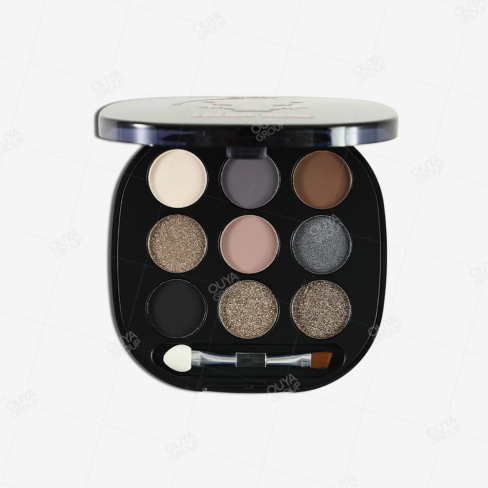
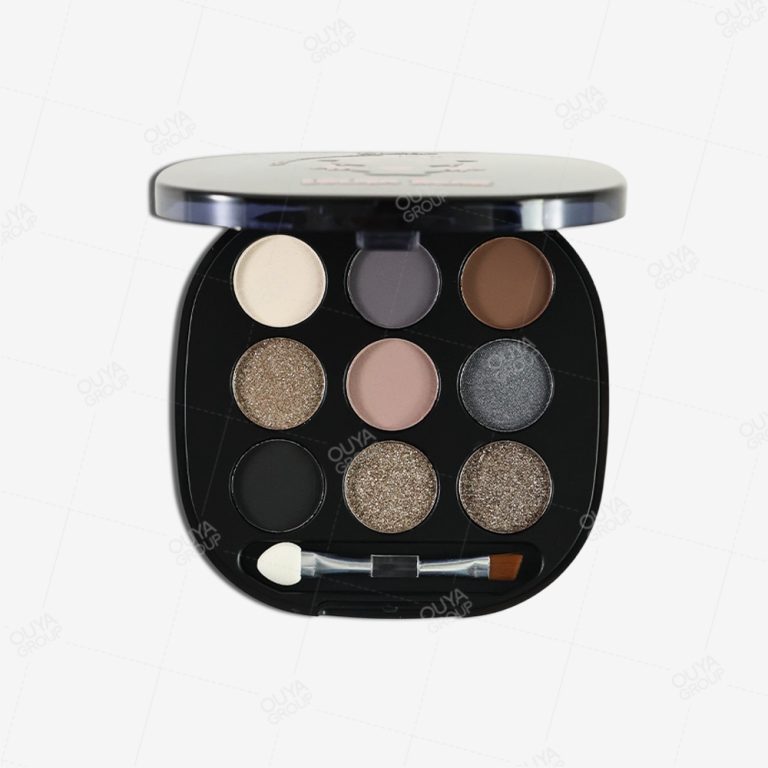
Fig 1: Customizable Lolita Bear 9-Color Eyeshadow Palette ( EP02124124)
Microbial control covers the whole production route
Manufacturing plants handle bacteria risks through various methods. They check the quality of incoming ingredients and regulate the water supply. They also mandate rigorous machine sanitation and keep the surrounding environment very clean. Employee hygiene habits, the powder filling procedures, and the ultimate product evaluations are just as crucial. A solid pressed powder holds a completely different hydration level when matched against a cream-based shadow. Yet, both makeup styles still require a transparent manufacturing workflow and rigid approval standards. Thorough documentation significantly enhances the review of the eyeshadow manufacturing steps. This fact becomes especially apparent when a brand transitions from initial prototypes to massive, recurring production runs.
The control chain needs to be visible
A robust tracking system links the finalized recipe straight to the factory batch log. It also connects to the sanitation reports and regular mid-production inspections. Ultimately, it joins with the packaging assembly line and the final laboratory outcome. Numerous palettes hold several different makeup pans. In such situations, the manufacturing log must clearly display how the facility keeps the colors apart. It should also specify the exact filling sequence to avoid expensive errors. This particular step is incredibly significant for eyeshadow palette projects that include a variety of different textures.
OUYA’s facility data emphasizes its 100,000-grade purified production rooms. It also outlines their strict GMPC and ISO 22716 operational frameworks. Additionally, they utilize reliable independent laboratories to test for bacteria and harmful heavy metals. These robust features establish a strictly monitored workspace. Yet, the completed cosmetic item still needs precise documentation. This evidence must correspond to the selected recipe and the specific color layout. It must also match the ultimate container design and your intended consumer base.
| Stage | Evidence to review | Typical failure avoided |
|---|---|---|
| Formula approval | Exact ingredient identity and intended eye-area use | Using a material that is unfit for the target area |
| Production hygiene | Factory cleaning, environmental, and worker records | Unwanted contamination during the processing stage |
| Shade control | Detailed pan map, filling order, and visual checks | Mixing up shades or applying the wrong label |
| Finished release | Final microbial and heavy metal test results | Releasing batches without sufficient supporting evidence |
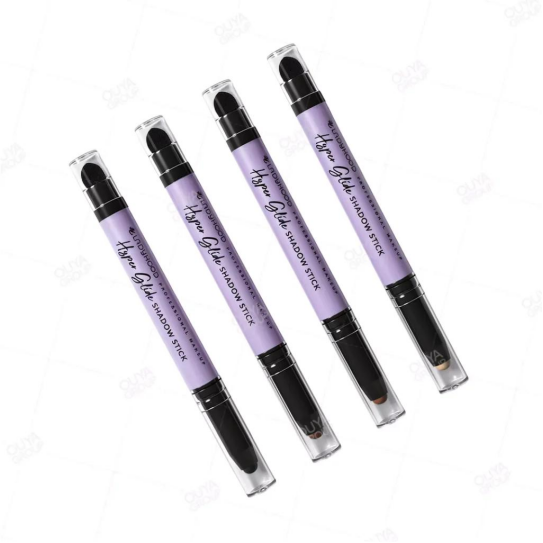
Fig 2: HyperGlide Shadow Stick (ES0001-A03)
Heavy metal review needs shade-level discipline
Managing heavy metal levels demands meticulous effort. You cannot resolve this issue by checking merely one simple pigment. You also cannot use that lone finding to represent the whole product. Various colorant groups and sparkling ingredients are used in cosmetics. The amounts used also fluctuate significantly. Consequently, every single color requires an in-depth examination. A custom eyeshadow palette proposal must explicitly list the entire color collection. It must point out the blend of textures and any unique visual additions. You must also establish the intended application style before you confirm the laboratory evaluation strategy.
The chosen examination technique and the resulting document are extremely important. Project teams must understand precisely what the evaluation includes. It could analyze the unmixed ingredients, the completed makeup, or both items. They also must understand the exact procedure implemented by the lab. Additionally, they need to observe how the ultimate finding relates to the actual factory batch. Thorough record-keeping enables a much more secure product approval choice. This approach is far superior to a generic declaration stating that the product simply meets regulations.
Package design affects safe use
The layout of the palette directly influences the chances of contamination. Important elements involve the depth of the makeup pan and the type of lid closure. The position of the mirror and the storage spot for the brush also have significant impacts. Ultimately, consumers must be able to wipe the area around the makeup easily. An attractive design is pleasant, but it still requires very secure makeup pans. It needs regulated transfer of the powder and highly resilient outer decoration. Above all, it requires a secure, tight seal. This seal guards the fragile cosmetics during turbulent transit and daily usage.
OUYA’s Galaxy Planet Eyeshadow Palette incorporates sophisticated baked powder methods. It provides a highly smooth consistency and a neat application with minimal powder drop. For any personalized creation, these functional characteristics must coordinate flawlessly with the physical shape of the container. They must also correspond to the finalized design idea. A distinctive product secures dedicated, continuous usage. This outcome occurs when the cosmetic experience remains hygienic, highly smooth to blend, and completely reliable. These same evaluations also guarantee consistent color transfer onto the brush. They verify the longevity of the outer design and permit much smoother handling in retail stores.
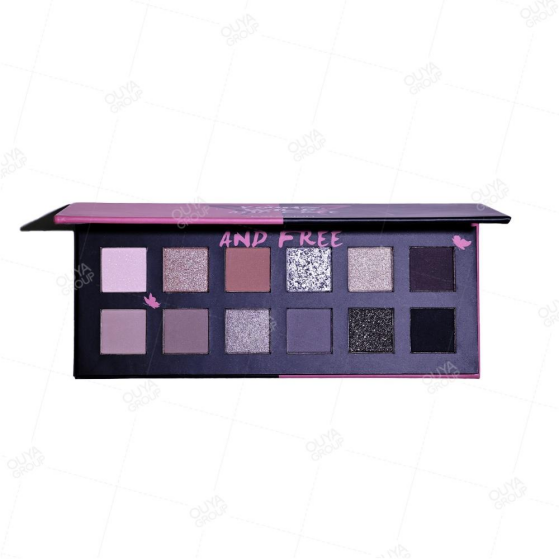
Fig 3: Professional Custom Label Black Cool Butterfly Eyeshadow Palette (EP02178178)
Documentation turns testing into a launch decision
A completely prepared commercial dossier must link many distinct components. It connects the raw material list to the color layout plan. It also contains the precise recipe iteration and the overall safety evaluation. You must include the laboratory findings for bacteria and heavy metals. The suitability of the container, the marketing promises, the finalized graphic designs, and the factory production logs are also crucial. Initiatives aimed at the US and EU require even more effort. They necessitate a very distinct examination of regional legal duties. They also demand precise contact details of the responsible entity for the completed cosmetic item.
OUYA delivers robust assistance for FDA and EU cosmetic regulations. They aid with the required legal paperwork and the creation of initial prototypes. They also manage the laboratory evaluations, large-scale manufacturing, and efficient international delivery. For a genuine product launch, however, the cosmetic company still requires solid verification. You must verify that the chosen colors and the container are completely approved. The marketing promises and the intended sales regions must also clear the evaluation process. A private label eyeshadow palette initiative frequently begins with a small-scale trial run. This kind of initial test gains immense value from a comprehensive examination. You ought to complete this step before you finalize the entire color assortment.
Eye-safe design supports commercial confidence
The primary actionable takeaway is straightforward. Cosmetic safety functions as an unbroken sequence of events. It is never merely one single laboratory finding. You must verify the correct appropriateness of ingredients and maintain rigorous factory cleanliness. You also require a meticulous examination of heavy metals for each individual color. Secure packaging and highly trackable production logs are also essential. All these elements build toward a highly trustworthy cosmetic release. OUYA provides a comprehensive examination of these exact details. They perform this service alongside the review of the recipe and the product proposal. You can contact OUYA now. They will eagerly supply a tailored, project-focused safety evaluation.
FAQ
Does every eyeshadow shade need a separate test?
Your specific testing strategy relies heavily on the exact color collection. It depends on the types of colorants used and their amounts. Regional legal demands also have a massive impact. The engineering group must carefully outline the appropriate testing scope. They must also detail any mandatory evaluations for specific individual colors.
Why are microbial controls relevant to pressed powder?
The moisture-free item still interacts with numerous raw ingredients and intricate machinery. It undergoes compaction, packaging, and extended warehouse storage. Factory employees also touch it multiple times. Due to this process, rigorous cleanliness and regular approval tests stay essential. They form a fundamental piece of ethical cosmetic production.
What makes glitter different from shimmer?
The actual physical piece, its dimension, and its form usually vary significantly. The planned application area might also differ. A comprehensive examination of the recipe and the sales region is required. This assessment must verify complete safety for the sensitive skin around the eyes. It must also examine the exact phrasing utilized in your marketing materials.
What package details affect eye safety?
Numerous container features are important. Proper lid security and firm attachment of the makeup pan are vital. Hygienic brush storage and regulated powder transfer also assist greatly. Lastly, intelligent mirror positioning and simple access for wiping directly impact safe daily usage by the consumer.
What belongs in an eyeshadow development brief?
You ought to consistently incorporate the full color layout and the precise blend of textures. Outline the planned use around the eyes and your exact intended sales regions. Additionally, include the container idea, marketing statements, and the desired scent profile. Lastly, state the anticipated production quantity. Specify if you require a small-scale initial test or a comprehensive large-scale manufacturing strategy.