Fine-line creasing is rarely caused by one ingredient. It is the visible result of coverage, film flexibility, moisture balance, application load and the movement of the skin beneath the eye. A private-label team can reduce the risk by writing the brief around the finished use experience instead of asking a formula to deliver maximum coverage everywhere.
Define the eye-area problem precisely
An under eye concealer is working in a small, mobile area where a heavy layer can gather quickly. The brief should identify whether the buyer wants tone correction, spot coverage, brightening or all three. It should also state the intended finish and whether the product will be set with powder. Those choices determine how much flexibility the formula needs.
Searches such as is there a concealer that doesn’t settle to wrinkles? reflect a practical concern, not a request for a miracle claim. The useful product answer is a controlled combination of coverage and movement tolerance.
Coverage needs a stopping point
High pigment can shorten the distance between a smooth first swipe and a visible crease. Use a coverage ladder in sampling: sheer correction, buildable medium coverage and a targeted second layer. Compare the same amount on mature-skin panels or realistic skin texture, then record whether the product remains even after expression and ordinary wear.
Film flexibility matters under movement
Facial movements around the eye make the flexibility of concealer film particularly critical. Once formed, the concealer film should remain intact without cracking, yet avoid becoming rigid and tight. R&D teams need to simultaneously evaluate film flexibility, adhesion and drying-out speed. If it sets too fast, the product cannot be blended out properly; if it sets too slowly, the concealer tends to shift and smudge. The R&D team should document the workable blending window, single-application dosage, and the final finish after other makeup products are applied on top.
| Decision | What to test | Why it matters |
| Coverage | One swipe plus targeted build | Limits excess product in lines |
| Film | Blend window and movement | Balances adhesion with comfort |
| Finish | Set, un-set and photographed | Reveals texture under real light |
Use application design to protect the result
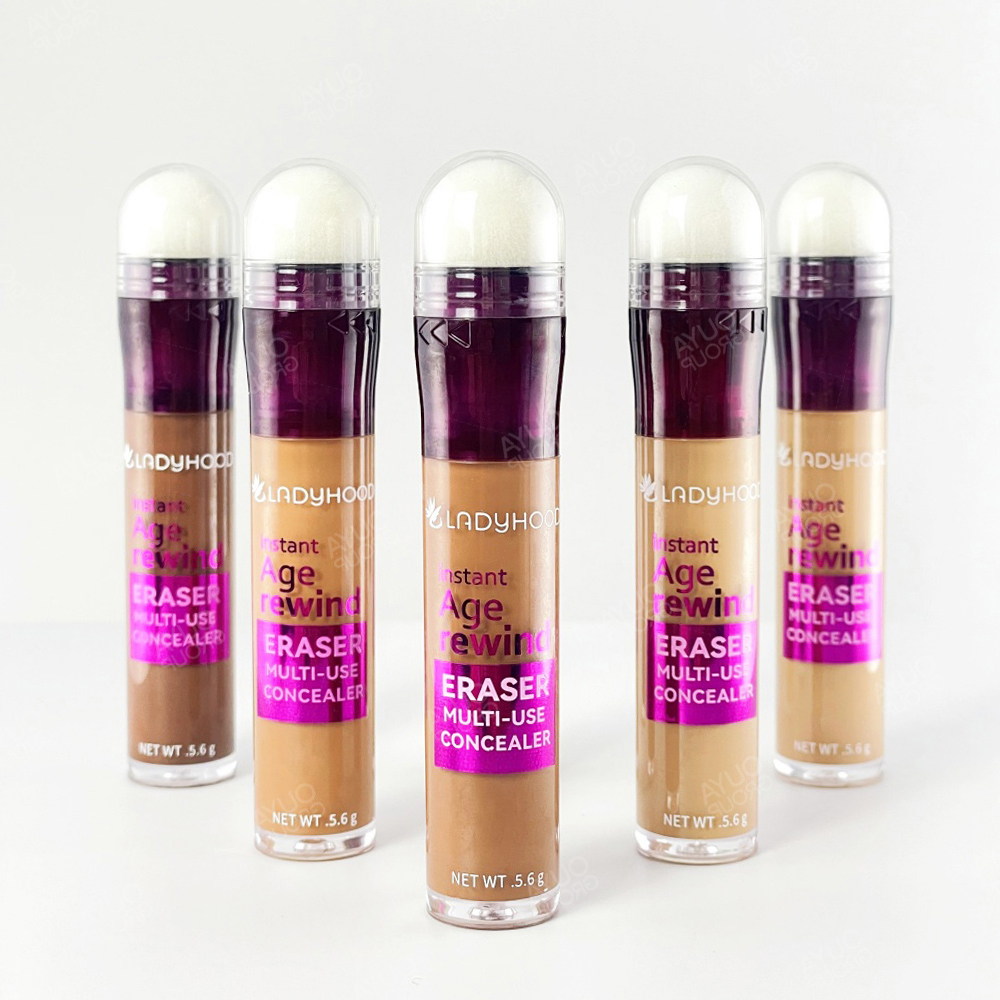
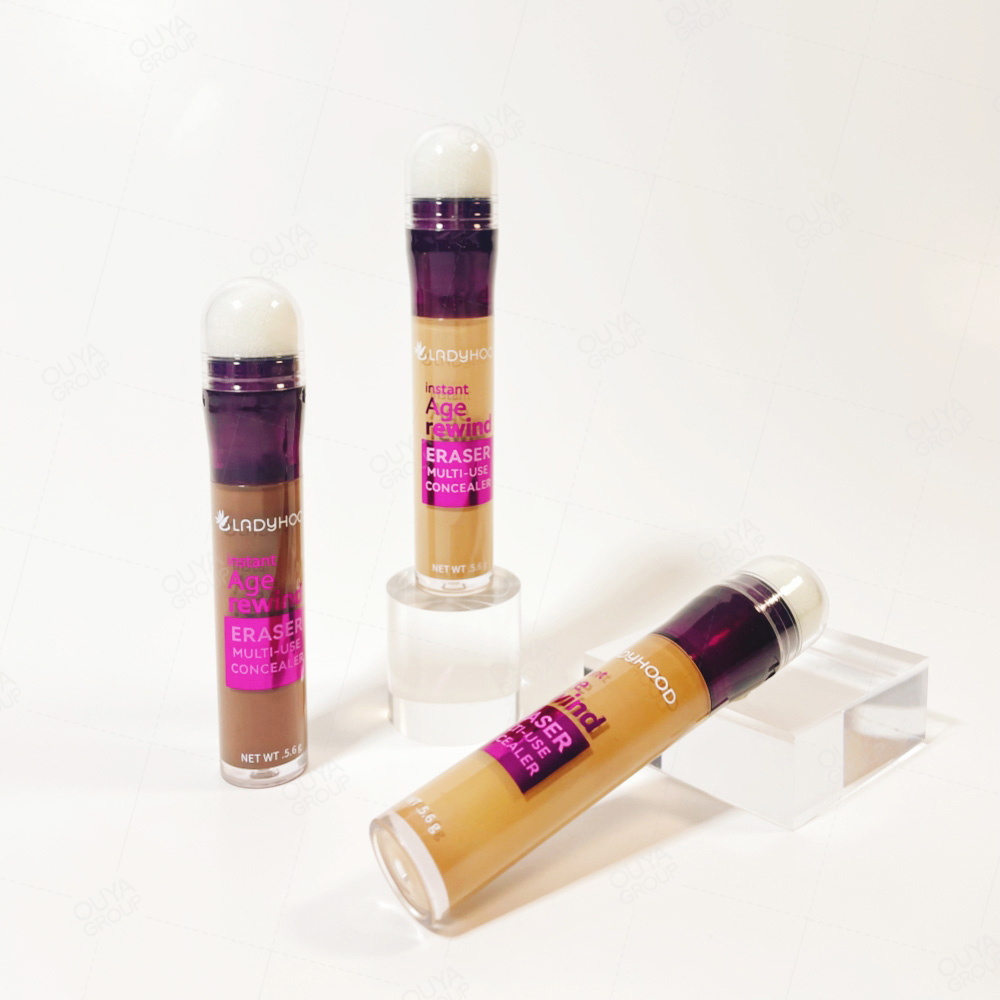
The applicator and dose can prevent a good formula from being overworked. A small doe-foot, precision tip or controlled pump may suit different coverage stories. Sampling should compare the amount delivered, the ease of tapping out edges and the result when the product is left alone rather than repeatedly rubbed.
OUYA BEAUTY‘s face product evidence includes a buildable cream foundation that aims to blur pores and fine lines without heavy layering, but those observations should not be transferred to a separate concealer formula. They are useful as a development principle: a smooth, buildable complexion product needs an explicit no-caking checkpoint.
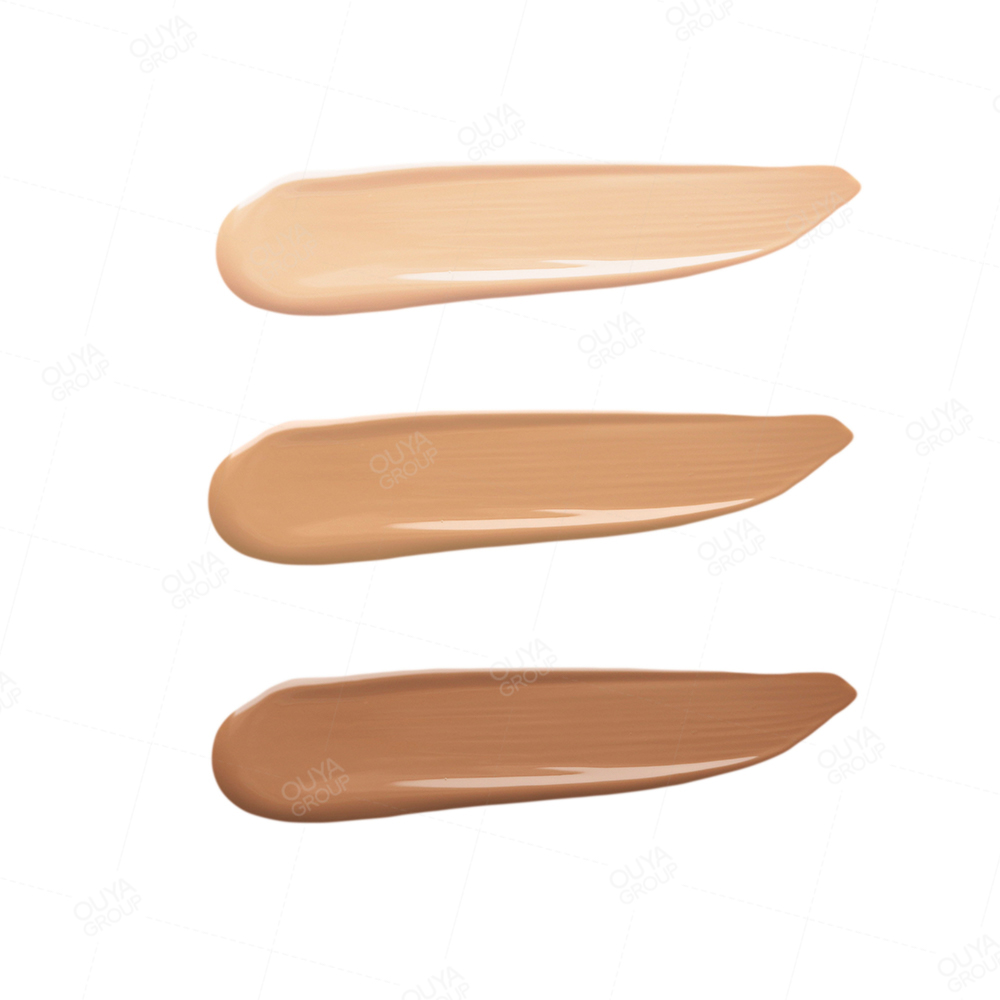
The shade plan should also separate correction from brightness. A single pale shade cannot solve every dark-circle tone without looking gray or over-light. Build a small, purposeful set and state how each shade is intended to be used. This makes the range easier for merchants and artists to explain.
- Test the formula under the same skincare and base conditions used in retail content.
- Record the amount, tool, dry-down time and whether powder is applied.
- Photograph movement and close-up texture, not only a fresh swatch.
A targeted concealer line can use those observations to separate shade design, coverage and finish instead of hiding all three behind one claim.
Check wear without chasing a perfect freeze-frame
Creasing should be evaluated over a defined period and in ordinary facial movement. Note where product gathers, whether it can be tapped back into place and how the finish changes after hydration or setting. A formula that looks flawless for ten minutes but becomes brittle later has not solved the real buyer problem.
Claims should remain specific. Words such as lightweight, flexible, blurring or long-wearing need a test method and a market review. Avoid absolute language about wrinkles, aging or sensitive skin unless the product evidence and the destination market support it.
Packaging and instructions can reinforce the result. A clear dose cue, a recommendation to tap rather than drag, and a sensible setting note help users reproduce the tested finish. Retail teams can then explain why the product behaves differently from a high-coverage spot concealer. The approval record should also separate observations on dark-circle correction from observations on fine-line texture. A concealer for dark circles and wrinkles needs a different acceptance discussion from a high-coverage blemish product. Brands comparing the best concealer for mature skin or the best concealer for dark circles and fine lines should ask which specific use condition each sample was designed to answer. When those goals are reported as one result, teams cannot tell whether a formula needs a shade change, a film adjustment or simply a lower recommended dose. Ask reviewers to note the position of each line and the timing of any gathering. That detail turns a vague complaint into a useful formula or application decision.
When formula and pack decisions need to move together, cosmetic OEM manufacturer support can organize samples, component choices and the evidence needed for final copy.
Conclusion
A concealer that stays comfortable around fine lines is built through restraint: define the eye-area job, set a realistic coverage ceiling, test flexible wear with the final applicator and document the conditions. The next decision is which coverage-and-finish combination solves the buyer’s specific use case without adding unnecessary layers.
For an evidence-led under-eye or spot-concealer brief, contact OUYA BEAUTY with the target coverage, shade range, finish, applicator and destination markets.
FAQ
Can any concealer avoid creasing completely?
No formula can remove all movement or skin texture. A well-designed product can reduce visible gathering by balancing dose, coverage, flexibility and application.
Should under eye concealer be full coverage?
Only when the use case needs it. Buildable coverage often gives the user more control around fine lines than a heavy layer applied everywhere.
Does powder prevent creasing?
Powder can change the finish and reduce movement, but too much can emphasize texture. Test the concealer with the intended setting step before approving the claim.
What applicator works best?
The right tool depends on the dose and coverage story. Compare delivery, edge control and the ability to tap product thinly around the eye.
How should a buyer compare samples?
Use consistent skincare, lighting, dose, tools and wear time. Compare close-up texture after movement, not only the first swatch.