Introduction
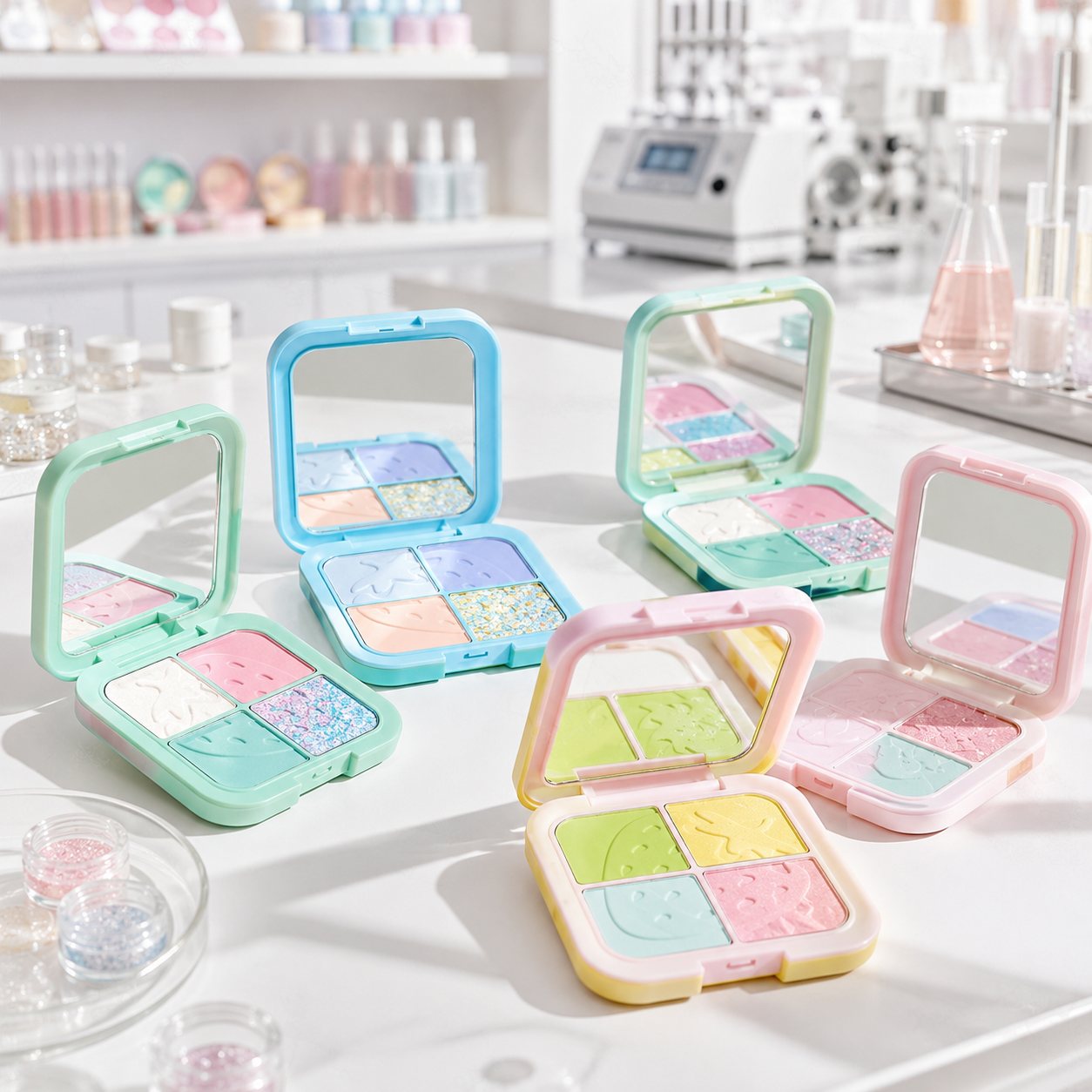
Children’s makeup has become a noticeable trend in recent years, especially during holiday retail seasons and social media-driven product launches. Parents today pay more attention to safety, while retailers focus on consistency and supply speed. This creates a complex challenge for manufacturers working in ODM children’s makeup production. Behind every eyeshadow palette or face makeup kit is not just color design, but a complete system of planning, production control, and global supply coordination. In this article, we explore how ODM factories build safe and scalable production systems that can serve international retailers without disruption.
How Beauty Demand Forecasting Shapes ODM Kids Makeup Production
Modern beauty supply chains no longer react only after demand appears. They try to predict it earlier. In ODM children’s makeup production, forecasting has become a core part of factory planning. Seasonal spikes, social media trends, and retail promotions all influence how much capacity must be reserved. Without this step, even a strong factory can face delays or excess inventory pressure that affects global retailers.
Beauty demand forecasting also connects directly with product design and production scheduling. It allows factories to prepare raw materials, allocate production lines, and adjust packaging flow before orders peak. This is especially important for face makeup ODM projects where multiple SKUs are launched at once for different markets.
How demand forecasting supports production stability in ODM children’s makeup
Beauty demand forecasting helps align retail expectations with real factory output. For example, when Walmart or Target launches seasonal promotions, ODM factories can adjust output weeks in advance. In OUYA BEAUTY’s system, historical order data and market signals are combined to reduce sudden production gaps, especially in fast-moving ODM children’s makeup categories.
Why forecasting reduces risk in face makeup ODM projects
Face makeup ODM products often include foundation, blush, and palette sets. Demand shifts quickly when influencers promote new looks. Forecasting helps stabilize production rhythm and reduces sudden pressure on customized eyeshadow palette orders, keeping supply balanced across regions.
What Kids Makeup Factory Standards Mean for Global Retail Supply
When children are involved, production standards carry more weight than design trends. Kids’ makeup factory standards are not only about compliance documents but also about how the factory is physically organized. Clean production flow, controlled zones, and consistent inspection steps are essential for long-term cooperation with international retailers.
For ODM children’s makeup manufacturers, these standards also influence trust. Retailers such as large supermarket chains prefer suppliers who can maintain identical quality across thousands of units, not just sample batches. This consistency is what allows global distribution without repeated quality checks at every shipment.
Why factory standards matter more in ODM children’s makeup production
In ODM children’s makeup production, small inconsistencies can affect brand reputation quickly. That is why factories often operate under GMPC and ISO-certified systems. At OUYA BEAUTY, production follows structured kids makeup factory standards, ensuring every batch maintains stable texture, color accuracy, and packaging alignment for global retail distribution.
How cross-production control improves safety and consistency
When different product lines share production space, control becomes essential. Face makeup ODM and eyeshadow products may run on the same facility, but separation procedures help avoid mix-ups. This controlled structure supports long-term stability for international buyers who require predictable output.
How Eyeshadow Manufacturing Process Control Supports ODM Scalability
The eyeshadow category is one of the most sensitive areas in ODM children’s makeup production. Even slight variations in pressing, blending, or filling can change the final appearance. That is why eyeshadow manufacturing process control is treated as a structured workflow rather than a single production step.
In large-scale factories, process control is also linked with delivery speed. When retailers request fast restocking, only a well-controlled system can maintain both quality and output speed. This balance is essential for products like customized eyeshadow palette collections that require multiple shade combinations.
How process control improves consistency in the eyeshadow manufacturing process
A stable eyeshadow manufacturing process depends on controlled blending ratios and repeated testing at each stage. Instead of focusing only on materials, ODM factories monitor output behavior. OUYA BEAUTY applies batch-level inspection during eyeshadow production to maintain consistent color payoff across large retail orders.
Why batch stability matters for global ODM supply chains
Retailers expect every palette in a shipment to look identical. Even small deviations can create return risks. With strict eyeshadow manufacturing process control, ODM factories reduce variation between batches, which is essential for face makeup ODM expansion into multiple markets.
How Face Makeup ODM Supports Custom Eyeshadow Palette Development
Face makeup ODM services are no longer limited to simple product replication. Today, they involve full customization from structure to color storytelling. Retail brands often request unique designs to match seasonal campaigns or store-exclusive collections.
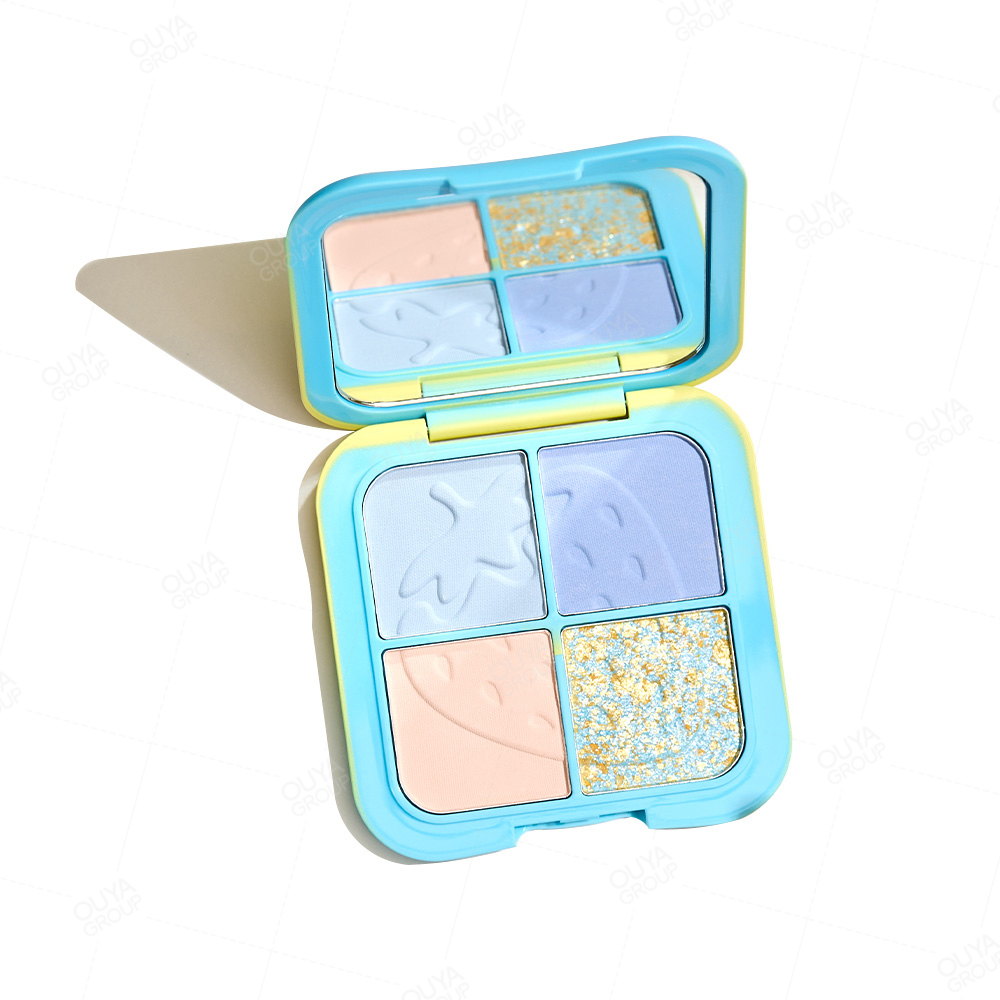
In this process, customized eyeshadow palette development becomes a key driver of differentiation. It allows brands to respond faster to market demand while relying on factory expertise for execution. This balance between creativity and manufacturing capacity defines modern ODM partnerships.
How custom eyeshadow palette services improve retail competitiveness
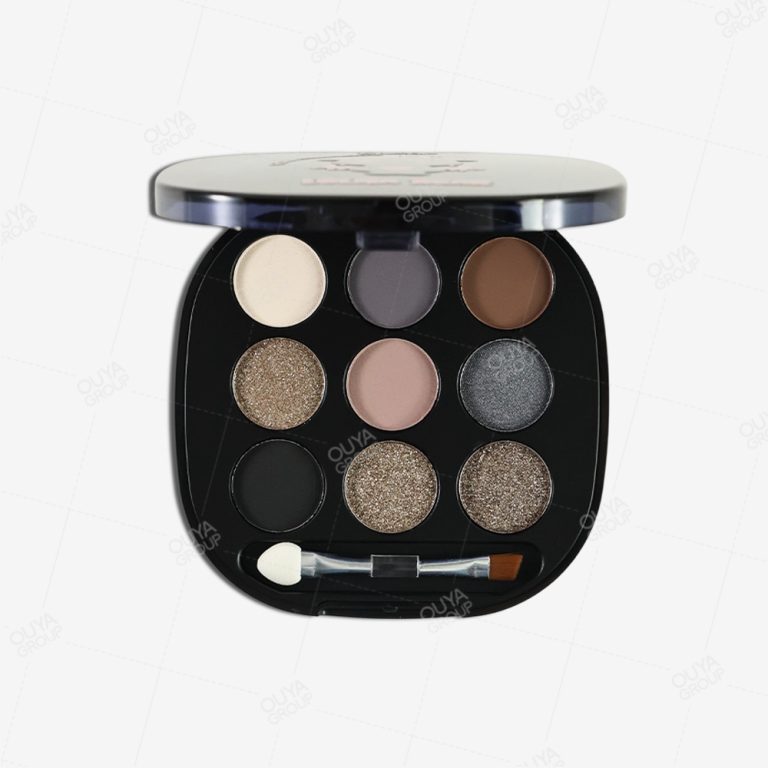
Through customized eyeshadow palette development, brands can adjust shade combinations for different consumer groups. For example, lighter tones may be used for everyday retail sets, while stronger pigments are used for seasonal promotions. This flexibility improves shelf performance in competitive markets.
How face makeup ODM connects design with scalable production
Face makeup ODM production requires coordination between design teams and factory engineers. OUYA BEAUTY integrates both sides, ensuring that creative ideas can be translated into scalable production without delays. This is especially important for large supermarket orders.
How OUYA BEAUTY Builds Scalable ODM Kids Makeup Systems for Global Retailers
Behind large-scale ODM children’s makeup production is not only machinery, but also experience in handling international supply chains. OUYA BEAUTY has developed long-term cooperation with global retail channels, including supermarket and private label programs, where delivery timing and consistency are critical factors.
With over two decades of manufacturing experience, OUYA BEAUTY combines face makeup ODM capability with structured production planning. Its system supports eyeshadow manufacturing process control, large-scale palette customization, and stable export documentation. According to internal operational data, its lip and cheek product lines have achieved multi-million unit output within short production cycles, showing strong scalability in ODM children’s makeup categories.
In addition, integration with beauty demand forecasting allows the factory to respond faster to seasonal retail cycles. Products such as the customizable eyeshadow palette demonstrate how design flexibility and production stability can work together under one system.
For global buyers, the advantage is not only production scale but also predictable delivery, reduced coordination time, and stable quality control across batches. This is why ODM partnerships are increasingly preferred over fragmented sourcing models.
Conclusion
Safe and scalable production in ODM children’s makeup is built on more than manufacturing capacity. It depends on forecasting accuracy, structured factory standards, controlled production processes, and the ability to connect design with execution. As global retailers continue to expand private label beauty programs, suppliers must maintain both flexibility and consistency at the same time. Companies like OUYA BEAUTY demonstrate how integrated ODM systems can support complex product categories such as face makeup ODM and eyeshadow manufacturing while meeting strict retail expectations. In a fast-moving market, stability becomes the most valuable form of competitiveness.
FAQ
What is ODM children’s makeup production?
ODM children’s makeup production covers design, manufacturing, and safety control for retail-ready kids’ cosmetics.
How does beauty demand forecasting help ODM factories?
It aligns production schedules with retail demand, reducing stock gaps and overproduction risks.
Why is the eyeshadow manufacturing process control important?
It ensures color consistency and stable quality across large retail shipments.