Introduction
A fine mist setting spray is now a top choice for many consumers. People desire long-lasting makeup. They want to avoid a heavy, sticky, or wet sensation on their skin. Private label buyers look for specific qualities. The spray needs to feel almost invisible. At the same time, it must boost overall makeup performance.
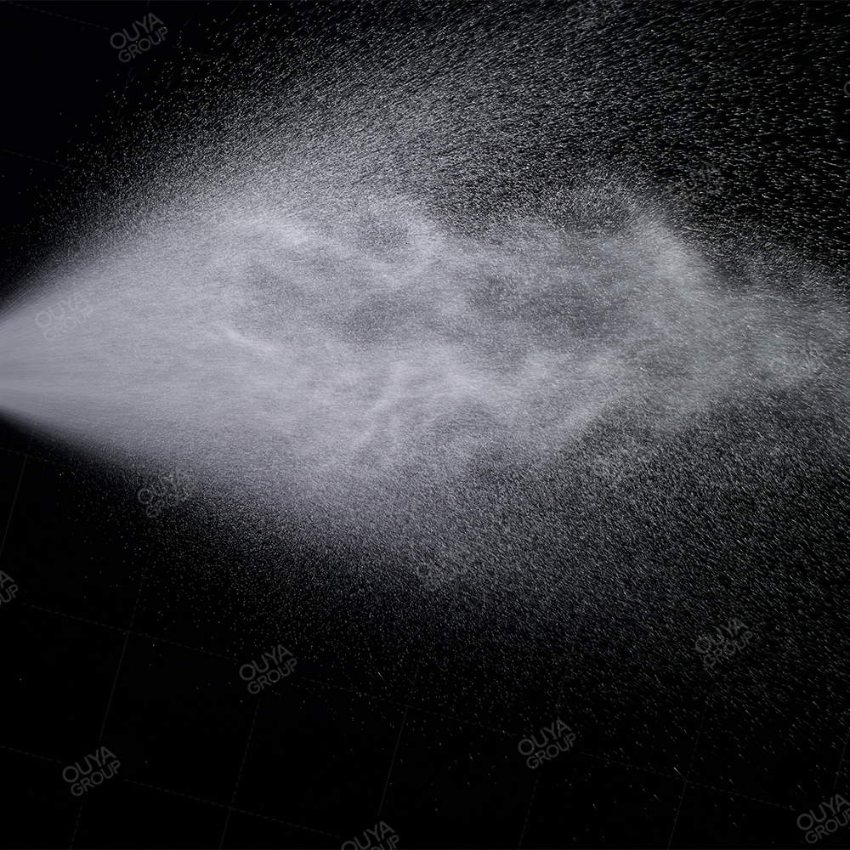
The phrase “fine mist setting spray” is highly significant. It highlights both user experience and physical product design. An average shopper might not understand pump pressure. She may not know about droplet distribution. However, she instantly notices the application quality. She can tell if a spray lands gently or simply splashes across her face.
Why Is Fine Mist Setting Spray Different From Ordinary Setting Spray?
A fine mist setting spray stands out. It carefully manages how liquid touches the makeup layer. Standard sprays often feel quite uneven. This happens when the liquid drops are too large. It also occurs if the liquid is too concentrated. Such issues can ruin foundation. They might cause greasy patches. They can also make a person feel damp rather than refreshed. A fine mist delivers a much softer application. It covers a wider area. This broad coverage is vital after applying a complete face of makeup.
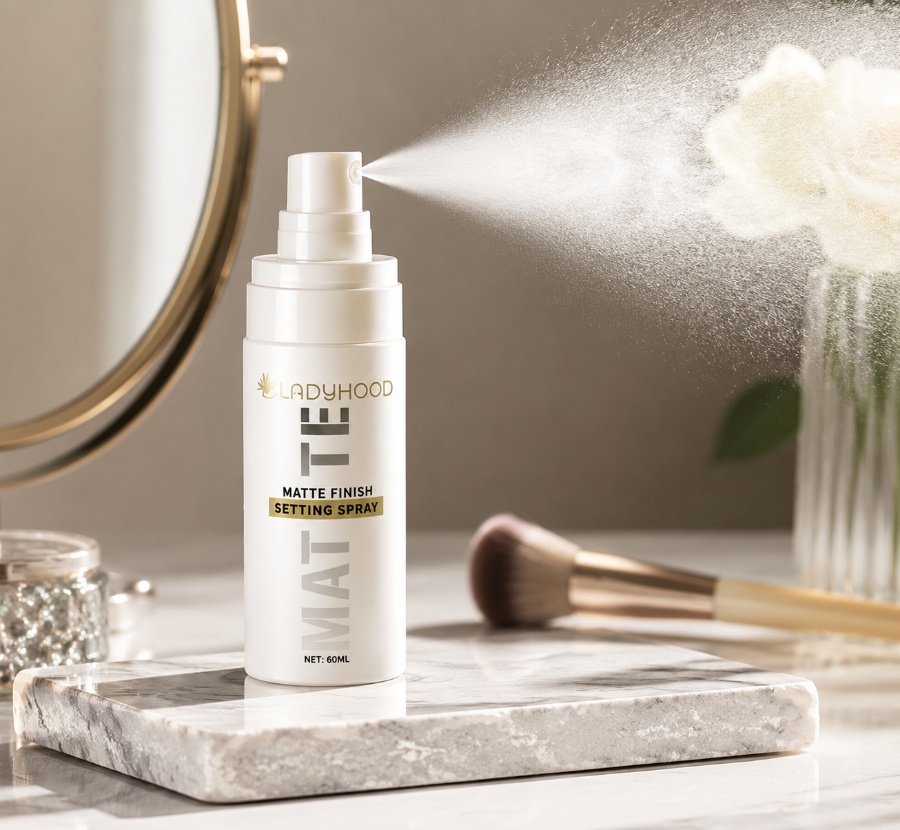
A high-performance waterproof setting spray requires an effective fine mist delivery system. The spray mechanism helps distribute the formula evenly across the skin with a lightweight application experience. As the formula dries, it creates a comfortable setting layer that supports makeup performance. Business buyers should note this detail. The nozzle acts as a crucial product specification. It is more than just simple packaging. A reliable pump safeguards the reputation of the formula.
How Does Fine Mist Setting Spray Support Long-Lasting Makeup?
Long-lasting makeup depends on adhesion, oil control, transfer resistance, and finish stability. A fine mist setting spray supports those goals by forming a thin film over the makeup surface. That film helps reduce fading, smudging, and transfer while keeping the base visually smoother. For matte makeup, it helps control shine. For daily makeup, it helps the base resist separation by mid-afternoon.
The mattifying waterproof formula direction is useful for customers facing humidity, sweat, rain, collars, masks, or frequent touch-ups. A long-lasting wear claim gives sales teams a clear way to explain makeup retention benefits, while waterproof positioning fits summer, travel, events, and long workdays. The goal is to give makeup a breathable shield without stiffness.
What Formula Details Matter in a Fine Mist Setting Spray?
Formula details decide whether the first spray remains comfortable. Comfort-focused positioning is valuable for consumers who prefer a lightweight and pleasant makeup setting experience. A matte spray can still feel fresh when the formula balances oil control with flexible wear.
Formula selection is an important part of developing a matte fine mist setting spray. Private label brands can customize ingredient directions, texture preferences, and finish goals according to their target consumers and market positioning. For all-skin positioning, the formula should avoid feeling too dry on normal or combination skin.
Private label buyers should connect every claim to a real product decision. If the label says waterproof, testing and documentation should be planned. If the product is marketed as fine mist setting spray, the pump, bottle compatibility, filling process, and carton protection must be confirmed before bulk production.
How Can Brands Match Fine Mist Setting Spray to Different Retail Channels?
Different retail channels have different product priorities, so brands need to launch targeted versions of fine mist setting spray around this core product category. DTC beauty brands targeting end consumers can focus on lightweight and comfortable texture, delicate and soft mist effect, and fresh matte finish for a smoother, more natural overall makeup look. Professional makeup brands may highlight long-wearing performance to meet the demand for long-lasting makeup at events, in studio shoots, and under warm lighting. Mass retail channels pay more attention to product cost-effectiveness, minimum order quantities, packaging durability, complete compliance documents, and delivery efficiency.
With 24 years of experience in beauty manufacturing and global exports, OUYA BEAUTY provides brands with full-service private label makeup solutions, including formula development, packaging customization, compliance processing, and production implementation. We have participated in a beauty collaboration project authorized by a well-known beverage IP, taking responsibility for formula development, packaging adjustment, color reproduction, fragrance matching, compliance review, and the successful export delivery to the U.S. market.
This experience fully demonstrates that fine mist setting spray has the potential to become a best-selling product, yet excellent product concepts can only be realized through a rigorous and standardized production system.
In addition, brand retail teams must maintain consistent product messaging to ensure uniformity across product pages, outer packaging, and sales materials. Claims such as “fine mist”, “matte finish”, and “long-lasting wear” must be consistent with actual test results. Unifying promotional content in advance avoids last-minute label revisions and ensures a coherent product image across both online and offline channels.
What Specifications Should Brands Confirm Before Production?
| Specification | Recommended Direction for Fine Mist Setting Spray | Why It Matters |
| Item form | SSS0001-A02 mattifying waterproof setting spray | Gives buyers a clear product reference |
| Net weight | Customizable packaging options based on retail requirements | Fits retail, trial, travel, and starter collections |
| Skin type | All skin types | Supports broad Western market positioning |
| Finish | Matte yet fresh | Controls shine without a flat look |
| Delivery system | Fine mist spray system for even and comfortable application | Covers the face evenly without moving makeup |
| Formula direction | Customizable formula options based on market needs and brand positioning | Helps brands create products aligned with target consumers |
| Comfort claim | Lightweight and comfortable wear experience | Supports daily makeup use expectations |
| Usage distance | Follow product instructions for application | Helps users achieve consistent setting results |
| Compliance support | FDA, EU cosmetics compliance, GMPC, ISO 22716, BSCI, SEDEX | Supports Western market entry |
| MOQ planning | Flexible MOQ options based on packaging, formula, and project requirements | Makes launch volume more predictable |
| Sample support | Prototype development within 7 business days for formula, finish, and packaging evaluation | Helps brands test finish, wear, and packaging early |
Clear specifications keep the project measurable. If one sample feels softer and another holds better, the brand can choose based on channel, price point, and target user.
Conclusion
Fine mist setting spray improves makeup performance by bringing formula and packaging together. It can make powder look softer, help foundation last longer, reduce shine, improve comfort, and give consumers a more polished finish. For brands, the opportunity is to build a setting mist that feels elegant at first spray and remains reliable through retail, reviews, and repeat purchase.
FAQ
Can fine mist setting spray stop makeup from looking cakey?
Fine mist setting spray can soften the surface after powder and help makeup layers blend visually. It works best when users apply thin layers and spray from the correct distance.
How long does custom fine mist setting spray development take?
Sample timing depends on the formula brief, packaging, testing needs, and market requirements, but initial prototypes can be developed within 7 business days when the direction is clear.
What private label support is available for fine mist setting spray?
Private label support can include formula customization, packaging selection, sample evaluation, stability and performance testing, compliance documents, MOQ planning, and after-sales quality support.