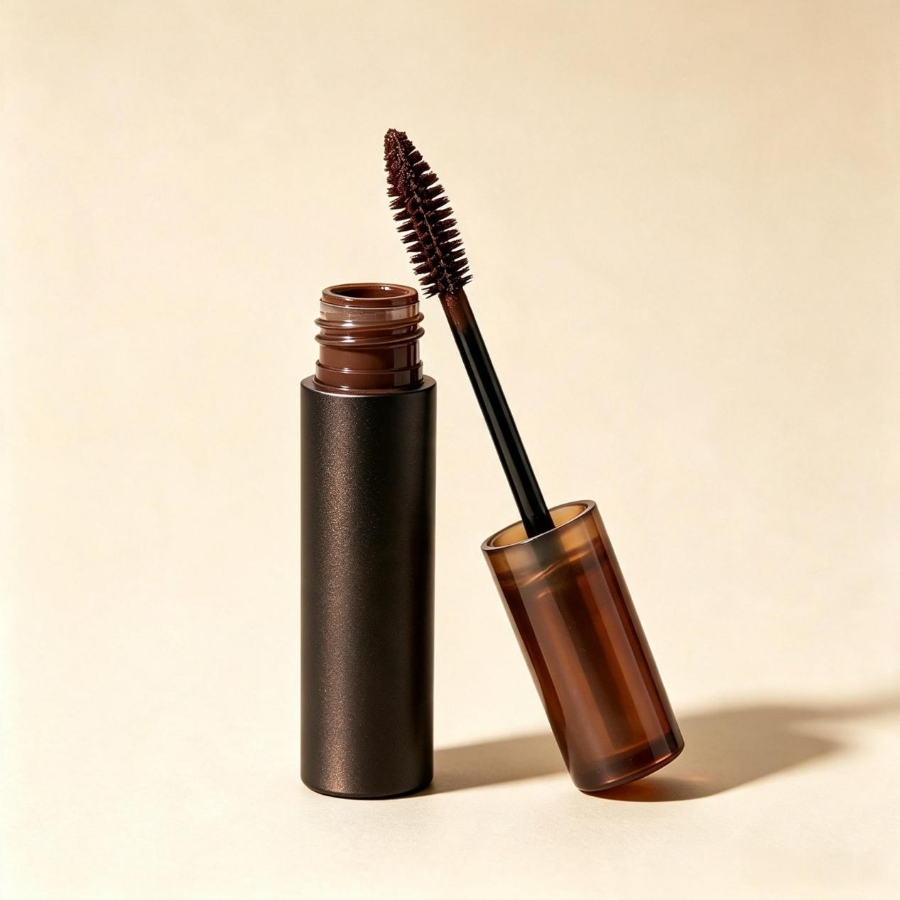
Brown mascara is no longer just a softer alternative placed at the edge of an eye category. For a retailer or private-label brand, it can be a deliberate shade story with different shopper occasions, clear performance expectations, and a reason to sit beside black rather than replace it.
Define the brown-mascara customer moment
The phrase why use brown mascara is useful because it reveals a decision point: shoppers want a defined lash look that feels less severe than black. A retail line should make that outcome easy to understand through shade naming, swatches, and a concise application promise.
A focused brown mascara offer can create a natural-looking lane within an eye assortment while keeping black mascara available for shoppers who want stronger contrast.
Shade should support the merchandising story
Brown is not one universal color. A warm brown, neutral brown, and deeper espresso tone can look meaningfully different on a wand and on the eye. The development brief should specify the intended visual depth and the shade standard used for approval, especially when the line will be presented under strong store lighting.
Performance cannot be secondary
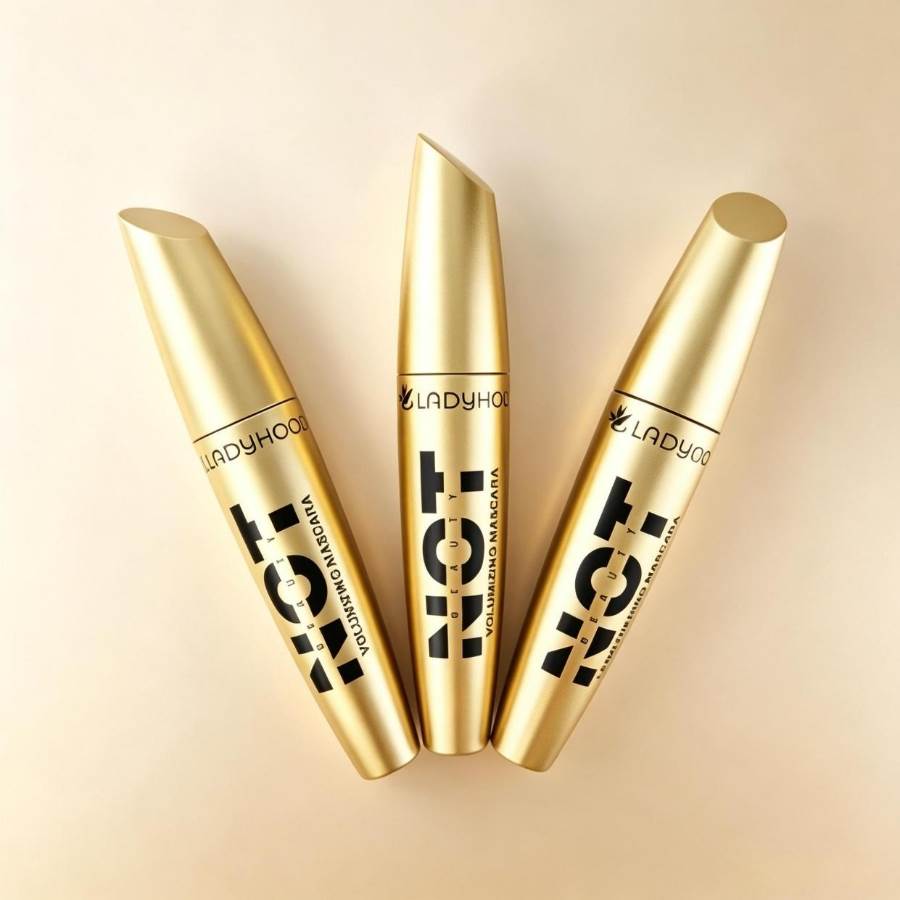
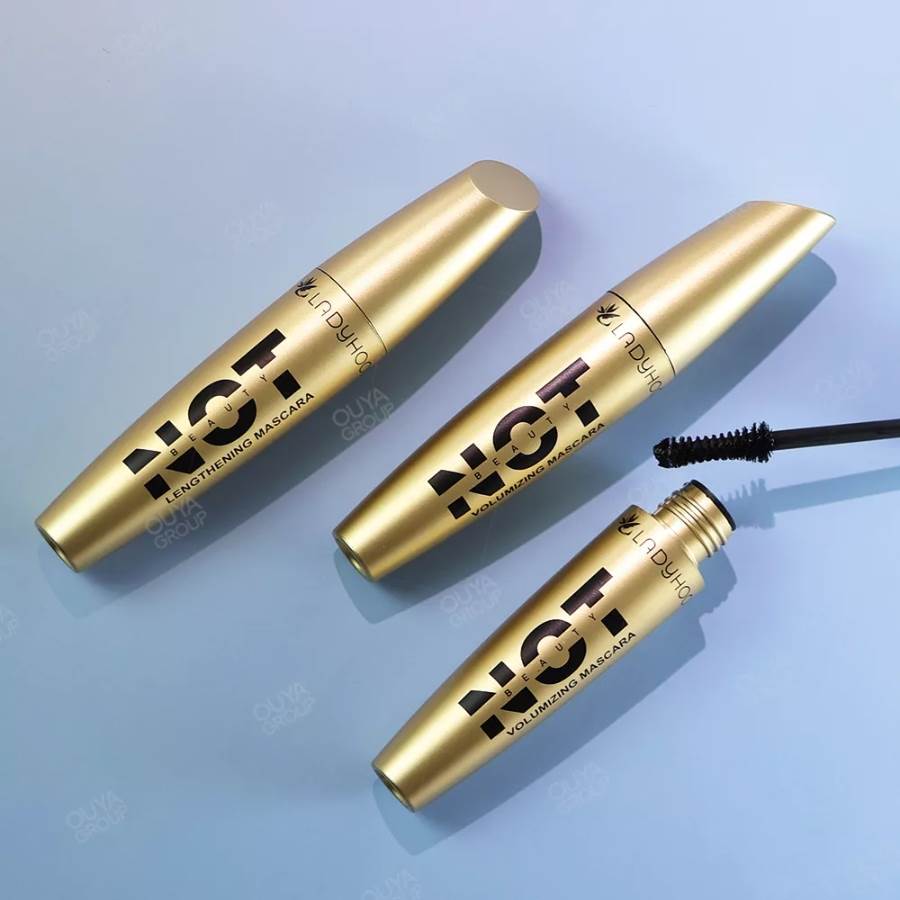
A soft shade still needs reliable wear. OUYA BEAUTY product materials describe a volumizing mascara formula designed to coat and separate lashes, with waterproof and smudge-resistant performance. That makes brush choice, bulk viscosity, and dry-down evaluation practical parts of the product brief rather than packaging afterthoughts.
| Decision area | Buyer question | Useful validation |
| Shade depth | How soft or defined should it look? | Approved swatch and on-lash comparison |
| Brush | What lash effect is promised? | Separation, volume, and wipe-off review |
| Wear | What conditions matter to shoppers? | Smudge and removal test protocol |
Use trend interest without chasing a single season
A brown mascara trend 2026 article may attract attention, but a retail launch needs a durable proposition. Build the story around approachable definition, a flexible everyday look, and shade options that make sense after trend language changes. That keeps the merchandising plan rooted in use rather than novelty.
The broader waterproof mascara category also needs precise labeling: the benefit should match the agreed test method, the intended conditions, and the removal guidance provided to shoppers.
- Approve the target brown tone beside the brand black before production sign-off.
- Review wand loading and separation on multiple lash types.
- Write removal instructions that match the final formula system.
Prepare for sensitivity-conscious shoppers
Mascara for sensitive eyes is a high-stakes phrase because it can imply safety and tolerance expectations beyond a normal color-cosmetic claim. A brand should avoid casual wording, document the intended substantiation route, and keep product communications aligned with the markets where it will sell.
For a buyer, the practical question is whether the formula, applicator, pack copy, and validation plan tell one consistent story. A sensitive-eye position should not be added late simply because it performs well in search.
Bring the brief into supplier review
A productive sampling review compares the final-use experience with the brand promise. Confirm color payoff, separation, volume, wear, and removal in the same conversation. That approach is more useful than approving a shade first and hoping that the brush or bulk will resolve the rest later.
For a coordinated formula and pack program, OEM/ODM mascara development should set the acceptance criteria, sample sequence, and documentation needs before a retail launch date is committed.
Plan the shelf message before artwork
The packaging needs to communicate the reason for brown at a glance. Shade families, lash effect, and removal direction should be prioritized over a crowded list of generic benefits. When a shopper cannot tell whether the product offers subtle definition, volume, or waterproof wear, the line loses the clarity that made brown useful in the first place.
Merchants can also use the launch plan to decide whether brown shares a fixture with black or receives its own shade story. A paired presentation encourages comparison; a dedicated display can make the softer look feel like a distinct choice. The decision should reflect available shelf space and the number of shades that will be supported.
Finally, sample sign-off should include the finished brush and label, not just bulk in a temporary tube. A consistent final unit helps retail teams judge the real color payoff, the amount of product delivered, and the experience a customer will take home.
Store associates and digital content teams should receive the same concise shade explanation. Consistent language reduces returns caused by a mismatch between a customer expectation and the finished on-lash effect.
Conclusion
A brown mascara will have its rightful place in a product line if it offers customers something unique to their lashes while still upholding the highest performance criteria. The best approach is to keep the strategy for color choices separate from trends, prove the efficacy of both the brush and formula before writing any claims.
For a targeted product brief, contact OUYA BEAUTY with the desired brown tone, lash effect, target market, and proposed retail timing.
FAQ
Why use brown mascara instead of black?
Brown can create a softer visual effect while still defining lashes. It works best as a clear alternative with an explained use case, not as a vague copy of the black option.
Should brown mascara be waterproof?
It depends on the range promise. Waterproof performance should be selected for a defined shopper need and backed by an agreed evaluation method and appropriate removal guidance.
How many brown shades should a new line launch?
Start with the shade depth that most clearly supports the intended customer moment. Add more shades only when they have distinct visual roles and merchandising support.
Can it be positioned for sensitive eyes?
Only when the product, testing, claims review, and market requirements support that position. Do not use sensitivity language as a substitute for a defined substantiation plan.
What should the buyer request in sampling?
Request on-lash shade comparisons, brush-loading observations, wear checks, removal feedback, and a review of the proposed claims. These inputs make the decision more reliable than a bulk sample alone.