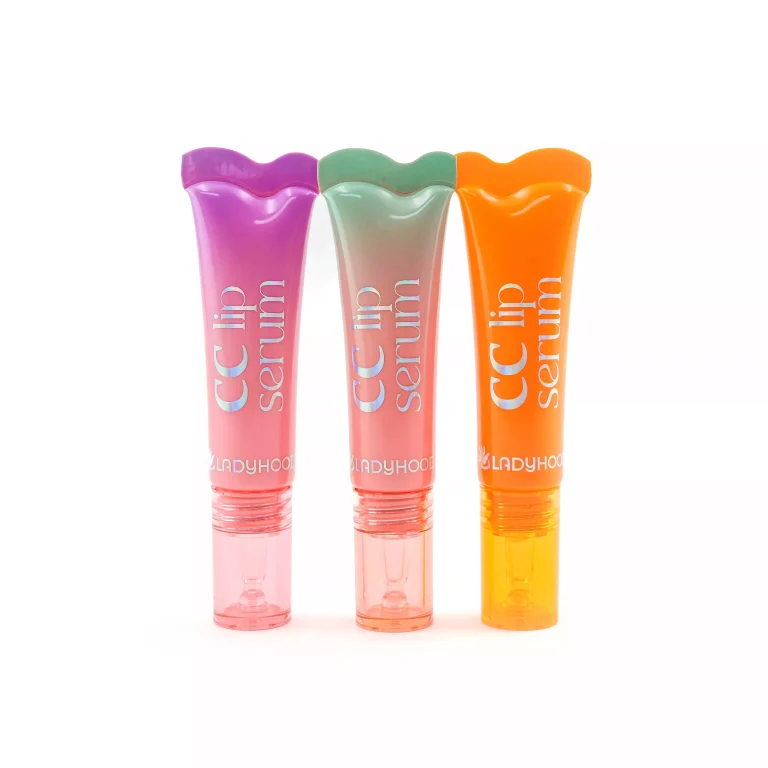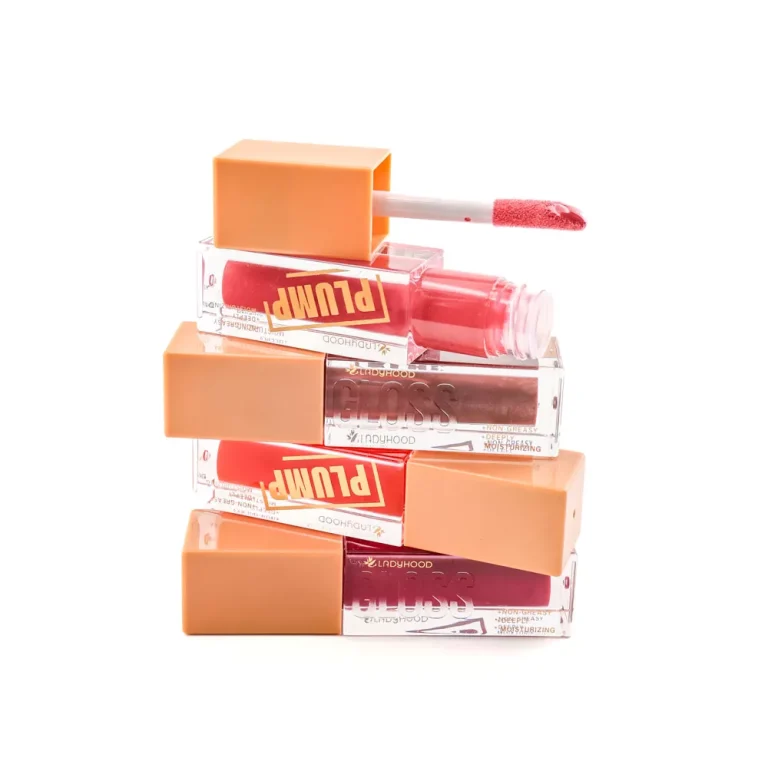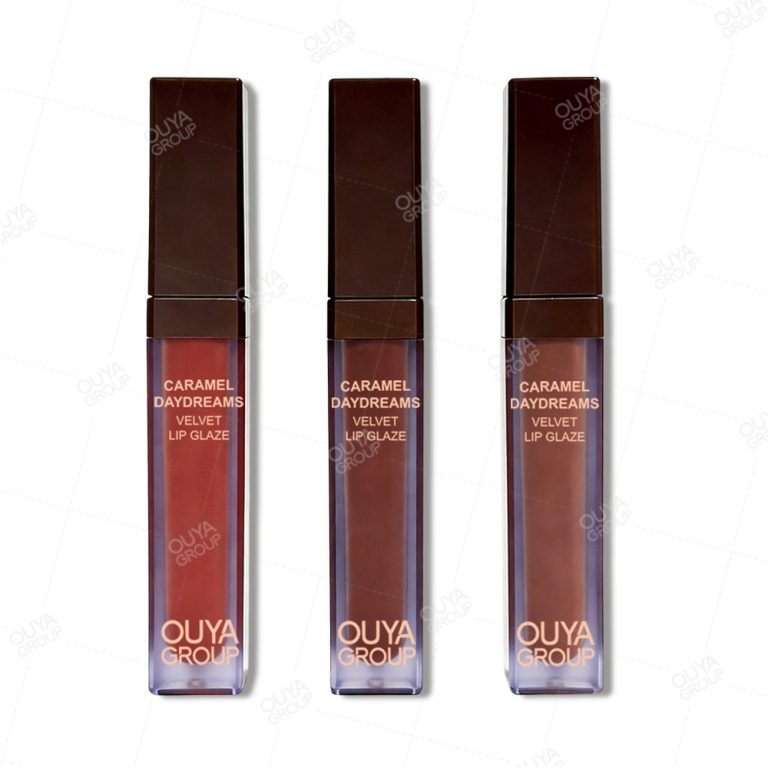

При запуске детского бальзама для губ необходимо одновременно решить две задачи: сделать продукт достаточно привлекательным, чтобы его захотелось взять в руки, и при этом сделать формулу, вкус и инструкцию понятными для родителей. Игривый брелок может усилить момент знакомства, но он не может заменить соответствующую возрасту формулу и анализ рынка. В детском наборе косметики тонированный бальзам для губ может выполнять функцию ежедневного ухода, а брелок — служить игривым визуальным элементом. Для проектов OEM по производству безопасной детской косметики такое разделение упрощает проверку и объяснение концепции продукта.
Определите для продукта одну четкую роль, предназначенную для использования детьми.
Бальзам для губ, ориентированный на детей, должен в первую очередь удовлетворять распространенную потребность: комфортный ежедневный уход за губами с простым и видимым применением. В техническом задании следует указать целевую возрастную группу, прозрачность или тонирование продукта, предполагаемую частоту использования и рынки сбыта. Такой охват позволит избежать превращения яркой концепции в набор непроверенных заявлений.
Общий поисковый запрос детский макияж Это полезно только в том случае, если бальзам для губ занимает своё чёткое место в наборе или ассортименте. Бальзам может быть повседневным предметом, который делает тематический продукт более понятным для всей семьи.
Поддержание водного баланса — залог успеха.
Увлажнение следует оценивать не как декоративный термин, а как ощущение комфорта при использовании. Проверьте скольжение, мягкость, ощущения после нанесения и состояние губ после обычного повторного нанесения. ОУЯ БЕУТИВ составе увлажняющего бальзама для губ используется кокосовое масло, которое удерживает влагу, сохраняя при этом ощущение свежести и нелипкости. Эти специфические характеристики продукта являются полезными критериями для описания бальзама, а не общими утверждениями для всех детских формул.
Вкус должен иметь безопасные границы.
Ароматизатор может сделать бальзам привлекательным, но он также вызывает вопросы о предполагаемом использовании, ароматизаторах, маркировке и целевом рынке. Используйте сдержанный вкус и четко определите, чем продукт не является: это косметический бальзам для губ, а не пищевой продукт. Наши проектные группы должны утвердить вкус, формулу, описание на упаковке и нормативную документацию как единое решение.
| Краткая область | Решение о блокировке | Подтверждение эффективности розничной торговли |
| Формула | Прозрачный или тонированный; ощущение увлажненности. | Скольжение и проверка ощущений после использования |
| Вкус | Профиль и рыночные ограничения | Проверка маркировки и безопасности |
| Пакет | Стандартный брелок-трубка или забавный брелок. | Закрытие, удобство использования и долговечность |
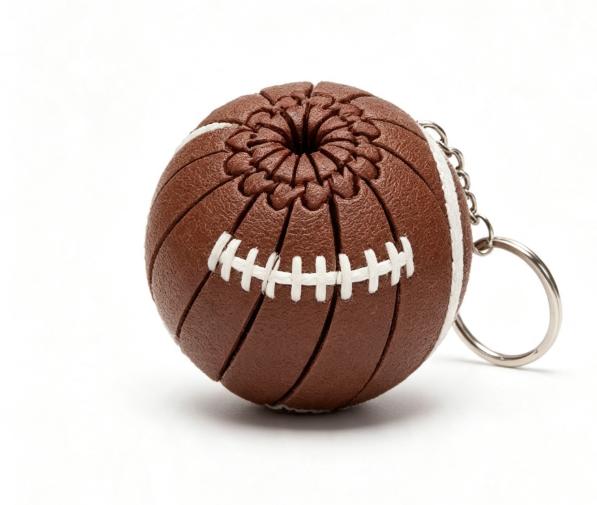
Пусть концепция брелока заслужит свое место.
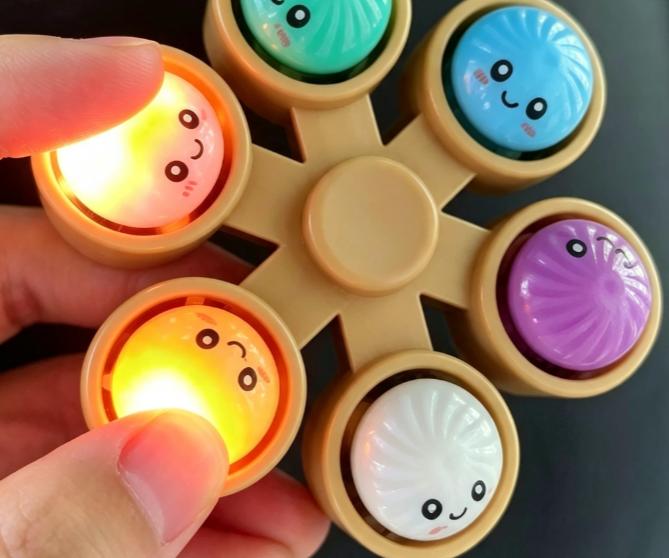
Светящийся шарик-спиннер может превратить бальзам для губ в небольшой сенсорный объект, но крепление должно оставаться практичным. Спиннер должен вращаться, не отклеивая бальзам, свет должен быть защищен от обычного использования, а устройство должно удобно держаться на сумке или брелке. Та же логика применима к игрушке-фиджет в виде футбольного мяча, брелоку-клавиатуре со светом или подвижной форме, которая обеспечивает движение без острых краев.
Наилучшая концепция — модульная: косметический резервуар, крышка и насадка могут быть проверены по отдельности, прежде чем их объединять. Для телескопической или вложенной конструкции убедитесь, что выдвижные части не задерживают остатки и не создают точек защемления. Для ворсистой сенсорной поверхности убедитесь, что покрытие остается на месте при обычном использовании и не скрывает инструкции по очистке.
- Перед присвоением названия продукту определите целевое сообщение для пользователя и ответственного лица.
- Проверьте работу подсветки, вращающегося механизма, шарнира или механизма складывания с помощью последнего компонента бальзама.
- Проводите проверку мелких деталей, маркировки и упаковки с учетом специфики целевого рынка.
Целенаправленный тонированный бальзам для губ Функция range позволяет розничному продавцу сначала представить товары, связанные с медицинским обслуживанием, а затем использовать интерактивный формат как повод для просмотра и обмена информацией.
Превратите развлечение в работоспособную последовательность согласования.
Процесс отбора проб должен проходить от формулы к компоненту и, наконец, к готовому изделию. Сначала оцените текстуру и вкус бальзама, затем протестируйте тюбик или баночку, после чего соберите брелок и повторите проверки на ощупь. Такая последовательность действий позволяет легче определить, относится ли дефект к косметическому средству или к аксессуару.
Низкий минимальный объем заказа полезен, когда концепция требует контролируемого рыночного тестирования, но это не должно означать снижение уровня безопасности. Наши требования предусматривают формулировку о низком минимальном объеме заказа и целевую аудиторию B2B, состоящую из розничных продавцов и брендов, выпускающих продукцию под собственной торговой маркой. Для пилотного проекта с небольшим объемом производства по-прежнему необходимы согласованное описание продукта, спецификация упаковки и анализ целевого рынка.
Продавцам также необходимо краткое объяснение для покупателей. Покажите, как открывается бальзам, где находится светящийся элемент или механизм, и для чего предназначен продукт. Четкий язык использования способствует укреплению доверия родителей гораздо эффективнее, чем длинный список дополнительных функций.
Когда покупатель готов сравнить весь спектр предложений, бальзам для губ на заказ В процессе разработки можно согласовать решения по формуле, вкусу, составу и сенсорной упаковке в рамках одного процесса отбора проб.
Вывод
Создание более безопасной линейки детских бальзамов для губ начинается с узкого круга применения, а забавная упаковка рассматривается как продуманное дополнение к этому применению. Необходимо определить возрастные рамки, степень увлажнения, вкусовые предпочтения и провести рыночные проверки, а затем протестировать светящуюся или антистрессовую насадку как готовый продукт. Следующее важное решение – определить, какую концепцию можно четко объяснить одним предложением на полке магазина.
Краткое описание продукта, включающее бальзам и брелок, см. ниже. контакты ОУЯ БЕУТИ с учетом предполагаемого возрастного диапазона, целевых рынков, вкусовых предпочтений и эскиза аксессуаров.
Часто задаваемые вопросы
Можно ли продавать брелок в виде бальзама для губ как детскую косметику?
При условии комплексного рассмотрения косметического назначения, возрастной категории, маркировки и дизайна аксессуаров, продукт может быть отнесен к категории детской косметики. Новизна не должна подразумевать превращение продукта в игрушку.
Как следует оценивать уровень гидратации?
Используйте средство для регулярного нанесения несколько раз и зафиксируйте скольжение, комфорт, блеск, остатки и ощущения после использования. Окончательную формулу и упаковку следует протестировать совместно, прежде чем писать о каких-либо заявлениях.
Что должно входить в состав ароматизированных бальзамов для подгузников?
Укажите вкусовые характеристики, предполагаемое применение, рынки сбыта, формулировки на этикетке, ограничения рецептуры и доказательства, необходимые для обоснования предлагаемых заявлений. Разделяйте использование в косметических целях и в пищевой промышленности.
Подходят ли светящиеся брелоки для всех возрастов?
Соответствие возрасту зависит от конструкции компонентов, оценки мелких деталей, маркировки и правил целевого рынка. Следует оценивать готовое изделие целиком, а не утверждать внешний вид и аксессуары по отдельности.
Может ли пилотный проект с низким минимальным объемом заказа пропустить этап тестирования?
Нет. Пилотный проект может снизить коммерческую ответственность, но при этом необходимо сохранить проверки безопасности, компонентов и рынка, необходимые для ответственной продажи продукта.