Введение
Успех фиксирующего спрея под собственной торговой маркой достигается тогда, когда формула, помпа, описание финишного покрытия и документация по соответствию стандартам разработаны как единая система. Покупатели, выходящие на рынок... рынок фиксирующих спреев Сначала следует определить выгоду для потребителя, а затем преобразовать ее в измеримые требования к распылению и стабильности, прежде чем запрашивать коммерческое предложение. Такой подход дает командам розничной торговли более четкую основу для сравнения образцов, контроля изменений и планирования масштабируемого запуска.
Превратите рыночную идею в описание продукта.
Четкое техническое задание начинается с определения задачи, которую должен выполнять продукт. Покупатели часто спрашивают, что делает фиксирующий спрей, но полезный ответ для B2B-сектора разграничивает фиксацию макияжа, корректировку финиша, увлажнение перед нанесением макияжа и сенсорное освежение. Каждая задача влияет на структуру пленки, баланс увлажняющих компонентов, выбор аромата, объем распыления и схему применения. Четкое позиционирование задает рыночному техническому заданию для фиксирующего спрея полезное направление, однако производитель не сможет подтвердить широкое обещание, если покупатель не определит, как именно будет использоваться продукт.
Определите конечный результат до того, как будет рассказано о составе ингредиентов.
Конечный результат должен быть сформулирован понятным языком. Если команда спрашивает, для чего используется матирующий фиксирующий спрей, коммерческий ответ обычно сводится к контролю жирности, уменьшению блеска или созданию эффекта мягкого фокуса для определенной группы потребителей. В случае с матирующим спреем приоритет отдается влажному, увлажняющему эффекту и комфортному ощущению после нанесения. Это разные пути разработки, поэтому косметические средства с индивидуальной формулой не следует утверждать только на основании списка ингредиентов.
Установите границы претензий заблаговременно.
Ограничения по заявленным свойствам защищают проект от последующей переработки. Бренд должен указать, требуется ли ему водостойкость, устойчивость к поту, снижение переноса, отсутствие отдушек или маркировка для чувствительной кожи, а затем согласовать метод тестирования и допустимые значения. Производитель косметики по заказу может предложить исходную платформу, но покупатель по-прежнему несет ответственность за решение о том, какие свойства должны быть указаны на окончательной этикетке, а какие требуют дополнительных доказательств.
Разработайте формулу и насос как единую систему.
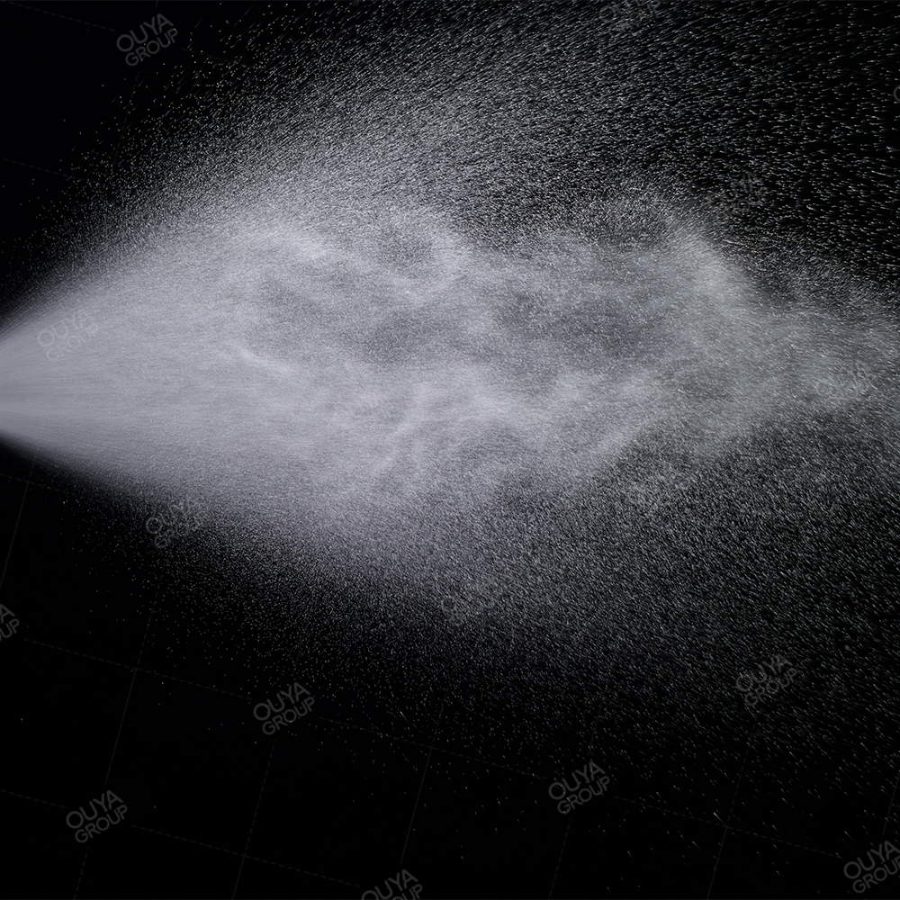
Совместимость насосов с различными типами насосов — это ключевое инженерное решение. ОУЯ БЕУТИ Можно создавать фиксирующие спреи с различными вариантами отделки, форматами упаковки и компонентами распыления в зависимости от требований проекта. Этот пример показывает, почему на вопрос о том, что делает фиксирующий спрей, нельзя ответить одной лишь формулой: размер капель, конус распыления, дозировка за один проход, подготовка поверхности и устойчивость к засорению — все это влияет на покрытие и восприятие пользователем качества.
| переменная развития | Что должны указывать покупатели? | Почему это важно |
| Завершить | Матовый, естественный или с эффектом сияния | Управляет балансом пленки, порошка и увлажняющего компонента. |
| Схема распыления | Тонкий, ровный конус без крупных капель. | Контролирует площадь покрытия и предотвращает появление влажных пятен. |
| Этап использования | До макияжа, после макияжа или и то, и другое. | Изменение приоритетов сенсорного восприятия и совместимости. |
| Размер упаковки | Размер розничной упаковки и целевая заполняемость | Влияет на выбор компонентов, стоимость и доставку. |
| Претензии | Только заявки с согласованным маршрутом испытаний. | Предотвращает неподдерживаемое копирование и переделку. |
Оценка образцов должна имитировать реальное использование, а не полагаться на настольный спрей. Покупатель должен протестировать упаковку на предполагаемом расстоянии, на типичных базовых покрытиях и после хранения в различных положениях. Именно здесь разработка косметических формул по индивидуальному заказу становится практичной: команда сравнивает время высыхания, липкость, видимые капли, скорость наполнения помпой, финишное покрытие и остатки с письменными критериями приемки.
- Запишите код дозатора и бутылки на каждом одобренном образце.
- Сфотографируйте зону распыления на темном и светлом фоне.
- Проверьте наличие утечек, необходимость заполнения резервуара водой, наличие засоров и выходной поток после хранения.
- Утвердите аромат, цвет и ощущения после использования, используя именно ту упаковку, которая будет использоваться для окончательного результата.
Подтвердите стабильность, безопасность и готовность к выходу на рынок.
Валидация должна охватывать готовый продукт в его товарной упаковке. Производитель косметики по OEM-заказу должен согласовать ускоренные и проводимые в режиме реального времени испытания на стабильность, совместимость упаковки, микробиологический контроль, проверку веса наполнения и моделирование транспортировки с формулой и рынком. Точные протоколы различаются в зависимости от продукта и места назначения, поэтому покупатели должны запросить план испытаний, условия испытаний, количество образцов и правила принятия решений, прежде чем разрешить масштабирование производства.
Подготовка к выходу на рынок США теперь включает в себя обязанности, предусмотренные MoCRA. FDA заявляет, что производители и переработчики, подпадающие под действие закона, должны регистрировать свои предприятия и продлевать регистрацию каждые два года, а ответственное лицо должно указывать каждый продаваемый косметический продукт и ежегодно обновлять этот список. Для запуска в ЕС требуется ответственное лицо в ЕС, отчет о безопасности и уведомление CPNP до выхода на рынок. Эти обязательства должны быть включены в график проекта, а не рассматриваться как документация после производства.
Расширьте масштабы бизнеса с помощью готового к предоставлению коммерческого предложения информационного пакета.
Предложение становится сопоставимым, когда все поставщики получают одинаковые исходные данные. Прогнозируемый объем розничных продаж, размер упаковки, отделка, целевой рынок, набор претензий, метод нанесения изображения, конфигурация коробки, количество пробных партий, ответственность за тестирование и запрашиваемые сроки поставки должны быть указаны в одном запросе. Низкий минимальный объем заказа следует обсуждать как коммерческий параметр, а не как замену подтверждению наличия компонентов, планированию производства и минимальным объемам нанесения изображения.
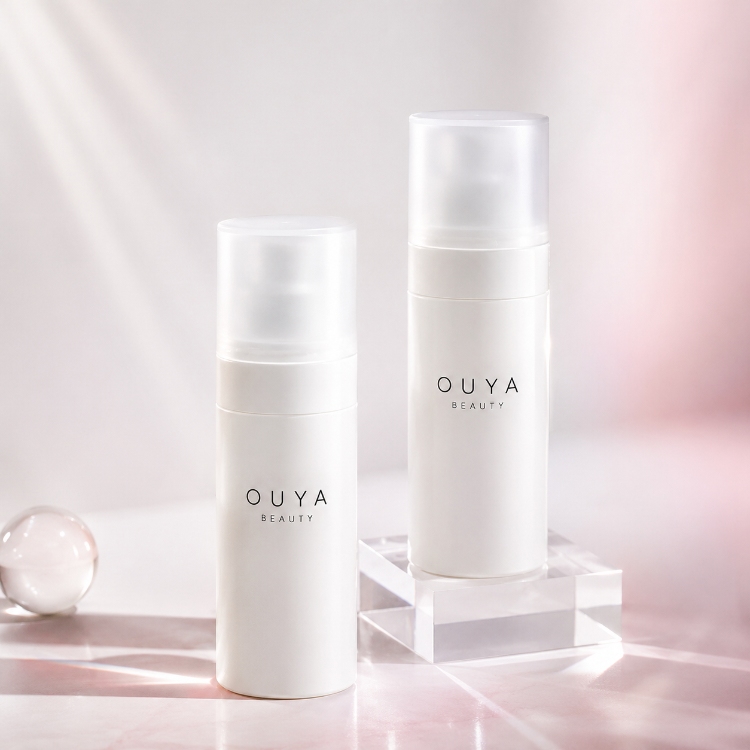
В плане масштабирования следует зафиксировать утвержденную формулу и ссылки на компоненты. ОУЯ БЕУТИРабочий процесс OEM/ODM компании охватывает исследование рынка, разработку индивидуальных рецептур, отбор образцов, выбор упаковки, серийное производство, контроль качества, поддержку соответствия нормативным требованиям и логистику. Покупатели могут использовать эту последовательность для установления ответственных лиц за утверждение и контроль изменений. На переполненном рынке фиксирующих спреев дисциплинированная документация часто ценнее, чем еще одно непроверенное описание характеристик.
Запросить рассмотрение проекта
Поделитесь с нами информацией о целевом финише, размере упаковки, целевых рынках, прогнозе, приоритетах в отношении формулировок и дате запуска. косметика OEM производительНаша команда может проанализировать техническое задание, определить решения, влияющие на тестирование или выбор компонентов, и подготовить схему отбора проб с низким минимальным объемом заказа. Для проектов, требующих заказная формула косметикиУкажите эталонный продукт и критерии приемки, которые вы будете использовать для утверждения окончательного варианта распыления.
Часто задаваемые вопросы
Для чего используется матирующий фиксирующий спрей в линейке продукции под собственной торговой маркой?
Назначение матирующего спрея зависит от потребностей потребителя, но обычно его используют для уменьшения видимого блеска, контроля жирного блеска и создания эффекта мягкого фокуса. Заявленное свойство должно быть связано с результатами согласованного тестирования, а не предполагаться из самого слова «матовый».
Чем отличается фиксирующий спрей от обычного спрея для лица?
Действие фиксирующего спрея в основном определяется его предназначением в сочетании с макияжем. Спрей для лица может быть направлен на освежение или увлажнение, в то время как фиксирующий спрей обычно создает пленочное или адгезионное покрытие и должен использоваться поверх обычного макияжа.
Какие данные необходимы для составления первоначального коммерческого предложения?
Первоначальная смета должна включать целевой рынок, отделку, размер упаковки, прогноз, ожидаемый минимальный объем заказа, направление разработки формулы, предпочтения в отношении аромата, формула продукта, оформление, требования к картонной упаковке, объем тестирования и сроки. Недостающие данные следует указывать как предположения, а не скрывать в цене.
Как покупателям следует сравнивать два образца фиксирующего спрея?
Покупателям следует сравнивать образцы в соответствии с одним и тем же письменным протоколом, включающим расстояние распыления, количество мазков, состав основы, время высыхания, качество отделки, липкость, остатки, протечки и историю хранения. Контролируемое сравнение позволяет принять более взвешенное решение, чем простое неформальное предпочтение.