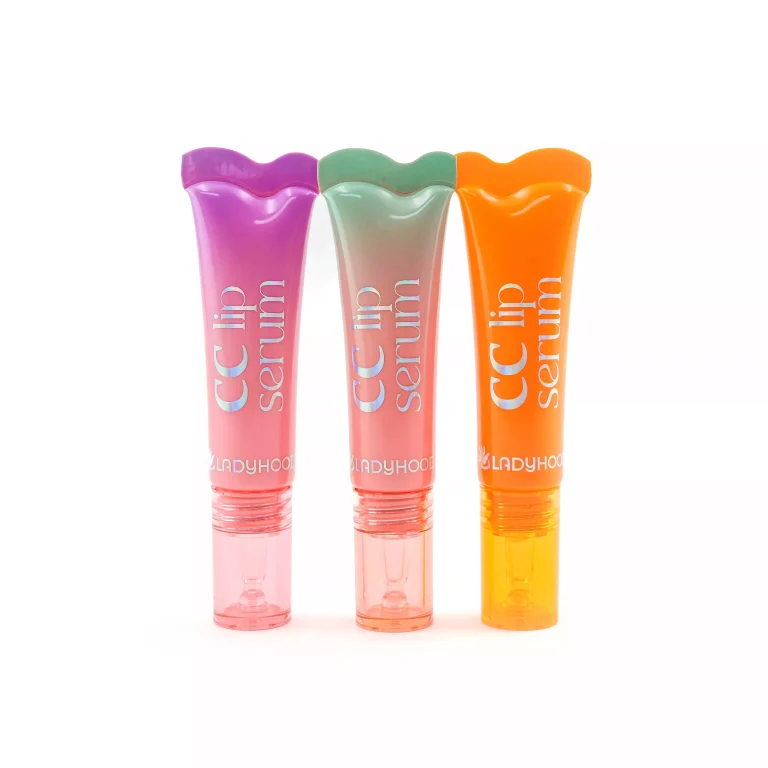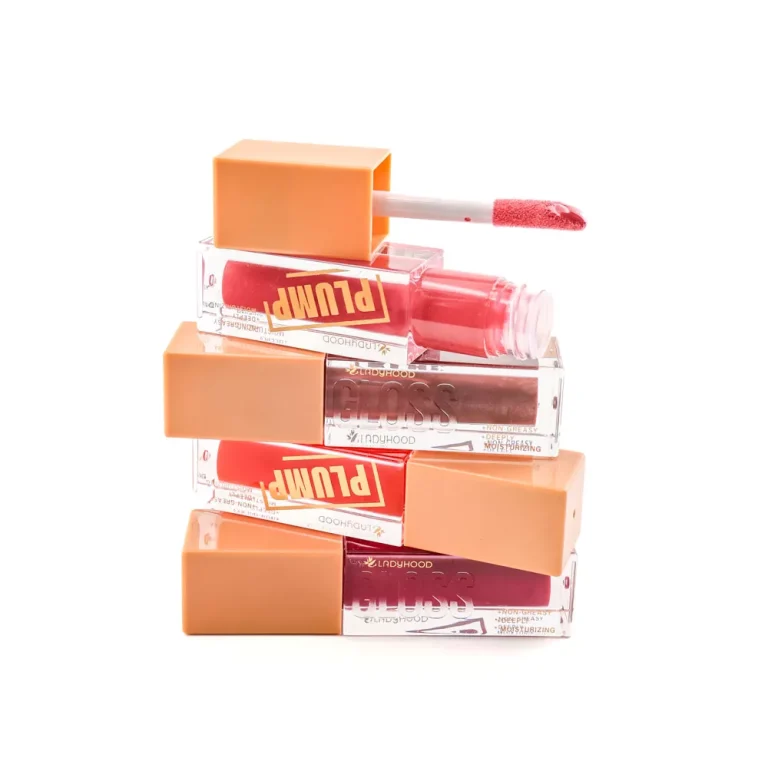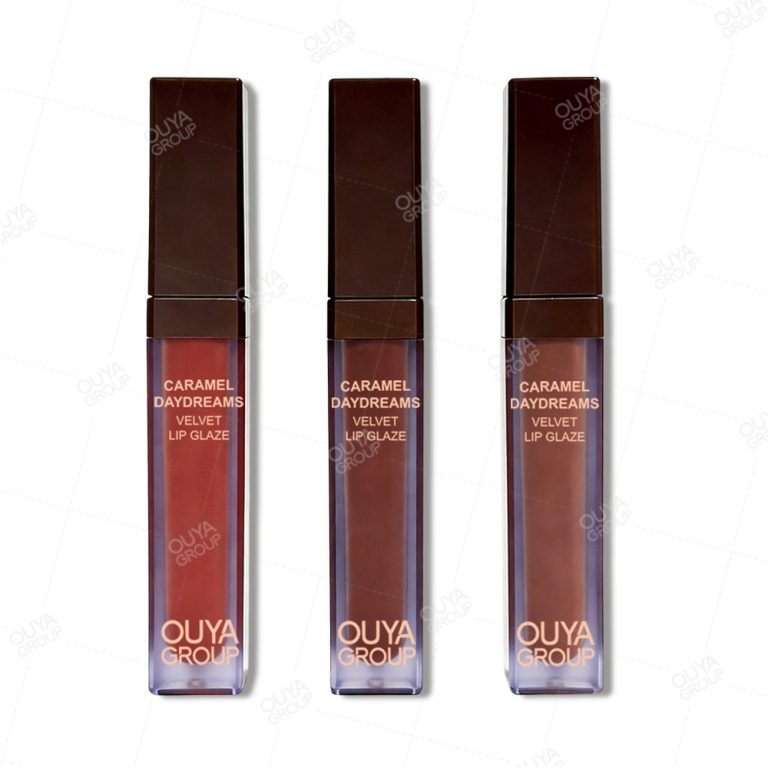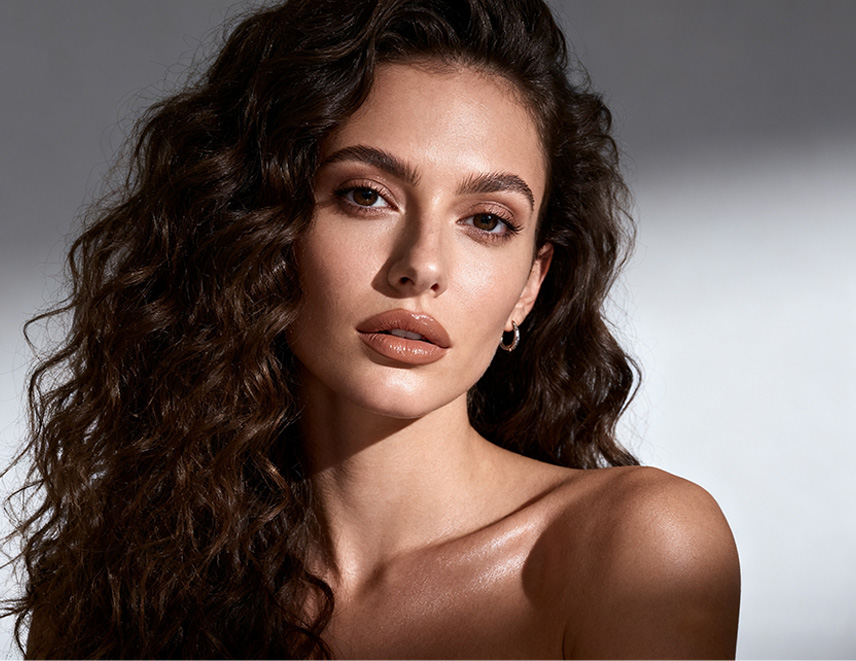
A first lip gloss order should reveal which shades deserve a place on the shelf without tying up the entire launch budget. For supermarket and beauty specialty buyers, low MOQ works best when the formula, tube and shade assortment are planned together. The useful question is how much finished, saleable stock each choice commits you to, and whether the same product can be replenished after the trial.
A focused lip gloss assortment makes the trial useful
A retail trial needs a clear product promise. Decide whether the range centers on sheer everyday shine, visible color or a shimmer finish before multiplying shades. An assortment with one recognizable purpose gives buyers a more useful basis for comparing sell-through than several unrelated textures launched together.
The best lip gloss for that shelf is the one that meets its intended wear experience and price position consistently. Compare samples for tack, color payoff and the amount delivered by the applicator. A striking tube can earn attention, but the gloss inside still needs to match the description on the display.Shade choices should test meaningful differences. A clear option and selected tinted shades may help you assess a focused assortment concept; several nearly identical pinks may simply divide the available stock. Set the trial’s learning objective before agreeing quantities, so a low-MOQ trial may potentially gather partial insights into market demand, rather than guarantee conclusive demand-driven data.
Low MOQ depends on the combination being ordered
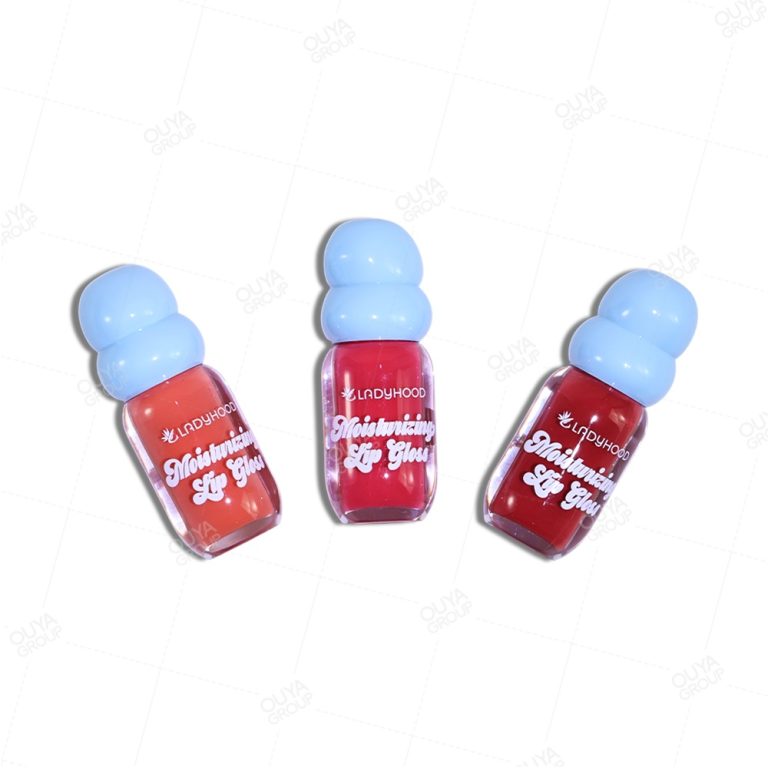
MOQ means minimum order quantity, but the unit of commitment needs clarification. A supplier may quote a minimum per shade, per formula or per decorated tube design. Confirm which condition applies to the finished product, and whether unused packaging must be purchased separately.
The following calculation illustrates why assortment size matters. The assumed minimum is 500 finished units per shade, with identical packaging and no separate component minimum. These are planning assumptions, not a supplier quotation.
| Trial assortment | Assumed units per shade | Total finished units |
| 3 shades | 500 | 1,500 |
| 6 shades | 500 | 3,000 |
Doubling the shade count doubles the opening stock in this example. A lower advertised minimum is therefore only part of the decision. Compare the full commitment, including decorated components and any agreed surplus, before deciding which assortment fits the trial budget.
Formula and applicator choices shape customization
Customization should concentrate on differences the shopper can recognize. An existing formula with selected shades and branding may be sufficient for an initial retail program. A distinct texture or finish can justify further development, but its sampling work and production minimum need separate confirmation.
Coordinating those choices is a useful role for cosmetics contract manufacturing. At OUYA BEAUTY, we support formula development, packaging design and sample prototyping. Discuss the required level of customization early, so the low MOQ proposal reflects the actual gloss, shade range and packaging combination.
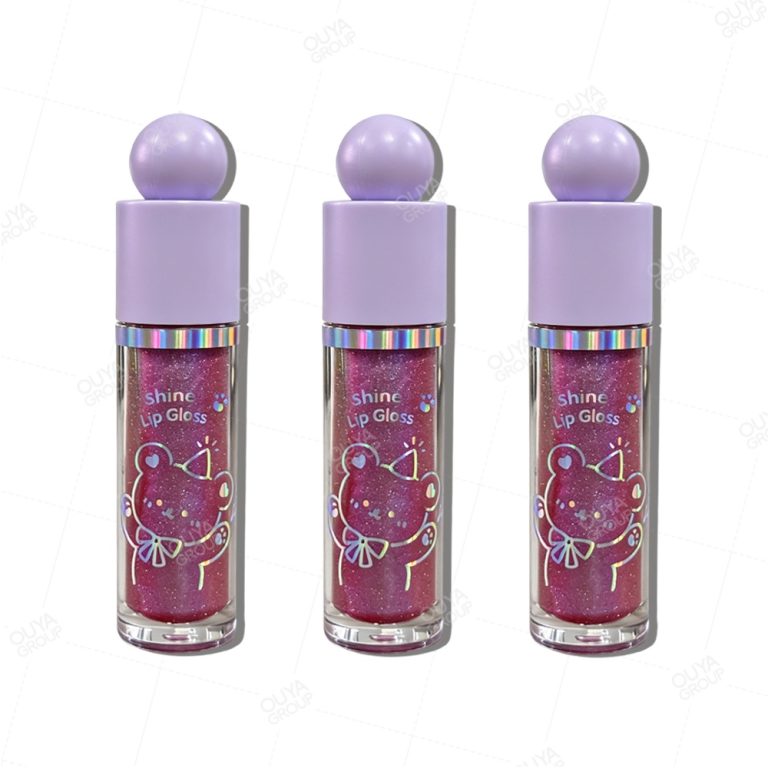
Applicator selection belongs in that discussion because it changes the sample experience. Our rounded lip gloss bottle design uses a 1:1 cap-to-bottle proportion and supports large brush-head combinations. That gives brands a concrete packaging option to assess alongside high-shine gloss textures.
The large applicator needs evaluation with the intended formula. Check how much gloss it picks up, how the wiper controls excess and whether the bottle closes cleanly after repeated use. A visually approved empty pack does not establish how the filled product will perform.
A retail supplier must support the next order
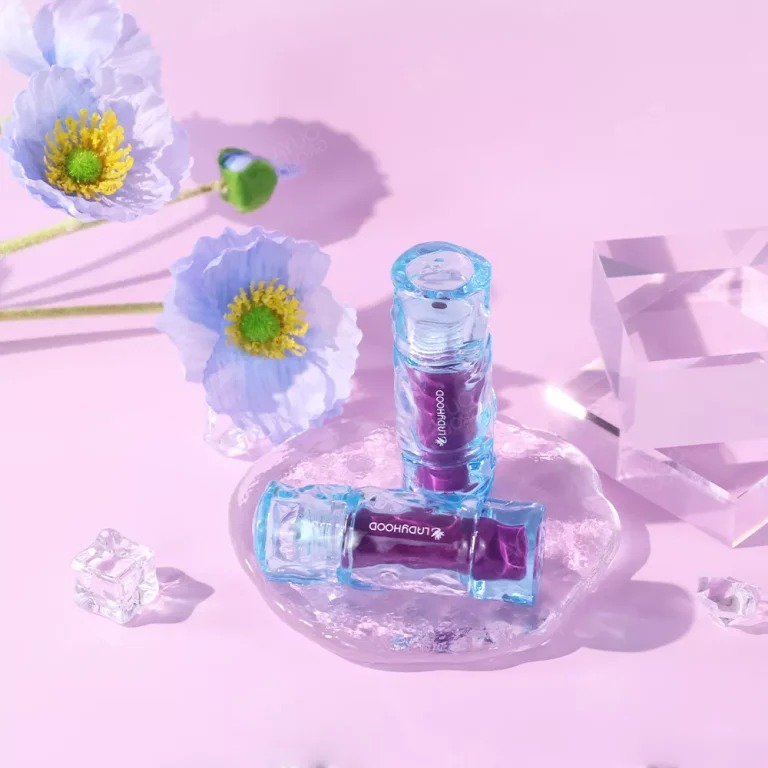
Supplier selection should account for both the trial and its likely replenishment. Among private label makeup manufacturers, look for a partner able to explain how the approved gloss will be reproduced, how packaging will remain available and what changes would require a fresh sample approval.
Retail-channel experience can inform that discussion. Our cosmetics manufacturing includes supply through private-label and authorized brand partners for retailers such as Walmart and Target. That background is relevant to retail programs, while each new buyer still needs to confirm the requirements for its own product and channel.
The approved sample should become a shared reference for repeat orders. Keep the agreed shade, formula version, fill quantity, tube decoration and applicator combination identifiable. Define how a proposed component substitution will be reviewed; an apparently minor change can alter the product buyers approved.
Launch readiness belongs in the opening budget
The launch budget must include more than filled tubes. Allow for sample development, applicable testing, label preparation, freight and the buyer’s agreed presentation needs. Compare offers on the same scope, because a unit price without those boundaries cannot establish the total launch cost.
US and EU requirements also apply to the product being launched. In the US, the responsible person must maintain adequate safety substantiation. For EU sales, plan for an EU responsible person, a product safety report and CPNP notification before market placement. Confirm the applicable responsibilities with the parties handling market access.
Replenishment planning completes the cost picture. Agree what starts the production lead time, which approvals must be complete and whether the repeat order has different minimums. A trial only supports expansion if successful shades can return to the shelf on workable terms.
A low MOQ launch should create a repeatable range
A useful first order combines a focused shade assortment with a confirmed formula-and-packaging configuration. Evaluate the total stock commitment, approve the filled sample and settle replenishment conditions before expanding. That gives the retail trial a clear commercial purpose and makes its results easier to act on.
Discuss your intended retail channel and opening assortment with OUYA BEAUTY to explore a suitable low MOQ lip gloss development route.
FAQ
What is a low MOQ for private label lip gloss?
There is no universal figure. The minimum depends on the manufacturer and the selected formula, shade and packaging route. Ask for the applicable finished-product minimum and any separate component commitment.
Can several shades share one minimum order?
Some programs may allow mixed shades, while others apply the minimum to each shade. Confirm the allocation in writing before using a total order quantity to plan the assortment.
Can a first order use a custom formula?
A custom formula may be possible, subject to development and production terms. Compare that route with adapting an existing formula, especially when the retail trial primarily needs to test shades or presentation.
Is FDA approval required to sell lip gloss?
Ordinary cosmetics generally do not need FDA premarket approval, except for applicable color additives. Safety, labeling and relevant MoCRA obligations still apply. Registration or listing does not mean FDA product approval.
How long does a private label lip gloss launch take?
Timing depends on sample approval, packaging availability, testing and production scheduling. Request milestones for the specific configuration, including transit, rather than treating a general factory lead time as the shelf-ready date.