Strolling through the shelves at Sephora or flipping through the constant “New Arrivals” on TikTok Shop, it becomes simple to get excited. The beauty world is going through a great period where small brands can challenge big old companies in no time. You could dream up a soft velvet lip product that stays moist, or a foundation bar that also cares for skin. But coming up with the idea is just the start. The true hurdle, and the one that trips up many new business owners, is deciding how to make that item real. This leads to the choice every beauty starter must make: Do you pick Private Label or go for Custom Manufacturing (OEM)?
It is a pick that shapes your money plan, your schedule, and in the end, what your brand stands for. Still, people often mix up the words, which causes mix-ups. Are they alike? Is one superior to the other? The quick answer is: it hinges on what you want for your company. If you seek a fast way into the market with white label cosmetics or hope to build a special mix that changes things up, grasping the small differences between these two ways of making products is key to doing well.
Defining the Basics: The “Fast Lane” vs. The “Scenic Route”
Before we jump into the costs and details, let’s make clear what we mean. Picture making things like picking a suit. You can grab one from the store and adjust it to suit you (Private Label), or you can go to a special maker who lets you select the cloth, the fasteners, the style, and the inside layer from the beginning (Custom/OEM). Both give you a suit, but the steps and the special feel are quite different.
What is Private Label (White Label) Cosmetics?
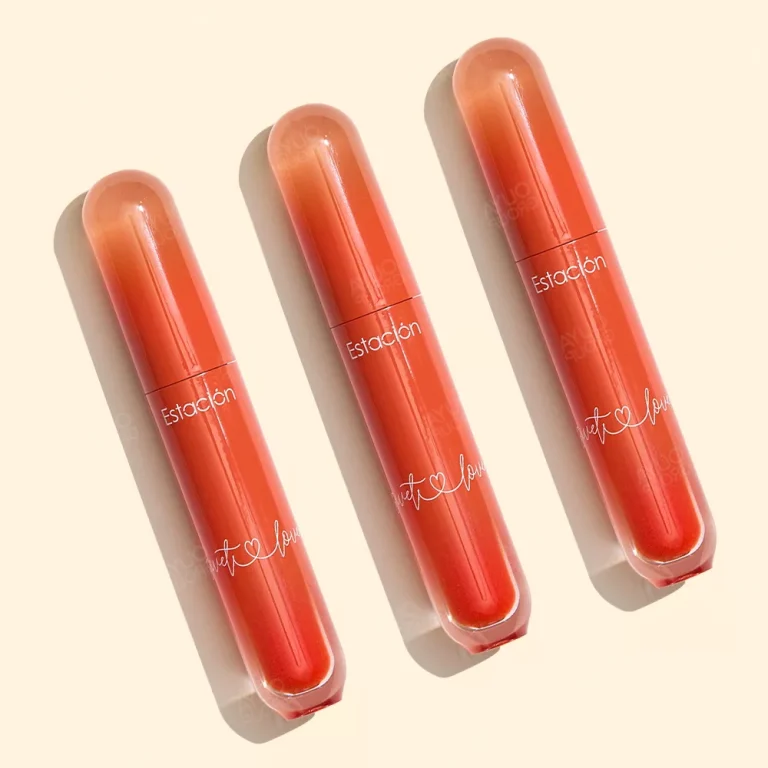
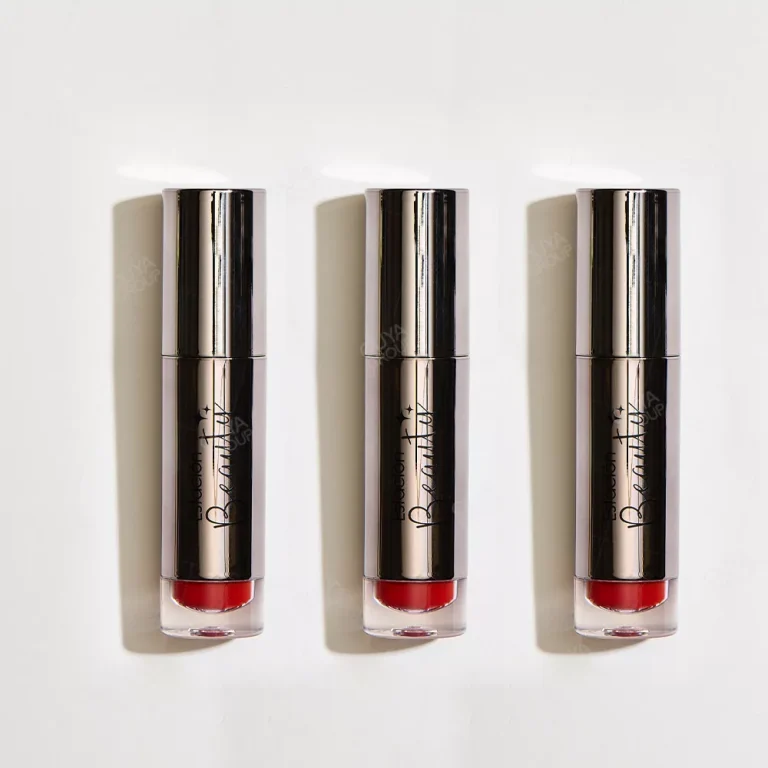
Private Label cosmetics mean items that a maker has already mixed, checked, and created, which you then offer under your own name. In short, the plant has a collection of tried-and-true formulas, such as a moist lip oil or a basic waterproof eye liner, that are set to use. You choose the item, pick the container, add your mark, and you are ready to sell.
This way is often called white label cosmetics. It is the easiest path. For instance, if you aim to bring out a 12-shade eye color set but lack the funds to bring in a scientist, you can take a ready-made set from a maker’s list that has already gone through checks for steadiness and safety.
While Private Label gives quickness and ease, it is vital to know that you are not alone in selling that mix. The special part comes from your name, your ads, and the careful choice of items you decide to provide. Yet, for those with a clear dream that does not sit on the rack, the other path opens up endless chances.
What is Custom Manufacturing (OEM Cosmetics)?
OEM cosmetics (Original Equipment Manufacturing) is the way of building a product from nothing. This is real custom making. Here, you go to a plant not only to purchase what they hold, but to shape what you picture. You might desire a base with a certain thickness, a cheek color with a “gel-like” feel, or a pure beauty mix without certain irritants.
With OEM, you hold the rights to the formula in many deals (based on the agreement). You team up with the maker’s research group to adjust parts, smells, feels, and results until it fits your goal. This is the way for brands that wish to say “special mix” or “own blend” on their wrap.
Key Differences That Impact Your Bottom Line
Now that we have set the meanings, we must see how these picks affect your daily work. The gap is not just about the fluid in the container; it touches your cash flow, your start day, and your ability to grow.
Customization and Brand Identity
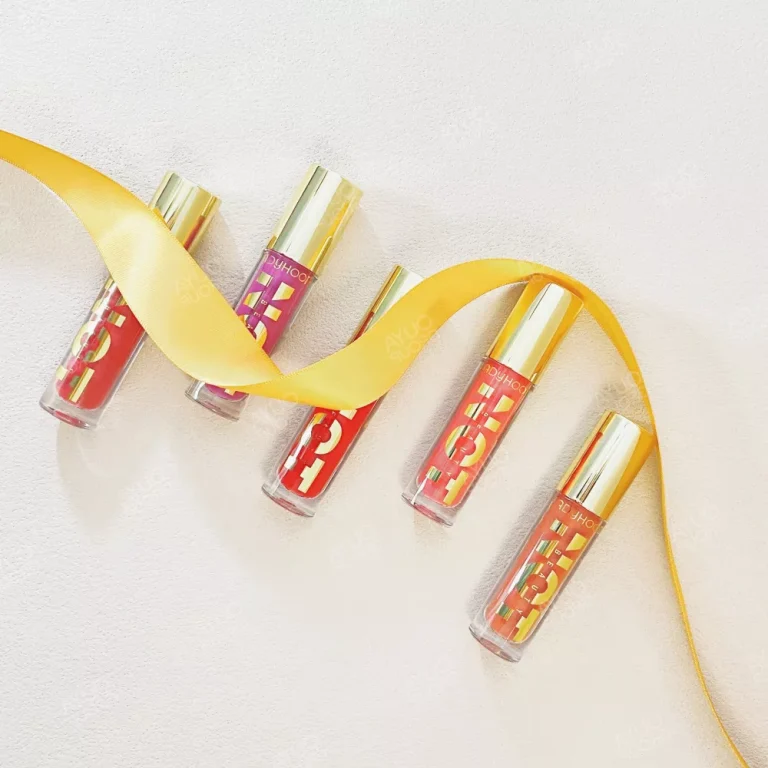
In the world of white label cosmetics, customization is usually limited to the component (the bottle or jar) and the secondary packaging (the box). You might be able to choose a custom color for a lipstick if the factory offers a wide shade range, but you generally cannot change the base ingredients.
In contrast, OEM cosmetics offer total control. Do you want to add Elderberry Fruit Extract to a liquid blush? Do you need a foundation that specifically passes a 12-hour humidity test? OEM allows for this. For instance, manufacturers like OUYA have Research and Innovation Centers that develop over 100 new formulas annually. This means you can leverage their R&D power to create a “Jelly Blush Stick” that melts into the skin differently than anything else on the market.
However, this level of freedom comes with a trade-off. While creative control is a massive advantage for differentiation, it significantly impacts the speed at which you can get your product into the hands of customers. Let’s look at the timelines.
Time to Market and Speed
If you need to launch a holiday collection and it is already September, a private label cosmetics manufacturer is your best friend. Since the formulas are pre-approved and the packaging is likely in stock or easily accessible, the turnaround time can be as fast as 4 to 8 weeks. You are essentially skipping the lengthy R&D and testing phases.
On the other hand, custom OEM projects are a marathon. Developing a stable formula from scratch takes time. You have to account for:
- R&D Prototypingand confirmation: 2-4 weeks, from your creative concept to a tangible, functional mold samples. Our designers usually work out the initial prototype 3D mold samples for your physical evaluation in one week.
- Stability & Compatibility Testing:2-3 months (to ensure the product’s long-term integrity and safety within its packaging, to prevent critical failures like breaking down into layers, reactions between the formula and the container).
- Safety & Efficacy Testing:2 months, this stage of testing runs specially to certify the product for the market.
Microbiological Testing: 2 weeks, it ensures the product is free from harmful levels of microbes (bacteria, yeast, mold) and safe for consumer use.
Preservative Efficacy Test or Challenge Test: 2 months to verify that the preservative system within the formula effectively prevents microbial growth over time, especially after repeated consumer use.
The stability & compatibility testing (2-3 months) is the critical path and longest phase in this timeline. While prototyping is quick, testing is non-negotiable for product safety and quality. The entire process from idea to tested formula would take a minimum of 3-4 months.
Realistically, a custom product can take 4 to 9 months to launch. If your business model relies on chasing fast trends—like a sudden viral demand for “color-changing lip balm”—OEM might be too slow unless you partner with a factory that has agile production capabilities.
Budget and Minimum Order Quantities (MOQs)
This is usually the deciding factor for startups. Private label cosmetics are budget-friendly. Because the factory runs these formulas in bulk for multiple clients, they can offer lower Minimum Order Quantities (MOQs). You might be able to start with 500 or 1,000 units per SKU.
OEM cosmetics demand a bigger effort. Plants must clear lines, find certain raw parts just for you, and build new shapes. As a result, MOQs for custom items are usually higher—often 3,000 to 10,000 pieces per type. You are also covering the research time and maybe for special tools if you want a unique form for the container.
But don’t let the idea of “generic” private label scare you away. The beauty of the modern manufacturing landscape is that even standard formulas can look incredibly high-end if you nail the presentation. This brings us to the visual aspect of your brand.
The Role of Cosmetic Packaging in Both Models
Whether you choose a stock formula or a custom creation, the vessel it comes in is what sells it. In 2026, cosmetic packaging is not just a container; it is a marketing tool.
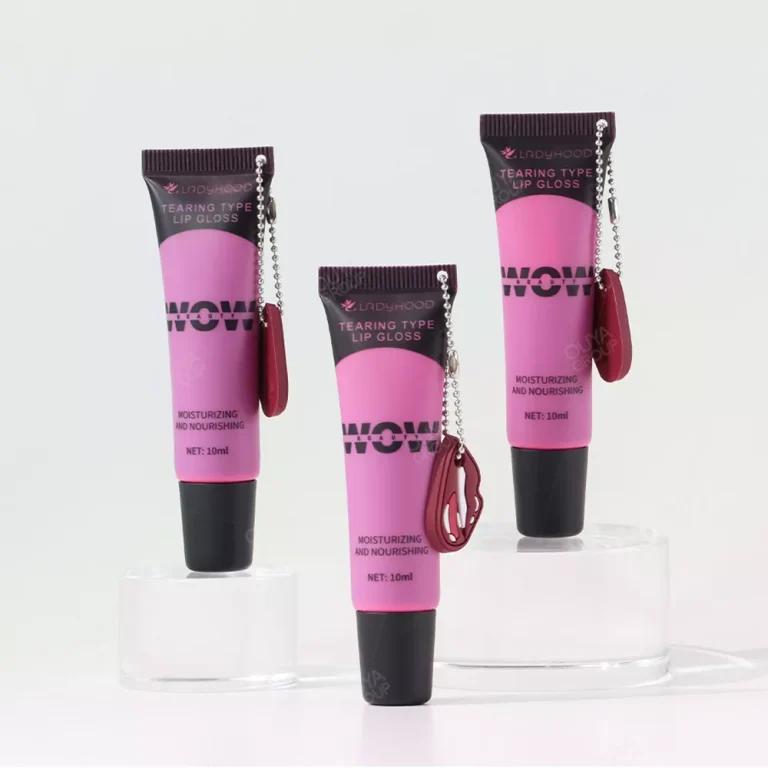
For private label clients, differentiation happens here. You might use a standard tube but finish it with a soft-touch matte coating, gold hot-stamping, or 3D printing. OUYA, for example, offers sustainable packaging solutions, integrating recycled materials (rPET) or bio-based plastics. Using eco-friendly packaging on a standard formula can be a powerful, unique selling proposition (USP).
For OEM clients, the sky’s the limit. You can commission custom molds—like a heart-shaped blush case or a foundation bottle shaped like a sculpture. This requires a mold fee (tooling cost), but it guarantees that no other brand on the shelf looks like you.
Why “Turnkey Beauty Manufacturing” is the Hybrid Solution
The smartest way to navigate this industry is to find a partner who offers turnkey beauty manufacturing. A turnkey manufacturer handles everything: R&D, sourcing raw materials, manufacturing, filling, cosmetic packaging design, and logistics. And why does this matter?
- Scalability: You can start with private label products to test the market. As your brand grows, the same factory can transition you to custom OEM formulas without you needing to find a new supplier.
- Compliance: Established turnkey partners handle the regulatory headaches. They ensure your product meets FDA or EU standards, whether it is a white label sunscreen or a custom serum.
- Resource Access: Large manufacturers have massive purchasing power. They can get better prices on raw ingredients and packaging than you could on your own.
OUYA, with its 62,000 square meter facility and 200 million pcs annual production capacity, exemplifies this. We support startups with flexible MOQs while having the infrastructure to produce for global giants like Disney.
Conclusion
There is no “wrong” choice between Private Label and Custom Manufacturing—only the choice that fits your current business stage. Private Label cosmetics are the launchpad: perfect for influencers, makeup artists, and startups who need speed and low risk. OEM cosmetics are the destination: ideal for established brands ready to innovate and own their market share with unique formulations.
The key is to partner with a private-label cosmetics manufacturer like OUYA that offers turnkey beauty manufacturing services. This ensures that whether you are launching a standard 4-color eyeshadow quad or a revolutionary skincare-infused foundation, you have the quality and support to succeed.
Ready to explore your options? Whether you need a quick-to-market solution or a fully custom development, contact us today to discuss how we can build your beauty empire together.
FAQs
Q: Can I customize the packaging if I choose private-label cosmetics?
A: Yes. While the formula is pre-made, reputable manufacturers allow extensive cosmetic packaging customization, including custom colors, logos, finishes (like matte or glossy), and sustainable material options to match your brand identity.
Q: What is the typical lead time for OEM cosmetics compared to white label?
A: White label cosmetics can typically be produced in 4-8 weeks. OEM cosmetics (custom formulations) generally require 3-6 months due to the necessary research, development, and stability testing phases.
Q: Does OUYA offer turnkey beauty manufacturing for small brands?
A: Yes. OUYA provides flexible solutions for businesses of all sizes, offering turnkey beauty manufacturing that covers everything from formula selection and packaging design to final production, with flexible MOQs to help new brands start.