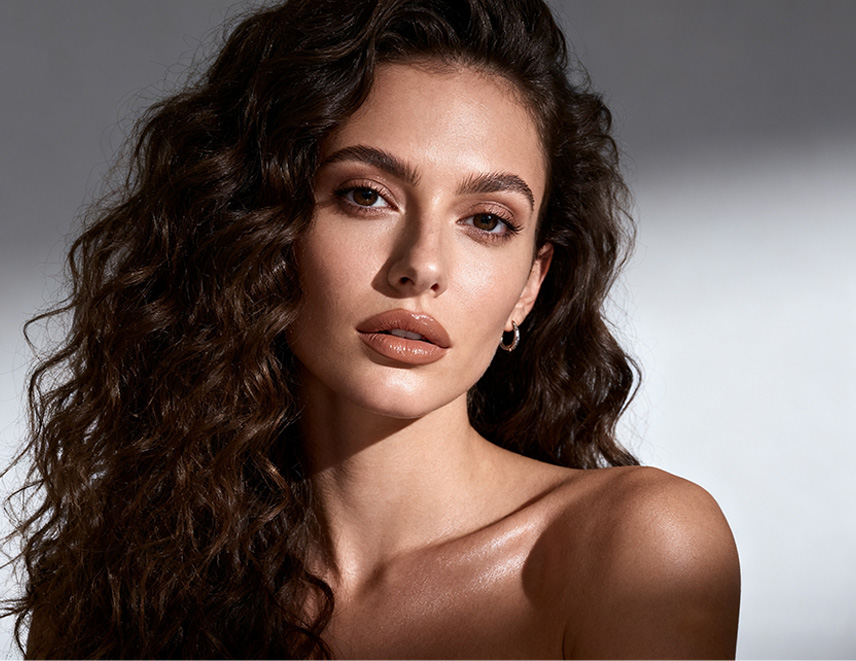
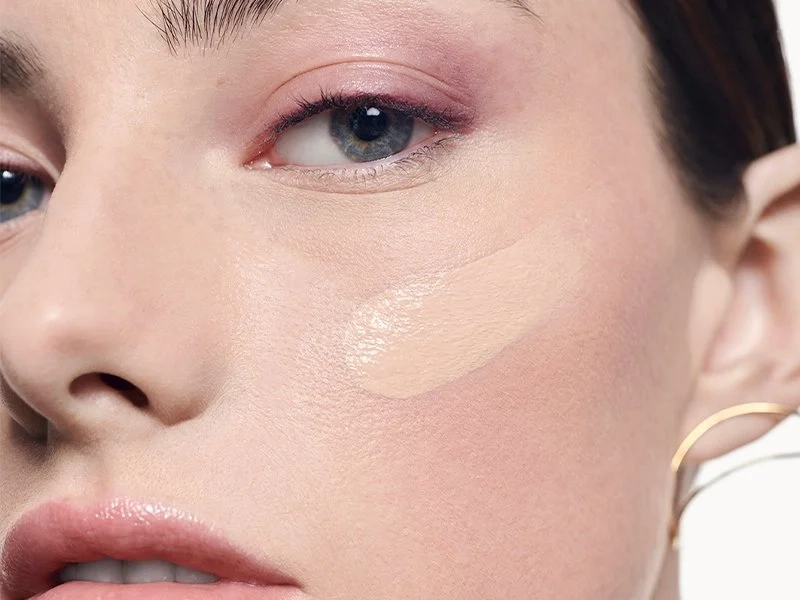
 It is 3:00 PM. You catch a glimpse of yourself in the office bathroom mirror or your car’s rearview mirror, and you pause. The foundation that looked perfectly porcelain or warm beige this morning has transformed. It now looks two shades darker, or worse, it has taken on a distinct, muddy orange tint. You haven’t been tanning; you have just become a victim of foundation oxidation.
For consumers, this is a daily frustration that leads to endless returns and negative reviews. For brands, it is a formulation challenge that can make or break a product launch. The demand for a non-oxidizing foundation is higher than ever, driven by high-definition cameras and a consumer base that values “true skin” looks over heavy masking. The solution doesn’t lie in just picking a lighter shade; it lies in advanced chemistry. Today, we are pulling back the curtain on the anti-oxidation formula technologies that prevent this color shift, ensuring that the shade you apply at 8 AM is the same shade you see at 8 PM.
The Science of the “Orange” Face
To solve the issue, we must first grasp the chemical process happening on the skin. Oxidation in cosmetics works much like what occurs when you slice an apple and set it out. The fruit’s inside meets oxygen. As a result, it browns. In the same way, the color bits and fats in your foundation respond to the air’s oxygen. Heat, sun rays, and the skin’s own makeup speed up this change.
Yet the main cause is usually not the color by itself. Instead, it is the liquid it floats in. When the fats and mixers in a creamy foundation blend with the skin’s own oils, they break down. This shifts how light bounces off the color. That is why bases tend to change more on greasy skin than on rough types.
The Role of Sebum and pH
Your skin creates an acidic setting. It usually holds a pH near 4.7 to 5.5. Certain color bits, especially some iron oxides for skin shades, react to pH changes. When a base joins the skin’s acid cover and extra fats, the mix’s build can wobble.
A solid fat-control base serves as the basic shield. It soaks up extra skin oils before they touch the colors. In this way, it slows or halts the change process. That is the reason makers often mix in open powders such as silica or special starches. These work like tiny cleaners. They keep the color dry and steady.
Environmental Aggressors
Internal reactions are not the only factor. Outside forces matter a lot too. Sun rays act as strong starters. They quicken the change reactions. This is why a base might keep its true color in cold months but shift to orange in warm ones. A strong mix must guard the colors from the sun’s beams. This trend of adding SPF grows. It protects skin, sure. But it also guards the color.
Decoding the Anti-Oxidation Formula
So how do leading makers halt this response? They built an anti-oxidation formula. It serves as a guard setup for the color. This takes a many-sided plan. They pick steady colors. Then they wrap them up. And they add guard agents around them. These agents take the damage to save the shade.
Making color-true base calls for the right mix between quick-dry liquids, which fade to fix the makeup, and seal makers, which lock it down. A seal that is too firm chokes the skin. One that is too slack lets oxygen flood in.
The Power of Antioxidants
Like how we eat berries to battle bad particles in our bodies, we put guards into cosmetics to fight those particles on the skin. The top one here is Tocopherol, known as Vitamin E. Makeup with Vitamin E handles two tasks. First, it feeds the skin. This stops the dryness that makes makeup split. Second, it reacts fast to oxygen. When air hits the base, Vitamin E takes the blow. It calms the change stress before it harms the colors.
OUYA’s Ultra-Coverage Matte Foundation utilizes this exact mechanism. By pairing Vitamin E with Hyaluronic Acid, the formula maintains a hydration barrier that keeps the pigments stable. The result is a color that stays fresh and vibrant, rather than dulling over time.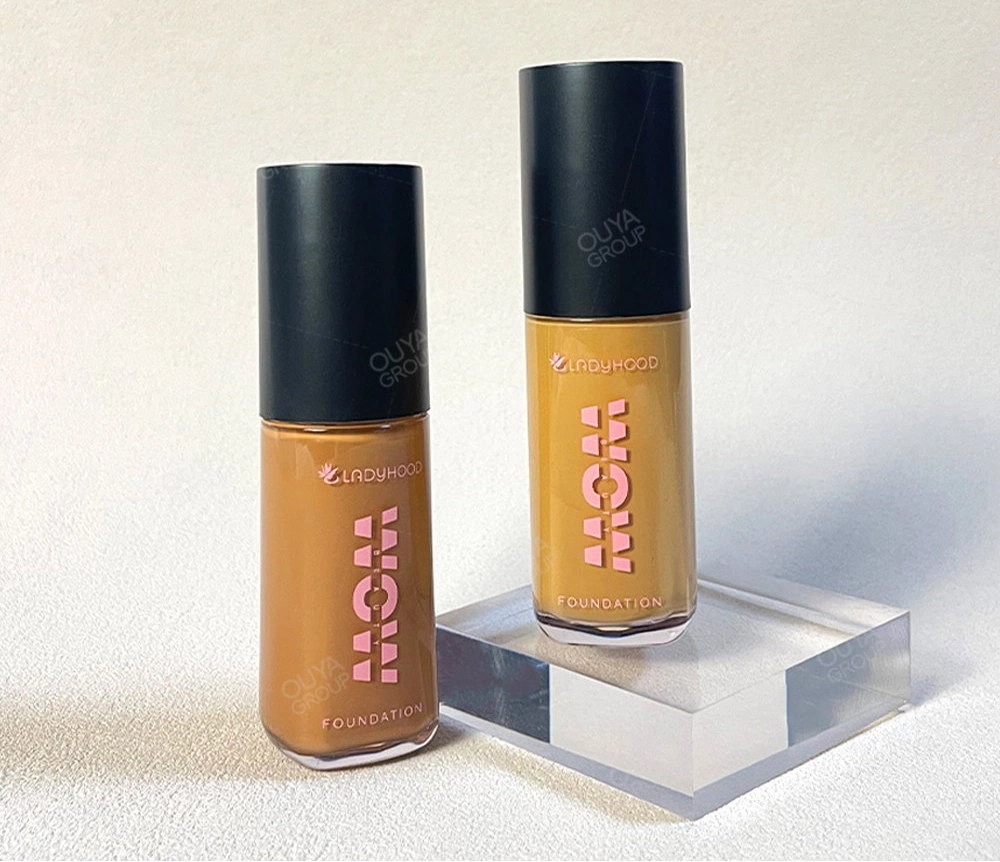 Pigment Coating Technolyog
The most advanced method for creating a non-oxidizing foundation is physical isolation. High-end manufacturers use treated pigments—iron oxides that are coated in a microscopic layer of silicone or amino acids. This coating acts as a raincoat for the pigment particle. It prevents the pigment from ever directly touching the skin’s sebum or the air’s oxygen.
Because the pigment is “wrapped,” it remains chemically inert. This technology is essential for private label foundation manufacturers aiming to produce professional-grade cosmetics. It ensures that a “Beige” shade remains “Beige” regardless of whether the wearer has oily, dry, or acidic skin.
Key Ingredients for Color Stability
When you are looking to develop or buy a foundation that resists oxidation, scanning the ingredient list is vital. It is not enough to just see “long-wear” on the label. You need to look for specific stabilizing agents that anchor the color.
For example, OUYA’s Long-Wearing Foundation integrates SPF30 specifically to block UV-induced oxidation, while using Camellia seed essence to maintain a “smooth fusion” with the skin. This dual-action approach ensures the finish remains even and clear, with absolutely no dullness.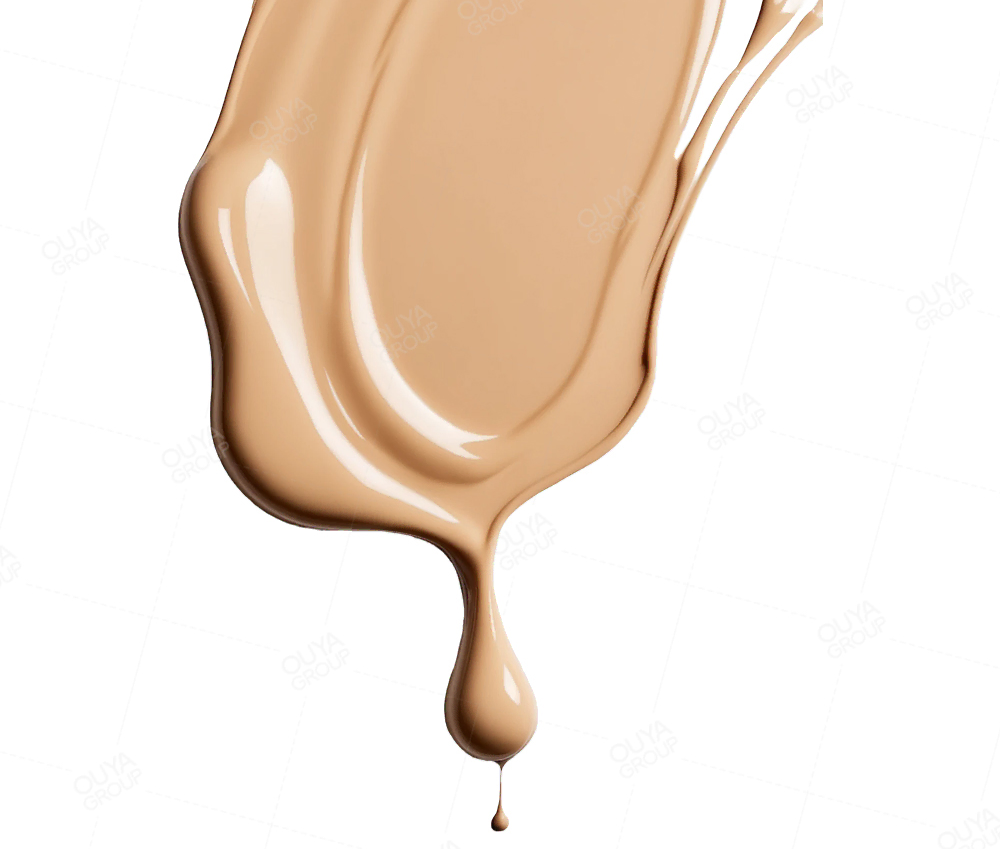 Choosing the Right Private Label Partner
For beauty brands, the stability of a formula is your reputation. If your first batch of foundation turns orange on your customers, they likely won’t buy a second. This is why selecting experienced private label foundation manufacturers is a strategic necessity, not just a logistical one.
You need a partner with a laboratory capable of simulating months of wear and tear in a few weeks. It is about stress-testing the formula before it ever reaches a shelf.
Rigorous Stability Testing
How do you know a formula is truly “non-oxidizing”? You test it under extreme conditions. A professional manufacturer will conduct “Color & Odor Stability Tests” and “Light Tests.” They place the foundation in specialized chambers that blast it with UV light and heat (often up to 45°C/113°F) for weeks.
At OUYA, our R&D center performs these accelerated stability tests to predict how the product will behave over its entire shelf life. We verify that the Vitamin E infused makeup retains its potency and that the oil-control foundation mechanism doesn’t break down over time. Only formulas that pass these rigorous checkpoints make it to production.
Customization for Skin Types
One size does not fit all in a foundation. A formula designed for dry skin needs different anti-oxidation strategies than one for oily skin. Oily skin needs stronger oil absorbers; dry skin needs better hydration to prevent the pigment from drying out and darkening.
OUYA offers deep customization, from the 2-in-1 Concealer & Foundation for high coverage needs to lightweight mousse textures. We help brands tweak the oil-to-water ratio and active ingredient levels to ensure the final product delivers on the promise of “True Color” for their specific target demographic.
Conclusion
Achieving a “no oxidation” finish is not magic; it is a triumph of modern cosmetic engineering. By utilizing amino-acid coated pigments, integrating powerful antioxidants like Vitamin E, and employing advanced oil-control technologies, we can finally say goodbye to the dreaded mid-day orange shift.
As a leading makeup manufacturer, OUYA has 23 years of experience in color cosmetics and a modern factory covering 62,000 square meters with an annual output of over 200 million pieces. All products strictly adhere to international certification standards. Whether you need a matte foundation that withstands humidity or a hydrating base that stays bright, our R&D team ensures your product remains true to its color—and true to your brand’s promise.
Ready to create a foundation line that stays flawless all day? Contact us today at contact@ouyabeautygroup.com for expert formulation services.
FAQs
Q: Why does my foundation turn orange after a few hours?
A: It is likely oxidizing due to a reaction between the pigments, your skin’s natural oils, and air. Using a non-oxidizing foundation helps prevent this.
Q: Can a primer help prevent foundation oxidation?
A: Yes. A silicone or water-based primer creates a barrier between your sebum and the makeup, which helps an anti-oxidation formula work even better.
Q: Does OUYA offer vegan options for private label foundations?
A: Absolutely. As top private label foundation manufacturers, we can customize Vitamin E infused makeup using entirely plant-based and cruelty-free ingredients.