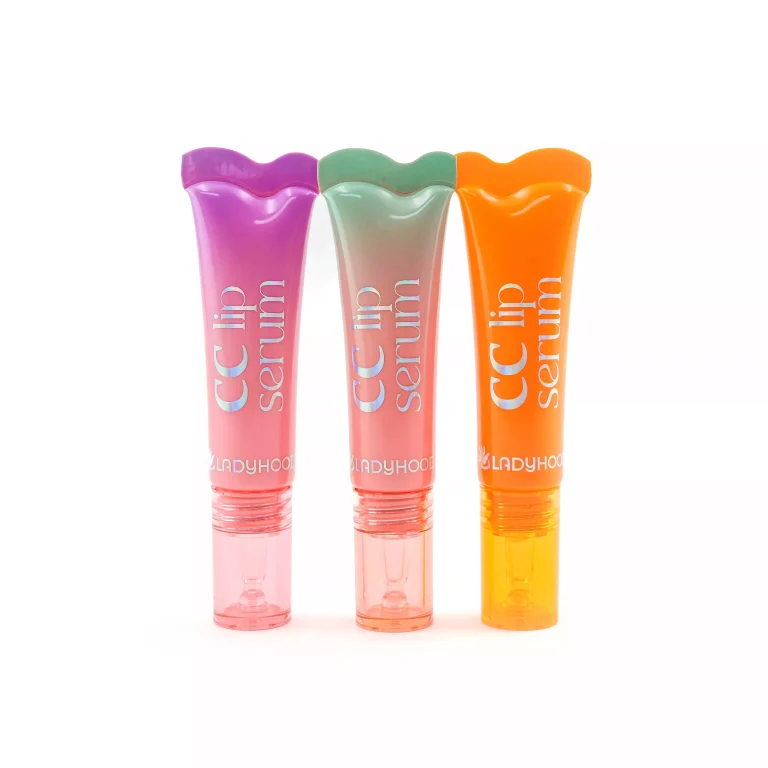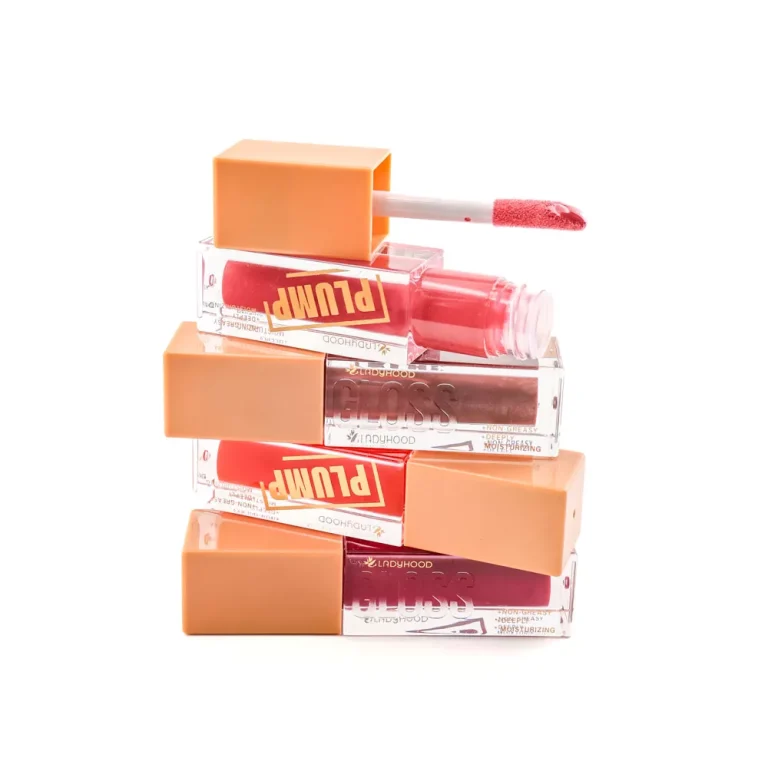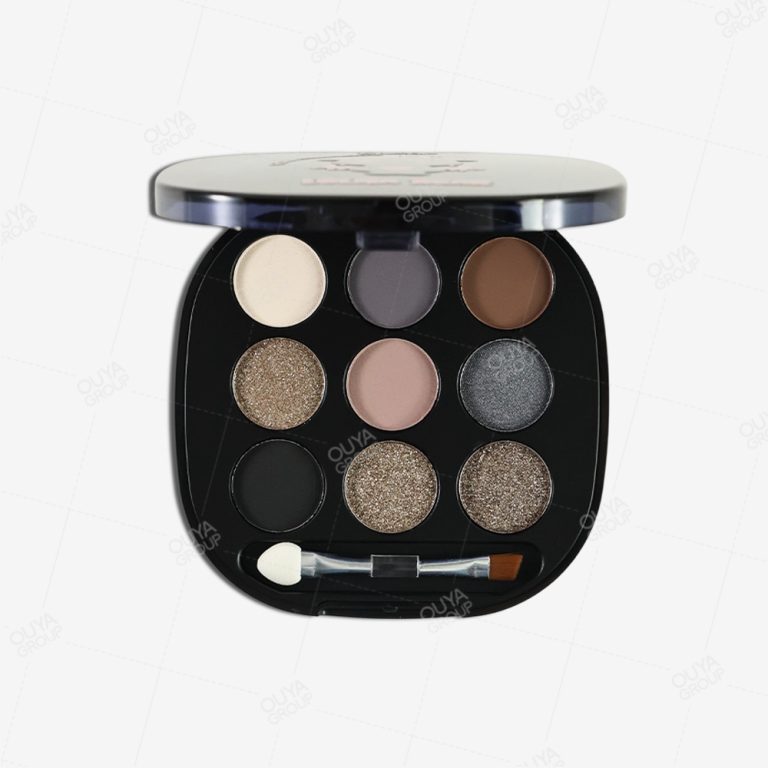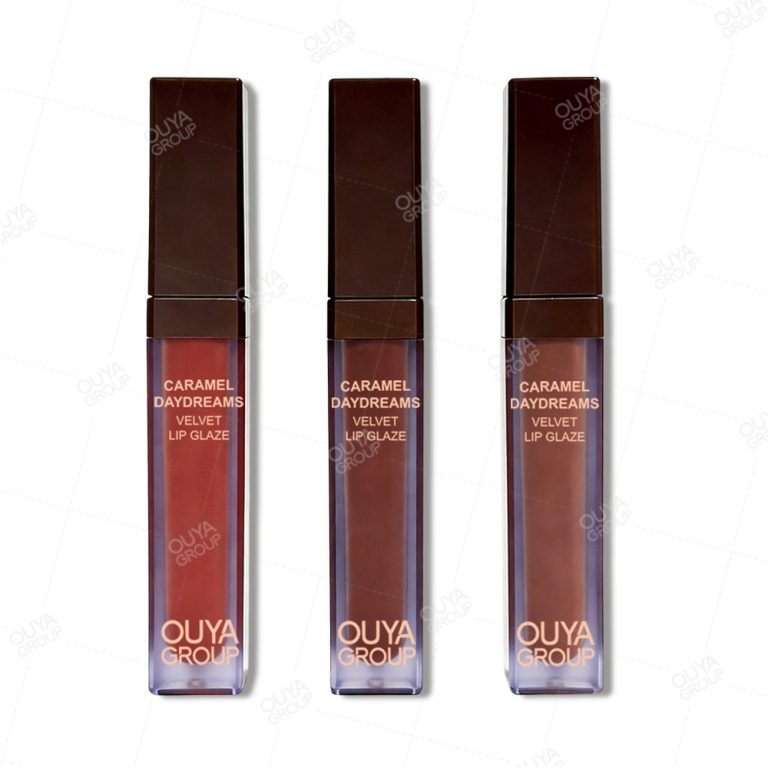
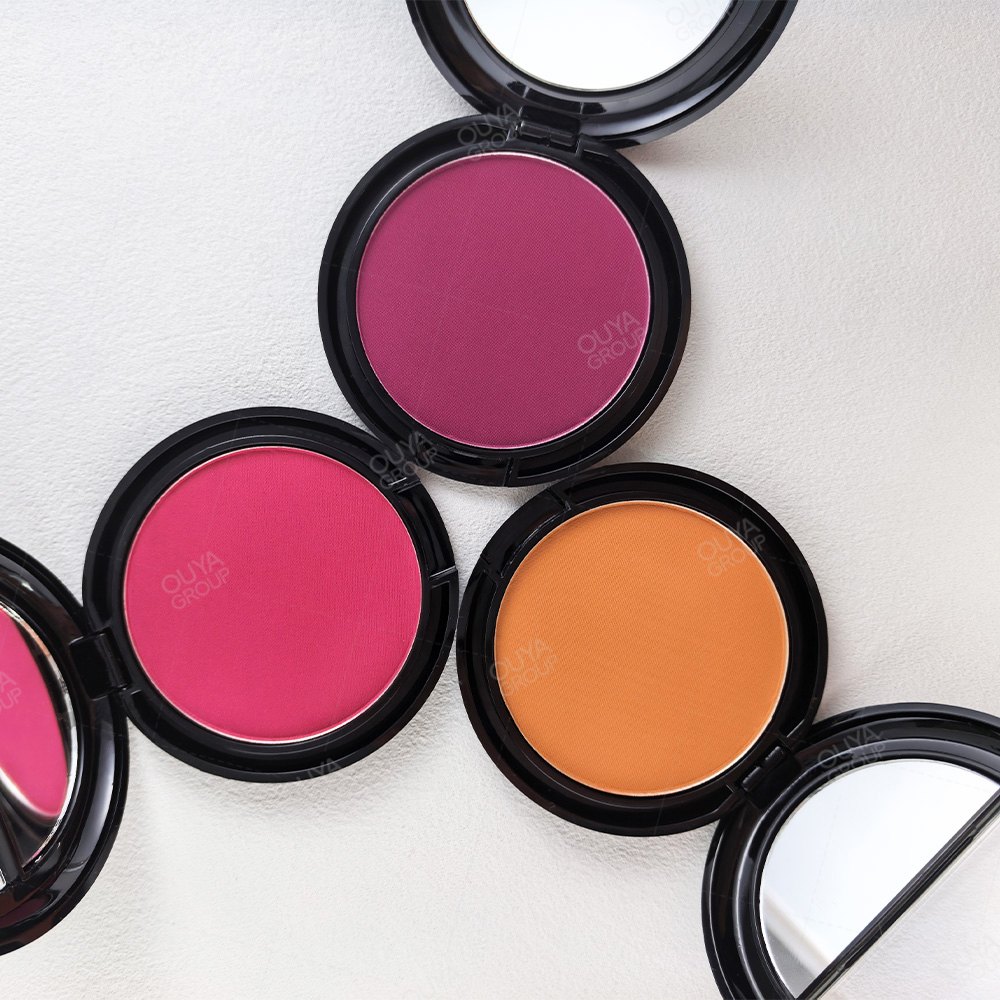
Fig. 1 Blush Powder (FP0001-A04)
Oily-skin blush is a harder retail problem than it looks. The wrong texture can slide, fade, lift foundation, or turn a fresh cheek into unwanted shine. Buyers need a practical way to compare cream, liquid, and powder formats before they commit to packaging and claims.
Oily Skin Changes the Meaning of Blush Wear
Blush wear on oily skin is not only about pigment strength. Sebum can soften the base, move color at the cheek center, and make dewy textures look heavier by midday.
A private-label brief should first define whether the line wants a soft matte flush, a translucent dewy stain, or a familiar powder finish. Each choice can work, but each asks for different testing. The buyer should not approve a format from trend value alone.
Powder handles shine but can look flat
Powder blush can help oily-skin shoppers because it sits drier on the surface and can support a polished look. OUYA BEAUTY‘s floral-embossed powder blush direction uses fine smooth powder, buildable color, subtle luminosity, long wear, and a decorative pan effect.
Cream and liquid need controlled slip
Cream and liquid blush formats can look fresher, but they need controlled slip and dry-down. A bouncy cream can blend without tugging, while a liquid can deliver a small dose with strong color payoff. The format should respect the base makeup underneath.
The Best Format Depends on the Retail Job
The best blush format depends on what the retailer wants the product to do. A blush stick may suit portable touch-ups. A liquid may suit viral color payoff and precise dosing. A powder may suit palettes, embossing, and customers who already use brushes.
OUYA BEAUTY’s color-changing blush gives another route for retailers that want play value without turning the launch into a toy-like item. It glides on like jelly, blends with fingers, and can work as blush, highlighter, and lip tint. For oily skin, that kind of multi-use claim needs careful shade, transfer, and finish review.
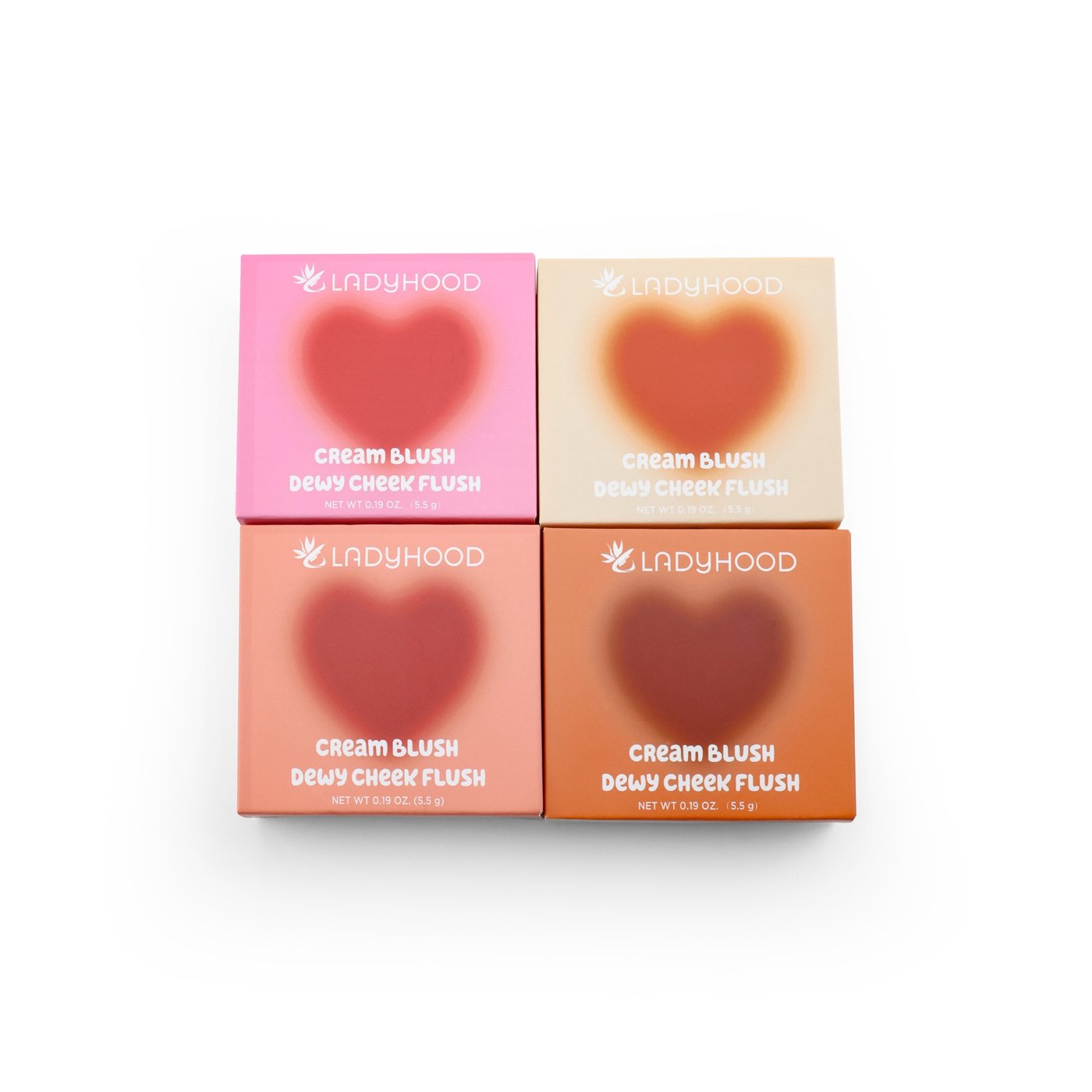
Fig. 2 Dewy Hydrating Blush Balm ( FBS0001-A15)
Testing Should Imitate the Base Underneath
Testing should imitate the makeup base because oily-skin blush rarely sits on bare skin in retail use. A blush may perform well on the arm and still lift foundation on the face. A private label cosmetics ODM team should compare products over representative matte, natural, and dewy base systems.
The phrase blush stick vs powder often hides a bigger question: does the shopper need portable convenience or more oil control? If the product is carried in a bag, component strength and cap fit matter. If the product sits in a palette, pan adhesion and fallout matter more.
A useful test card asks the same questions
A useful test card keeps the format comparison fair. Each sample should be judged for pickup, blend time, finish after ten minutes, color after wear, transfer, base disturbance, and packaging risk. Equal lighting and equal base products make the decision clearer.
Compare color after warm-room wear, not only after the first swipe.
Check whether the blush lifts foundation around the cheek center.
Review packaging leakage, pan breakage, or cap looseness before artwork approval.
Retail Education Should Keep the Choice Simple
Retail education should make the format choice easier without sounding like a technical lecture. Shoppers comparing blush types want to know which product gives a natural flush, which controls shine, and which is easiest to blend. The sales message should answer that practical question first.
For B2B buyers, powder can be positioned for polished control, cream for soft blendability, and liquid for high-impact color. If the line includes a color-changing or multi-use product, the copy should clearly state the use areas and avoid implying that every pigment is suitable for every market without review.
The merchandising route should follow the same logic. Powder blush can sit comfortably in face palettes or embossed single pans, while cream and liquid formats need packaging that protects texture and dosing. The phrase cream blush vs powder blush for oily skin belongs here because the shelf story should make wear control visible without making the product feel clinical.
Shade planning also matters because oily skin can make warm blush tones look stronger as the base wears. A first range can include one neutral pink, one warm coral, and one deeper rose to test undertone behavior before the brand expands. Low MOQ sampling helps answer that question with less inventory risk.
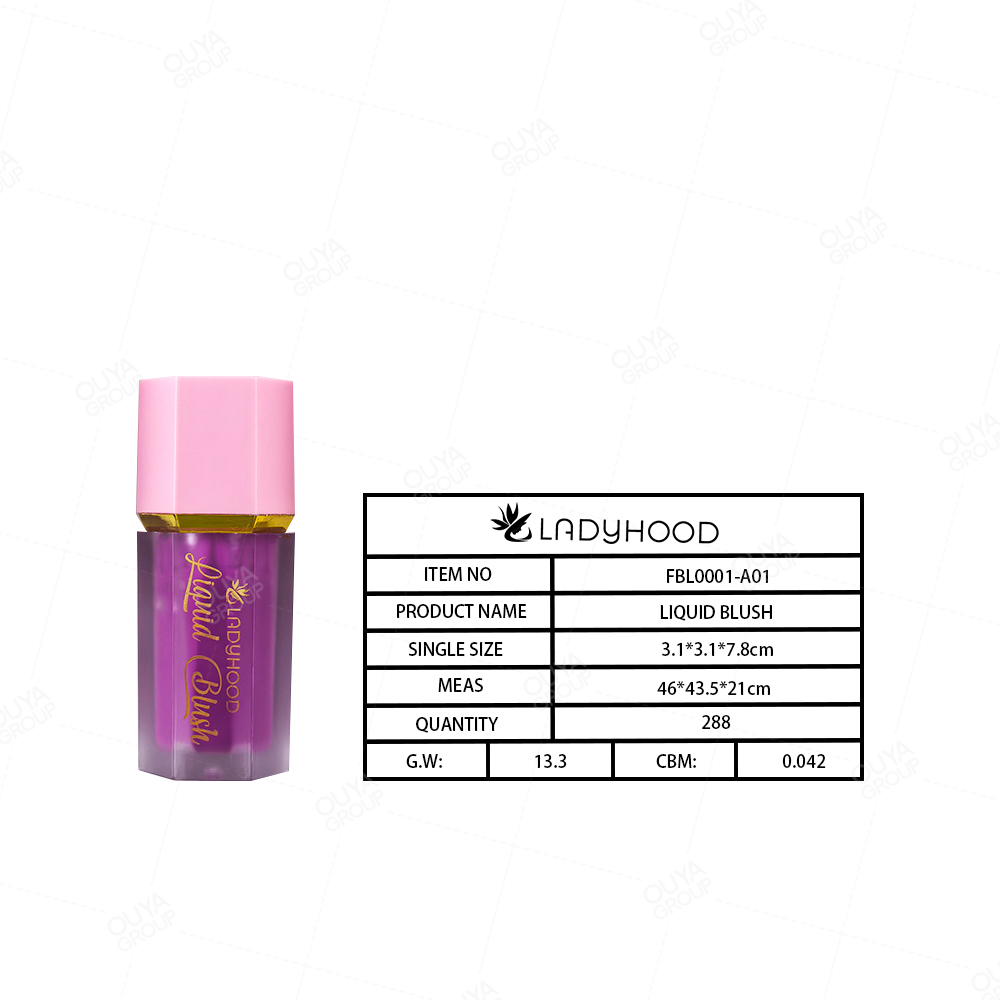
Fig. 3 Liquid Blush (FBL0001-A01)
Summary
Blush for oily skin will work well if the combination of format, finish, and base suitability is all considered at once. Powder may be the most reliable method to control things, while cream can provide a softer and more modern look to the cheeks.
For a blush line aimed at oily or combination skin, talk with OUYA BEAUTY with the intended texture, color family, packaging direction, low MOQ needs, and U.S. or European market plan.
FAQ
Is powder blush better for oily skin?
Powder blush is usually less problematic for oily skin; however, it will still need to pick up easily and be luminous enough to not look too dry.
Can cream blush work on oily skin?
Yes, when the formula has controlled slip, a stable dry-down, and a finish that does not become greasy over foundation.
Is liquid blush better than powder?
Liquid blush can give stronger payoff with less product, while powder can be easier to control. The better choice depends on the retail job.
Why does blush disappear on oily skin?
Blush can fade when sebum softens the base, the pigment does not adhere well, or the product moves during normal face touching.
What should buyers test before choosing a blush format?
Buyers should test payoff, blend time, transfer, base disturbance, heat behavior, packaging stability, and the clarity of the retail explanation.