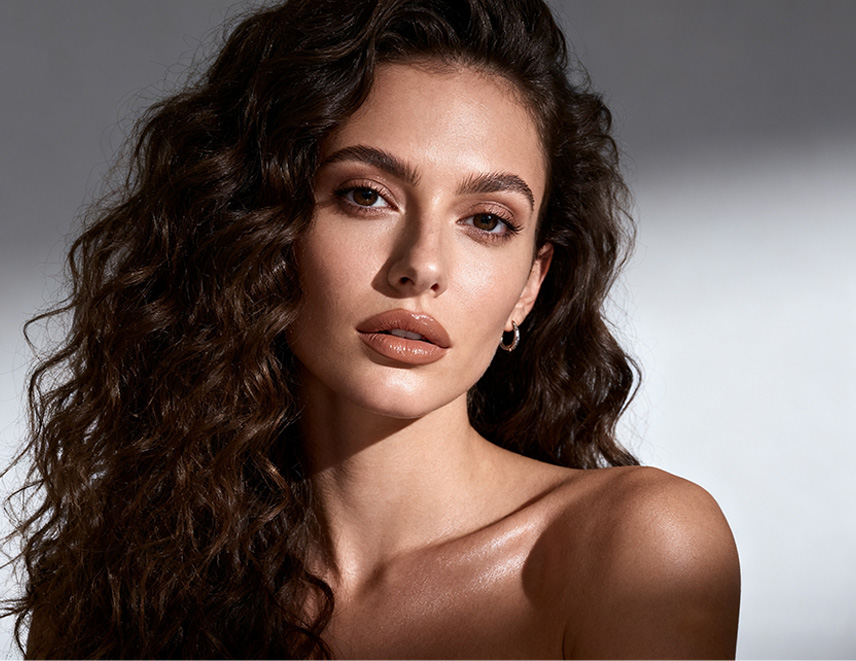
A second lipstick shade needs a reason to share the tube. For supermarket and specialty beauty buyers, the useful question is how that pairing fits an assortment: two everyday choices, a coordinated light-and-deep combination, or a change of finish. The formulation should make the intended relationship easy to see and comfortable to use.
Two shades with a shared purpose
Each end should have a clear role in the proposed range. A private label lipstick duo might pair a muted rose with a deeper berry, giving shoppers two standalone choices. Another concept might use related shades for a softly graduated lip look. These are illustrative directions, with different reasons for putting two colors together.
The pairing deserves review as a single product. Evaluate whether both shades suit the intended customer, whether the difference remains visible after application, and whether the pack can explain that relationship simply. Two individually attractive colors do not automatically make a useful combination.
An assortment also needs variation between pairs. If every duo repeats the same pale shade, a buyer should question what each additional item contributes. A practical review would compare the proposed pairs side by side, looking for distinct choices without making one end feel like an unwanted extra.
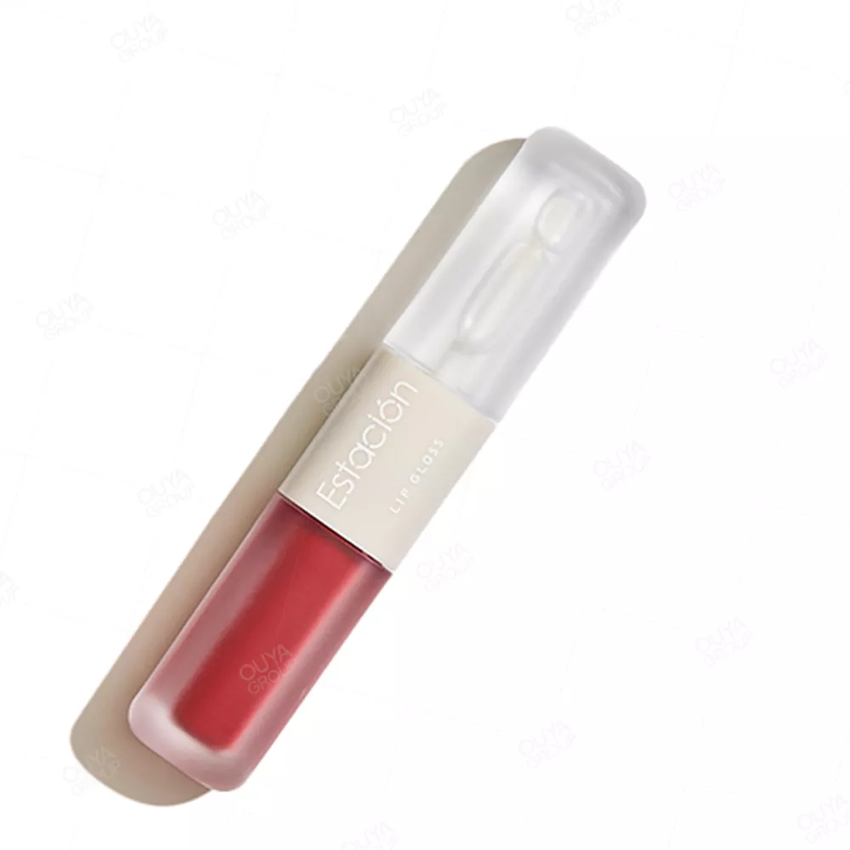
Fig. 1 Long-lasting Two-step Liquid Lipstick (LST0001-A15)
Texture gives the color pairing its character
Texture determines how the selected shades feel during application. Emollients influence glide, structuring ingredients help a stick retain its form, and pigment dispersions contribute color payoff. Changing the finish therefore involves more than choosing a different shade. A development brief should describe both the visible result and the desired feel.
A concrete starting point helps separate existing product attributes from proposed variations. OUYA BEAUTY offers Duo lip stick LST0001-A13, a dual-ended format with two distinct shades in one tube.
Its formulation combines moisturizing attributes with a lightweight, non-sticky feel and long-lasting color designed to resist bleeding and feathering. Those attributes provide useful sample-review criteria; they do not establish a measured wear duration.
The two-shade configuration also leaves a separate finish decision. A matte-and-satin pairing would be a development proposal, not an established specification of LST0001-A13. Buyers can compare the following illustrative concepts before requesting changes to the formula.
The useful choice is the pairing with the clearest purpose. A shared finish may serve two everyday colors well, while a contrasting finish needs a specific role in the range. Extra formula complexity should earn its place through the product experience.
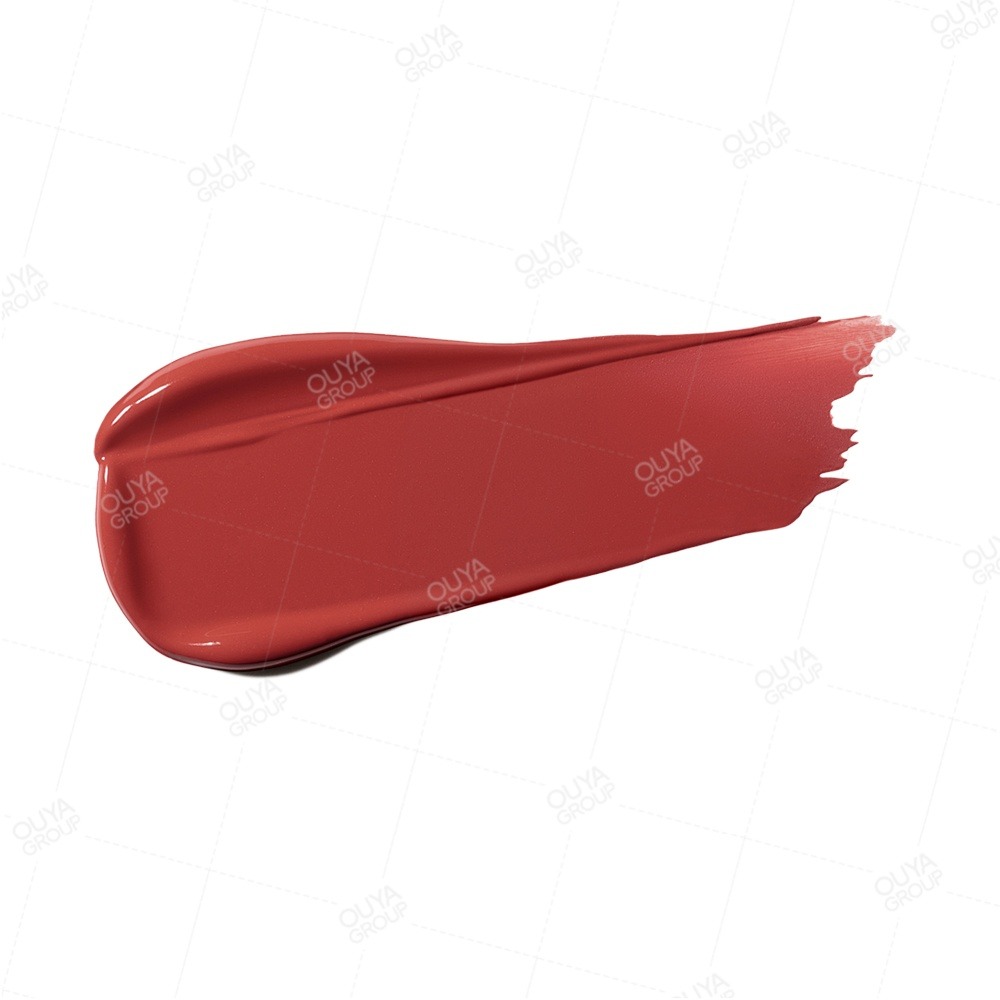
Fig. 1 Texture Display
Separate shade approval and combined application
Each shade needs an assessment on its own before the duo is judged together. Review color payoff, glide, coverage and the feel after application under consistent conditions. Record which end is being assessed. An attractive result from one side should not hide dragging, uneven coverage or an unwanted feel from the other.
Layering requires its own review when it forms part of the product promise. Try the intended application order and amount, then examine the resulting color and feel. A second layer might change the first shade’s appearance. The combined result needs to match the concept, rather than merely looking acceptable as two separate swatches.
Wear claims should follow the tested way of using the product. A long lasting lipstick claim does not establish transfer resistance, and a dual-ended tube does not itself extend wear. If the range promotes blended shades, evaluate that application as well as each end alone before setting the final claim wording.
For buyers comparing private label makeup manufacturers, paired samples offer a more relevant discussion than unrelated best sellers. Ask how changes to either shade will be reviewed alongside its partner. This keeps development focused on the item the retailer will actually stock.

Fig. 3 Production shot photo
The finished tube must preserve the pairing
The actual pack belongs in the evaluation once the color relationship is established. Check how clearly the ends can be identified, how each cap opens and closes, and whether each stick extends and retracts cleanly. Assess the assembly with the selected formulas, since an empty component cannot demonstrate the finished application experience.
Shade and texture checks should continue through finished-pack stability evaluation. Review appearance, odor, surface changes and physical condition using an agreed test plan. Keep storage observations separate from wear observations: a stable stick and a satisfying lip result answer different questions, and both matter to the proposed duo.
The same pairing needs to survive the move from approved samples to production. In cosmetics contract manufacturing, retain an approved reference for each end and identify the pair as one finished configuration. If one side changes, reassess its relationship with the other before accepting the revised item.
Development support is most useful when it keeps those decisions connected. OUYA BEAUTY provides private label branding, OEM/ODM customization and sample-development support. Its R&D consultations can help refine the proposed duo through sampling, while the buyer keeps the intended shade relationship and application experience at the center of review.
A duo that earns its place in the range
A convincing duo gives both ends a purpose and makes their relationship clear. Color selection establishes the idea; texture and application checks determine whether it works; finished-pack review carries it into the stocked product. The next useful step is to review a paired sample against that complete concept, with claims tied to the final configuration.
FAQ
Do two lipstick ends require different base formulas?
Not necessarily. Two shades can use a similar base with different color systems. A distinct finish may require broader formulation changes. Each finished shade still needs assessment, even when the base is shared.
Can matte and glossy textures share one product?
Yes, dual-format lip products can combine different finishes. Treat the proposed combination as a separate development choice and confirm suitable components, texture performance and application instructions through sampling.
Can both shades be layered?
Layering can be part of the concept when the combined result has been evaluated. Check the intended order and amount for color, feel and wear; two appealing individual shades do not establish a successful layered result.
Does a dual-ended lipstick last longer on the lips?
The format alone does not establish longer wear. Support any duration claim with evidence for the relevant formula and application method, including layered use when that is promoted.
How should buyers compare duo lipstick samples?
Compare each end independently, then assess the pairing and finished pack. Use the same application conditions and agreed references so differences in shade, feel or operation are easier to identify.