A supermarket buyer can approve an attractive foundation sample and still end up with the wrong product for the shelf. A sheer base may disappoint shoppers expecting visible blemish coverage; a heavily perfected look may miss customers who want their freckles to remain visible. For private labels, the useful choice is the coverage promise customers can recognize and the factory can reproduce, with texture and finish specified separately.
The coverage promise behind the purchase
Light coverage softens uneven tone while leaving more of the skin’s natural appearance visible. Full coverage conceals more discoloration and creates a more uniform base. Neither description establishes how comfortable the product feels, how reflective it looks, or how long it wears.
A retailer should therefore separate coverage from the other reasons people choose foundation. Matte describes finish; lightweight describes feel. A full coverage foundation can have a fluid texture, while a cream foundation can be applied in a thin layer. Treating these terms as interchangeable makes an assortment harder to explain.
The comparison below defines product directions rather than guaranteed performance for every formula.
These differences give buyers a reason to stock either option. The next decision is how the formula delivers that result in ordinary use.
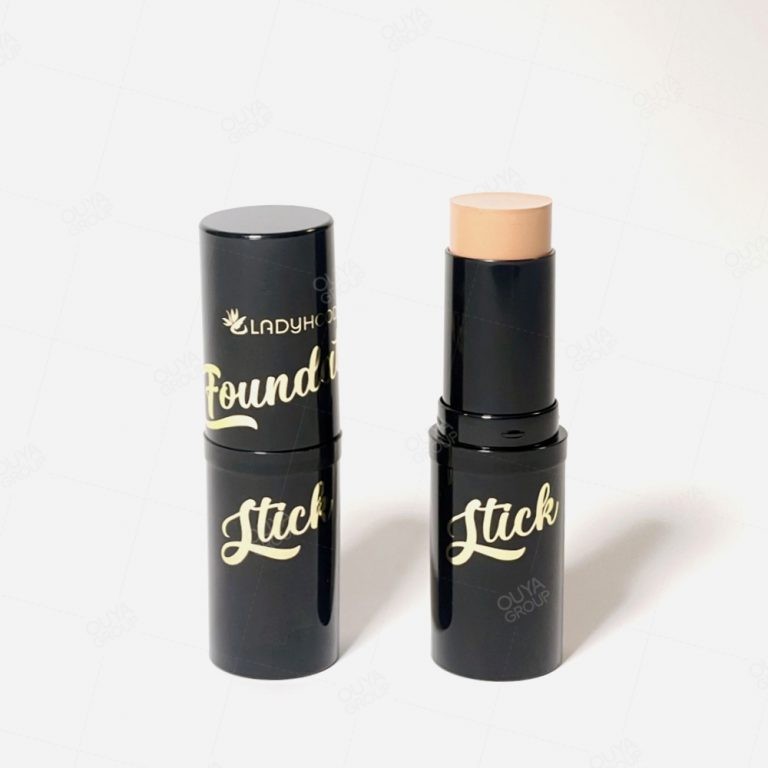
Fig. 1 Black-Gilded Satin-Moist Full-Coverage Foundation Stick (FS0001-A01)
Texture and finish change the coverage experience
Pigment level alone does not tell a buyer how a foundation will spread. Pigment treatment and dispersion also influence formulation behavior. High pigment loading can coexist with a low-viscosity texture, so thickness is a poor shortcut for judging concealment. A sample needs to demonstrate the intended result on skin.
Packaging format is another separate choice. OUYA BEAUTY offers a satin-moist foundation stick as a full coverage foundation option. That combination is useful when a retailer wants a portable format with a more perfected appearance. It does not mean every stick performs identically, or that full coverage requires a matte finish.
A useful evaluation compares the first application with a second thin layer. Look for improved concealment, an even surface and comfortable blending. Record the amount used and application method so a change in technique is not mistaken for a change in formula quality.
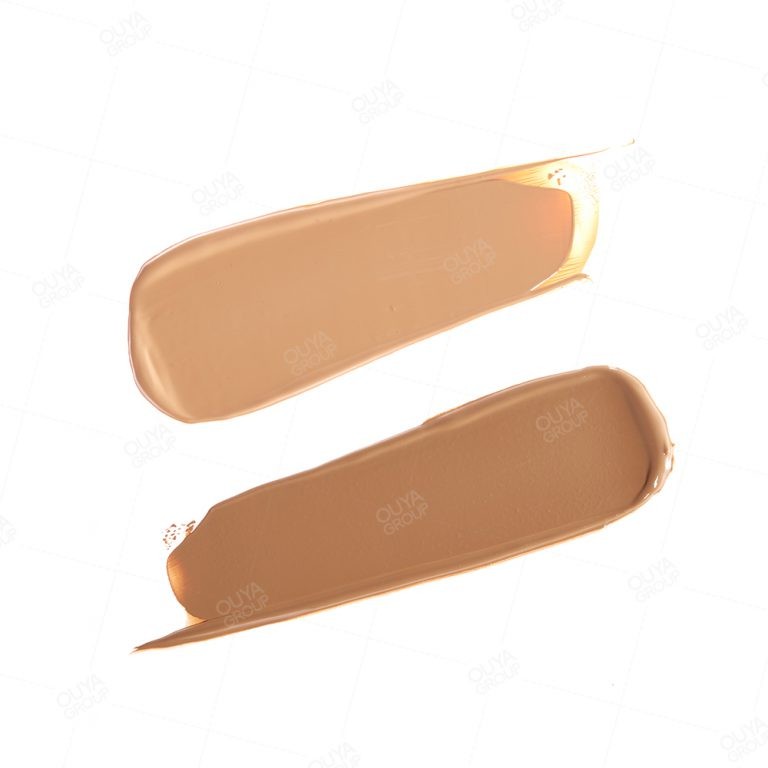
Fig. 2 Texture Display
Buildable formulas give retailers another route
Buildability can bridge different coverage preferences within one product. It describes the ability to add coverage in layers, rather than a fixed point between light and full. The important question is where the formula begins and how far it can go while maintaining the intended finish.
Our Soft Touch Mousse Foundation, formula FF0001-A11, combines buildable natural coverage with a velvet-matte finish and a lightweight feel. It also provides mild hydration. For a retailer, this is a development direction for customers who want adjustable coverage without a luminous finish; hydration and visible shine need separate evaluation.
Our cream foundation, identified as FBS0001-A13, offers a smooth, buildable texture, tone evening and a luminous effect. Its emphasis on blurring the appearance of pores and fine lines gives the buyer a different complexion proposition. These are separate formula characteristics, not evidence that either product suits every shopper or delivers a measured wear duration.
When comparing private label makeup manufacturers, ask how each proposed base changes after another layer. A mousse and a cream may both be buildable yet produce different finishes. Retail positioning should reflect that distinction instead of presenting both as interchangeable solutions.
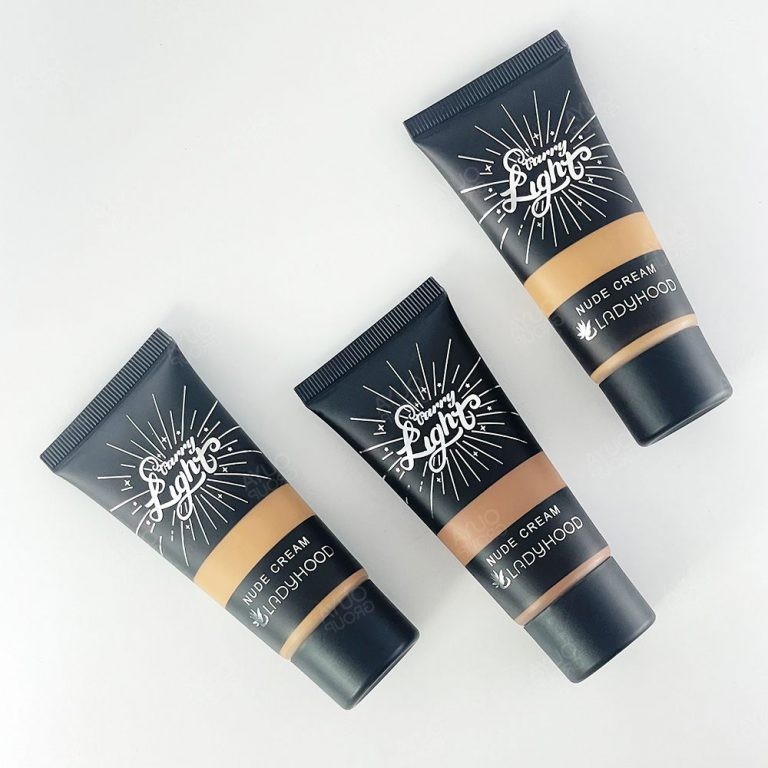
Fig. 3 Fluid Perfection Liquid Foundation (FCC0001-A03)
Different markets need a testable retail proposition
A country label is too broad to settle the coverage decision. Buyers serving supermarkets and specialist beauty stores should examine their own assortment, customer questions and return reasons. Use those signals to decide whether the missing offer is understated correction, stronger concealment or adjustable coverage.
For example, a hypothetical retailer might compare an everyday light-coverage base with a fuller-coverage option for customers seeking more concealment. Another retailer might prioritize one buildable formula. These are assortment choices to validate with customers, not claims about what all American or European shoppers prefer.
The manufacturing discussion becomes more useful once that choice is clear. In cosmetics contract manufacturing, define the first-layer result, desired finish and acceptable behavior when layered. Compare samples against the same reference look. A general request for a premium foundation leaves too much room for different interpretations.
Shade evaluation belongs in that comparison because coverage cannot compensate for a poor color match. Check representative shades on the intended users, including undertones, rather than approving the whole range from one attractive sample. Let the observed results determine which coverage direction earns shelf space.
A foundation range with a clear reason to exist
A strong private-label range gives each foundation an understandable role. Light coverage serves subtle correction; full coverage offers stronger concealment; buildable formulas provide flexibility within their demonstrated limits. Choosing among them requires a clear view of the finish and feel customers expect, followed by a fair sample comparison.
Discuss your intended coverage result with OUYA BEAUTY so we can explore a suitable formula direction for your retail range.
FAQ
What does light coverage foundation mean?
It means a relatively sheer result that evens the complexion while leaving natural skin characteristics visible. Retail copy should make this expectation clear rather than imply complete concealment.
Does full coverage foundation always feel heavy?
No. Coverage and texture are different properties, and high coverage can be delivered in a relatively fluid formula. Assess the finished sample’s feel instead of relying on the coverage label.
Is buildable coverage the same as full coverage?
No. Buildable describes layering behavior. Some formulas build from light toward medium, while others achieve stronger concealment. Confirm the actual starting point and useful layering range before naming the product.
Can matte foundation also offer hydration?
Yes. A matte finish describes the visible appearance, while hydration is a separate product characteristic. OUYA BEAUTY’s FF0001-A11 mousse combines a velvet-matte finish with mild hydration; that does not establish a universal result for every skin type.
Should a private label launch both coverage levels?
Only when each has a clear role for the intended customers. Compare a two-product assortment with one buildable option, then validate whether shoppers understand and value the difference before committing to a broader range.