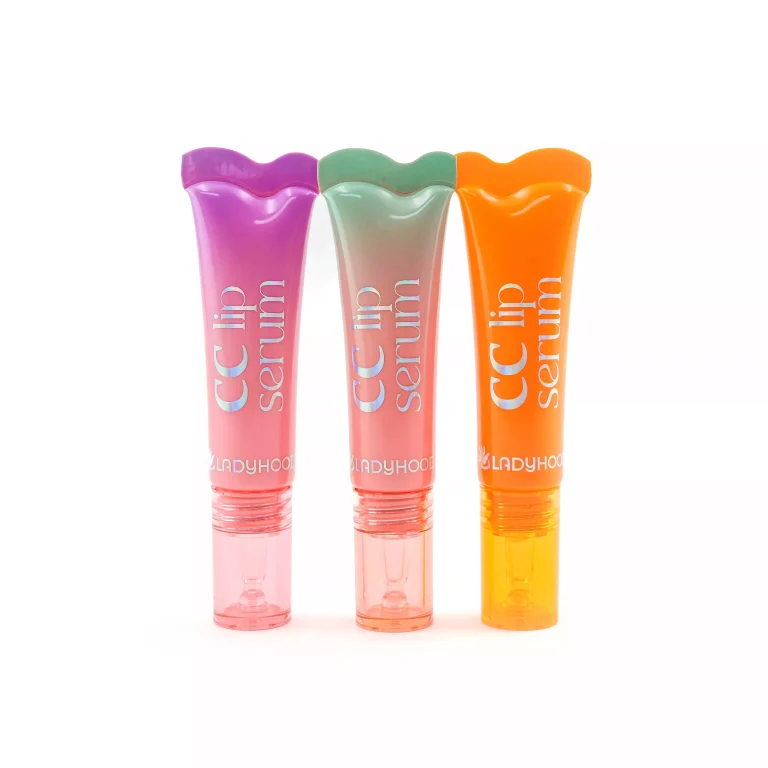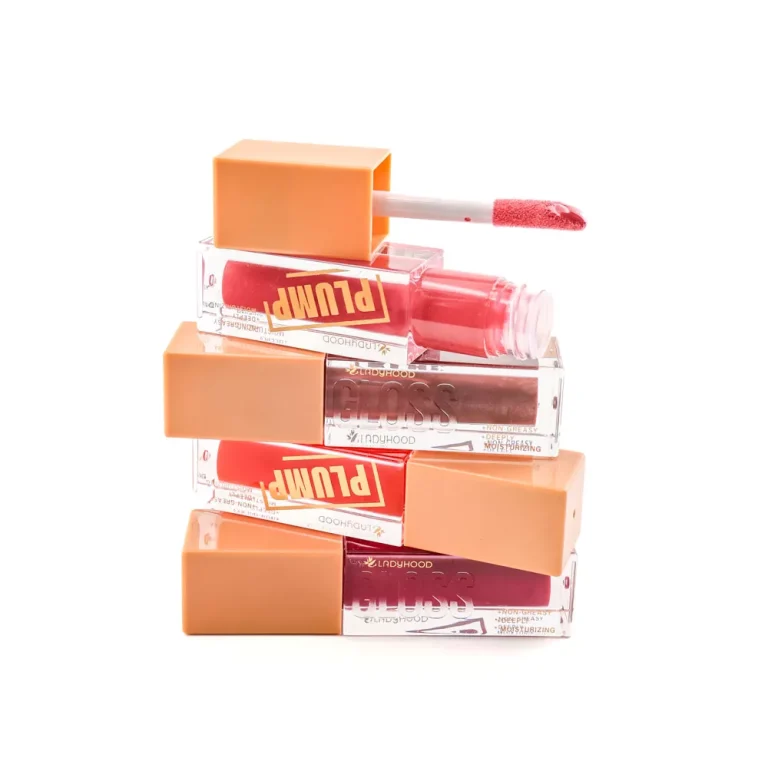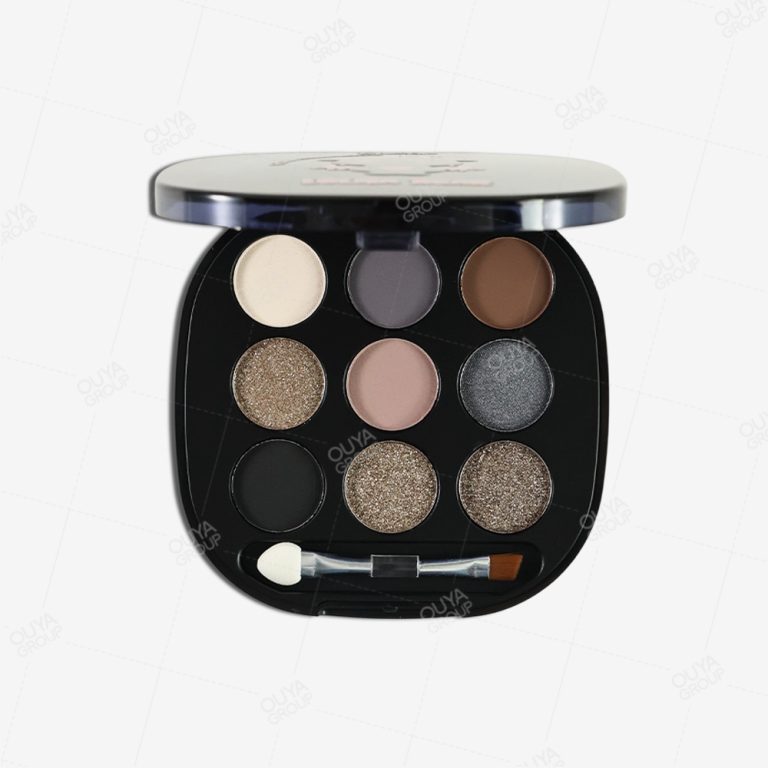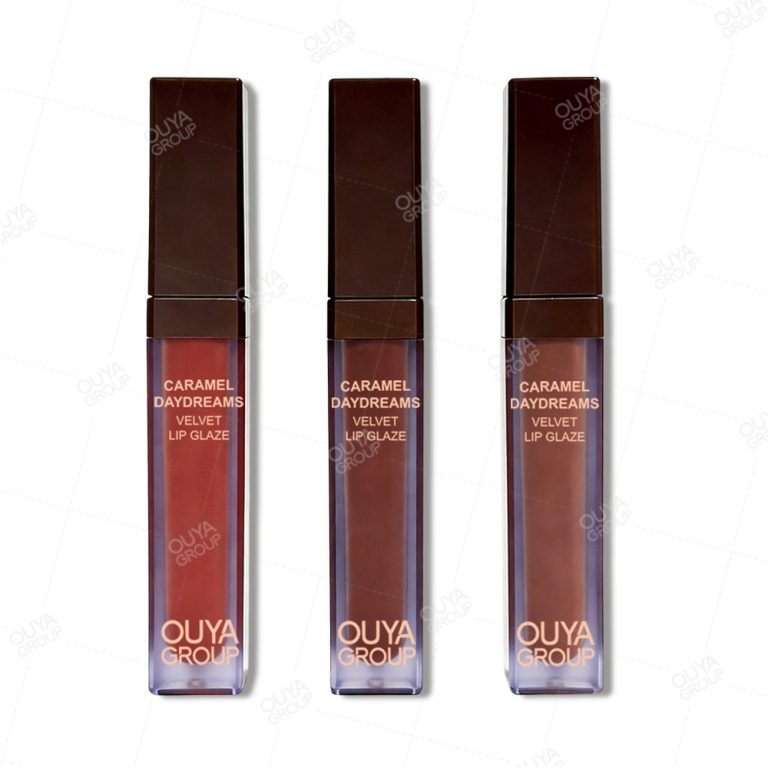
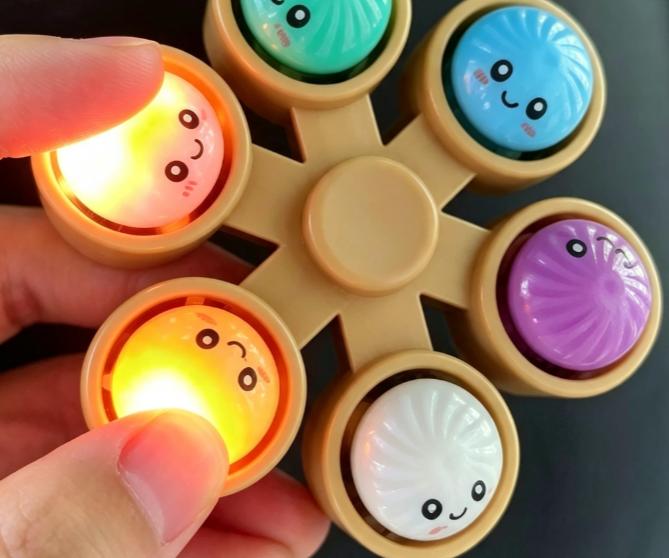
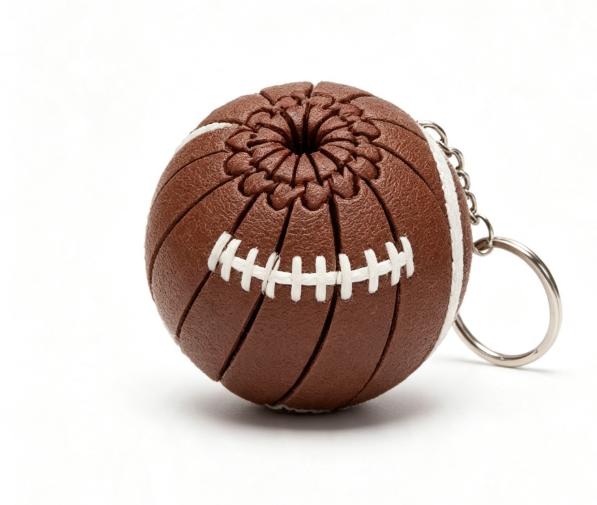
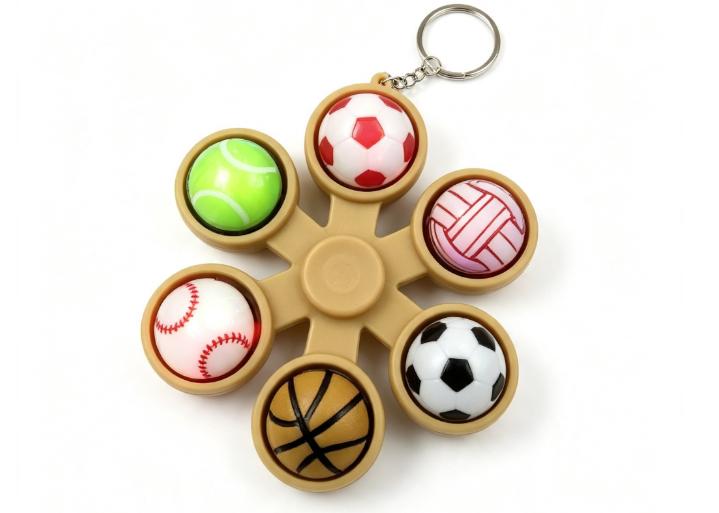
Las tiradas pequeñas no requieren ideas pequeñas. Una línea de bálsamo labial o brillo de labios puede resultar atractiva para regalar y coleccionar si su formato es fácil de manejar y el envase motiva al comprador a elegirlo. El nuevo spinner luminoso, el juguete antiestrés con forma de balón de fútbol, el llavero con teclado y luces, los llaveros con motivos antiestrés, las piezas telescópicas y apilables, y los llaveros articulados apuntan a lo mismo: el movimiento puede vender, pero solo si el bálsamo o el brillo de labios sigue funcionando como un producto de uso diario.
Por qué las líneas con MOQ bajo todavía necesitan un rol claro
Un lanzamiento con un MOQ bajo funciona mejor cuando la función es específica: hidratación diaria, color claro o un pequeño complemento para regalar. Cuanto más intenta hacer el producto, más difícil es explicar el precio y el empaque. pomada para labios La búsqueda suele ocultar un deseo sencillo: algo fácil de usar que resulte un poco más agradable que un tubo común y corriente.
El cuidado diario y el valor del regalo pueden ir de la mano.
OUYA BELEZAEl bálsamo labial hidratante con aceite de coco de [nombre de la marca] es una referencia útil porque combina hidratación y una sensación fresca y no pegajosa. Esto facilita imaginar una versión que se pueda llevar en un llavero o en un envase original sin perder su función de uso diario. La línea debe seguir comportándose como un producto para el cuidado de los labios, no como un accesorio.
La primera muestra debe definir el caso de uso.
El equipo debería decidir si la línea es una bálsamo labial con colorUn híbrido de brillo y bálsamo, o un tratamiento labial independiente, ya que cada opción modifica el cierre, el color y las expectativas del consumidor. Un bálsamo labial personalizado no debería presentarse como un juguete; debería ser un producto en el que el cliente confíe lo suficiente como para llevarlo consigo a diario.
Lo que debería hacer el concepto del llavero
El movimiento del producto debe tener una función. Un spinner con luz invita a manipularlo, un juguete antiestrés con forma de balón de fútbol le da un toque deportivo, un llavero con teclado y luces resulta práctico para el escritorio, y un llavero articulado crea una experiencia más táctil. Las piezas telescópicas o encajables y las superficies flocadas añaden aún más estímulos sensoriales, pero es fundamental comprobar la fuerza de apertura, la ausencia de residuos y la seguridad de las piezas.
El apego no debe luchar contra el bálsamo
- La tapa o el inserto deben permanecer bien ajustados después de abrirlos repetidamente.
- El adorno no debe impedir que el producto cuelgue plano.
- Las superficies flocadas no deben desprender ni atrapar pelusa.
- Las piezas móviles no deben crear puntos de pellizco ni bordes incómodos.
El brillo puede desempeñar un papel secundario.
Si el concepto también incluye brillo, debería ser una opción sencilla, no una segunda promesa que compita con el bálsamo. La misma idea de complemento puede funcionar para el brillo labial, pero la lógica de reordenamiento es más clara cuando una fórmula principal lidera y el papel secundario es breve.
Cómo facilitar el reabastecimiento de la línea
Un minorista volverá a pedir una novedad solo si la fórmula sigue funcionando. La textura, el sabor y el cierre deben sentirse confiables, porque esos son los detalles que deciden si la unidad se convierte en un regalo rápido o en una devolución. Cuando el paquete necesita un bálsamo labial personalizado En resumen, el paso más sencillo es separar el depósito, el encanto y la decisión final antes de que la obra de arte cierre.
La línea debería seguir abriéndose y cerrándose correctamente.
Un producto divertido no puede ser complicado. Si la tapa requiere demasiada fuerza o el inserto gira de forma incómoda, la novedad dificulta su uso. El mejor bálsamo labial es aquel que el cliente puede llevar consigo sin pensarlo, porque así es como la curiosidad se traduce en un uso repetido.
Utilice la historia del estante para establecer expectativas.
El texto del empaque debe indicar para qué sirve el producto, cómo se siente y qué tipo de efecto o encanto aporta. Esto evita que la descripción suene primero a juguete y luego a producto labial. Una descripción clara también ayuda al comprador a decidir si el producto pertenece a una mesa infantil, a un estante de productos de compra impulsiva o a una exhibición más general de cuidado labial.
La cuestión de la reposición es menos llamativa, pero más importante. Los compradores quieren saber si el bálsamo mantiene su suavidad, si un brillo o un inserto modifica su aplicación y si el producto aporta valor añadido tras la primera compra. Un concepto de cantidad mínima de pedido baja resulta más eficaz cuando la novedad facilita el descubrimiento del producto sin dificultar la reposición.
La misma lógica protege la línea si el minorista decide dividirla posteriormente en un bálsamo estándar y una versión premium con un amuleto. Una vez que la fórmula y el cierre estén probados, el accesorio puede convertirse en una segunda etapa de la historia, en lugar de ser la única razón de ser del producto.
Resumen
Una línea de bálsamos labiales con un pedido mínimo bajo funciona bien cuando el producto sigue cumpliendo su función de cuidado labial, incluso si el envase tiene un aspecto desenfadado. El siguiente paso es definir la fórmula estrella y, a continuación, probar el sistema de sujeción para garantizar la seguridad, la facilidad de manejo y la lógica de reposición antes de ampliar su presencia en el lineal.
Si desea un brief de bálsamo labial o brillo labial con un MOQ bajo, póngase en contacto con nosotros. OUYA BELEZA con la dirección de tu fórmula, el concepto de conexión y el mercado objetivo.
Preguntas frecuentes
¿Puede un bálsamo con un pedido mínimo bajo seguir transmitiendo una sensación de producto de alta gama?
Sí, si la fórmula se siente limpia, el cierre es confiable y el envase le da al comprador una razón para seguir usándolo. Las tiradas cortas pueden dar una sensación de calidad superior cuando se cuidan los detalles.
¿Por qué los accesorios lúdicos necesitan pruebas adicionales?
Cualquier elemento que se mueva, se ilumine o se pliegue presenta más puntos débiles que una tapa convencional. El producto debe resistir la manipulación repetida sin que el bálsamo se vuelva más difícil de usar.
¿Deberían el brillo y el bálsamo labial pertenecer al mismo concepto?
Pueden serlo, pero el rol principal debe mantenerse claro. Si ambas fórmulas compiten por la atención, el comprador podría no entender por qué existe el producto ni cuándo usarlo.
¿Qué hace que sea más fácil volver a pedir un bálsamo labial?
Textura fiable, cierre limpio y una presentación sencilla en el estante. Los pedidos repetidos suelen provenir de productos fáciles de explicar y de usar, no de productos que solo tienen un aspecto inusual.
¿Cómo debe describirse la línea en el envase?
Describe el uso, la sensación y el mecanismo principal de sujeción o movimiento con un lenguaje sencillo. Esto facilita la comprensión del producto para los compradores y evita que la novedad eclipse su función principal en el cuidado de los labios.