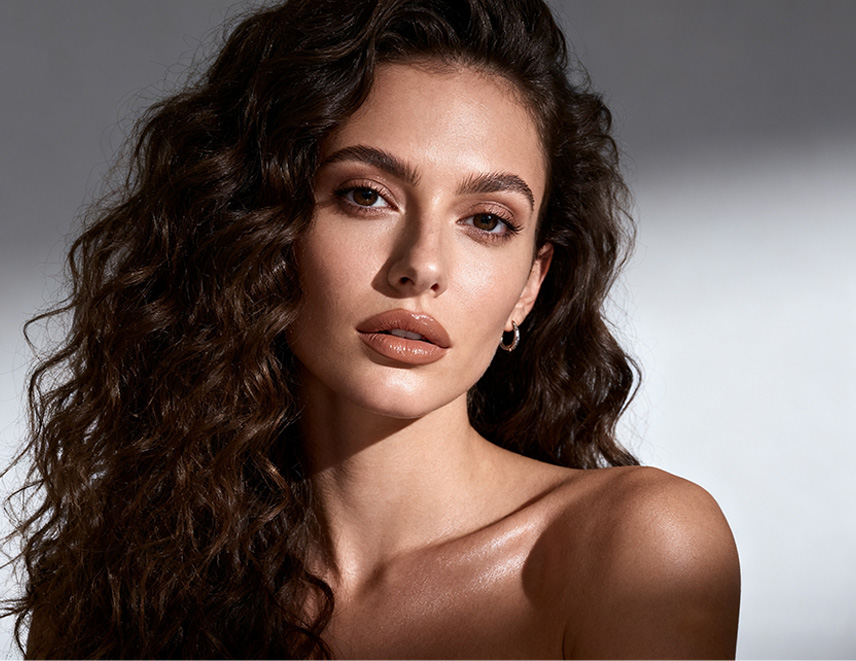
A foundation can cover discoloration beautifully and still look heavy around a smile. For supermarket and beauty specialty teams developing a mature-skin range, that tension matters more than maximum coverage alone. The best foundation for mature skin should even tone in a thin, comfortable layer and remain convincing after the face moves.
Why coverage can make fine lines more visible
Mature skin can combine uneven pigmentation with dryness and visible lines. During menopause, skin may lose some ability to retain water. These concerns create competing demands: covering darker areas calls for pigment, while a dry or creased surface makes excess makeup easier to notice.
Caking and creasing deserve separate attention during product evaluation. A thick, visibly built-up layer across the cheek suggests a different problem from a narrow line of accumulated foundation beside the mouth. Recording where the change appears helps teams distinguish broad overapplication from settling in a moving crease.
A useful development target is the smallest amount that provides the intended correction. Ask whether a second layer improves the overall complexion or mainly makes the base more visible. That question leads directly to the texture and spreading behavior of the formula.
Hydration gives a thin layer room to spread
When evaluating foundation formulations for dry skin types, comfortable wear experience should be the top priority. Hyaluronic acid and glycerin are common moisturizing ingredients. However, ingredient names alone cannot determine the actual skin feel and wear performance of the finished foundation. Therefore, complete comparative formula tests shall be conducted on uniformly pre treated skin, covering dry prone areas such as the cheeks, to verify real world performance under various dry skin conditions.
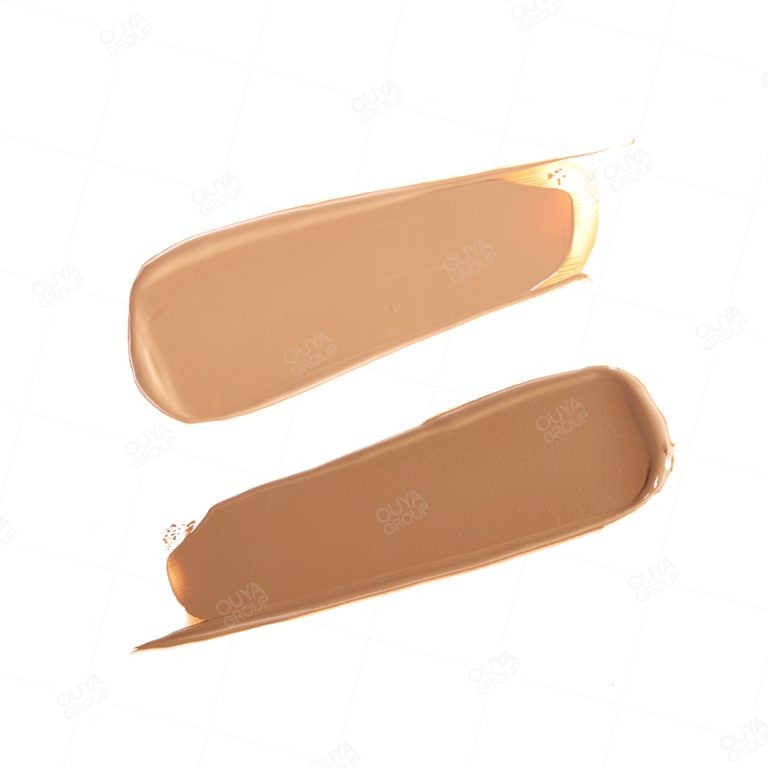
Liquid textures offer one relevant route for a dry-leaning complexion range. OUYA BELEZA‘s nourishing liquid foundation FF0001-A06 combines sodium hyaluronate with sunflower seed oil. It provides a concrete foundation for dry skin candidate for sampling, with the final mature-skin positioning still dependent on wear evaluation.
Spreadability should be assessed alongside comfort. During a comparison, note whether a small amount blends evenly before more product becomes necessary. Keep the preparation routine consistent initially, then check the candidate with the moisturizer and sunscreen combinations relevant to the intended range.
Buildable coverage keeps correction where it belongs
Uneven tone rarely requires the same correction everywhere. A practical demonstration uses a light base across the face, followed by small additions over the areas that need more coverage. This gives product teams a clearer view of buildability than applying a heavy coat from the outset.
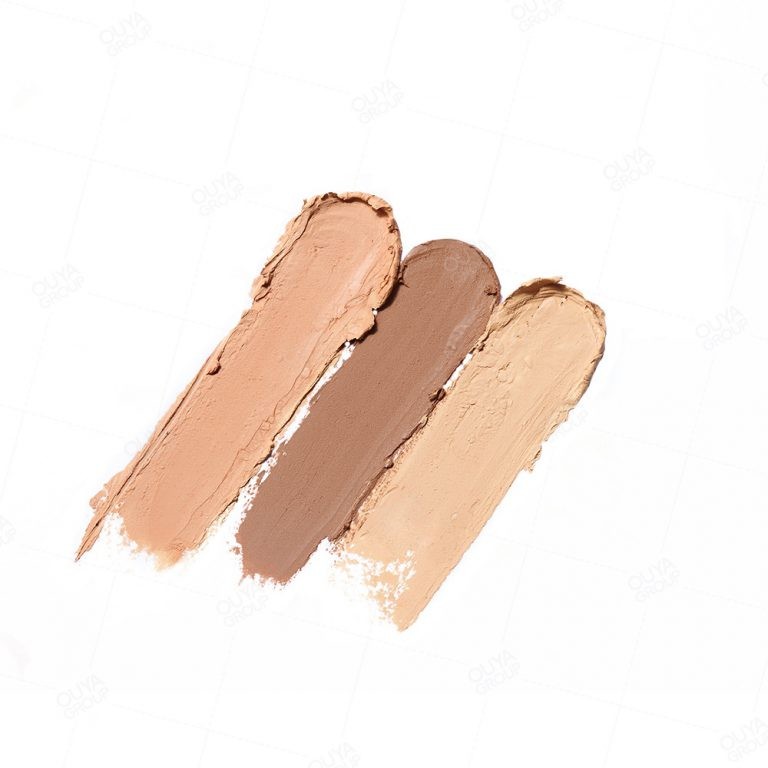
Cream formulas can support this approach without becoming an all-over mask. Our cream foundation development option offers smooth, buildable coverage with a luminous finish. Those characteristics make it relevant to a texture-conscious range, although they do not establish a wrinkle-treatment benefit or guarantee crease-free wear.
A stick offers a different way to place base de maquillaje de cobertura total precisely. The hydrating foundation stick FS0001-A01 contains shea butter, sunflower seed oil and jojoba seed wax. Evaluate how a small addition blends into the surrounding base, especially around the edge of a dark spot.
The second application is an especially useful comparison point. If added coverage leaves a visible rim or requires repeated rubbing, record that result separately from first-pass coverage. A product can look attractive in one layer yet be less useful for targeted correction.
A soft finish needs more than a dewy label
Finish should be judged after coverage is established. Compare a restrained luminous effect with a soft matte result under the same lighting and at the same application level. A glossy swatch on the hand cannot settle which finish looks smoother across facial texture.
Matte is a finish description, so it should not automatically exclude a candidate. Our mousse foundation FF0001-A11 combines a velvet-matte finish with buildable natural coverage and mild hydration. It belongs in a comparison for shoppers who prefer reduced shine, with comfort and line visibility assessed together.
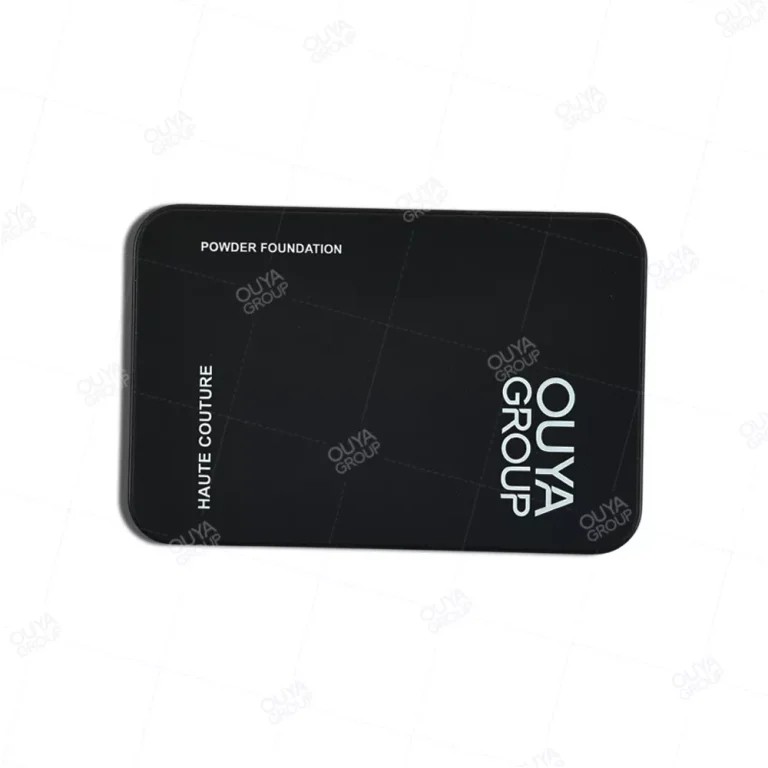
Powder requires its own application comparison. The best powder foundation candidate for a range should earn its place through wear results. Porcelain Silk Powder Foundation supports wet and dry application; compare those methods separately and record their behavior on dry cheeks as well as the T-zone.
Layering instructions should reflect the product’s role. A light powder touch-up and a complete powder base are different uses. Avoid judging either by the amount needed for the other, or adding a heavy powder layer over an already adequate foundation application.
Wear checks connect the formula to the shelf promise
A mature-skin evaluation should include the people the range intends to serve. Include varied skin tones and both dry-leaning and combination skin. Photograph the same facial areas immediately after application and at agreed later checkpoints, keeping lighting and camera settings consistent.
The observations should support a clear product description. Record comfort, patchiness, settling and visible texture separately. A promising result on one wearer can guide development, but broader wording needs evidence that represents the intended users and application method.
A smoother-looking base with a clearer purpose
The strongest foundation for mature skin balances correction with a light, comfortable finish. For a retail range, prioritize a candidate that spreads evenly, accepts local coverage and maintains its appearance during wear. That makes the product promise easier to explain: smoother-looking tone and texture, with application guidance grounded in the formula’s behavior.
Preguntas frecuentes
Is liquid or powder foundation better for mature skin?
Liquid foundation is a useful starting point for dry-leaning skin. Powder may suit a preference for reduced shine, but its application level and behavior on dry areas need particular attention. Compare finished formulas rather than selecting by format alone.
Can mature skin wear full coverage foundation?
Full coverage can be appropriate when it builds cleanly in small amounts. Keep the base light and add correction selectively, then check whether the added layer settles or becomes conspicuous during wear.
Is matte foundation suitable for mature skin?
A matte candidate can remain worth evaluating when the wearer prefers less shine. Assess its comfort and texture at the required coverage level. The finish label does not replace a comparison on the intended users.
Why does foundation settle into wrinkles?
Excess product can collect in fine lines. Thin application and selective building help limit that excess, while a consistent preparation routine makes it easier to identify whether the remaining problem involves the foundation or the surrounding routine.
Does blurring fine lines mean treating wrinkles?
Visual blurring concerns the appearance of skin while makeup is worn. It does not establish a lasting change in wrinkles. Keep range descriptions tied to the cosmetic effect demonstrated by the finished formula.