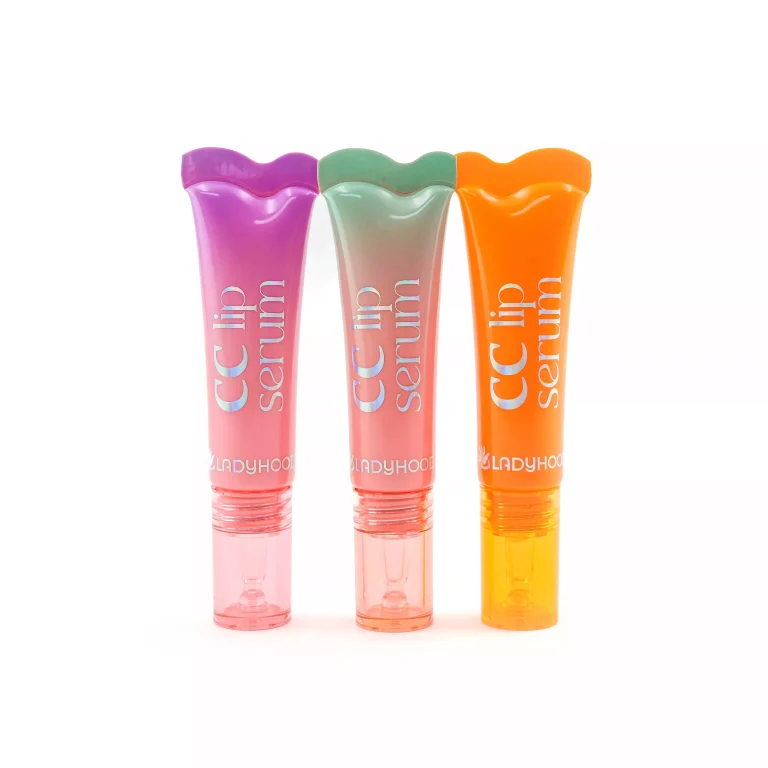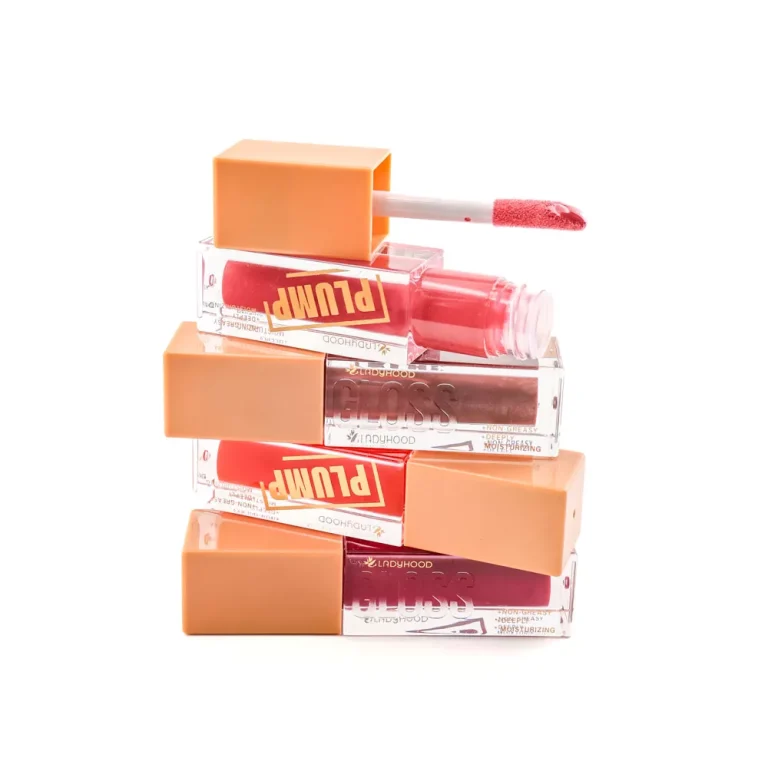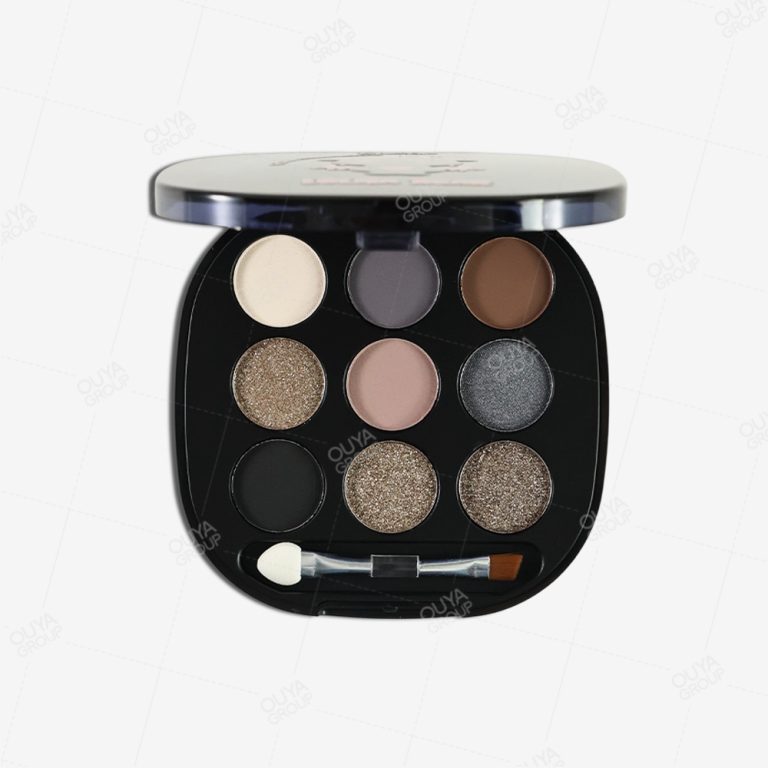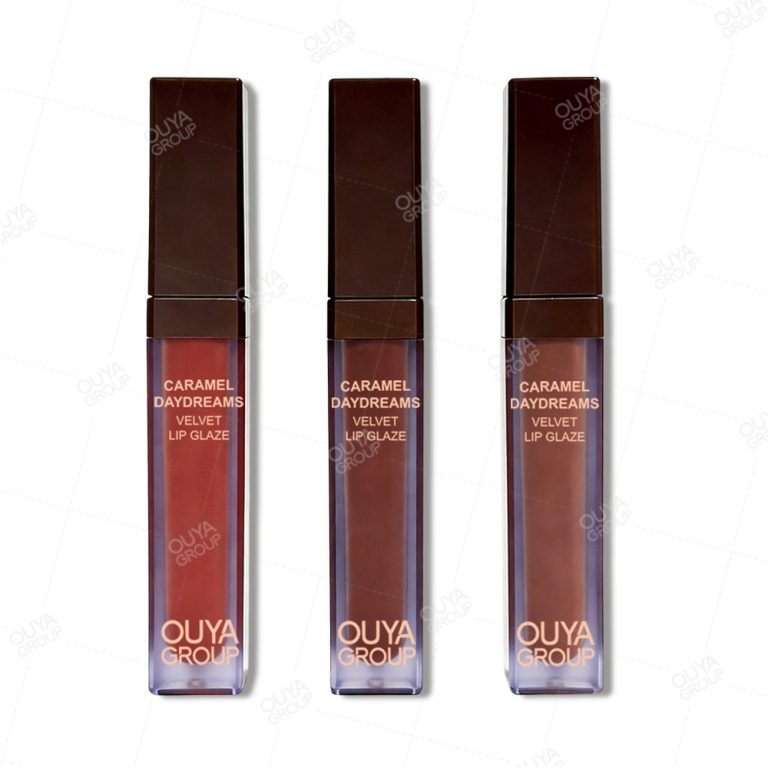
A colorful kids makeup kit may look ready for a supermarket shelf long before its safety case is complete. For retail buyers, the useful question is whether the OEM can connect the intended age group, each formula and the finished pack to the requirements of the destination market. That connection gives a children’s range a defensible basis for launch.
Children’s use changes the safety assessment
Children’s cosmetics need an assessment that reflects who will use them. Adult makeup evidence alone cannot establish suitability for a younger audience. Young children can be particularly sensitive to certain chemicals, and attractive scents or food-like shapes may encourage ingestion. Age, application area and foreseeable use therefore belong in the product brief.
A retailer comparing fabricantes de maquillaje de marca blanca should ask how the proposed age range affects development. The EU Cosmetics Regulation specifically requires an assessment for products intended for children under three. A range intended for older children still needs an assessment covering its actual users; an age label cannot replace that reasoning.
Play value also affects the scope of review. If kids play makeup contains real cosmetics, the word “play” does not remove cosmetic obligations. Toy elements may trigger additional requirements. Establish the classification of the complete set before treating a toy report as evidence for everything inside it.
US and EU compliance require different evidence
The destination market determines which responsibilities sit behind the finished product. FDA regulates cosmetics, but generally does not approve cosmetic products before sale. Color additives are a key exception. In the EU, a designated Responsible Person and a qualified safety assessment are central to placing cosmetics on the market.
| Mercado | Core evidence for a retail range | What a filing cannot prove |
| United States | Adequate safety substantiation; compliant ingredients and labeling; MoCRA registration and listing where applicable. | Registration or listing is not FDA product approval. |
| European Union | EU Responsible Person; Cosmetic Product Safety Report; Product Information File; CPNP notification before market placement. | Notification cannot replace the product’s safety assessment. |
A supplier’s regulatory support should make these responsibilities clear. Confirm who maintains the safety evidence, who handles the applicable filings and who responds when a complaint arises. For a range spanning both markets, review each route separately instead of accepting a general “FDA and EU certified” promise.
Each shade needs the right use permissions
Color selection has legal boundaries that depend on where the cosmetic is applied. In the US, a color permitted for externally applied cosmetics is not automatically permitted on lips. Eye-area use also needs specific permission. Some approved colors additionally require FDA batch certification.
A tinted bálsamo labial personalizado illustrates why this matters. Matching a cheek color does not establish that its pigments can be used on lips. Ask the developer to evaluate the actual color blend against the intended use and market before that shade becomes part of a children’s assortment.
Safety language needs the same precision as color selection. “Natural” ingredients do not guarantee safety, and a pleasant flavor does not make a cosmetic edible. For kids beauty products, evaluate fragrance and flavor ingredients at their concentration in the finished formula, with the intended exposure considered.
A change of shade or fragrance should therefore return to the safety reviewer. Consider a seasonal kit that keeps its case but adds a new scented gloss: the unchanged packaging cannot establish that the new formula is covered. Treat it as a reviewable change, rather than assuming the earlier assessment applies.
Factory controls carry safety into production
An assessed formula still needs controlled manufacturing. Microbial contamination can enter through raw materials, water, poor production conditions, ineffective preservation or inadequate packaging. Retail buyers should look for evidence that the manufacturer can protect the agreed formula through filling and packing, as well as support its safe use after opening.
This is where a competent OEM can help through rigorous manufacturing controls. OUYA BELEZA is certified to GMPC and ISO 22716 standards, and our production workshops are built to 100,000 class cleanroom specifications. These certifications demonstrate robust production oversight. That said, they do not confirm that any given children’s formula is sterile, nor can they guarantee suitability for every age group.
Product testing connects those factory controls to the range under review. Through its fabricación por contrato de cosméticos service, OUYA BELEZA provides stability, packaging compatibility and microbiological testing capabilities. Ask which results cover the proposed formula and container, including preservation effectiveness where relevant, rather than treating a laboratory capability list as a completed safety assessment.
Preservation and packaging deserve attention together. A clean batch can encounter contamination during use, including from fingers entering a pot. The safety reviewer should explain whether the preservation evidence and closure design are suitable for the product. A “preservative-free” preference should not override the need for effective microbial protection.
A children’s range buyers can stand behind
A credible children’s cosmetics OEM can explain the chain from intended age and permitted colors to product assessment and controlled production. For supermarkets and specialty stores, the sound next step is to review that chain for the proposed assortment, resolving gaps before launch. Factory credentials support this decision; product-specific evidence completes it.
Discuss your intended age group, US or EU destination and proposed formats with OUYA BELEZA to identify the development and testing support your range needs.
Preguntas frecuentes
Does FDA approve children’s makeup kits?
FDA generally does not approve cosmetics before sale. Color additives must be approved for their intended use. Facility registration and product listing do not certify that a kit is safe.
What does a children’s cosmetics range need for the EU?
Core requirements include an EU Responsible Person, a Cosmetic Product Safety Report, a Product Information File and CPNP notification. Formula restrictions, labeling and the intended age group also need review.
Are natural ingredients automatically safer for children?
Natural origin does not establish safety. Suitability depends on the ingredient, its concentration, the complete formula and the intended use. Review the finished product rather than relying on the claim.
Can a toy safety report cover real play makeup?
A toy report alone does not establish cosmetic compliance. Review the cosmetic contents and any applicable toy requirements for the complete set, with its age range and intended use defined.
Is ISO 22716 enough to approve a children’s range?
ISO 22716 concerns cosmetic manufacturing practices. It supports supplier evaluation, but product safety still needs evidence for the actual formulation, packaging, users and destination market. Assess both levels before launch.