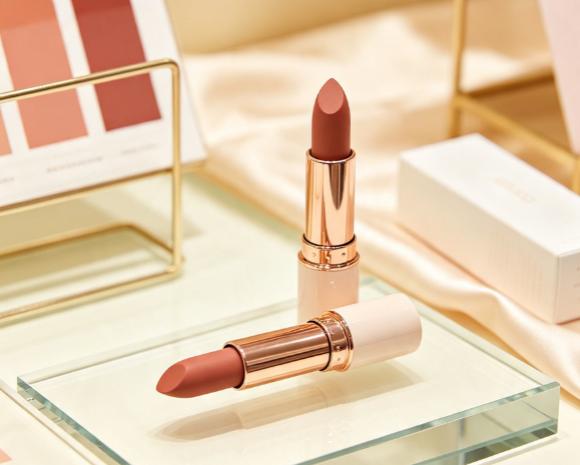
Un labial de doble uso puede ser atractivo en un estante repleto de labiales, pero solo si su segundo beneficio satisface una necesidad real del cliente. El desafío de desarrollo consiste en lograr que el formato se perciba intencional, con combinaciones de tonos claras, una aplicación predecible, comodidad en los labios y un empaque que respalde la promesa del producto sin generar complejidad innecesaria. Un labial 2 en 1 exitoso debe ayudar a los compradores a comprender su valor rápidamente, a la vez que ofrece a los minoristas una propuesta práctica basada en la conveniencia, la versatilidad y un rendimiento confiable.
Decide qué significa la promesa dos en uno.
Un labial mate 2 en 1 puede significar dos tonos, dos acabados o un uso para labios y mejillas. Son propuestas de venta distintas y no deben combinarse a la ligera. El comprador necesita una historia principal para el frente del envase y una explicación secundaria realista que se ajuste al rendimiento del producto.
El interés de búsqueda en torno a 2–en–1 pintalabios Esto demuestra que la comodidad es el gancho, pero la comodidad solo convierte cuando el comprador puede comprender el formato en pocos segundos.
El doble tono es una decisión de vestuario.
Un labial de doble punta debe lograr que los dos tonos se sientan relacionados, a la vez que ofrece una razón visible para usar ambos. Esta combinación permite un look de día a noche, un delineado y color, o dos acabados complementarios. La clave está en probar la apertura, el cierre y la aplicación con la misma minuciosidad que la gama de colores.
El acabado mate necesita un estándar de comodidad.
No es necesario describir el labial mate como un producto que reseca la piel para que parezca de alto rendimiento. ELERES BELLEZAEl desarrollo de este dúo de labiales se centra en una textura ligera y no pegajosa, un color de larga duración y un control preciso de la difusión y el desvanecimiento. Estas características proporcionan puntos de evaluación útiles: duración, comportamiento de la transferencia, control de los bordes y comodidad a lo largo del tiempo.
| Decisión sobre el producto | beneficio minorista | Verificación de aprobación |
| Dos tonos | Más estilos en una sola unidad. | Emparejamiento visual y recompensa |
| Acabado mate | Posicionamiento claro en la categoría | Comodidad y apariencia vanguardista |
| Paquete de doble extremo | Formato portátil | Cierre, equilibrio y gestión de usuarios |
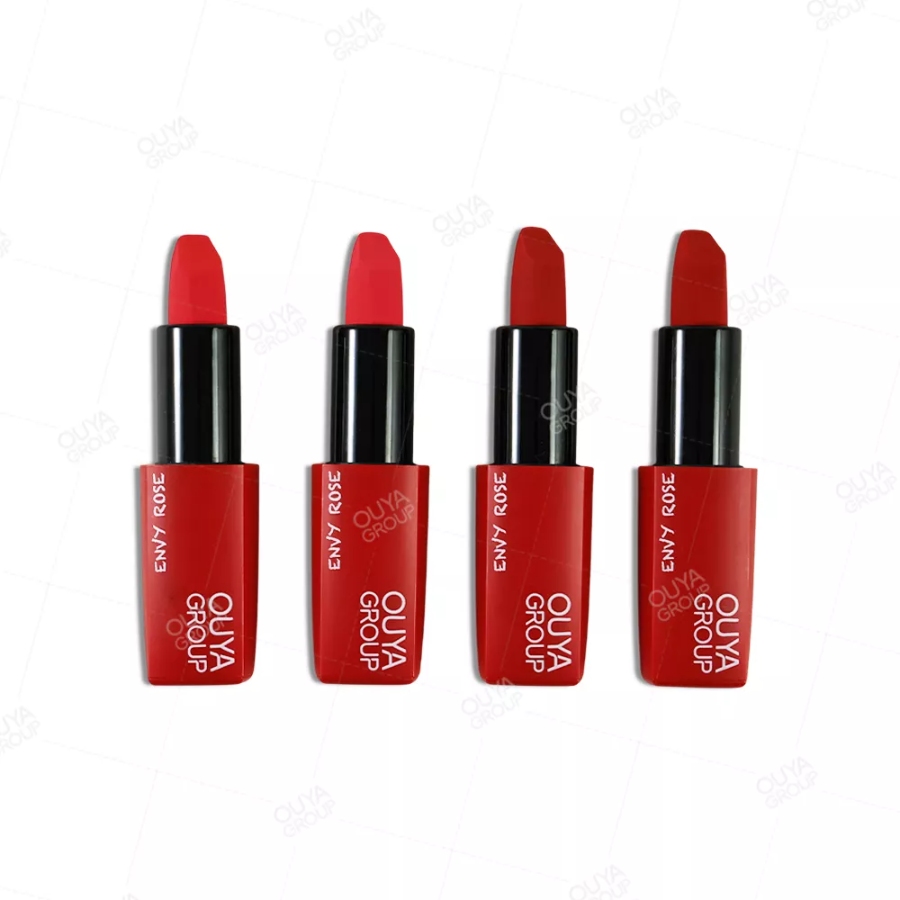
Convierta la reclamación de desgaste en un plan de pruebas.
La frase «labial de larga duración» resulta atractiva, pero debe estar respaldada por un estándar de rendimiento documentado. Es fundamental acordar qué condiciones de uso reales son importantes para la marca, cómo se registrarán las observaciones y qué nivel de variación es aceptable. Esto evita que la afirmación del envase prevalezca sobre la fórmula final.
Un lugar bien posicionado línea de labiales mate También conviene diferenciar la durabilidad del color de la humedad, la comodidad y la transferencia de color. Los compradores interpretan todas estas señales como parte de la misma experiencia de uso.
- Evalúe ambos extremos de la unidad después de abrirla y cerrarla repetidamente.
- Evalúe la intensidad del color y la definición de los bordes con el aplicador previsto.
- Escriba únicamente el lenguaje de desgaste que pueda soportar el método de prueba final.
No separe el embalaje del rendimiento.
En un formato de doble extremo, el componente forma parte de la experiencia del cliente. El envase debe proteger la fórmula, cerrar de forma segura y mantener una apariencia impecable incluso con un uso normal. OUYA BELEZA Aplica controles de calidad definidos para el material, defectos visibles, arañazos, ajuste y embalaje protector; estas prácticas resaltan la importancia de los criterios de aceptación objetivos para la calidad del embalaje de cosméticos.
Un proyecto de labial debe contar con su propia especificación de componentes y plan de inspección. La mejor reseña se pregunta si el formato se mantiene equilibrado, limpio y confiable después de que la usuaria haya utilizado ambos lados, no solo cuando se fotografía sin abrir.
Delimita la conversación del fabricante de equipos originales (OEM) en torno a la historia del producto.
Un briefing para un fabricante de labiales es más efectivo cuando especifica con precisión el mecanismo dos en uno, la combinación de tonos, el acabado, el mercado objetivo, el diseño del envase y las afirmaciones que la marca desea validar. Esto permite realizar muestreos para probar las decisiones, en lugar de simplemente presentar opciones. Además, facilita al equipo de ventas un proceso de aprobación más claro cuando el producto y el diseño gráfico avanzan juntos.
Para trabajos integrados de fórmula y empaque, lápiz labial OEM La planificación debe alinear desde el principio la secuencia de muestras, las comprobaciones de componentes, las afirmaciones sobre el producto y el calendario de lanzamiento.
Coloca la historia del comercio minorista junto a los criterios de prueba.
La historia del producto debe tener sentido en tres momentos clave: cuando el comprador aprueba la muestra, cuando el equipo de la tienda la explica y cuando el cliente la utiliza. Si el segundo beneficio no se puede demostrar de forma sencilla, es mejor considerarlo una característica complementaria en lugar del motivo principal de compra.
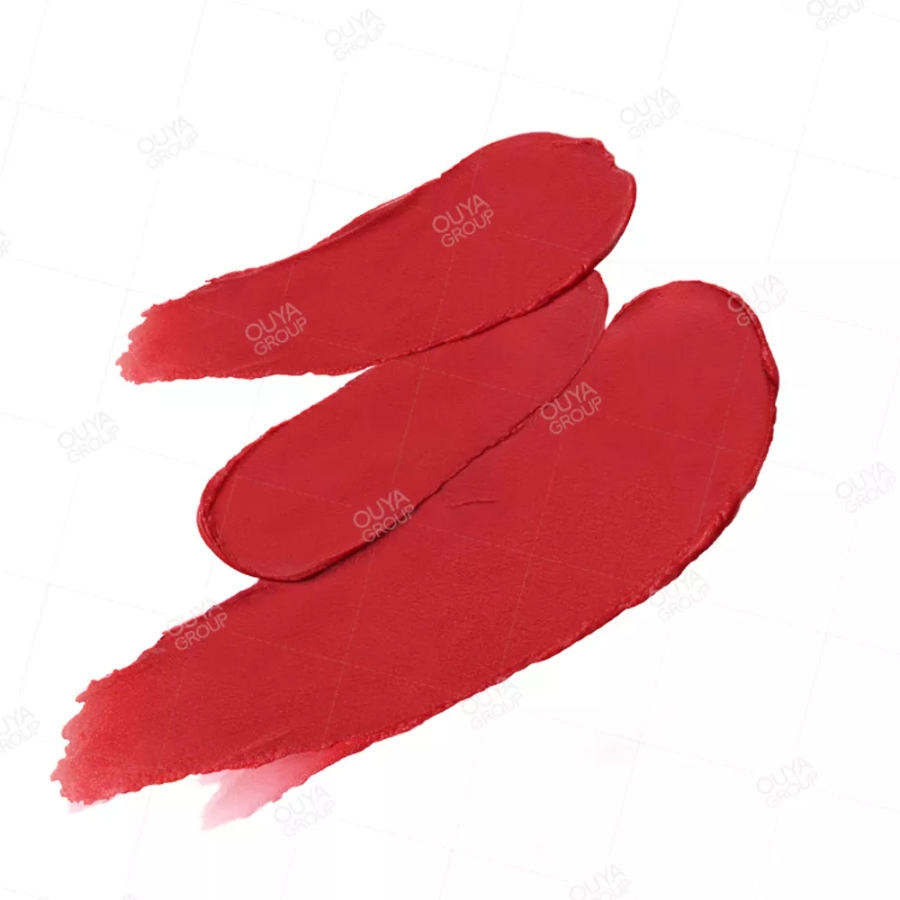
La denominación de los colores requiere la misma atención. Un par puede verse coherente en una foto de estudio, pero resultar repetitivo en manos del cliente. Analice el envase abierto, tanto la barra como el aplicador, el resultado en los labios y la diferencia entre los tonos bajo la iluminación donde se presentará el producto.
La prueba comercial final consiste en determinar si la complejidad del formato adicional justifica su uso. Un envase de doble extremo debe ofrecer al cliente una clara ventaja práctica, al tiempo que la marca conserva el control sobre el rendimiento de la fórmula, la calidad del envase, el diseño gráfico y las afirmaciones que pretende hacer.
Conclusión
Un labial mate 2 en 1 está listo para la venta cuando sus dos beneficios son fáciles de explicar y realmente útiles al usarlo. Mantén la promesa del formato clara, prueba la comodidad y la duración con el componente final y define los criterios de calidad con la misma precisión que la descripción del tono.
Para una discusión sobre productos labiales de doble formato, contacto OUYA BELEZA con el concepto de color, la función dos en uno prevista, el mercado, la dirección del empaque y los puntos de validación necesarios.
Preguntas frecuentes
¿Qué puede significar un labial mate 2 en 1?
Puede referirse a dos tonalidades, dos funciones del producto o una unidad de doble extremo. Un lanzamiento exitoso selecciona un significado principal y lo comunica claramente en el empaque y en el estante.
¿Cómo se debe evaluar la comodidad del acabado mate?
Pruebe la fórmula final y sus componentes en condiciones de uso reales, observando el deslizamiento, la pigmentación, el aspecto de los bordes, la transferencia y la sensación del producto tras su uso. Los criterios deben acordarse antes de la aprobación.
¿Que sea duradero significa que no se transfiere?
No necesariamente. La duración del uso y el comportamiento de transferencia son afirmaciones relacionadas, pero distintas. Una marca debe definir el rendimiento exacto que pretende comunicar y validar esa afirmación adecuadamente.
¿Por qué los envases de doble extremo necesitan una revisión adicional?
Ambos extremos afectan al equilibrio, el cierre, la manipulación y la percepción de calidad por parte del cliente. El componente debe evaluarse mediante su uso habitual repetido, no solo en la inspección inicial.
¿Qué debe incluir un informe para fabricantes de equipos originales (OEM)?
Incluya el concepto de doble uso, colores, acabado, mercados objetivo, orientación de los componentes, declaraciones objetivo, prioridades de prueba y cronograma de aprobación. Un informe conciso reduce la ambigüedad durante el muestreo.