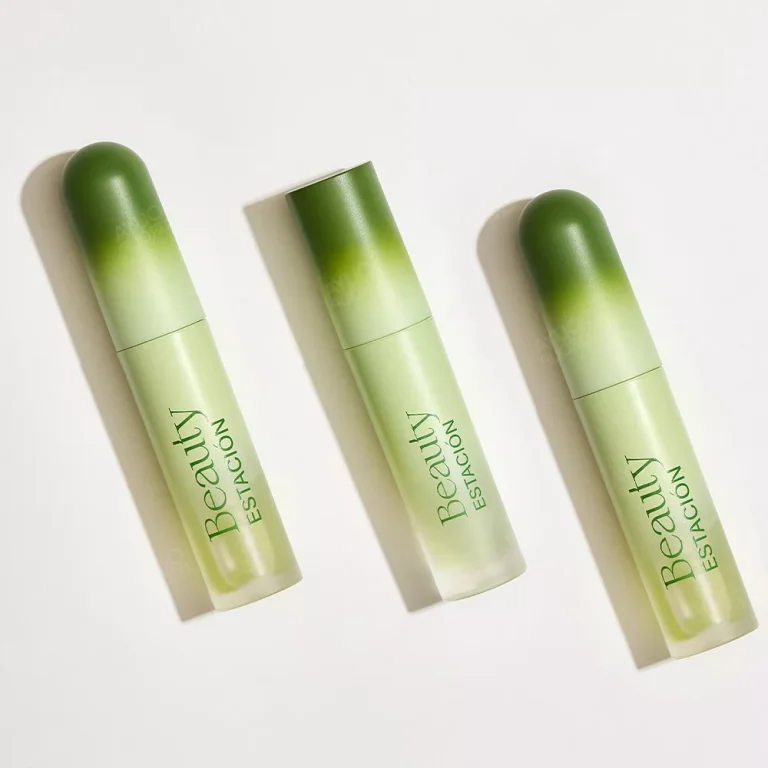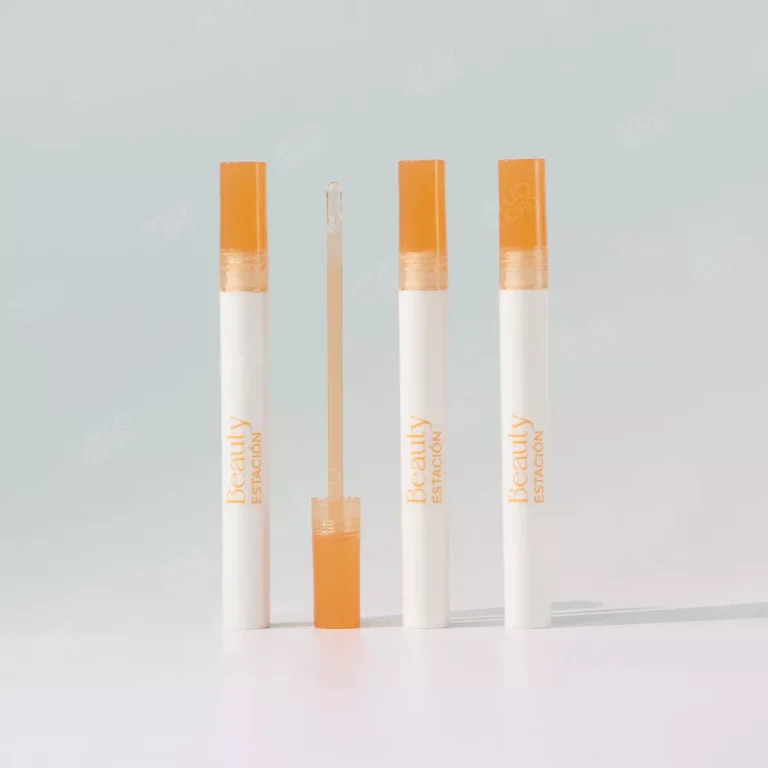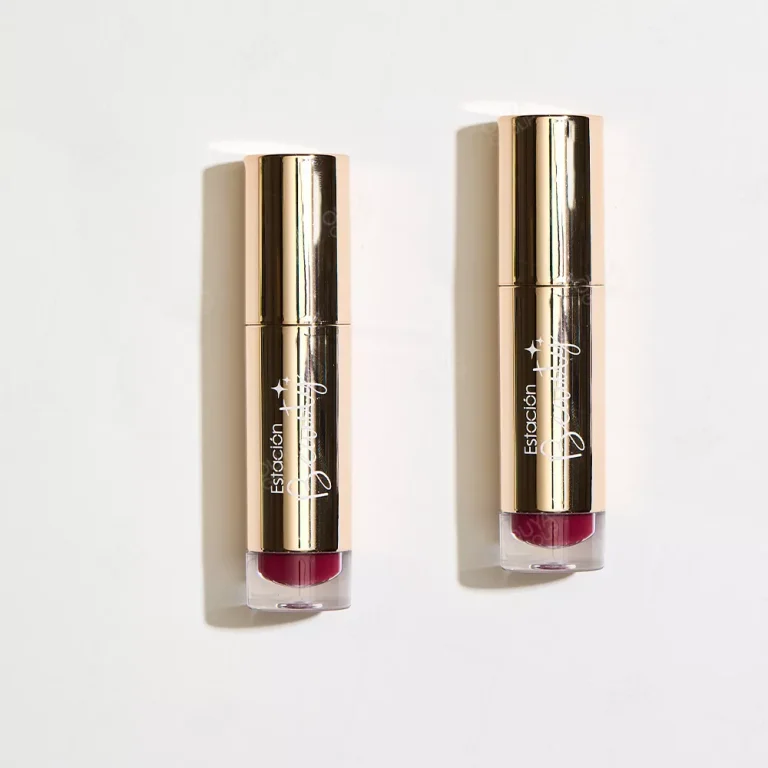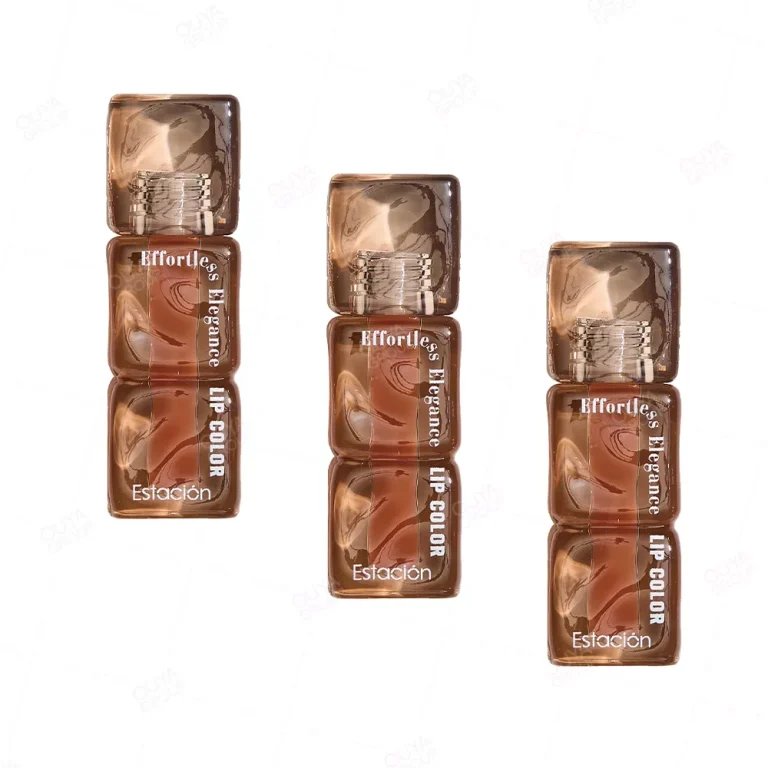
We have all seen the success stories: a small indie brand launches on TikTok with a single, game-changing lip gloss and virtually overnight, they are sold out worldwide. It looks like magic, but behind every viral beauty product is a silent partner doing the heavy lifting. That partner is the manufacturer. Conversely, we have also heard the horror stories—shipments arriving three months late, foundations oxidizing into a shade of orange, or packaging that falls apart in the customer’s hands.
For beauty starters, the choice between rising fast or facing trouble often hinges on one pick. Who produces your item? Finding a solid makeup manufacturer goes beyond checking Alibaba or Google. It means checking a business ally who guards your brand’s name. If you run a new company seeking private label makeup manufacturers, or if you lead a known brand wanting a contract manufacturing beauty ally for a special line, the risks run deep. You require a plant that gives more than cheap costs. You need security, fresh ideas, and room to grow.
This decision shapes your path. It affects how your products reach people. A wrong choice can harm trust. A right one builds a strong base. Startups often face tight budgets. Yet they must balance cost with quality. Established brands push for custom touches. They aim to stand apart. In both cases, the partner must deliver steady results. They should handle details like formula safety and timely delivery. This setup lets you focus on sales and growth.
Navigating the Maze: OEM, ODM, and Private Label
Before you send that first email, get clear on your needs. The beauty field uses short terms freely. Mixing them up can cause expensive mix-ups. Understanding these production types is key. It helps match your aims with the plant’s skills.
These models differ in control and speed. Some let you lead the design. Others provide ready options. Pick based on your stage and goals. For quick starts, simple paths work well. For unique items, deeper involvement fits better.
OEM vs. ODM Cosmetics: Defining Your Path
OEM (Original Equipment Manufacturing) suits those with clear ideas. You have a set formula or look in mind. But you need a plant to make it real. You keep the rights to the idea. The plant serves as your builder. This works well if you hold a special mix for a lotion or a protected package shape.
ODM (Original Design Manufacturing) fits brands that seek quick results. The maker leads the research and development. They offer a set of prepared mixes. For example, a ready custom cosmetic formulation for a flat-finish lipstick. You can adjust it a bit and call it yours. In the quick world of OEM/ODM cosmetics, ODM lets you release a style-led item. Think of a shade-shifting blush. You do it in far less time than building from the ground up.
Both paths have strengths. OEM gives full control. It ensures your vision stays pure. ODM speeds things up. It cuts development costs. Many brands mix them. They start with ODM for tests. Then shift to OEM for main lines. This blend keeps things flexible. It adapts to market shifts.
The Role of Private Label Makeup Manufacturers
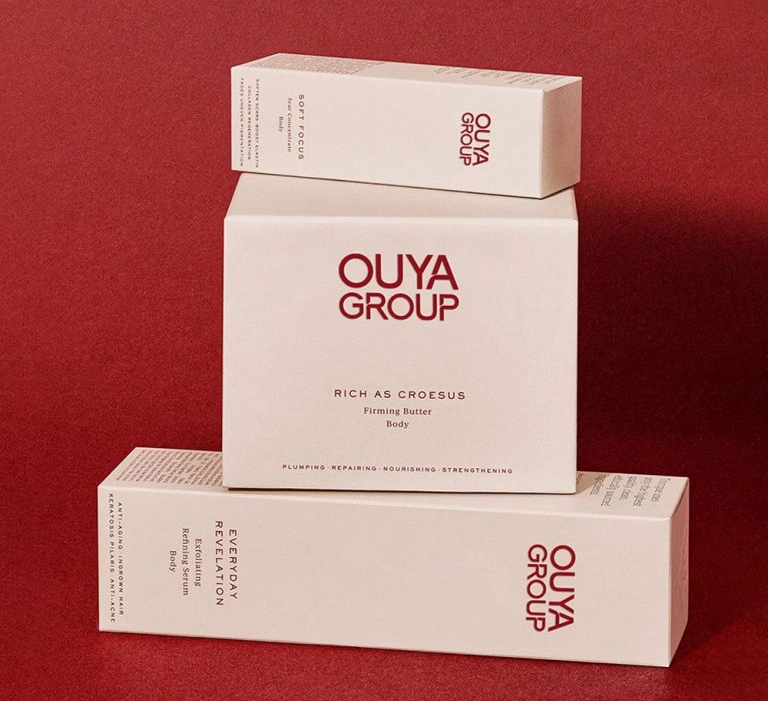
Private label offers an easy way in for fresh brands. You take the maker’s current, checked stock mixes. Then you package them with your name. See it as a ready-to-use choice. Leading private label makeup manufacturers with full-service plans manage all steps. They cover the fill in the jar to the print on the case. This way cuts your early risks and costs a lot. You can turn to promotion. The plant takes the making side.
This model builds confidence fast. New teams test the waters without big spends. They learn from real sales. Over time, they add custom elements. Private label keeps quality high. It uses proven recipes. Yet it lets you shape the look. Colors, scents, and packs can match your style. This entry point grows with you. It leads to deeper ties later.
The Non-Negotiables: Compliance and Safety Standards
In beauty, a cheap manufacturing deal means little if the item lacks safety. Buyers know more about parts now. Rules get stricter, too. Following standards acts as your guard. You must avoid allies who skip on clean practices or checks.
Safety touches every step. From raw goods to final packs. One slip can lead to health issues. Or lost sales. Strong partners prove their ways. They share proof of clean work. This builds trust from day one.
Why a GMP Certified Factory is Essential
If a potential partner cannot show you their Good Manufacturing Practice (GMP) certificates, walk away. A GMP certified factory operates under strict guidelines regarding hygiene, staff training, and equipment maintenance. It ensures that the lotion intended for a customer’s face isn’t being mixed in a bucket in a dusty room.
Look for internationally recognized standards like ISO 22716. This certification verifies that the factory meets global standards for cosmetic production, covering everything from raw material sourcing to final shipment. For instance, manufacturers who produce for global giants like Disney or sell into the EU market must adhere to these rigorous protocols. It is your only guarantee that the product is consistent, batch after batch.
Rigorous Testing Protocols
A trusted makeup manufacturer goes beyond blending parts and wishing well. They push products hard. Ask about their steady checks. Do they use “Oven Tests” to check if cream bases split in hot spots? Do they do “Freeze-Thaw” rounds to confirm the item handles cold trips?
Also, germ checks are a must. Each run gets scanned for germs and fungi before it ships. Solid plants have their own labs for these body and mix tests. This keeps your contract manufacturing beauty link from facing pull-back suits later.
Testing covers many angles. They watch color shifts and scents ,too. Long-term trials mimic real use. This spots weak points early. You get items that last. Safe for skin and shelf. Partners who share test data build stronger bonds. They prove their claims.
Evaluating R&D and Customization Capabilities
The beauty field feels full. To shine, your item must bring fresh touches. Like a soft feel, a heat-shifting color, or long hold. These ideas come from the maker’s Research and Development team. You want an ally who creates, not just follows orders.
Innovation drives sales. Buyers seek new experiences. A good partner spots trends. They turn ideas into real goods. This edge helps your line grow. It keeps you ahead of others.
The Art of Custom Cosmetic Formulation
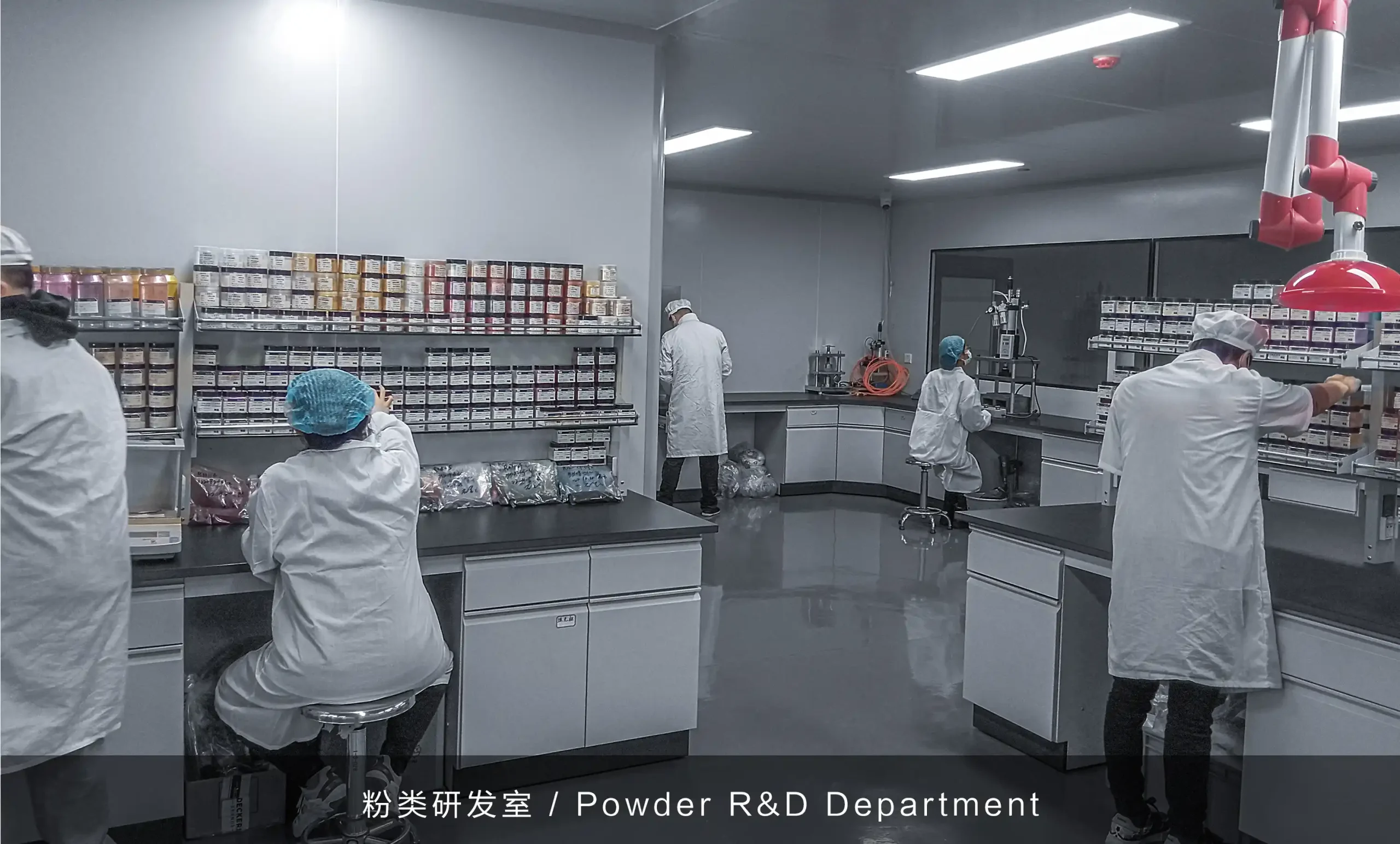
Great products start in the lab. If you are looking to create a custom cosmetic formulation, you need a team of chemists who understand the interplay of ingredients. Can they create a mousse foundation that turns to powder on the skin? Can they stabilize Vitamin C in a lip balm?
A strong manufacturer will have a library of thousands of mature formulas, but the agility to create new ones. For example, OUYA develops over 100 new formulas annually. This capability allows you to bring unique concepts to market, such as a “Jelly Blush” or a “3D Carved Highlighter,” rather than selling the exact same beige liquid as your competitors.
Trend Insight and Market Responsiveness
The best manufacturers act as consultants. They have their fingers on the pulse of the industry. They know that “Skinification” (adding skincare benefits to makeup) is trending before it hits the mainstream shelves.
When vetting partners, ask them what is new. A proactive makeup manufacturer will present you with trend reports and innovative samples—like a hybrid concealer-serum or a sustainable glitter spray—without you having to ask. This partnership dynamic is crucial for staying ahead of consumer demand and keeping your product line fresh and exciting.
Sustainability and Supply Chain Strength
Today’s buyers value the earth like their skin. Green ways are now a must for business. At the same time, back-end flow, like output and supply lines, decides if you reach buyers on time.
Sustainability boosts image. It draws eco-aware crowds. Strong chains ensure steady stock. Both tie to success. Pick partners who handle them well.
The Shift to Sustainable Beauty Packaging
Waste from plastic is beauty’s hidden issue. But fixes are out there. When talking to makers, probe their green beauty packaging choices. Do they use PCR (Post-Consumer Recycled) plastics? Can they get breakdown goods like PLA or refill setups?
Green packs make a big draw for your brand. A smart maker seeks these goods. They make them common picks. This helps craft a pure brand tale, from shell to core.
Options grow each year. Recycled glass or bamboo cases add appeal. Makers test for strength. They ensure green does not mean weak. This balance wins buyers. It fits the rules too. Your line looks forward-thinking.
Production Capacity and Scalability
You may begin small. But growth is the plan. Can your maker match that? A hot seller stuck out for months due to small-scale hurts badly.
Check their yearly output. A site making 200 million items a year with auto lines for lip items, dusts, and care goods handles your rises smoothly. Big contract manufacturing beauty allies hold better pull with supply sources. This often means fair prices and sure times for you. It shields your firm from world flow bumps. Scalability means planning ahead. They stock extras for peaks. Tech keeps costs down as volume up. This supports your steps. From test runs to full lines.
Questions to Ask Before Signing the Contract
Due diligence is the final barrier between you and a bad partnership. Do not rely on the factory’s website alone; get on a call and ask hard questions. Their answers will reveal their professionalism, transparency, and willingness to support your specific business needs.
Here is a checklist of critical questions to guide your negotiation:
- What are your MOQs (Minimum Order Quantities)?
–Crucial for startups. Some flexible factories offer lower MOQs for first-time orders. - Do you have an in-house R&D lab, or do you outsource formulation?
–In-house is always faster and more secure. - Can you provide references or case studies of other brands you work with?
– Look for long-term partnerships. - What are your standard lead times for sampling vs. mass production?
– Be wary of promises that sound too good to be true. - Do you offer support with regulatory compliance for my target market (e.g., FDA for the USA, CPNP for Europe)?
– This can save you thousands in legal fees.
Add more if needed. Like payment terms or change handling. Clear answers speed deals. They spot red flags early.
Conclusion
Finding the right manufacturing partner is the foundation of your beauty brand’s success. You need a partner who balances technical expertise with market savvy, safety with speed, and quality with scalability.
OUYA represents the gold standard in cosmetic manufacturing. With 23 years of industry experience and a sprawling 62,000 m² facility, we are not just a factory; we are a global solutions provider. We hold top-tier certifications, including ISO 22716, GMPC, and SEDEX 4P, and have a proven track record of producing for global giants like Disney and SEPHORA. Our annual capacity exceeds 200 million pieces, yet we maintain the flexibility to support emerging brands with our turnkey services. From our dedicated R&D Innovation Center developing 100+ new formulas a year to our commitment to sustainable packaging, OUYA is equipped to bring your unique vision to life safely and successfully.
Ready to build a world-class beauty brand? Contact us today at contact@ouyabeautygroup.com to discuss your project.
FAQs
Q: What is the difference between private label and contract manufacturing?
A: Private label makeup manufacturers provide ready-made products you can brand immediately, while contract manufacturing involves creating custom formulas from scratch.
Q: Why is it important to work with a GMP-certified factory?
A: A GMP-certified factory ensures your products are manufactured in a hygienic, controlled environment, guaranteeing safety and consistent quality.
Q: Can OUYA help with sustainable beauty packaging for my line?
A: Yes, we offer extensive sustainable beauty packaging solutions, including recycled plastics (PCR) and biodegradable materials, to align with eco-friendly values.