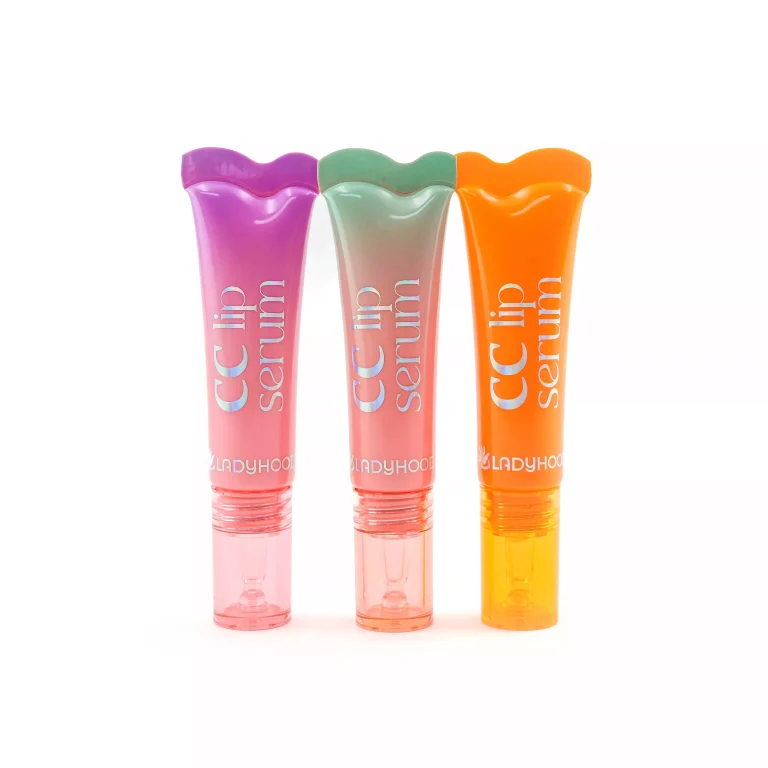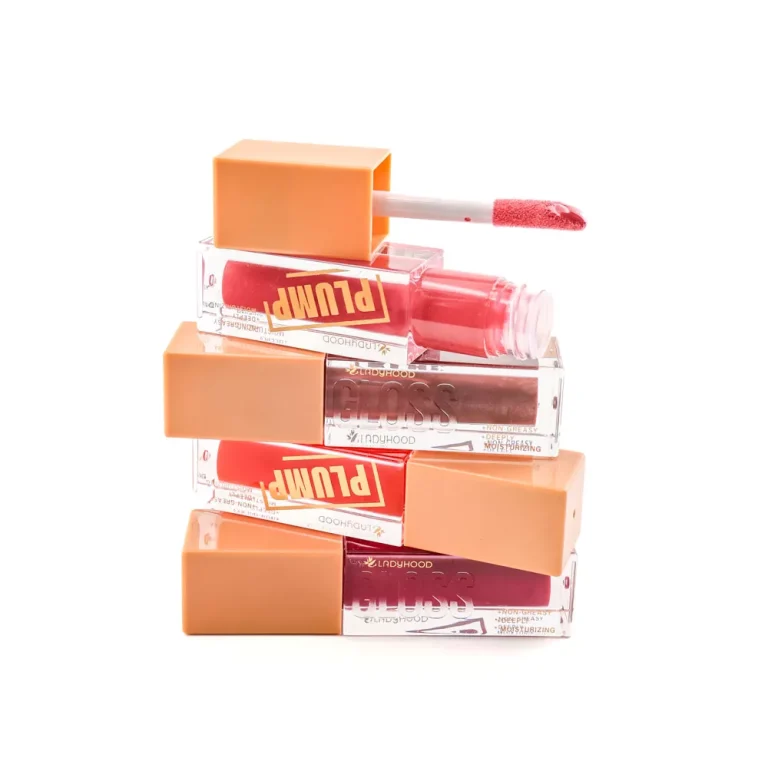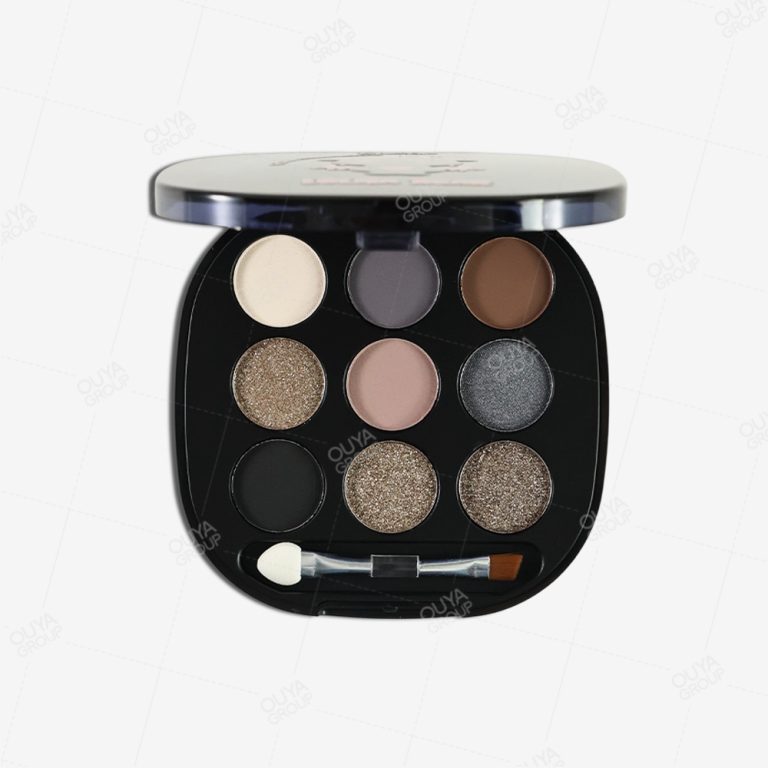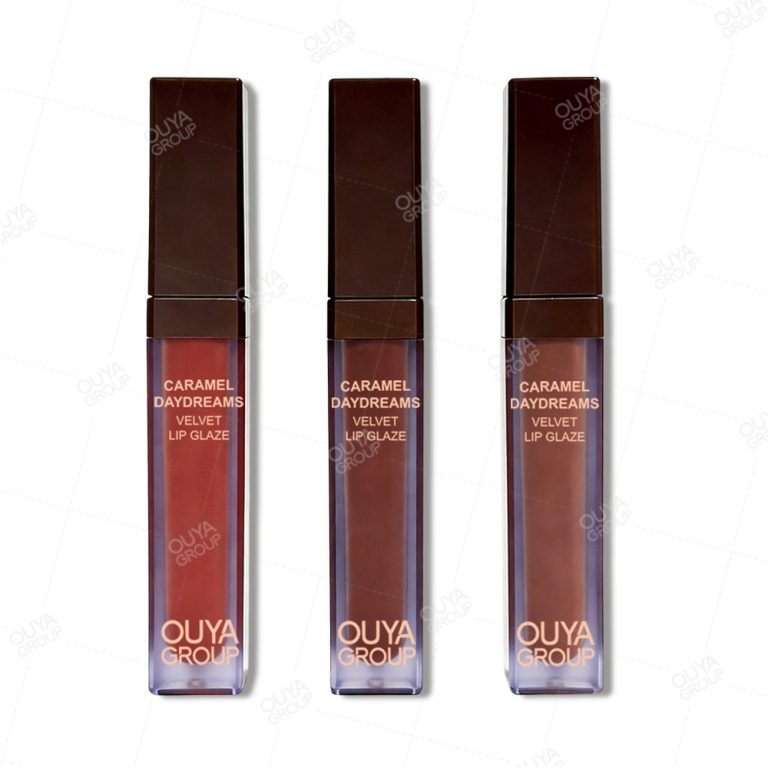
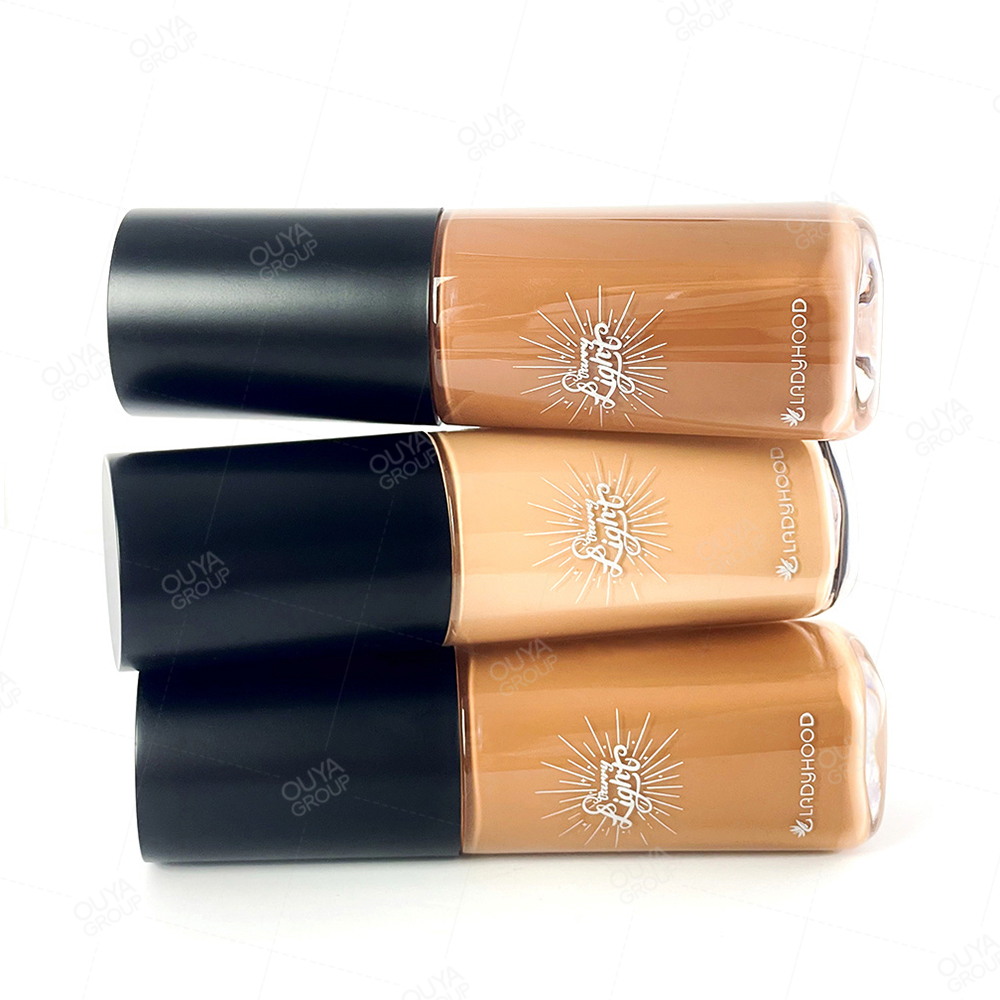
Inclusive shade planning usually fails because the range looks like separate swatches instead of one product family. A private label cosmetics line needs enough tonal breadth for the shelf, but the first launch still has to feel coherent. OUYA BEAUTY‘s buildable cream foundation is useful here because shade work only makes sense when texture, coverage, and finish are stable.
When does a shade range feel credible?
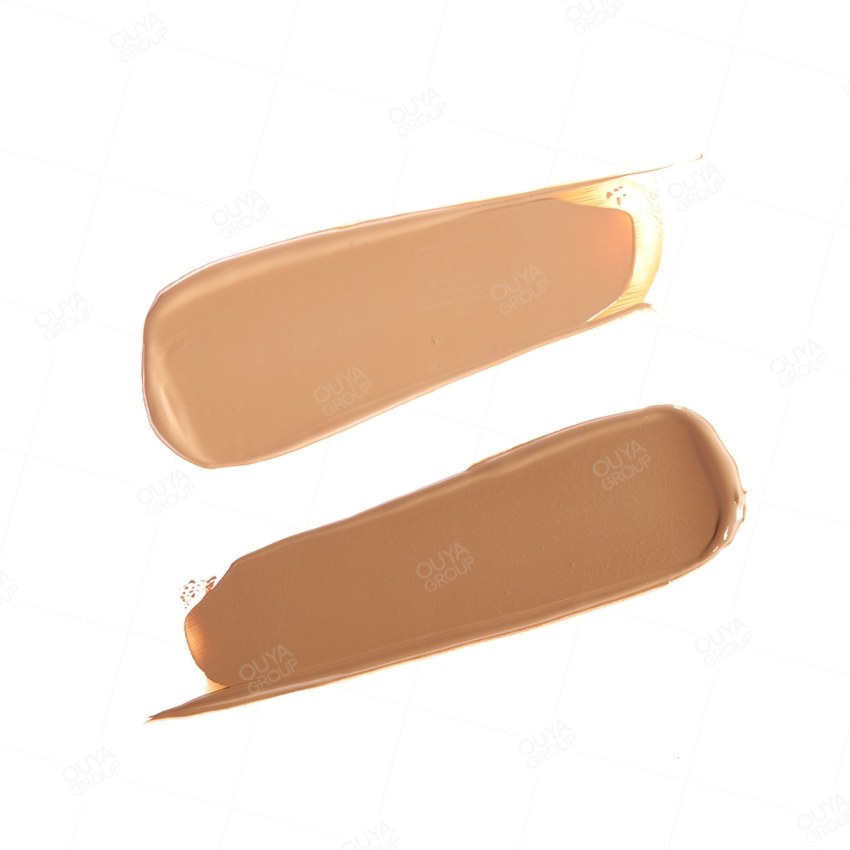
A range feels credible when the first and last shades do not look like accidental extremes. Buyers should test undertones, depth steps, and finish on more than one skin tone, because a weak middle can make the whole line feel improvised. The most valuable question is not how many colors fit in the tray, but whether every color has a visible job.
One weak middle shade can damage the whole shelf
If the medium steps are too close together or the undertone jumps too far, retail staff cannot explain the range in one sentence. A consumer then sees a blurry ladder instead of a useful choice. This is why inclusive foundation work needs both breadth and structure, not just more pans or more shade names.
Test finish before you test color
Coverage and finish change how a shade reads. If the formula is too matte, deeper tones can look flat; if it is too luminous, lighter tones can look washed under glare. The range should therefore be checked under daylight, store light, and phone camera conditions before the launch team agrees on the final story.
| Shade step | What it should solve | What to verify |
| Light anchor | Keeps the opening of the range believable | No chalky cast under bright light |
| Mid anchor | Gives the line a clear everyday center | Undertone stays neutral in store lighting |
| Deep anchor | Prevents the line from feeling token | Depth remains rich without turning gray |
How should the first set be built?
The first set should be narrow enough to control and wide enough to show intent. A team can start with a fair-light anchor, a mid-tone anchor, and a deep anchor, then add bridge shades only when the undertone logic is proven. A foundation makeup launch that starts with three anchors is easier to explain than one that tries to cover everything at once.
Undertones matter more than labels
- Neutral shades should stay neutral under daylight and retail lamps.
- Warm shades should not skew orange when they meet the full face.
- Deep shades should not turn gray when the lighting gets harsh.
Keep one brighter lane for glow seekers
If the line also needs a radiance story, a glow or luminous lane can be tested as a second finish rather than forcing every shade to behave the same way. Shoppers searching for glow foundation for mature skin are usually asking for smoothness and light, not shimmer. That makes the finish brief just as important as the color brief.
What must the sample prove before artwork closes?
The sample should prove that the formula wears consistently across the approved depth steps, that the applicator delivers the same amount from shade to shade, and that the box copy can explain the range in plain language. That is the point where the OEM foundation discussion belongs, because the pack and formula need to share one story.
Dose changes the shade reading
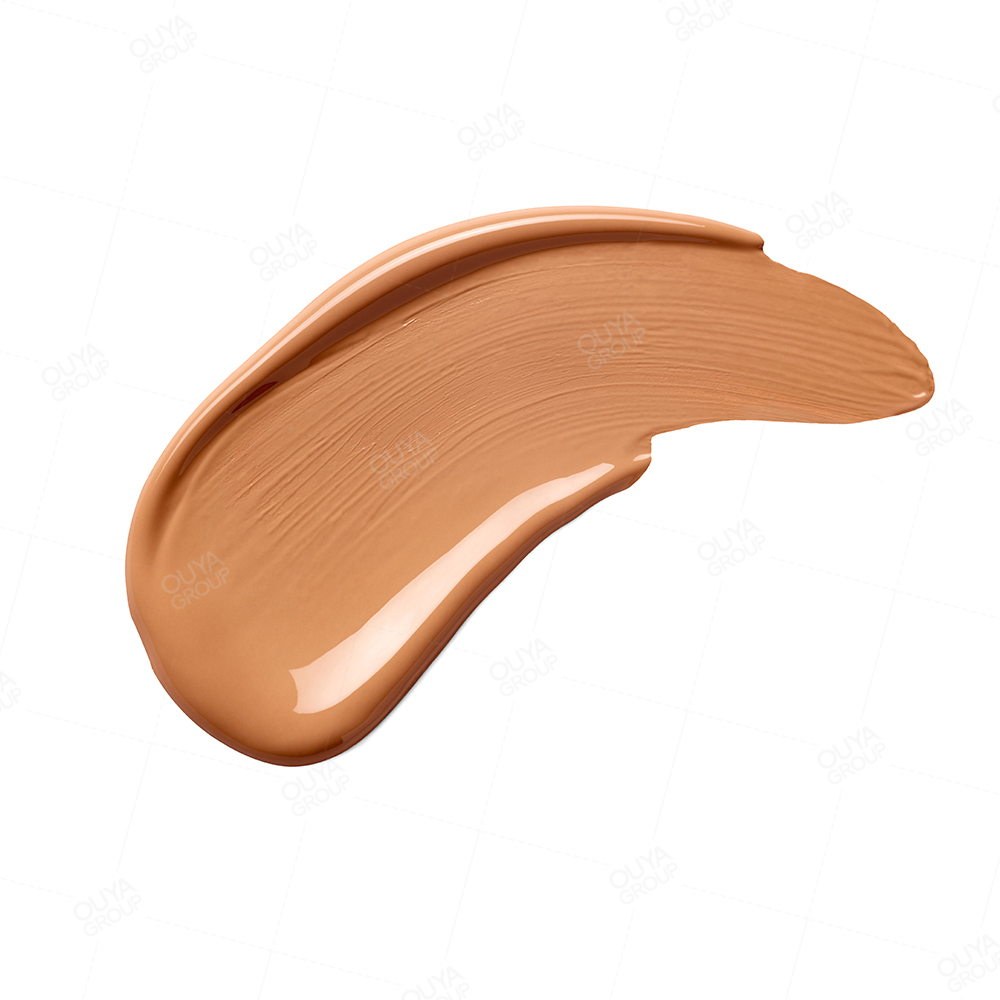
A thick application can make even a strong shade map look patchy, while a thin dose can make the line seem too sheer. The team should compare swatches, one-half-face tests, and full-face wear before settling the final shelf promise, especially if the retailer expects a natural finish rather than a heavy-coverage result.
The front panel should help the buyer, not decorate the box
Names, shade numbers, and finish cues should do the work quickly. If a merchant cannot tell which shade is for a brightening look and which is for deeper coverage, the range loses efficiency at the shelf. This is where the brand earns trust: by making the decision easier, not louder.
A retailer usually asks whether the line can be extended later without starting over. That answer depends on whether the initial tones were chosen as a family, not as a stack of separate experiments. When the shades are documented as anchors and bridges, future additions can expand the range without breaking the original launch story.
That also keeps low MOQ testing practical. A brand can trial a tighter shade group, read the market response, and then add bridge shades with better confidence. The first range becomes a learning system, not a one-time color bet.
Summary
Inclusive foundation shades succeed when the range has a real structure, the finish reads cleanly on multiple skin tones, and the pack can explain the logic in one glance. The next step is to lock the first anchor shades, then test the bridge tones only after the formula behaves across lighting and skin depth.
If you need a foundation makeup brief for a wider market, contact OUYA BEAUTY with your target tones, finish, and launch markets.
FAQ
What makes a foundation range feel inclusive?
It feels inclusive when the shades have clear undertone roles, the depth steps make sense, and the line works on more than one skin tone without forcing the user to guess. A good range reads like one product family, not a tray of unrelated samples.
How many foundation shades should a first launch have?
A first launch only needs enough shades to show the logic of the range. Three strong anchors can be more useful than a crowded set of close duplicates, especially when the brand is testing a new market or a new finish.
Should glow and matte shades be in one range?
They can be, but only when the finish roles are clearly separated. A glow lane should not make the whole range look shiny, and a matte lane should not flatten every skin tone in the line.
Why do mature-skin tests matter?
Mature-skin tests reveal whether the finish stays smooth, readable, and comfortable when the skin texture is more visible. That is useful even for a broader range, because it exposes issues that a flat studio swatch can hide.