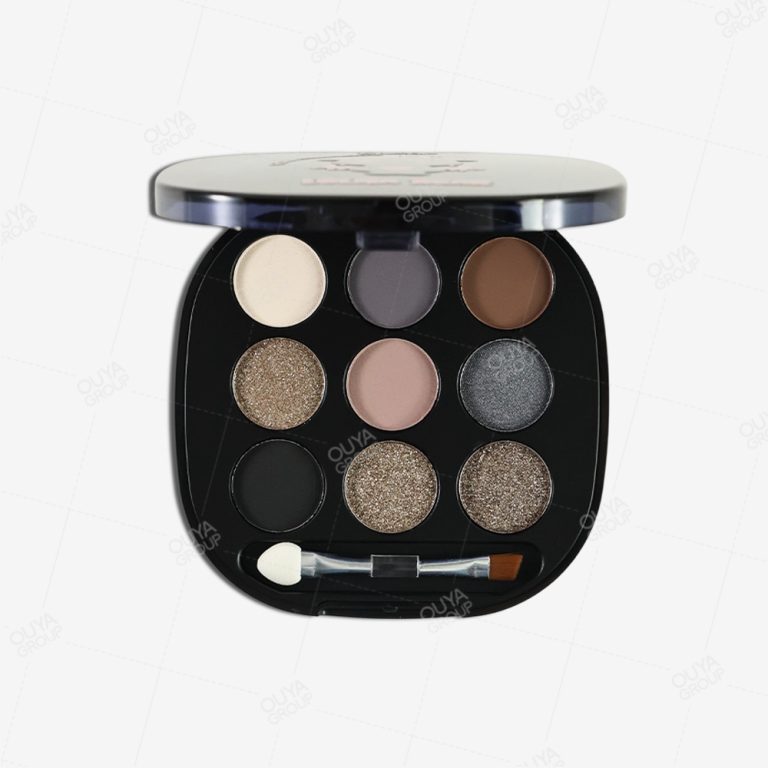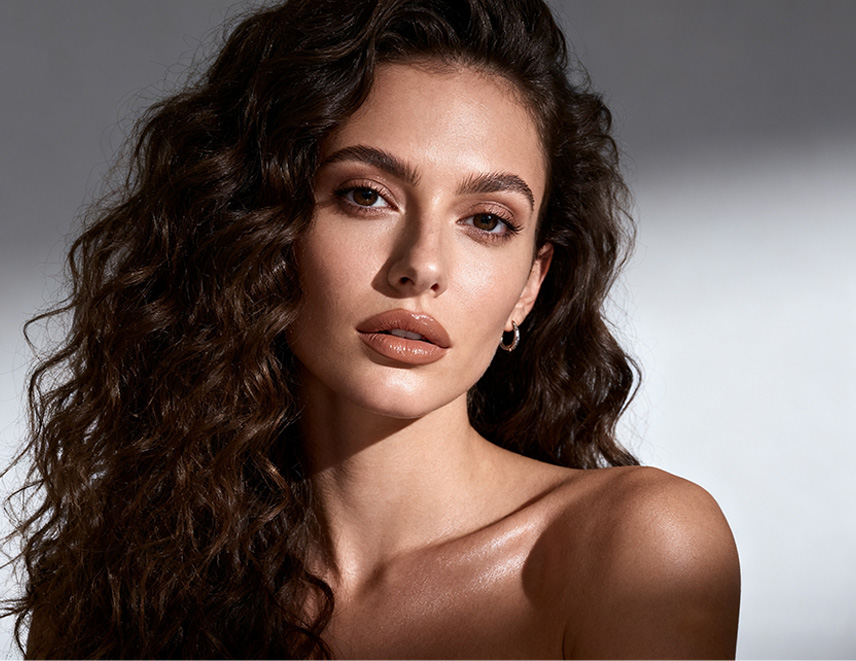
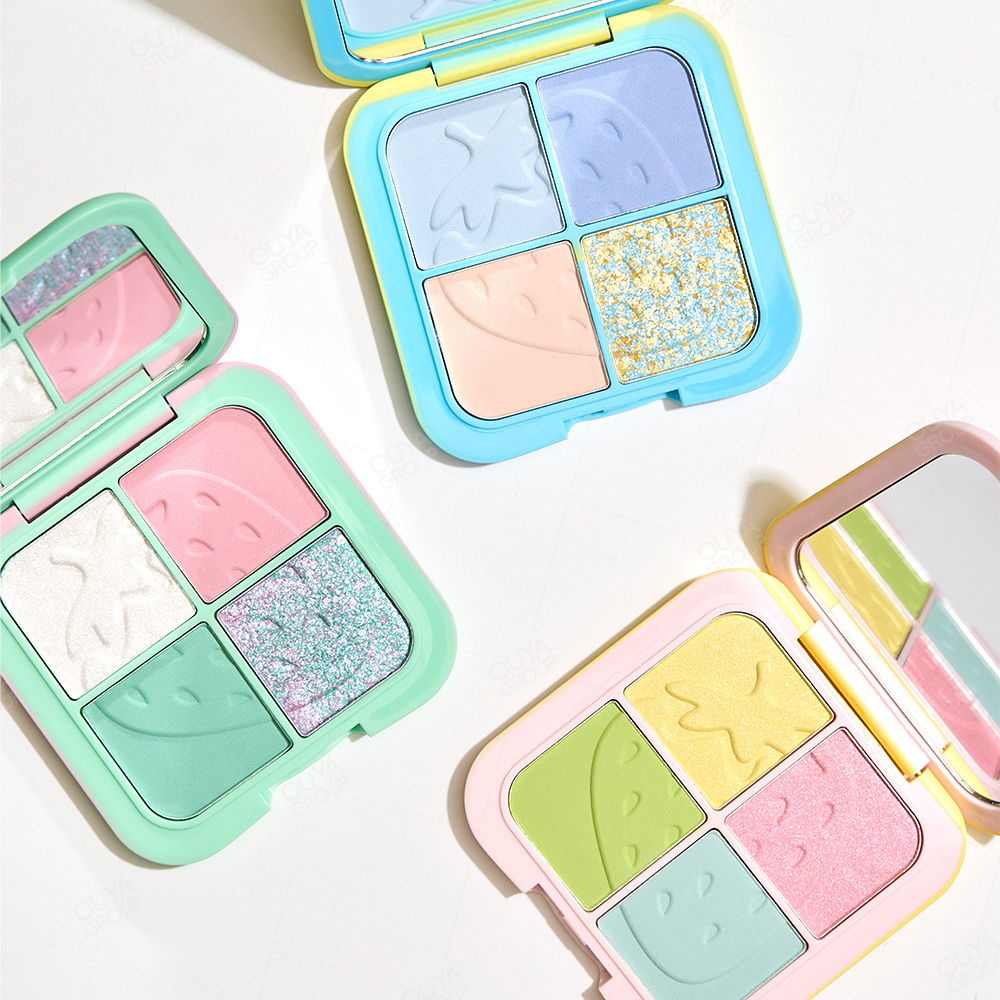
Trend color loses value if the palette spends too long in sampling. A eyeshadow palette should move from concept to shelf while the shades still feel current, the compact still closes cleanly, and the formula still blends without fallout. The best mini travel eyeshadow palette is often the fastest route, but only when the manufacturing process is built for quick decisions.
What slows a trend palette down?
Trend palettes slow down when the shade story is too broad or the pan count is too ambitious. A launch needs enough variety to feel fresh, but not so much that the sample process turns into a year-long correction loop. For a retailer, every extra variation is another approval round and another chance to miss the season.
Color mood should stay narrow
A compact palette can carry a clear theme more easily than a large one, and that matters when trend windows are short. The eyeshadow manufacturing process becomes easier to control when the shades are grouped by mood rather than by every possible finish. A stronger edit usually helps the product move faster.
Breakage and fallout decide whether the schedule holds
A baked or pressed eye formula can look strong in swatch photos and still fail if the pan cracks or sheds dust in transit. That is why the team should test closure, surface strength, and travel handling early, not after artwork is locked. A fragile palette can slow the launch more than a missing shade.
| Format | Why it moves | What to check |
| Full-size palette | More shade room but slower approval | Does every pan earn its slot? |
| Mini palette | Easier to edit and ship | Is the story still clear with fewer shades? |
| Travel size palette | Lower decision friction | Will the closure and wear survive a bag? |
Why mini palettes often win the timing race
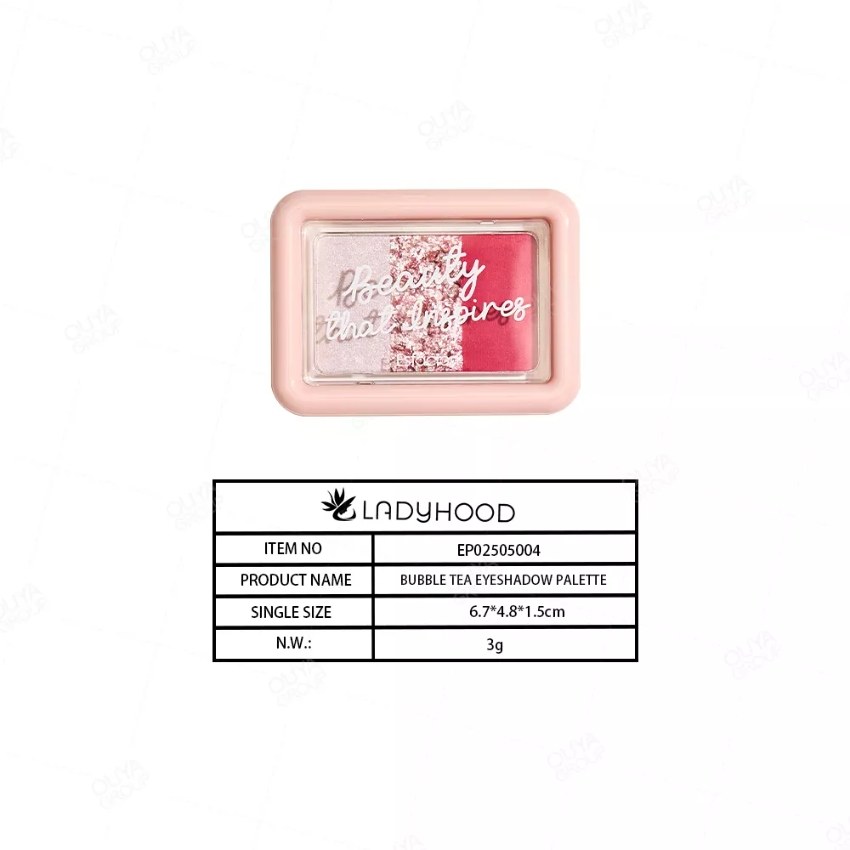
Mini and travel formats usually win because they ask less of the shopper and less of the lab. A private label eyeshadow palette can feel more current when the palette is tight and the theme is obvious. Shoppers also understand that a small palette should behave well in a bag, which makes the launch easier to explain.
The palette has to explain itself fast
- A clear day-to-night story reduces hesitation.
- Two or three anchor shades make the edit easier to read.
- A compact case simplifies retail display and sampling.
The formula still needs a strong finish
The company can only move quickly if the formula blends cleanly, stays readable on camera, and does not shed when a finger or brush lifts product. The cleanest launch is the one that lets a merchant see the look in one glance rather than decoding a larger assortment.
How rapid prototyping helps the launch
Rapid prototyping shortens the schedule because it lets shade selection, pan size, and closure behavior be judged together. A custom eyeshadow palette brief moves faster when the first samples are already close to the final compact and not just color proofs. That means fewer false starts and a cleaner handoff to production.
Fast samples still need real checks
A quick prototype should prove blend, fallout, closure, and wear. If any of those fail, speed just gets the team to the wrong answer faster. The goal is not to skip judgment; it is to make each round more useful so the product can reach the shelf while the trend is still alive.
The sales story can stay simple
Sales teams do not need a long technical story. They need to know whether the palette is a neutral travel option, a seasonal color hit, or a more expressive statement piece. That is easier to sell than a palette with vague creative language and too many shade families.
That simplicity also helps when the line needs to expand. A new neutral travel palette, a seasonal color palette, or a small custom eyeshadow palette can all share the same launch logic if the first sample set documents the difference clearly. The faster the team can classify the role, the faster the shelf move.
It also makes the next round of sampling cleaner. Once the team knows which palette role is speed, which is color, and which is margin, the brief can move toward specific shades instead of reopening the whole concept every time a trend changes.
A retailer can then use the first compact as a repeatable platform. The base case, mirror, pan geometry, and powder behavior stay familiar, while the color mood changes for holidays, travel edits, or creator-led drops. That is how a fast palette becomes more than a one-off seasonal test.
The best outcome is not the largest palette; it is the palette that still feels on time when it lands. If the line can reach review with fewer vague options, the buyer has more room to judge the actual trend fit.
Summary
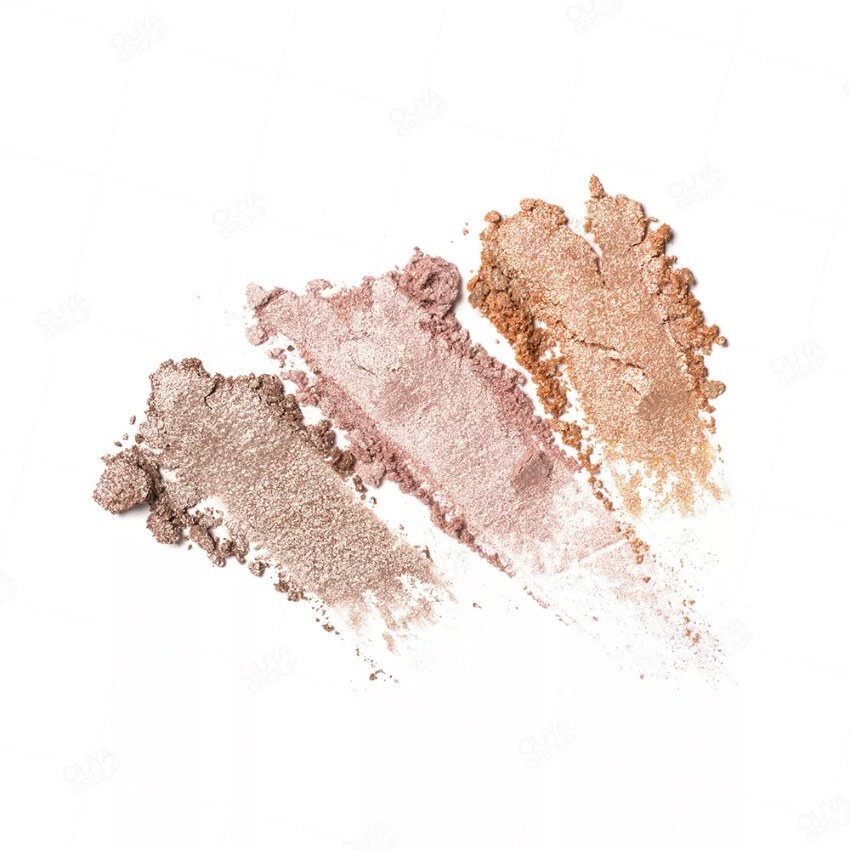
Trend eyeshadow reaches shelf faster when the palette stays edited, the formula behaves in real handling, and prototyping cuts rework instead of evidence. The next step is to choose the smallest palette that still tells a clear seasonal story and can survive a real retail cycle.
If you need a private label eyeshadow palette brief, contact OUYA BEAUTY with the palette size, color direction, and launch window.
FAQ
Why do mini palettes move faster?
Mini palettes move faster because they require fewer color decisions, simpler packing, and less consumer explanation. The tighter the edit, the easier it is to approve and launch.
How does breakage affect an eyeshadow launch?
If a compact cracks or sheds in transit, the schedule slows because the team has to retest handling and packaging. A good shade story cannot rescue a fragile case.
Should a trend palette try to cover every look?
Usually not. A strong trend palette is easier to understand when it has one clear mood. If it tries to do everything, it often ends up feeling generic instead of current.
What does rapid prototyping really save?
It saves rework. Fast samples are useful only when they answer the right questions about shade, closure, and wear before the launch date gets too close.