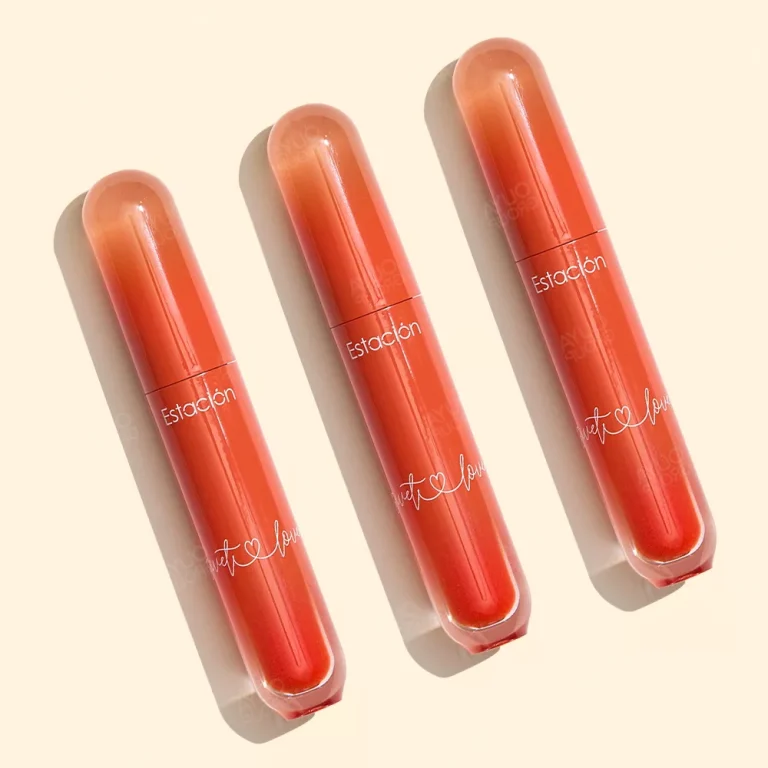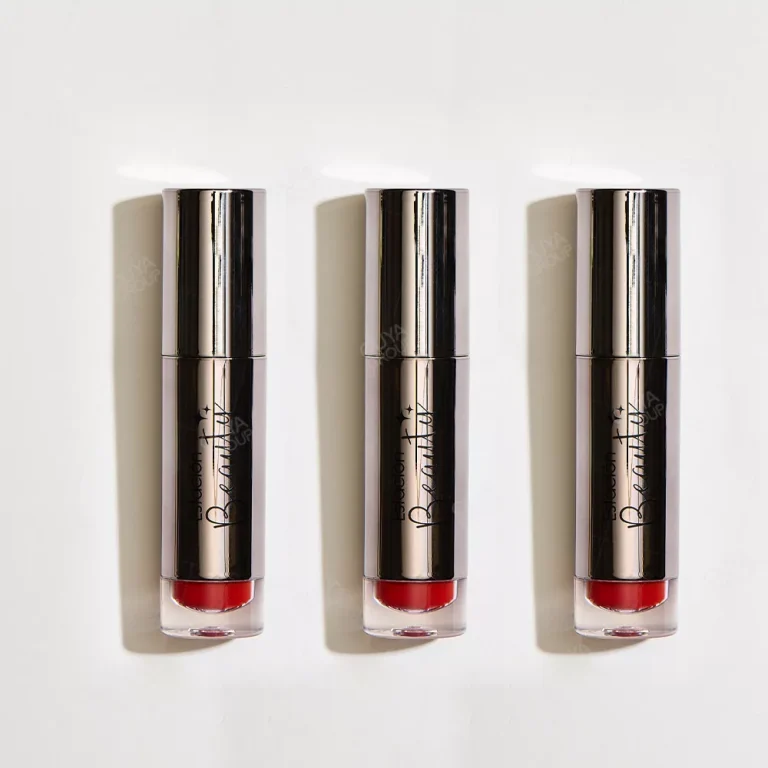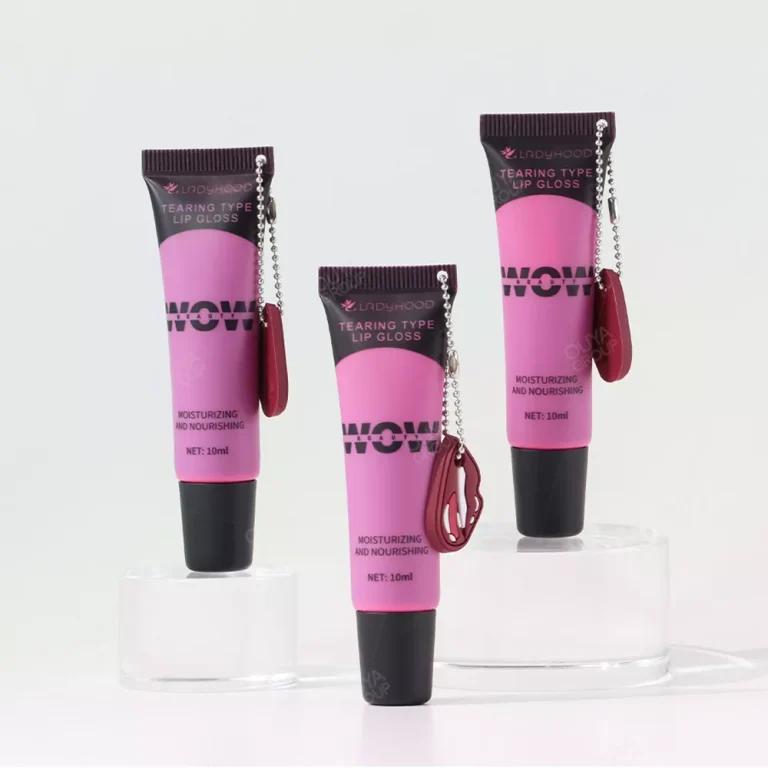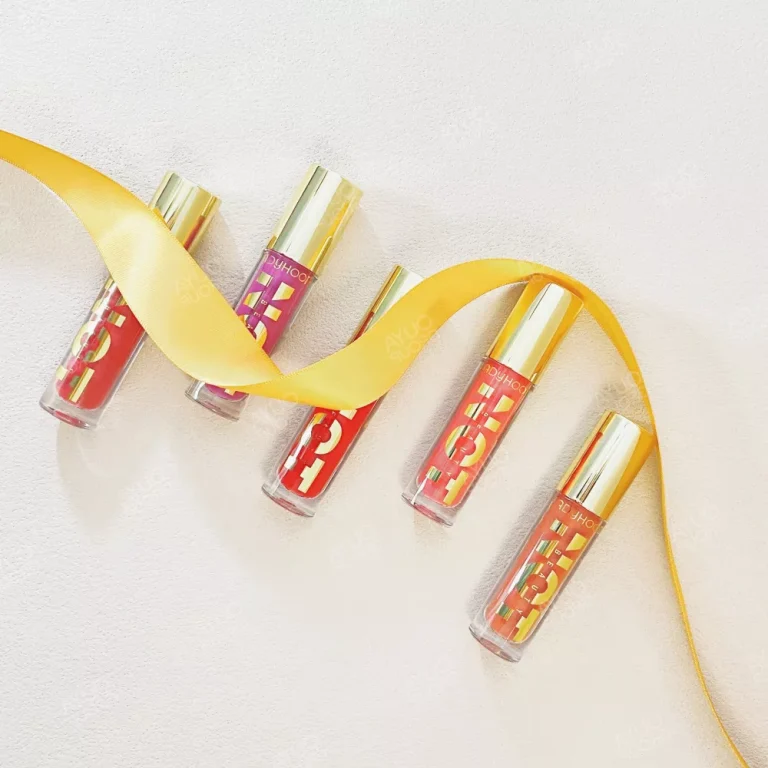
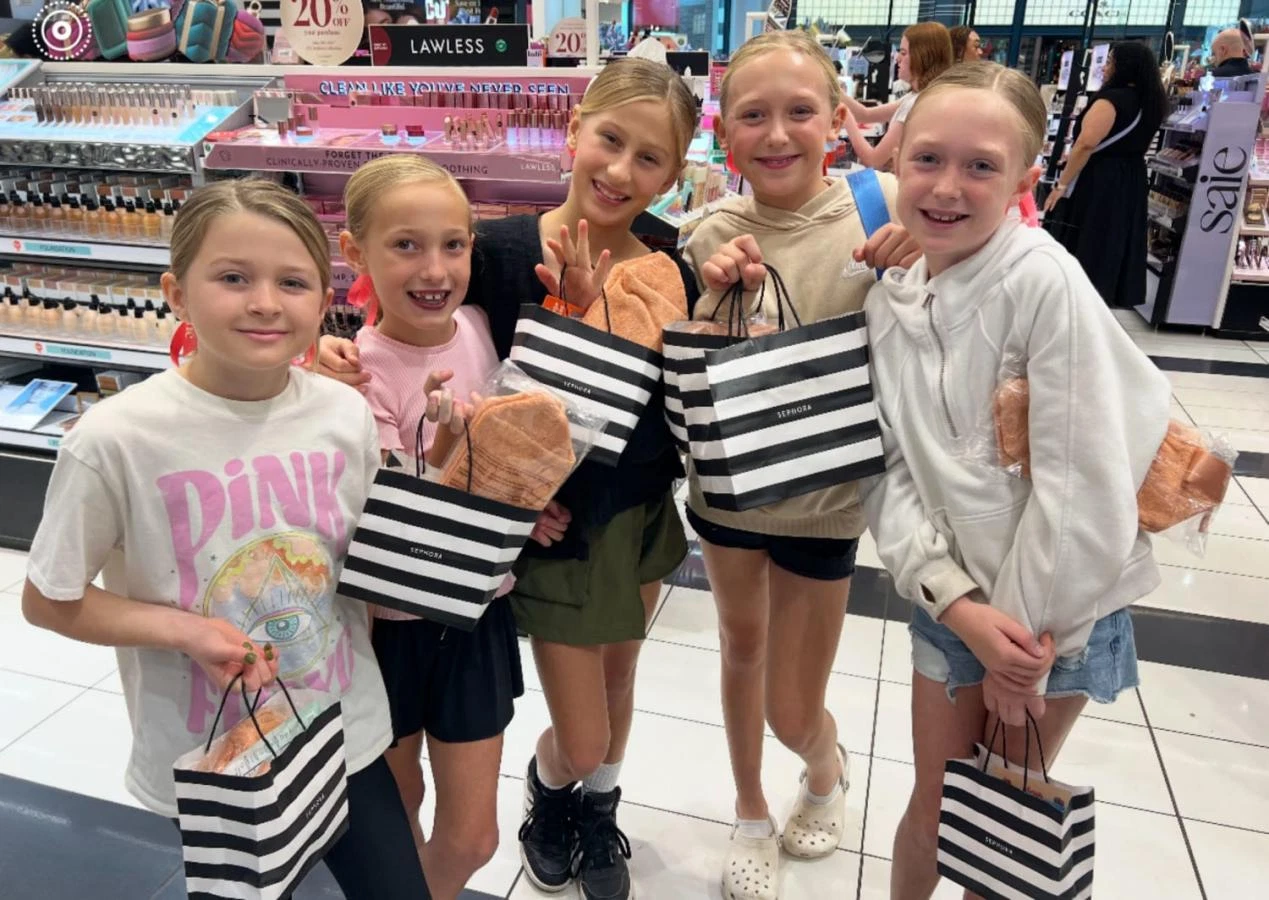
Everyone has probably watched those popular videos online. They show groups of young children rushing through beauty store aisles, often called “Sephora Kids.” Or think about a calm Saturday morning at home. A small child might grab a parent’s pricey lipstick and use it as face color. This kind of play is a normal part of growing up. Kids copy grown-ups, and makeup looks bright, changes their appearance, and brings joy. Yet, this harmless fun has started important talks. Dermatologists and parents are discussing it seriously.
Skin serves as the body’s biggest organ. For kids, it is also one of the weakest parts. As interest in “play makeup” grows quickly, the difference between cheap toys from stores and real beauty items fades. Parents focus on selecting non-toxic kids’ makeup. This lets children create without risking their well-being. For companies and shops, the task is even bigger. They must team up with private label makeup manufacturers who value firm safety rules instead of saving money.
The Hidden Reality of “Play” Cosmetics
In the past, makeup aimed at children counted only as toys. Because of that, it skipped the tough tests needed for grown-up beauty products. It found ways around strict rules. What happened? Stores filled with shiny sets that held harmful metals, phthalates, and rough additives like parabens.
Now, things have changed. Parents who care deeply about choices have boosted the need for secure beauty items for children. They check labels closely to scan the lists of parts. They seek the same “clean beauty” rules they use for their own face care. These parents do not want “non-toxic” just as a trendy term. Instead, they hunt for chemical-free cosmetics. In particular, they avoid items with hormone disruptors and strong fake materials that might cause allergies to start early.
Why Children’s Skin is Different
To grasp why this change matters so much, consider the science of the body. A child’s skin differs in build from that of an adult. It is about 30% slimmer. Also, it covers a larger area compared to the child’s weight. So, anything put on a kid’s skin soaks in faster. And it enters in bigger amounts based on their size.
On top of that, the protective layer of a child’s skin, which holds in water and blocks germs, does not fully develop until the teen years. Common parts that adults handle well, like fake smells or some additives, can lead to red, itchy skin right away in kids. That is why claims of being gentle on sensitive skin need real tests from experts. They should not rely only on sales words.
Defining “Safe”: The Criteria for Kids’ Formulas
So, what differentiates a high-quality product from a risky one? It comes down to three pillars: Formulation, Washability, and Certification.
1. Ingredient Transparency and “Nasties”
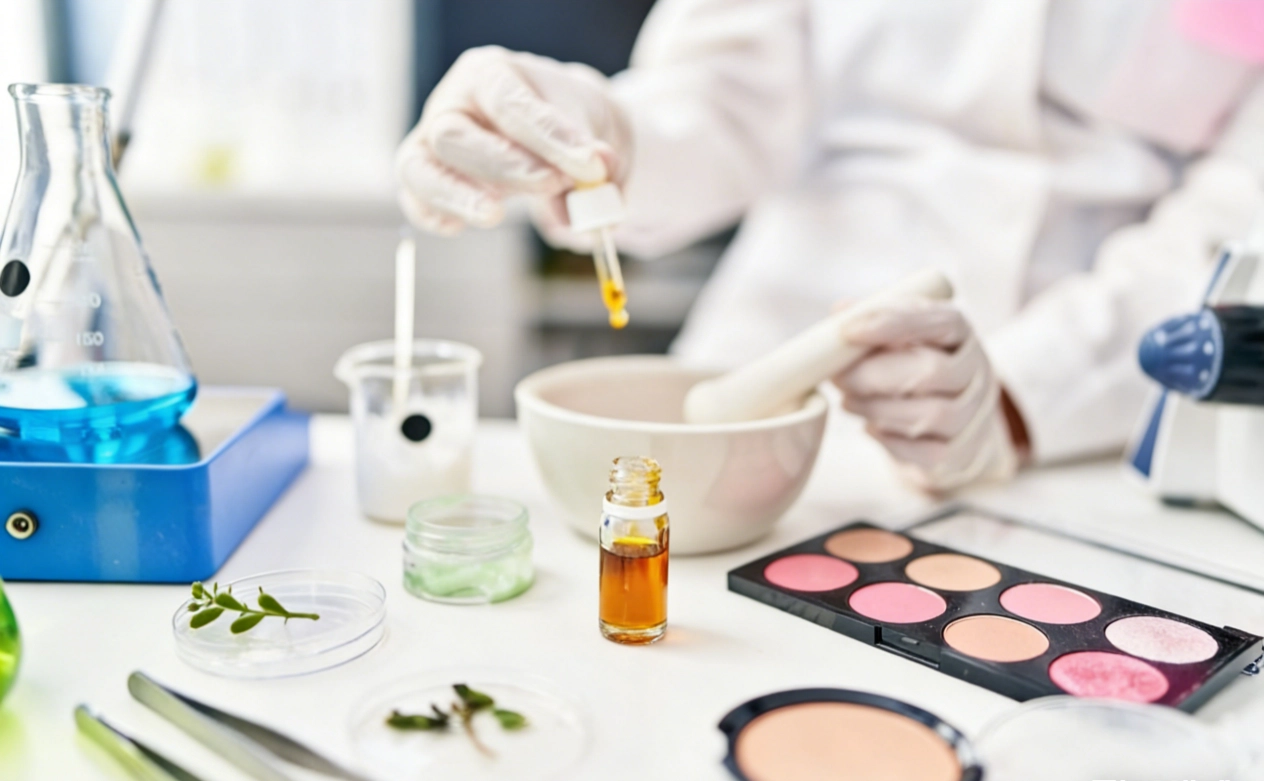
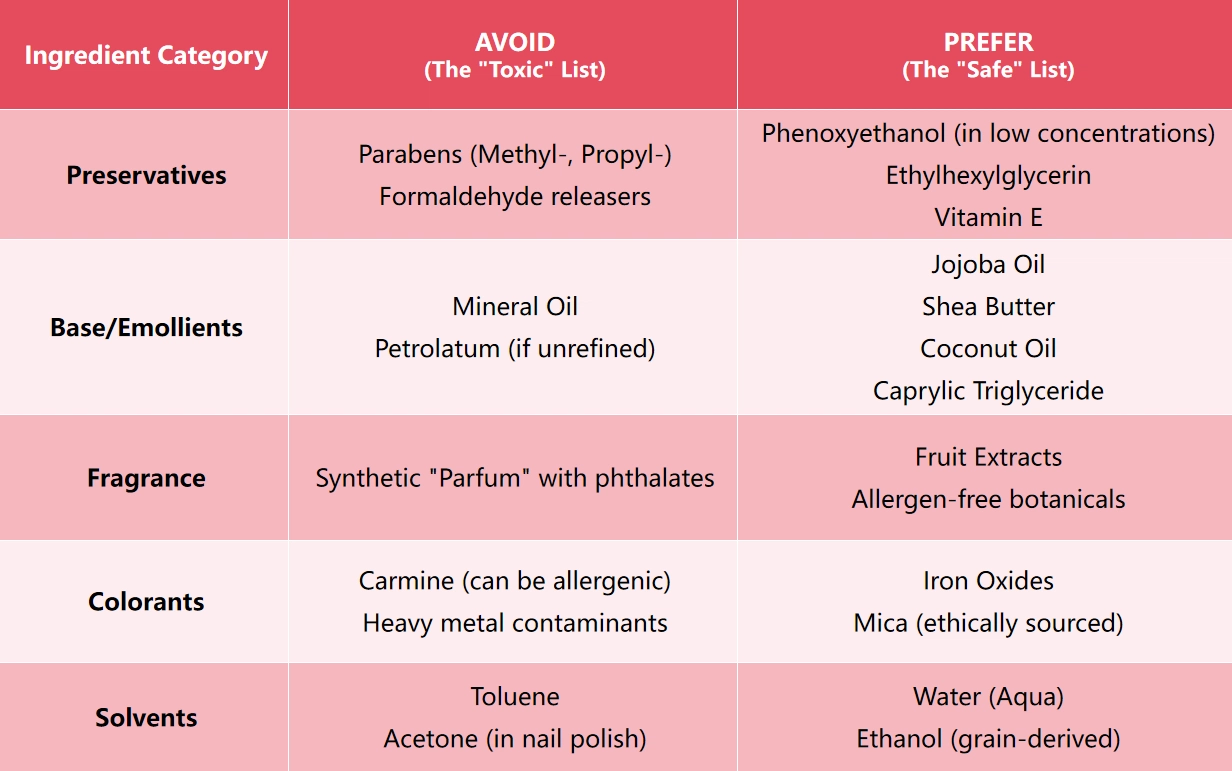
Real non-toxic kids makeup stays away from the worst twelve harmful parts in beauty items. Now, makers turn to bases from plants. Rather than using mineral oil, which comes from oil waste and often gets dirty in low-cost production, trusted companies pick things like Coconut Oil, Shea Butter, and Vitamin E. These are ingredients found in OUYA’s products, highlighting a shift toward nourishing, food-grade raw materials even in color cosmetics.
2. The Washability Factor
Kids treat makeup as short-term fun. It should come off without a big cleaning effort. Easy-to-wash play makeup is essential. These mixes use colors and holders that dissolve in water or with a soft cloth. Grown-up waterproof mascara sticks to lashes using water-repelling parts. But safe versions for children should fade as soon as water hits. This way, kids avoid rubbing hard, which might hurt soft skin.
3. Manufacturing Rigor
Here, the path from maker to store plays a key role. A producer of base or cheek color for young faces cannot work in a place that ignores the mixing of unwanted bits. Safety begins right at the start. Leading companies seek private label makeup manufacturers with worldwide approvals. These proofs ensure the cleanliness in the plant matches drug-level standards. They cut down on germ risks, which often affect water-based items for kids.
The Role of Private Label Manufacturers in Safety
For brands looking to enter the booming kids’ cosmetics market, the choice of partner is the most significant safety decision they will make. You are not just buying a product; you are buying their compliance history.
A generic factory might offer the lowest price per unit, but does it have experience with licensed products? Manufacturers like OUYA, for example, have a history of producing for global IPs like Disney and Hello Kitty. This is significant because these licensors have some of the strictest safety protocols in the world. When a private label makeup manufacturer has passed audits for such major global players, it indicates a foundational adherence to safety that goes beyond basic legal requirements.
Formulating for the Future Generation
Creating chemical-free cosmetics for kids is actually more difficult than creating adult products. You cannot rely on strong preservatives to give a product a 3-year shelf life. You cannot use aggressive adhesion agents to make the color “pop.”
Formulators must innovate. They might use:
- Natural Preservatives: Leveraging ingredients likeTocopherol (Vitamin E) to maintain stability without irritation.
- Food-Grade Pigments: Using colorants derived from vegetables or minerals that are safe even if accidentally ingested.
- Hypoallergenic Scents: If fragrance is used, it must be free from the 26 common allergens identified by EU regulations.
A Checklist for Safe Ingredients
If you are developing a line or simply shopping for safe beauty products for kids, use this comparative guide to navigate the ingredient list:
The Business Case for Clean Kids’ Beauty
From a business perspective, the “clean” label is no longer a niche; it is the standard. Millennial and Gen Z parents are the primary purchasers of these products. They are digitally savvy and will research a brand’s supply chain.
If you are a brand owner, working with a specialized manufacturer of foundation and color cosmetics allows you to leverage their R&D capabilities. You can request “free-from” lists. You can develop a washable play makeup line that mimics the aesthetic of adult “prestige” beauty—think rose gold packaging and sophisticated branding—but with the safety profile of a baby lotion.
This is where the opportunity lies. There is a gap in the market for “Tween” beauty products that bridge the gap between “toy” and “adult.” These consumers want the “cool factor” of a real brand, but their skin still needs the protection of gentle on sensitive skin formulations.
Adapting Adult Trends for Kids
We are seeing trends like “Jelly Blush” or “Cushion Foundation” migrating to the kids’ sector. A reputable manufacturer can take a trending format—as the Jelly Blush Stick found in OUYA’s catalog—and reformulate it. They can remove the long-wear fixatives and replace them with extra hydration like Hyaluronic Acid, creating a sheer, fun pop of color that is safe for a 10-year-old to experiment with.
Conclusion
Talks about non-toxic kids’ makeup do not fade like fads. They mark a basic change in guarding the young. Be it a basic lip softener or a whole set for play, items given to children face the strictest review. Safety does not happen by chance. People design it carefully.
This is where OUYA excels. As a global cosmetics solution provider with over 23 years of experience, we don’t just follow standards; we help define them. Our 62,000 m² facility operates under the strictest ISO 22716 and GMPC certifications, ensuring pharmaceutical-grade hygiene. Having successfully passed audits for global giants like Disney and Hello Kitty, and holding EcoVadis and Sedex certifications, we understand the intricate compliance needs of the children’s market. With a dedicated R&D center and an annual capacity of 200 million pieces, OUYA is the partner you can trust to deliver products that are as safe as they are delightful. Contact us today at contact@ouyabeautygroup.com to develop your certified non-toxic beauty line!
FAQs
Q: How does “kids makeup” differ from “adult makeup” in formulation?
A: Kids makeup prioritizes water-solubility for easy removal and avoids potent actives (like retinol) or strong fixatives, focusing instead on food-grade, hypoallergenic ingredients.
Q: Are “natural” ingredients always safe for children?
A: Not always. Some essential oils can be allergens. It is vital to use chemical-free cosmetics that are clinically tested to be gentle on sensitive skin, regardless of source.
Q: How can I verify if a private label manufacturer produces safe products?
A: Request their compliance certificates. A reputable manufacturer of cosmetics or kids’ products should hold a valid GMPC, ISO 22716, and have passed third-party social audits like Sedex.