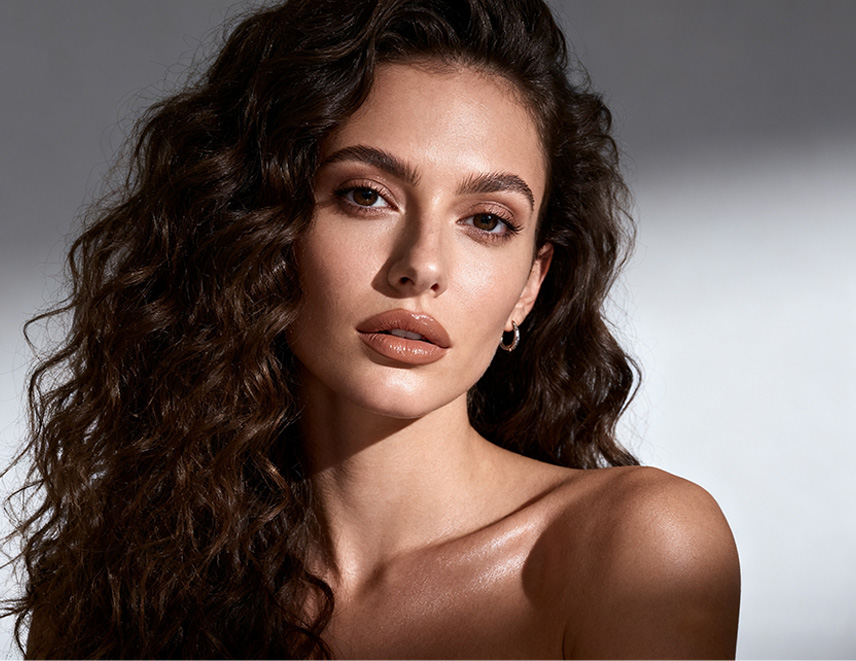
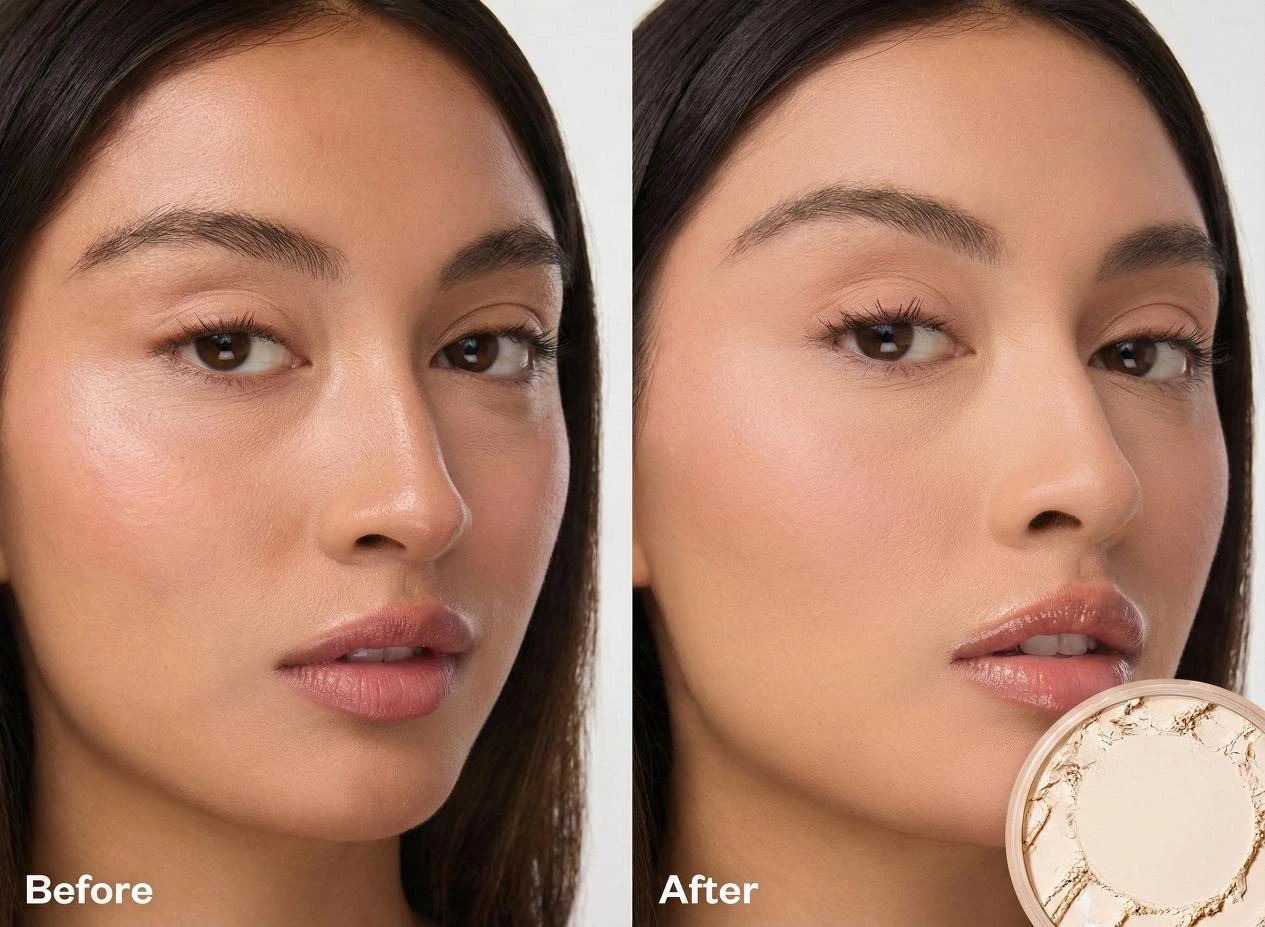
At 2:00 PM, you catch a glimpse of yourself in the office restroom mirror or your phone camera, and there it is—the dreaded T-zone shine. Your foundation, applied so perfectly at 7:00 AM, is starting to separate around your nose. You reach into your bag. Do you pull out a sleek compact or a jar of loose dust?
The discussion about pressed powder and loose powder has been going on for as long as modern makeup has existed. Social media trends such as “Cloud Skin” and “Baking” are popular on TikTok these days. This has made things even more confusing. Is one type superior to the other? Or do they simply work for different needs? In reality, the right choice depends a lot on your daily routine, your skin’s natural traits, and the exact look you want to achieve.
This guide explores the basics and real-world use of both options in detail. It will help you figure out which powder should stay in your makeup kit for good—or in your product lineup if you are searching for private label makeup manufacturers.
The Science of Setting: What Actually Happens?
To grasp the difference, we must first examine what setting powder really does. Basically, powder works to soak up moisture like sweat and oil from the skin. At the same time, it holds liquid items such as foundation and concealer in position. This stops them from shifting into small wrinkles or slipping away from your face.
That said, how the powder is made plays a big role. Both kinds share common main ingredients, including talc, mica, or silica. Yet the processing method creates clear differences in how they act on the skin. Loose powder consists of pure color and fillers. These are ground into a very fine, airy form. Pressed powder, by contrast, includes binding materials like oils or waxes. These let it form a solid block. Such binders not only keep the shape intact. They also affect how the product sticks to your skin and the level of coverage it gives.
This key variation in makeup leads us to the first main player in our comparison: the favorite of many pros, loose powder.
Deconstructing Loose Powder: The Artist’s Tool
Step into the trailer of any skilled makeup artist on a film set. You will surely spot jars of loose powder on the vanity table. There is a good reason for that. Loose powder feels lighter overall, has finer grains, and is less prone to rough up the skin. It stands as the top choice for fixing liquid foundation without changing its shade. This holds true especially with a clear version. Since it skips the binding oils in compacts, it tends to be drier. As a result, it excels at keeping makeup secure for a long time.
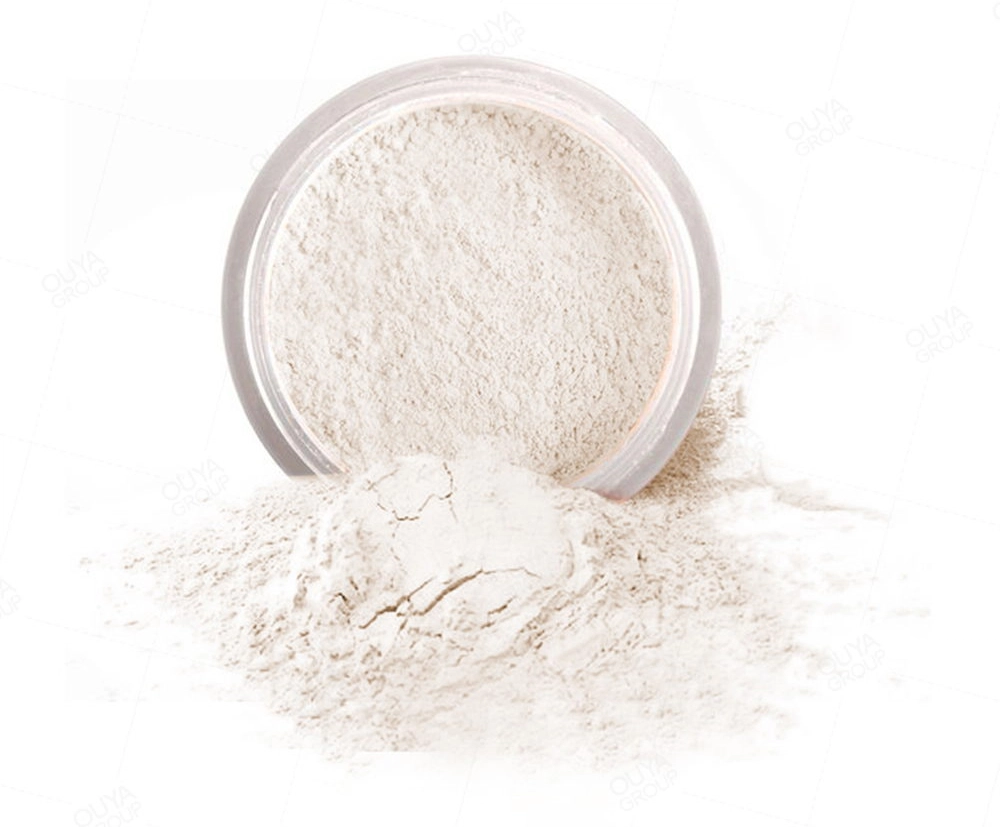
The Magic of “Makeup Baking”
If you have watched a beauty video online, you probably know the “baking” method. It means putting a thick coat of loose powder on top of concealer. You do this usually under the eyes or along the cheekbones. Then, you let it rest for five to ten minutes. Your body warmth seals the makeup below. This “cooks” it in place for a smooth, wrinkle-free result.
Loose powder works best for this task. You cannot do the thick layering needed for makeup baking using a pressed compact. The free particles fill tiny pores and lines. In turn, they create a soft, edited appearance that fits high-style looks or bright photo shoots. Many see it as the best setting powder for tough events. There, your face must stay perfect for hours under strong lights.
Who Should Use It?
Loose powder gives a nice, light result. However, it does not suit every person. It can get messy easily. For instance, opening a jar while riding in a bumpy car often leads to trouble. It might ruin your clothes, too. So, it fits best for these situations:
- Home Use:Apply it as the final step before you leave the house.
- Oily Skin Types:The lack of oil binders means it can absorb more sebum initially.
- Detailed Application:When you want to set specific small areas, like the under-eye, without adding heaviness to the rest of the face.
Pressed Powder: Convenience Meets Precision
Now, consider the trusty, easy-to-carry pressed powder. It serves as the everyday essential in cosmetics. The pigments get pressed together with binders, silicones, or waxes. Because of this, these powders feel a bit denser than loose ones. But denser does not mean worse. It simply provides better coverage and is simpler to handle.
Current versions have improved greatly from the thick blocks of the 1990s. Today’s pressed powders, particularly those from reliable makers, use fine grinding techniques. This makes the particles very small. Thus, they avoid a powdery look while offering the ease of a firm shape.
The King of Makeup Touch Ups
Truth be told, daily life brings changes. You might sweat a little, greet friends with hugs, or put on a face mask. Your makeup will need fixing at some point. Here, pressed powder stands out. It is the go-to item for makeup touch ups.
Picture this: trying to “bake” your face in a small office bathroom space with loose powder. That would not work well. A compact comes with its own mirror and applicator. This lets you pat away oil and add a new layer quickly. For example, OUYA’s Dual Protective Pressed Powder fits this busy style perfectly. It goes beyond just setting. It builds a water-resistant shield against sweat. This proves essential for people on the move. They shift from a full day at work to an evening meal without needing to clean and redo their face.
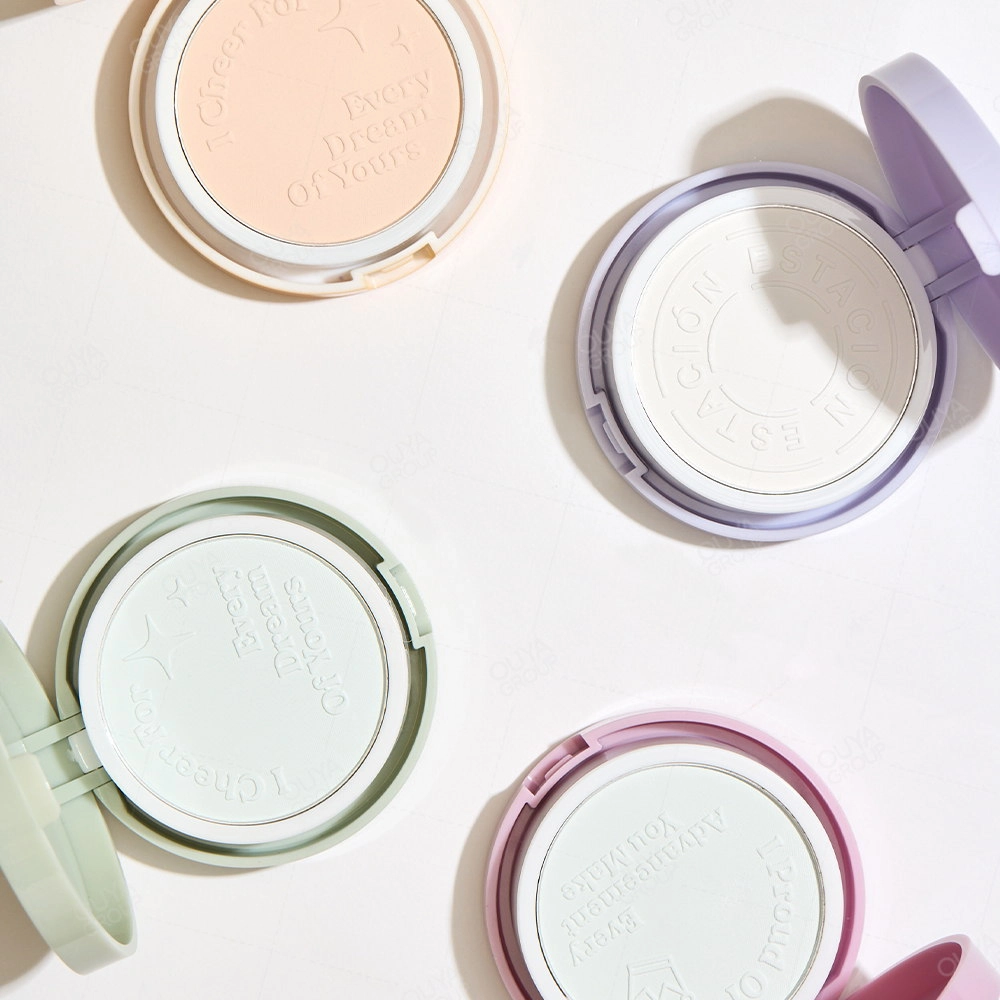
Controlled Coverage for Oily Skin
Loose powder helps with first-time oil control. Yet pressed powder often becomes the top oily skin powder for ongoing care. Why is that? You can apply the color right where it is needed, typically the forehead and nose area. And you do not have to spread dry powder over cheeks that might feel less oily.
Plus, the binders in pressed powders usually include soothing elements for the skin. These stop the skin from making extra oil as a response to dryness. Items like the Custom Velvet Focal Blurring Pressed Powder feature round particles that bounce light. This gives a soft-focus result while taking in extra oil. It produces a “blurring” look that covers the feel of wide pores. Loose powder alone often finds this harder to manage well.
Matching the Powder to Your Skin Type
Your skin’s condition decides this choice in the end. One product that shines on oily skin could seem rough and uneven on dry skin. So, it is important to check the ingredients. Understand what the powder aims to achieve.
Oily and Combination Skin
If shine appears by midday, you require a powder that works like a tiny sponge. Oily skin powder recipes often include things like silica, kaolin clay, or starch.
For such skin, a pressed powder with clear oil-control features suits daily use better. It lets you wipe oil away without harming the skin. The Dual Protective Pressed Powder shows this mix of benefits well. It manages oil yet uses layers that resist water. This offers a big plus in damp weather. There, sweat and oil combine to wear down the foundation. The point is to draw out the oil, not merely hide it. Doing so prevents a heavy, uneven buildup.
Dry and Mature Skin
Some believe dry skin should skip powder altogether. That idea is not correct. You still must set your makeup. But take care with “baking,” as it can drain moisture from areas like under the eyes.
For dry or older skin, seek pressed powders labeled “velvet,” “satin,” or “luminous.” These have moisturizing parts that let the powder blend into the skin. It does not just sit on the surface. The Velvet Focal Blurring Pressed Powder works great in this case. Its main goal is “blurring” instead of drying. It uses light bending to cover lines rather than filling them. If you choose loose powder, apply it lightly. Make sure it is ground to a very fine texture.
A Note for Brand Owners: The Private Label Perspective
If you are a business owner aiming to launch a beauty line, powders offer a smart starting area. People want specialized options more than ever. Buyers no longer want basic “face powder.” They seek targeted fixes, like “waterproof touch-up powder” or “talc-free baking powder.”
Working with skilled private label makeup manufacturers lets you join these trends without huge costs for your own facility. Companies like OUYA provide ready formulas tested for lasting quality and results. For example, starting a collection with a best setting powder for humid areas (using our waterproof technology) or a natural line (with talc-free minerals) sets you apart from others. You can adjust details, such as a fine mirror or a secure snap closure. These raise the overall worth of your pressed powder compact.
Conclusion
In the end, which one fits your style? If you enjoy full makeup with baked highlights under the eyes and a smooth matte start to the day, loose powder will be your go-to. For most of the day, though—the travel, the work sessions, the casual outings—pressed powder steps in as the reliable choice in your bag. It strikes a fine balance of coverage, ease, and accuracy. Often, the ideal setup means having both. Keep one at your dressing area, and the other for trips.
For tailored help, reach out to OUYA. OUYA has led global color cosmetics production for 23 years. We do more than make products. We create new ideas. Our R&D team comes up with over 100 fresh recipes each year. This keeps our partners up to date with hot styles, like “cloud-like” feels and waterproof tech. We hold GMPC, ISO 22716, and FDA certifications. We offer full support for private label color cosmetics manufacturers. This covers custom recipes to eco-friendly packaging. All this helps you create a brand that people rely on.
FAQs
Q: Can I use both loose and pressed powder in the same makeup routine?
A: Yes, you can. Experts suggest using loose powder to set liquid foundation at home. This builds an even base. Then, carry pressed powder for the day. It helps with makeup touch ups to manage shine and keep coverage intact.
Q: Which powder is the best setting powder for avoiding “flashback” in photos?
A: “Flashback” happens when silica or SPF parts bounce light, creating a white glow in pictures. Pressed powders, particularly colored ones, tend to work better for flash photos than loose types heavy on silica.
Q: Is pressed powder bad for acne-prone skin?
A: No, not if you pick wisely. Choose an oily skin powder that is non-comedogenic. This means it will not block pores. OUYA’s blends use smart, air-friendly binders. They handle oil without holding in germs. So, they suit skin prone to breakouts.