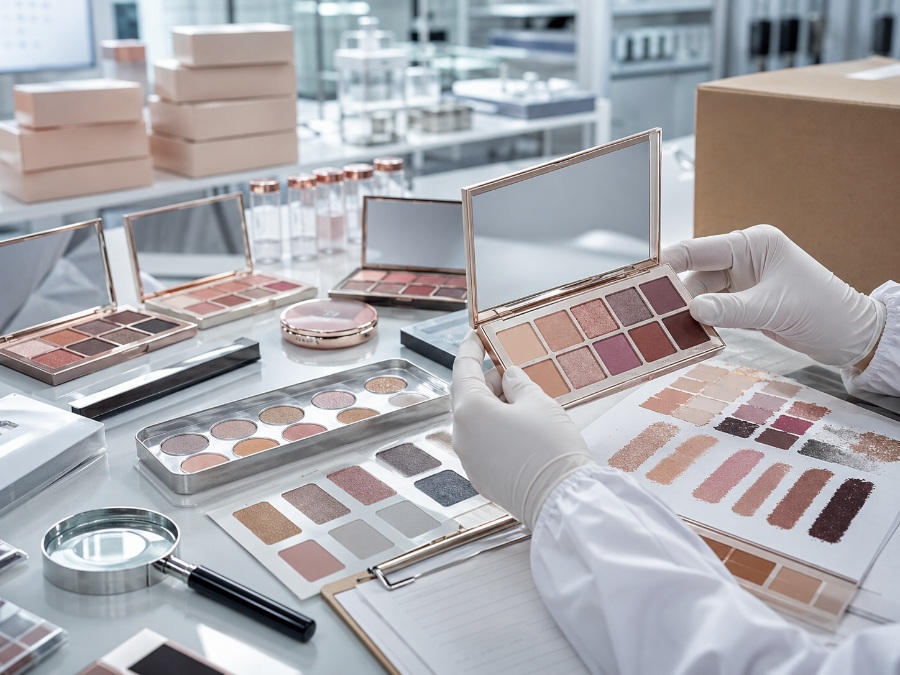
Introducción
Un proveedor confiable de sombras de ojos demuestra control sobre la fórmula, la coincidencia de tonos, el prensado, el ensamblaje de las paletas, el empaque y el cumplimiento de las normativas del mercado. Los compradores deben auditar estos controles antes de juzgar una paleta de sombras de ojos personalizada únicamente por su presentación. La forma más rápida de tomar una decisión acertada es definir objetivos de calidad medibles, revisar evidencias representativas de la producción y probar la construcción exacta de la paleta que se producirá a gran escala.
Defina qué significa alta calidad para la gama.
Una sombra de ojos de alta calidad es una especificación del producto, no una simple impresión sensorial. Su definición puede incluir pigmentación, facilidad de difuminado, adherencia, caída de producto, resistencia a la compactación, estabilidad del color, firmeza del envase y facilidad de remoción. El comprador debe priorizar estos atributos según el uso del consumidor y el precio, ya que maximizar todos a la vez puede generar desventajas en el nivel de aglutinante, la captación de polvo, la fuerza de presión y el acabado.
Construya un sistema coherente de sombreado y acabado.
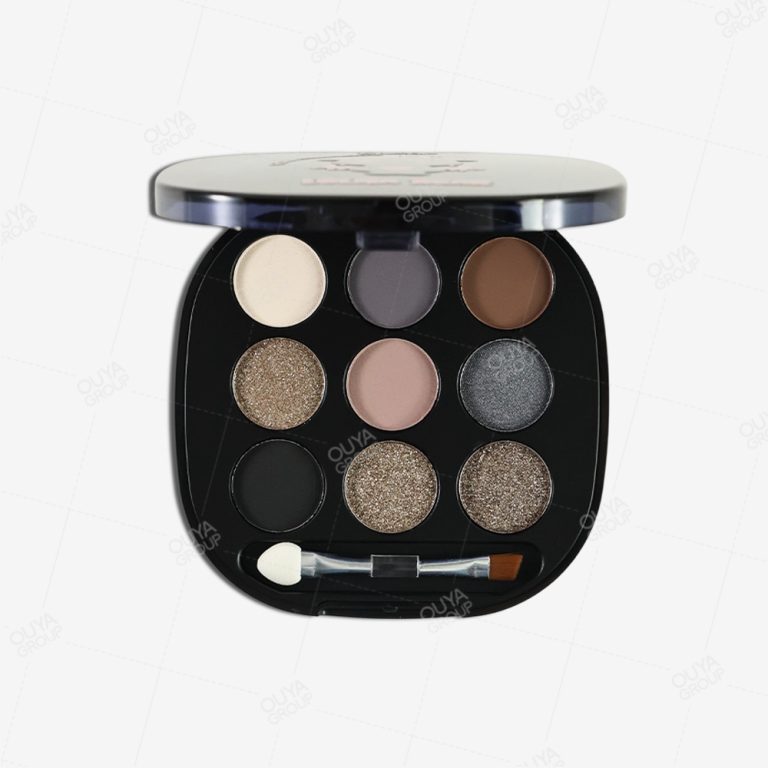
Una paleta de sombras de ojos personalizada debe asignar a cada tono una función específica. Los tonos base, de transición, de profundidad, delineadores, de acento y brillantes deben tener suficiente contraste para crear looks completos sin colores redundantes. OUYA BELEZALa paleta de referencias incluye combinaciones mate y brillante, mientras que la paleta de sombras de ojos Galaxy Planet utiliza tecnología de polvo horneado de alta calidad para lograr una textura fina y suave. Estas características específicas del producto deben revisarse por separado y no deben transferirse entre diferentes modelos durante la aprobación.
Auditar el comportamiento del polvo y la compactación
El comportamiento del polvo cambia tras el prensado, el transporte y el uso repetido. Un fabricante de paletas de sombras de ojos debe demostrar cómo controla la dosificación de la materia prima, la mezcla, la molienda (cuando corresponda), el peso del relleno, los ajustes de prensado, la adhesión de la pastilla, la inspección visual y la gestión de roturas. Se debe analizar una muestra de sombra de ojos de alta calidad de la pastilla terminada, ya que el polvo suelto a granel no permite demostrar la dureza de la pastilla, el agrietamiento, el desprendimiento de la misma ni la contaminación del compacto.
| Área de auditoría | Evidencia a solicitar | Pregunta de aceptación del comprador |
| Control de sombras | Método estándar y de tolerancia aprobado | ¿La producción coincide con la muestra firmada? |
| Proceso de polvo | Registro de lotes y controles en proceso | ¿Son repetibles la recompensa y la textura? |
| Presionando | Parámetros de presión y comprobaciones de la sartén | ¿Las sartenes resistirán la rotura sin endurecerse? |
| Asamblea | Colocación de la bandeja y controles de contaminación | ¿Los colores son nítidos y están correctamente posicionados? |
| Retirar el material | Revisión de caídas, vibraciones y cajas | ¿La paleta llegará en condiciones de venta? |

Analiza las muestras como un comprador de producción.
La revisión de muestras debe utilizar una ficha de evaluación reproducible. Los compradores deben estandarizar la imprimación, el tipo de pincel, el número de pasadas, la iluminación, las instrucciones del panel y la fotografía. Deben comparar la muestra en el primer uso y después de varias recogidas, e inspeccionar el desempolvado, el brillo, el movimiento del envase, el funcionamiento de la bisagra, la limpieza del espejo y el cierre. Una muestra de cosméticos ODM de marca propia solo es útil si el proveedor registra la fórmula, el envase, los componentes y la versión de la decoración.
OUYA BELEZALa página del producto de 9 colores presenta una paleta personalizable con tonos mate y brillantes, además de opciones de personalización de color. Un comprador precavido debería solicitar el código exacto de la muestra, la lista de materiales, el peso neto y la especificación firmada, en lugar de basarse únicamente en el título o la imagen de la página. Esta verificación documental vincula la paleta de sombras de ojos personalizada aprobada con la configuración que el fabricante de la paleta de sombras de ojos autorizará para su producción.
Confirmar el colorante aditivo y el alcance del mercado.
Las restricciones de color para la zona de los ojos requieren una revisión específica de cada producto. La FDA remite a las empresas a la normativa aplicable a cada colorante y publica por separado directrices de seguridad para cosméticos oculares. Un pigmento utilizado en otras partes del cosmético no está automáticamente permitido en la zona de los ojos. Para su comercialización en la UE, el producto final también necesita una persona responsable, un informe de seguridad del producto cosmético y la notificación al CPNP antes de su lanzamiento.
Las afirmaciones y las instrucciones para el consumidor deben coincidir con la documentación. Términos como larga duración, alta pigmentación, libre de crueldad animal o apto para ojos sensibles requieren una base definida y adecuada al mercado objetivo. El servicio de soporte ODM para cosméticos de marca blanca puede organizar la documentación, pero los compradores deben identificar a la persona legalmente responsable, al propietario del listado del producto, al evaluador de seguridad, al aprobador del diseño y al contacto en caso de reacciones adversas antes de la producción.
Pruebe la escala del proveedor y el control de cambios.
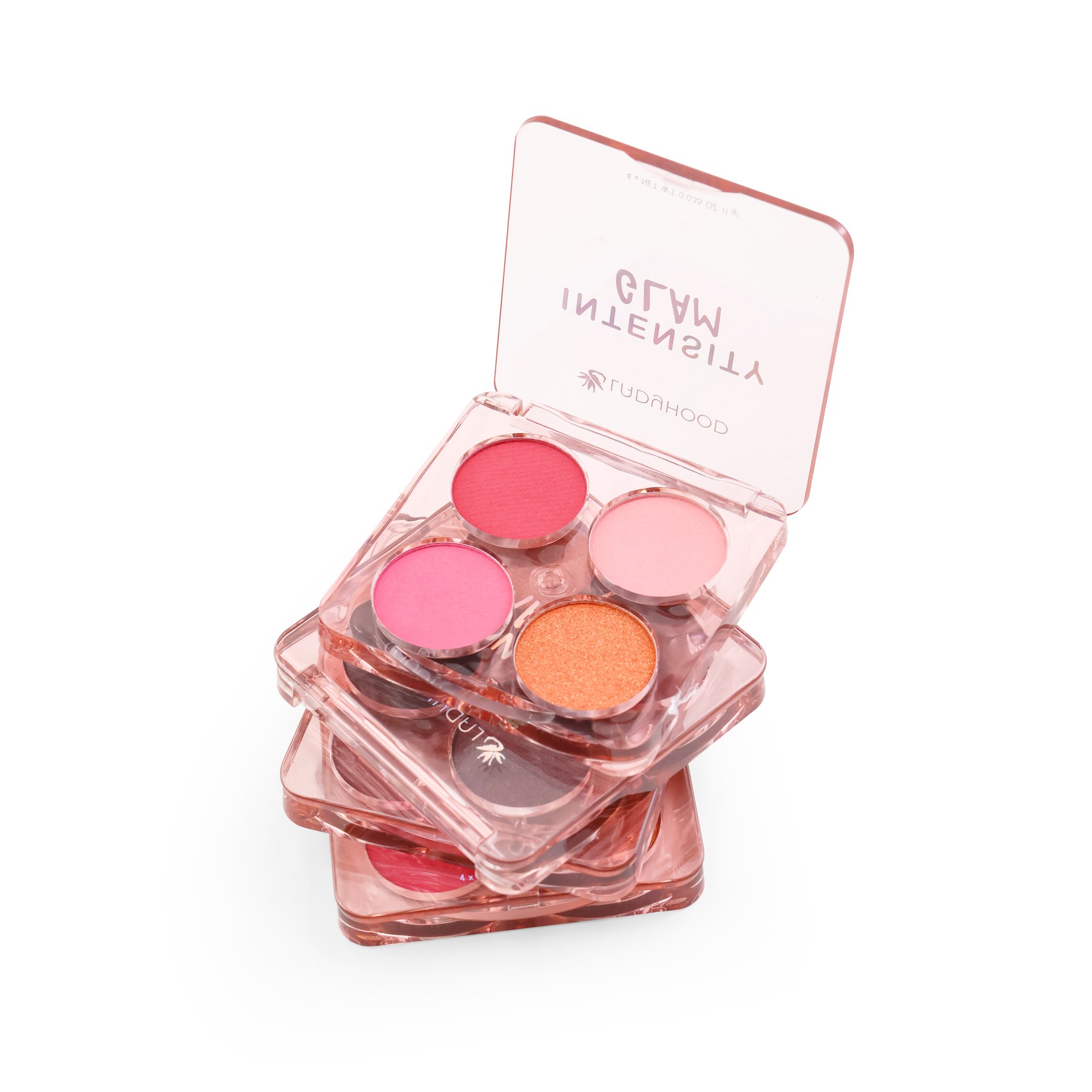
La capacidad de producción a gran escala se demuestra mediante controles, no con descripciones genéricas. Un fabricante de paletas de sombras de ojos debe explicar las opciones de tamaño de lote, la secuencia de tonos, la limpieza entre colores, la inspección de componentes, la limpieza de la línea de producción, el control de la muestra de referencia, el manejo de no conformidades y la trazabilidad. Los compradores también deben preguntar qué materiales o componentes provienen de un único proveedor y qué sucede si cambia un pigmento, una pastilla, un imán, una caja o un proceso de decoración.
- Solicitar una fórmula detallada, tono por tono, y un mapa de componentes.
- Confirme por escrito las fases de aprobación de muestras, proyectos piloto y producción en masa.
- Defina los niveles de calidad aceptables (AQL) o las reglas de inspección acordadas para defectos visuales y roturas.
- Plazos de entrega independientes para herramientas, diseño gráfico, pruebas y producción.
- Conserve los estándares sellados del lote de producción aprobado.
La comparación comercial debe utilizar el mismo paquete de cotización. El número de bandejas, el tamaño de la bandeja, el peso neto, los acabados, los componentes, el espejo, el aplicador, la decoración, el embalaje, el mercado objetivo, el alcance de las pruebas, la previsión, la solicitud de un pedido mínimo bajo y el plazo de entrega influyen en el coste. Un catálogo de productos de belleza puede identificar opciones, pero la cotización final debe hacer referencia a la construcción aprobada exacta y a cualquier diseño o estándar proporcionado por el comprador. Los términos ODM de cosméticos de marca propia también deben indicar qué supuestos pueden cambiar tras la aprobación de la muestra.
Inicie una auditoría de proveedores con OUYA BELEZA
Utilice nuestro catálogo de productos de belleza para preseleccionar formatos y luego revise el paleta de sombras de ojos personalizada página como referencia inicial. Comparta el mercado objetivo, los roles de color, la mezcla de acabados, el empaque, el pronóstico, el plan de pruebas y las preguntas de auditoría a través de nuestra fabricante de paletas de sombras de ojos Canal de contacto. Podemos alinear las muestras y la documentación con el cuadro de mando que utilizará su equipo de compras y mantener la referencia del catálogo de productos de belleza separada de la especificación aprobada.
Preguntas frecuentes
¿Qué características definen una paleta de sombras de ojos de alta calidad?
Una paleta de sombras de ojos de alta calidad combina tonos coherentes, una pigmentación uniforme, una caída controlada de pigmentos, facilidad para difuminar, un prensado estable, un montaje limpio, un envase duradero, aditivos de color que cumplen con la normativa y una documentación que coincide con la muestra aprobada y el mercado objetivo.
¿Cuántas muestras debe solicitar un comprador?
El número de muestras debe abarcar la selección de fórmulas, la aprobación del color, la compatibilidad de los componentes, la aprobación de la decoración, las pruebas y el cumplimiento de los estándares. La cantidad exacta depende del plan de pruebas, por lo que los compradores deben asignar las muestras según su finalidad antes de que comience el desarrollo.
¿Por qué se agrietan o se endurecen las sombras de ojos en barra?
El agrietamiento o endurecimiento de la bandeja puede deberse a la interacción entre la composición del polvo, el aglutinante, la humedad, la fuerza de prensado, la geometría de la bandeja, la manipulación y el transporte. El proveedor debe analizar el sistema final en lugar de modificar un solo parámetro sin realizar una prueba controlada.
¿Se puede usar el mismo pigmento para ojos, labios y mejillas?
No automáticamente. Los usos permitidos y las restricciones varían según el colorante y el mercado. El comprador debe confirmar la aplicación prevista para cada tono y revisar la lista final de ingredientes para cada uso declarado.
¿Qué aspectos deben estar bajo control antes de la producción en masa?
El paquete cerrado debe incluir fórmulas, estándares de color, mapa de distribución de color, pesos netos, códigos de componentes, diseño decorativo, plan de pruebas, criterios de inspección, configuración de la caja, muestras aprobadas y responsabilidades de control de cambios firmadas.