Introducción
El formato ideal de colorete es aquel que se ajusta al consumidor, el precio, la ocasión de uso y las limitaciones operativas del minorista. Por lo tanto, la decisión entre colorete líquido y colorete en polvo no se limita a las tendencias; también influye en el envasado, el empaquetado, la aprobación del tono, las pruebas de las afirmaciones y la complejidad de la línea. Los compradores deben comparar los tres tipos principales de colorete con el briefing de lanzamiento antes de solicitar a los proveedores de ODM de cosméticos de marca blanca que desarrollen muestras.
Seleccione el formato del trabajo del consumidor
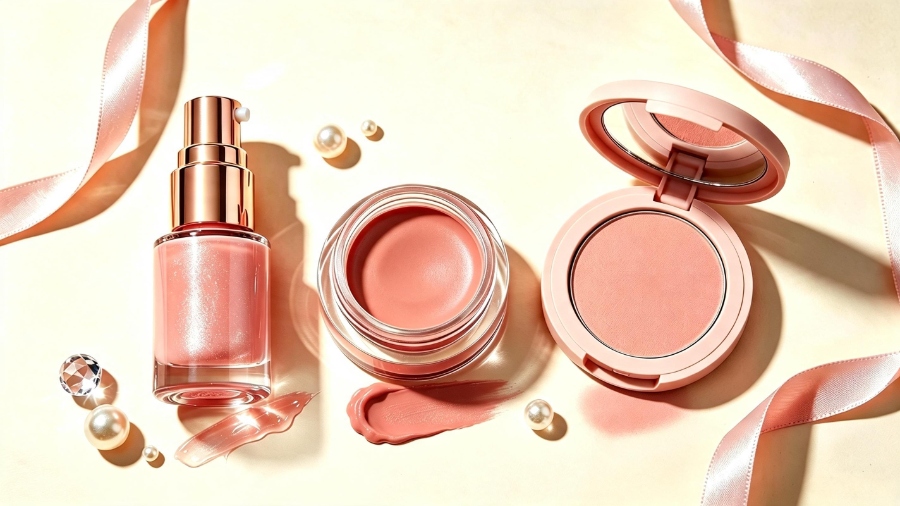
El uso por parte del consumidor debe guiar la elección del formato. El colorete líquido permite crear un look ligero y modulable, y se presenta en envases compactos con aplicador; el colorete en crema facilita la difuminación y ofrece un acabado luminoso o ligeramente mate; y el colorete en polvo se adapta mejor a la aplicación con brocha y a la presentación en paletas. La decisión entre colorete líquido y en polvo se simplifica cuando el equipo define el resultado deseado, el nivel de habilidad, la frecuencia de retoques y la base de maquillaje utilizada.
El colorete líquido requiere una dosificación controlada.
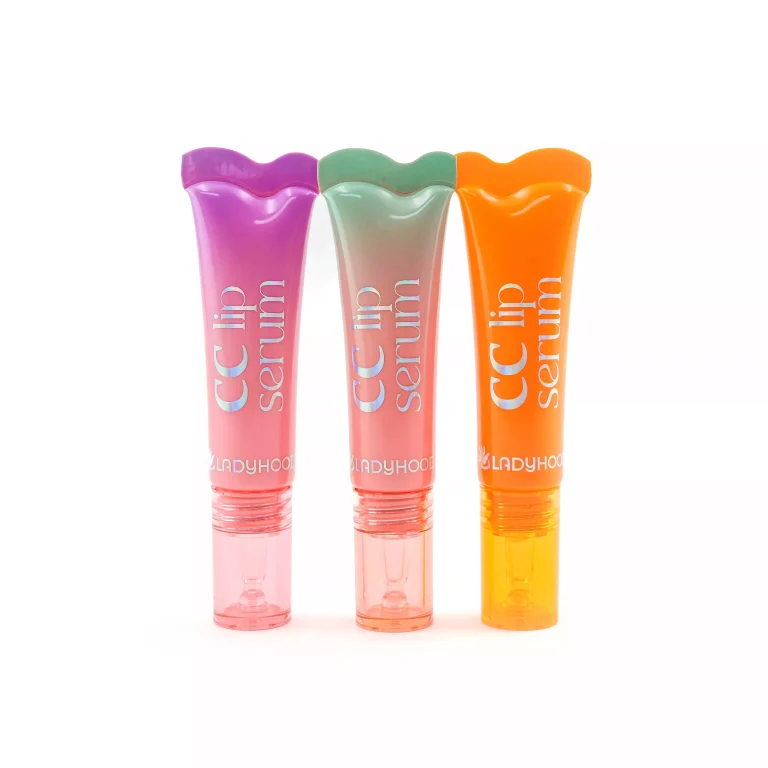
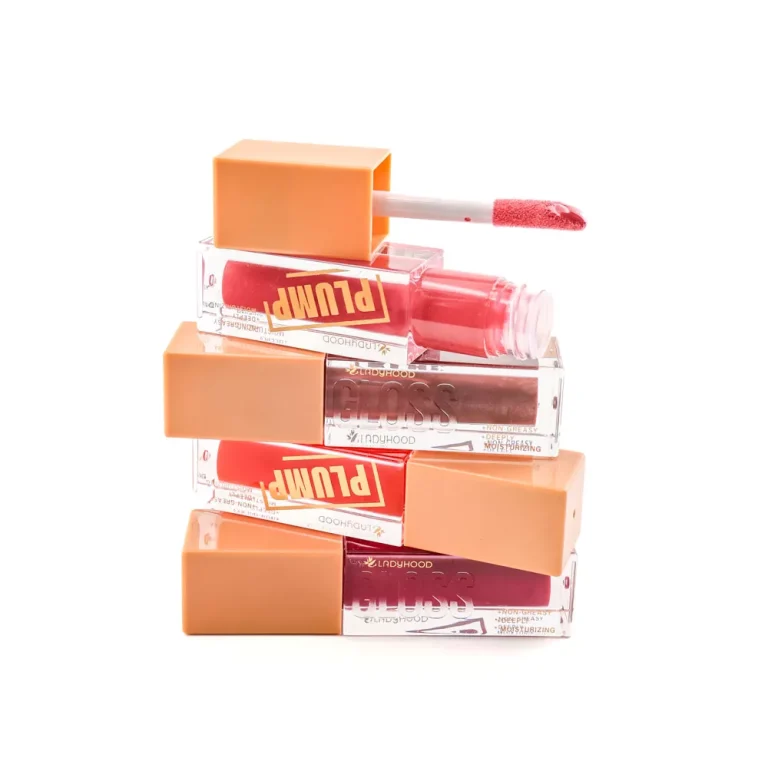
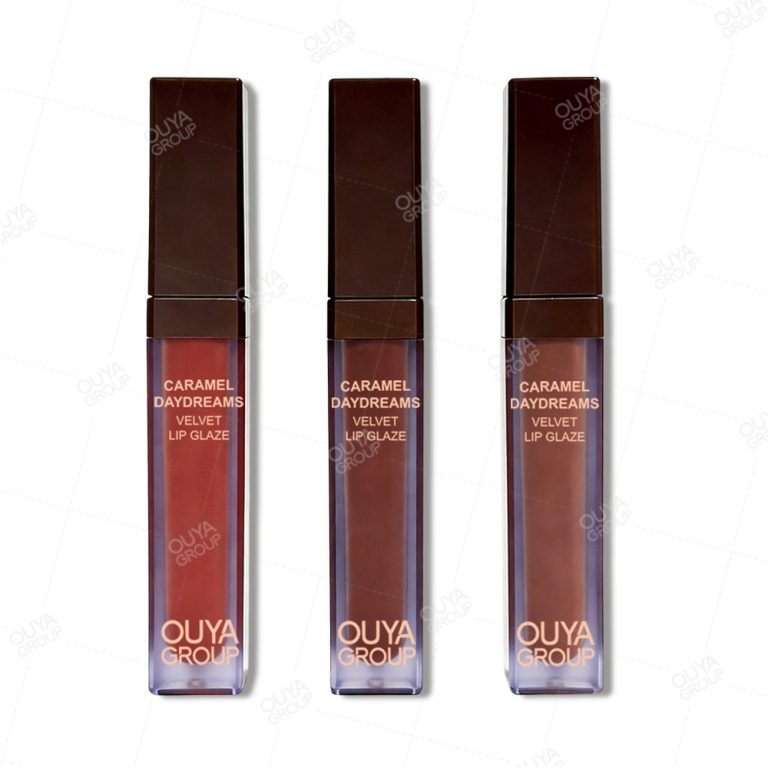
El colorete líquido funciona mejor cuando el envase dosifica una pequeña cantidad de forma uniforme. OUYA BELEZAEl LST0001-A16 de es un rubor líquido multiusos para labios y mejillas con opciones personalizables de color, acabado y empaque. Este ejemplo muestra cómo el rubor en crema frente al rubor líquido afecta más que la textura: el formato del producto influye en la colocación, la velocidad de difuminado, la portabilidad y el control de la aplicación.
La crema y el polvo satisfacen diferentes hábitos de compra.
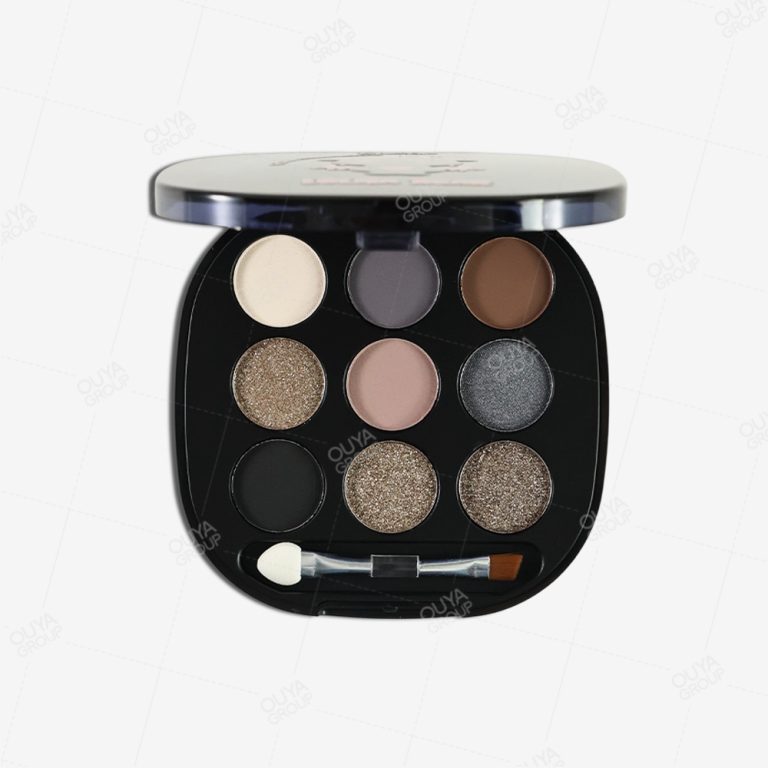
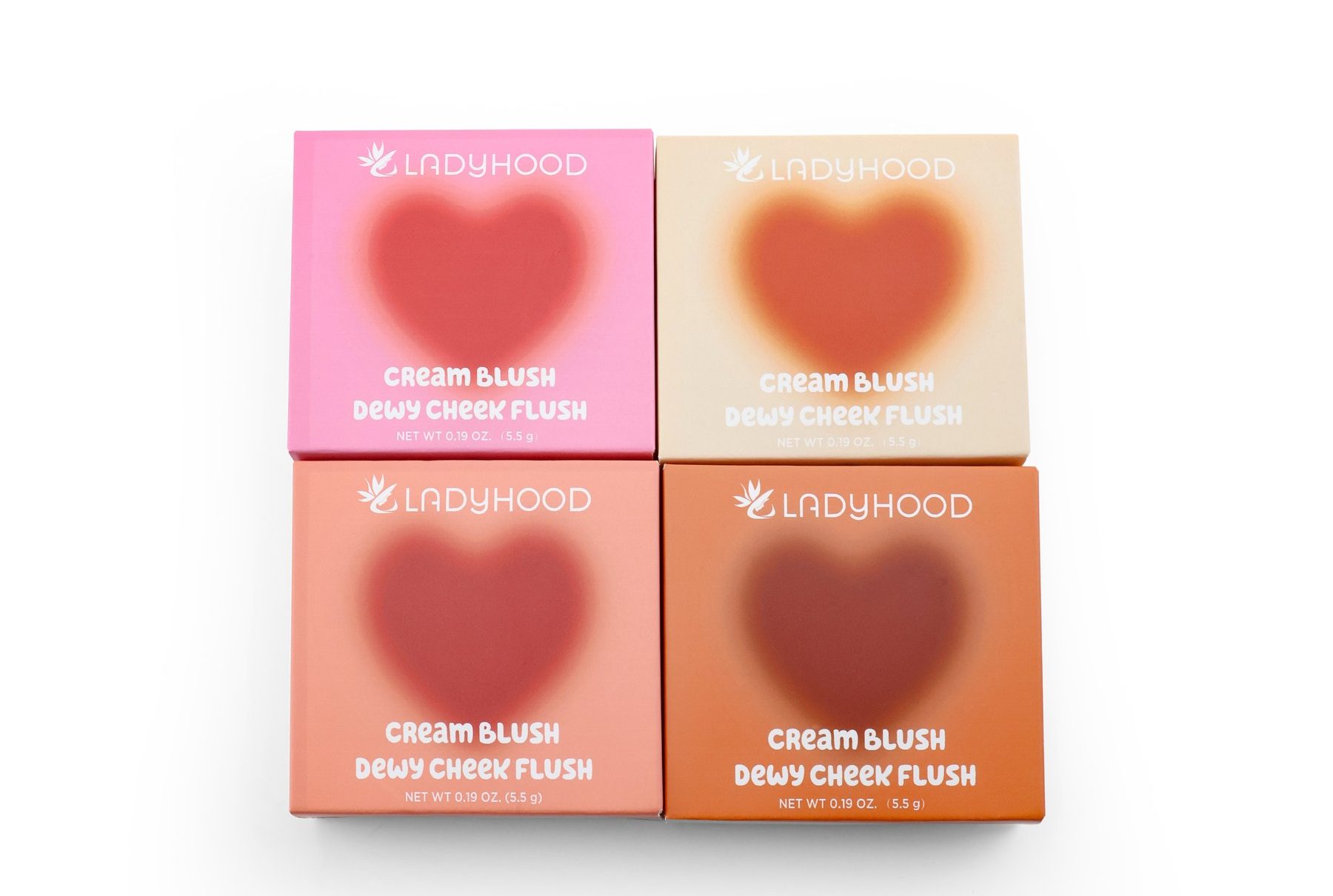
El colorete en crema permite su aplicación con la yema de los dedos o con una herramienta, y puede proporcionar un acabado muy natural. OUYA BELEZA También ofrece un rubor cremoso suave y elástico, diseñado para difuminarse sin tirones y lograr un acabado mate natural. El rubor en polvo sigue siendo útil cuando se necesitan envases compactos, paletas, relieve o un método de aplicación familiar. Estos tipos de rubor requieren diferentes prensados, envases compactos y controles de resistencia a caídas o vibraciones.
| Formato | Historia de venta minorista de ajuste óptimo | Principales riesgos de desarrollo | Enfoque típico del paquete |
| Líquido | Construible, portátil, colocación precisa | Fugas, dosificación, secado, compatibilidad | Botella, limpiaparabrisas, punta o boquilla |
| Crema | Fácil de difuminar, con aspecto de piel, acabado luminoso o mate suave. | Sudoración, deriva de la recompensa, estabilidad térmica | Tarro, sartén, palo o compacto |
| Polvo | Aplicación familiar, paletas, relieve | Caída de cenizas, sartén dura, rotura, cambio de tonalidad | Sartén prensada y compacta |
Traduzca la elección en especificaciones comprobables.
Un informe de desarrollo debe sustituir los adjetivos por criterios de aceptación. Para el colorete líquido, especifique el rango de viscosidad, la dosis por aplicación, el intervalo de mezcla, el secado, la tolerancia a las manchas y las pruebas de fugas. Para el colorete en crema, especifique la captación, la resistencia al arrastre, la pigmentación, la transpiración y el comportamiento ante el calor. Para el colorete en polvo, especifique la fuerza de presión, la captación, la caída de producto, la pigmentación y la resistencia a la rotura. Los cosméticos de fórmula personalizada se comparan más fácilmente cuando se utiliza el mismo panel de pruebas y la misma escala de puntuación en todas las muestras.
La arquitectura de tonos debe reflejar la economía del surtido. Un minorista puede necesitar una gama básica reducida con matices y subtonos definidos, en lugar de muchos colores similares. Las muestras de colorete en crema y líquido deben compararse con la misma intensidad visual, no con la misma cantidad de aplicaciones, mientras que la comparación entre colorete líquido y en polvo debe realizarse con la misma base de maquillaje e iluminación. Esto evita que la preferencia por la textura se confunda con el rendimiento del tono.
Control del color, las afirmaciones y el cumplimiento del mercado
La aprobación del color debe tener en cuenta el uso previsto y el mercado de destino. La FDA mantiene tablas de aditivos colorantes permitidos para cosméticos y remite a las empresas a la normativa específica para conocer las restricciones y especificaciones. Los lanzamientos en la UE también requieren una evaluación de seguridad, una persona responsable en la UE y la notificación al CPNP. Los equipos de ODM de cosméticos de marca blanca deben relacionar cada pigmento y declaración con el mercado final antes de comenzar la igualación de tonos a granel.
Las afirmaciones sobre el uso múltiple requieren una revisión especialmente cuidadosa. Un pigmento autorizado para su uso en las mejillas no está automáticamente autorizado para los labios o el contorno de los ojos en todos los mercados. Si un producto se posiciona para ambos usos, la lista de ingredientes aprobados, las instrucciones de la etiqueta y el expediente de seguridad deben abarcar ambos usos. Nunca se debe añadir una extensión comercialmente atractiva después del desarrollo sin antes verificar el alcance regulatorio.
Elabore un informe para proveedores que respalde la escalabilidad.
El briefing para proveedores debe vincular el formato con la producción y la comercialización. Los compradores deben identificar los mercados objetivo, realizar previsiones por tonalidad, volumen de llenado, acabado, estilo de envase, decoración, estándar de color, responsabilidades de las pruebas, caja maestra, plazo de entrega y expectativas de cantidad mínima de pedido (MOQ) bajas. Cosméticos de marca propia ODM Los presupuestos son más útiles cuando el proveedor puede desglosar las suposiciones sobre la fórmula, los componentes, la decoración, las pruebas y las herramientas.
- Aprobar un estándar físico de color y un método de tolerancia.
- Fije la fórmula con la bandeja, el paño o el aplicador exactos.
- Defina quién es el responsable de las pruebas de compatibilidad, estabilidad y transporte.
- Pronostica cada tonalidad porque los colores de bajo volumen pueden controlar la cantidad mínima de pedido (MOQ).
- Conserve una muestra dorada firmada para su aprobación e inspección en producción.
La ampliación de la producción debe preservar las condiciones de la muestra que obtuvieron la aprobación. La mezcla, la molienda, el llenado, el prensado, el enfriamiento y el ensamblaje de componentes pueden modificar la experiencia final, según el formato. Los proyectos de cosméticos con fórmulas personalizadas requieren un control de cambios para los lotes de pigmentos, los componentes del envase y los parámetros de procesamiento. Una revisión piloto o de la primera producción proporciona a los equipos de venta minorista un punto de control práctico antes del envío de la gama completa, y los registros de cosméticos con fórmulas personalizadas deben identificar cada versión aprobada.
Compara tu concepto de rubor con OUYA BELEZA
Revisar OUYA BELEZATipos de rubor y comparta su consumidor objetivo, acabado, plan de tonos, empaque, mercados, pronóstico de volumen y fecha de lanzamiento. Nuestro flujo de trabajo ODM de cosméticos de marca privada puede alinear la fórmula, el sistema de aplicación, el empaque, el muestreo y el soporte de cumplimiento. Para un enfoque Colorete en crema vs. colorete líquido En el estudio, envíe un ejemplo comparativo para cada formato y los criterios que su equipo de compras evaluará.
Preguntas frecuentes
¿Qué formato de colorete es el más fácil de lanzar para una nueva marca?
El formato más sencillo es el que se ajusta al proveedor actual de la marca, la disponibilidad de envases, la variedad de tonos y el presupuesto para pruebas. Un formato compacto en polvo, ya conocido, puede simplificar la formación sobre su aplicación, mientras que un formato líquido o en crema puede generar una mayor diferenciación, pero requiere una validación más rigurosa de la fórmula y el envase.
¿Cómo deben evaluar los compradores el colorete líquido frente al colorete en polvo?
Los compradores deben evaluar el rubor líquido frente al rubor en polvo considerando la misma pigmentación, facilidad de difuminado, duración, caída o fuga de producto, consistencia del tono, facilidad de uso del envase, alcance de la prueba y costo final. Se debe utilizar la misma base de maquillaje, iluminación e instrucciones de uso para ambos.
¿Qué es lo más importante a la hora de comparar un colorete en crema con uno líquido?
Las pruebas comparativas entre colorete en crema y líquido deben evaluar la captación o dosificación, el tiempo de aplicación, el acabado, la transferencia, la estabilidad térmica, la compatibilidad de los componentes y el control por parte del consumidor. El objetivo es identificar el formato que ofrece el resultado deseado con el menor margen de error en la aplicación.
¿Se puede vender una misma fórmula para labios y mejillas?
Una fórmula multiusos solo podrá comercializarse en ambas regiones si sus ingredientes, colorantes, evaluación de seguridad, etiquetado y declaraciones son adecuados para ambos usos previstos en cada mercado de destino. Los compradores deberán confirmar este alcance antes de la aprobación de la muestra.
¿Cómo se debe planificar el MOQ (cantidad mínima de pedido) para los diferentes tonos?
La cantidad mínima de pedido (MOQ) para cada tono debe planificarse según la fórmula, el color, el componente y la combinación de decoración. Los minoristas pueden reducir la fragmentación utilizando componentes compartidos, limitando los tonos de lanzamiento y pronosticando cada color por separado antes de negociar un plan de producción con una MOQ baja.