Введение
Правильный формат румян — это тот, который соответствует потребностям потребителя, ценовому диапазону, случаю использования и операционным ограничениям розничного продавца. Поэтому решение о выборе между жидкими и пудровыми румянами зависит не только от модных тенденций; оно также влияет на наполнение, упаковку, утверждение оттенков, тестирование заявленных свойств и сложность линейки продукции. Прежде чем обращаться к поставщикам ODM-продукции для косметики под собственной торговой маркой с просьбой разработать образцы, покупателям следует сравнить три ведущих типа румян в соответствии с техническим заданием на запуск продукта.
Выберите формат в разделе "Задание для потребителя"
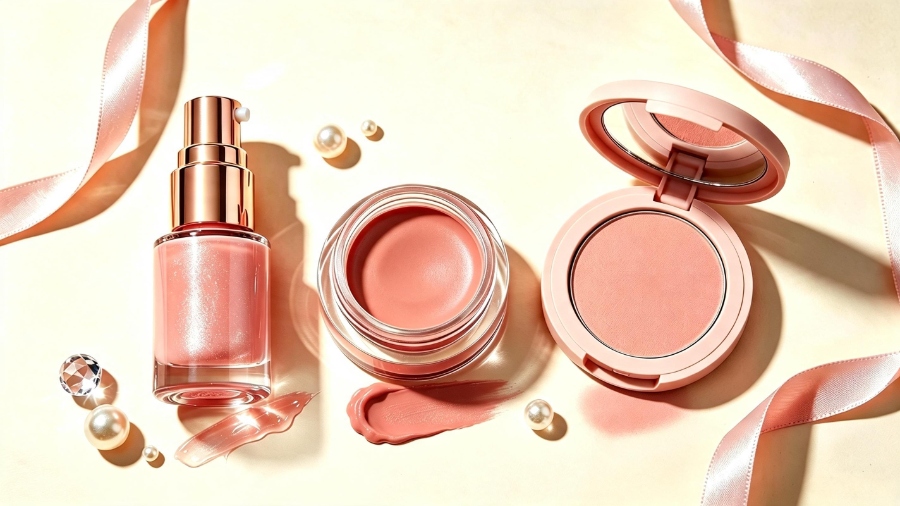
Выбор формата должен определяться потребностями потребителя. Жидкие румяна подходят для легкого, наслаиваемого макияжа и компактных упаковок с аппликатором, кремовые румяна — для растушевки и создания влажного или мягкого матового финиша, а пудровые румяна — для привычного нанесения кистью и использования в палетках. Вопрос о том, что лучше: жидкие или пудровые румяна, становится проще, когда команда определяет желаемый результат, уровень навыков, особенности коррекции и используемую основу под макияж.
Жидкие румяна требуют контролируемой дозировки.
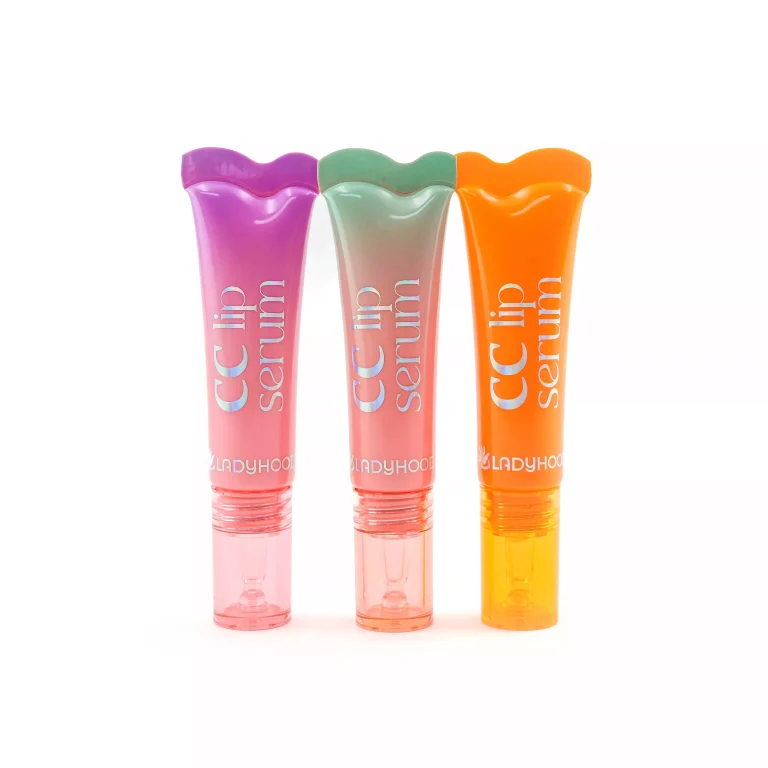
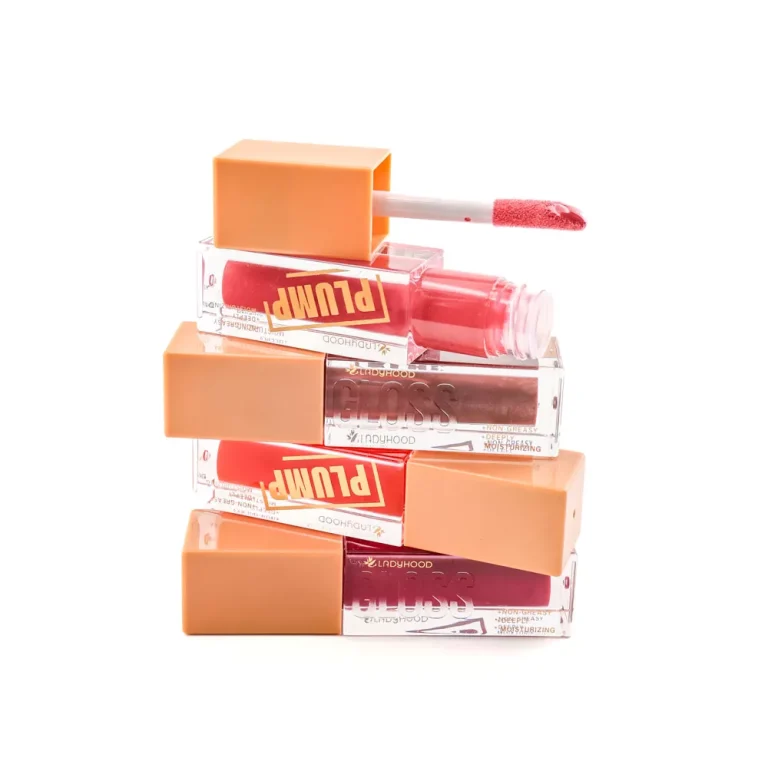
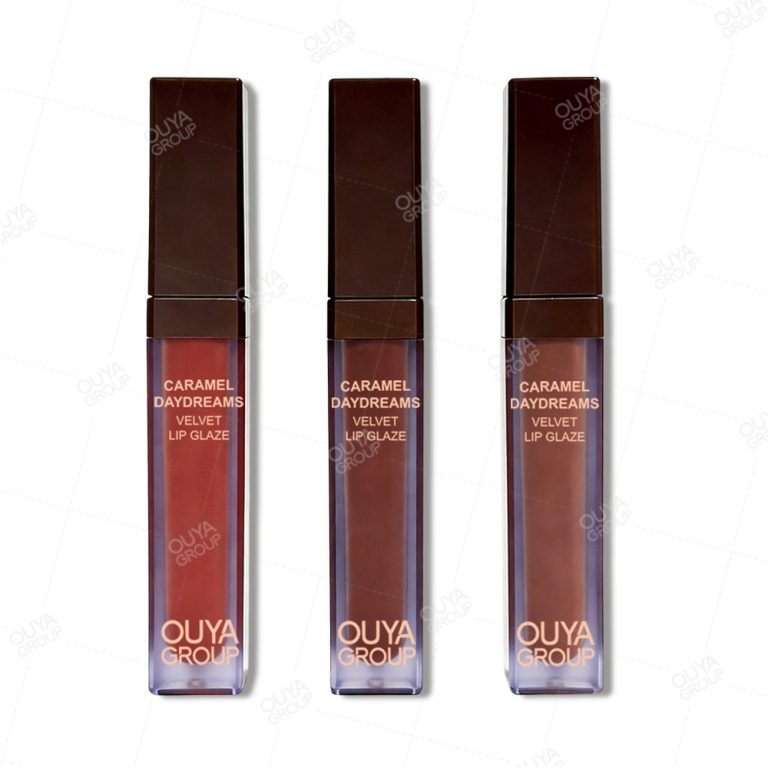
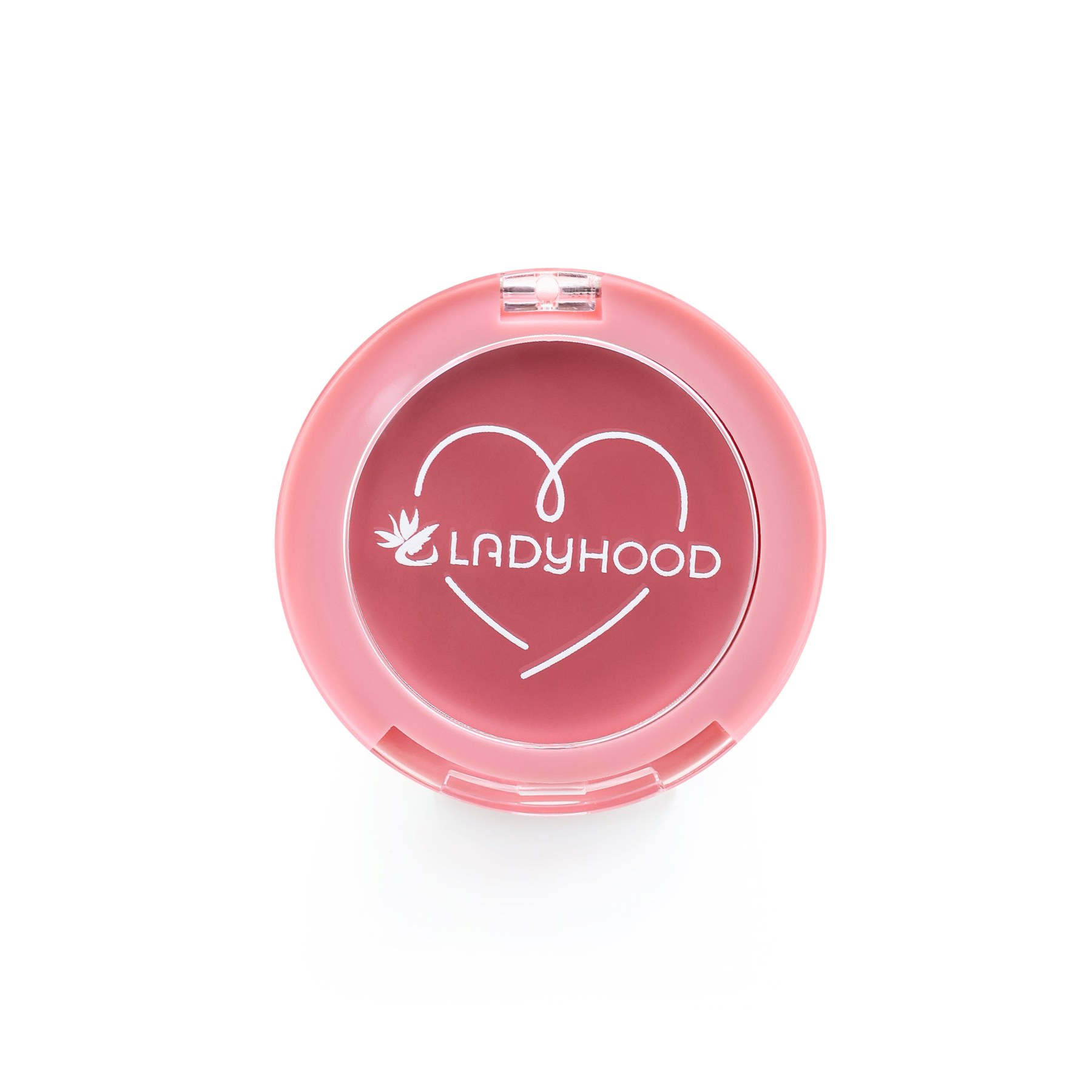
Жидкие румяна лучше всего работают, когда в упаковке отмеряется небольшое, воспроизводимое количество средства. ОУЯ БЕУТИLST0001-A16 — это многофункциональная жидкая подводка для губ и щек с возможностью индивидуальной настройки цвета, финиша и упаковки. В этом примере показано, как кремовые и жидкие румяна влияют не только на текстуру: формат продукта влияет на нанесение, скорость растушевки, удобство переноски и контроль над нанесением.
Кремы и пудра удовлетворяют различным потребительским предпочтениям.
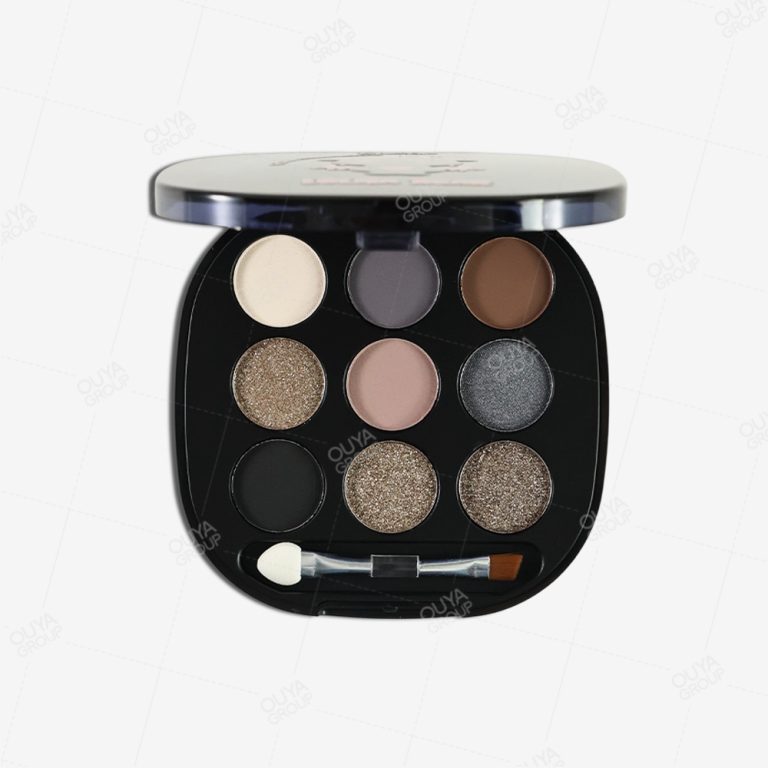
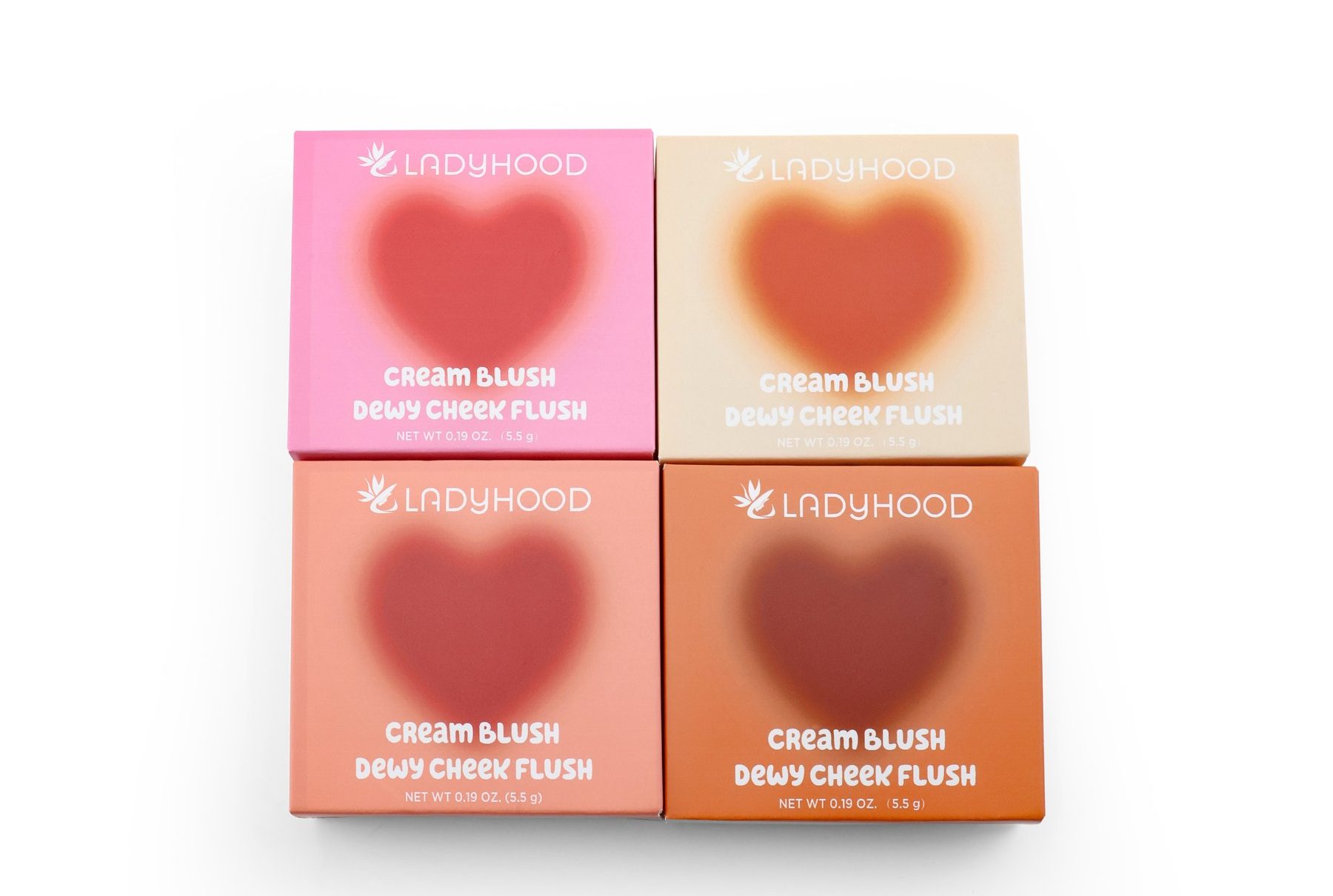
Кремовые румяна подходят для нанесения кончиками пальцев или специальными инструментами и позволяют добиться эффекта, близкого к естественному цвету кожи. ОУЯ БЕУТИ Также предлагается концепция мягких, упругих кремовых румян, разработанных для растушевки без растягивания и создания естественного мягкого матового эффекта. Пудровые румяна остаются удобными, когда покупателям нужны прессованные румяна, палетки, тиснение или привычный способ нанесения. Для этих типов румян требуются разные прессы, рефилы, компактные упаковки, а также проверка на падение или вибрацию.
| Формат | История розничной торговли, идеально подходящая для конкретного случая. | Основные риски разработки | Типичная направленность упаковки |
| Жидкость | Сборный, портативный, с точным размещением. | Утечка, дозировка, высыхание, совместимость | Флакон, салфетка, наконечник или подушечка |
| Крем | Легко растушевывается, выглядит как кожа, придает сияние или мягкий матовый оттенок. | Потоотделение, дрейф отдачи, термостойкость | Банка, кастрюля, палочка или компакт |
| Пудра | Привычное применение, палитры, тиснение | Выпадение осадков, затвердевшая поверхность, поломка, изменение оттенка. | Прессованная сковорода и компакт |
Преобразуйте выбранный вариант в проверяемые спецификации.
В техническом задании на разработку прилагательные следует заменить критериями приемлемости. Для жидких румян укажите диапазон вязкости, дозировку на одно применение, диапазон смешивания, скорость высыхания, устойчивость к окрашиванию и проверку на протечки. Для кремовых румян укажите скорость нанесения, растекание, насыщенность цвета, способность к выделению влаги и термостойкость. Для пудровых румян укажите силу нажатия, скорость нанесения, осыпание, насыщенность цвета и устойчивость к поломке. Сравнение косметических средств с индивидуальной формулой становится проще, если для всех образцов используется одна и та же группа тестировщиков и шкала оценки.
Архитектура оттенков должна отражать экономические аспекты ассортимента. Розничному продавцу может потребоваться узкая базовая линейка с четко выраженной глубиной и подтонами, а не множество похожих цветов. Образцы кремовых и жидких румян следует сравнивать при одинаковой визуальной отдаче, а не при одинаковом количестве нанесений, в то время как сравнение жидких и пудровых румян должно включать одинаковую основу и освещение. Это предотвратит путаницу между предпочтением текстуры и характеристиками оттенка.
Контроль цвета, заявлений и соответствия рыночным требованиям.
При утверждении цвета необходимо учитывать предполагаемое использование и целевой рынок. FDA ведет таблицы разрешенных красителей для косметики и направляет компании к конкретным нормативным актам для получения информации об ограничениях и спецификациях. Для запуска продукции в ЕС также требуется оценка безопасности, ответственное лицо в ЕС и уведомление CPNP. Команды ODM, занимающиеся производством косметики под собственной торговой маркой, должны составить карту каждого пигмента и указать его для конечного рынка до начала массового подбора оттенков.
Заявления о многоцелевом использовании требуют особенно тщательной проверки. Пигмент, разрешенный для использования в области щек, не обязательно разрешен для использования на губах или в области глаз на всех рынках. Если продукт позиционируется как для губ, так и для щек, утвержденный список ингредиентов, инструкция по применению и файл безопасности должны охватывать оба варианта использования. Коммерчески привлекательное расширение никогда не следует добавлять после разработки без проверки нормативной базы.
Составьте техническое задание для поставщика, которое поддерживает масштабирование.
В брифе поставщика следует связать формат с производством и мерчандайзингом. Покупатели должны определить целевые рынки, спрогнозировать объемы производства по оттенку, целевому наполнителю, отделке, стилю упаковки, декору, цветовому стандарту, обязанностям по тестированию, основной картонной коробке, срокам поставки и ожидаемым минимальным объемам заказа. Косметика под собственной торговой маркой (ODM) Предложения более полезны, когда поставщик может разделить допущения, касающиеся формулы, компонентов, отделки, испытаний и оснастки.
- Утвердить физический стандарт затенения и метод определения допустимых отклонений.
- Зафиксируйте формулу, используя тот же самый контейнер, салфетку или аппликатор.
- Определите, кому принадлежат права на тестирование совместимости, стабильности и переноса данных.
- Прогнозируйте объемы производства для каждого оттенка, поскольку для цветов с низким объемом продаж минимальный объем заказа может быть определен заранее.
- Сохраните подписанный золотой образец для выпуска в производство и проверки качества.
При масштабировании необходимо сохранять условия, которые были одобрены при изготовлении образца. Смешивание, измельчение, розлив, прессование, охлаждение и сборка компонентов могут существенно повлиять на конечный результат в зависимости от формата. В проектах по созданию косметики по индивидуальным рецептурам необходимо контролировать изменения в партиях пигментов, компонентах упаковки и параметрах обработки. Пилотный или первый производственный этап проверки предоставляет розничным командам практическую контрольную точку перед запуском полного ассортимента, а в документации по косметике по индивидуальным рецепту должны быть указаны все одобренные версии.
Сравните вашу концепцию румян с ОУЯ БЕУТИ
Обзор ОУЯ БЕУТИУкажите типы румян и целевую аудиторию, тип покрытия, цветовую гамму, упаковку, рынки, прогнозируемый объем и дату запуска. Наш рабочий процесс ODM для косметики под собственной торговой маркой может обеспечить согласование формулы, системы нанесения, упаковки, образцов и поддержку в вопросах соответствия требованиям. Для целенаправленного подхода кремовые румяна против жидких румян Проведите исследование, отправьте по одному эталонному показателю для каждого формата и критериям, по которым ваша команда по закупкам будет оценивать результаты.
Часто задаваемые вопросы
Какой формат румян проще всего запустить новому бренду?
Самый простой формат — тот, который подходит существующим поставщикам бренда, наличию упаковок, количеству оттенков и бюджету на тестирование. Привычная компактная пудра может сократить время на обучение применению, в то время как жидкий или кремовый формат может обеспечить более сильную дифференциацию, но потребует более тщательной проверки упаковки и формулы.
Как покупателям следует оценивать жидкие и пудровые румяна?
Покупателям следует оценивать жидкие и пудровые румяна по таким параметрам, как визуальная отдача, растушевка, стойкость, осыпание или протекание, консистенция оттенка, удобство использования упаковки, объем тестирования и стоимость с доставкой. Для обоих вариантов следует использовать одинаковую основу под макияж, освещение и инструкции для участников тестирования.
Что наиболее важно при сравнении кремовых и жидких румян?
В ходе тестирования кремовых и жидких румян следует сравнивать набираемость или дозировку, диапазон смешивания, финиш, переносимость, термостойкость, совместимость компонентов и контроль со стороны потребителя. Цель состоит в том, чтобы определить формат, который обеспечивает желаемый результат с наименьшим количеством ошибок при нанесении.
Можно ли продавать одну формулу для губ и щек?
Многоцелевая формула может продаваться для обоих направлений только в том случае, если ее ингредиенты, красители, оценка безопасности, этикетка и заявления соответствуют обоим предполагаемым видам использования на каждом целевом рынке. Покупатели должны подтвердить это до утверждения образцов.
Как следует планировать минимальный объем заказа на затенение?
Минимальный объем заказа для каждого оттенка следует планировать индивидуально для каждой формулы, цвета, компонента и комбинации декора. Розничные продавцы могут уменьшить фрагментацию, используя общие компоненты, ограничивая количество оттенков на старте продаж и прогнозируя объемы производства для каждого цвета отдельно, прежде чем согласовывать план производства с низким минимальным объемом заказа.