Introduction
The right blush format is the one that matches a retailer’s consumer, price point, use occasion, and operational limits. A liquid blush vs powder blush decision is therefore not only about trend appeal; it changes filling, packaging, shade approval, claim testing, and line complexity. Buyers should compare the three leading blush types against a launch brief before asking private label cosmetics ODM suppliers to develop samples.
Choose the Format From the Consumer Job
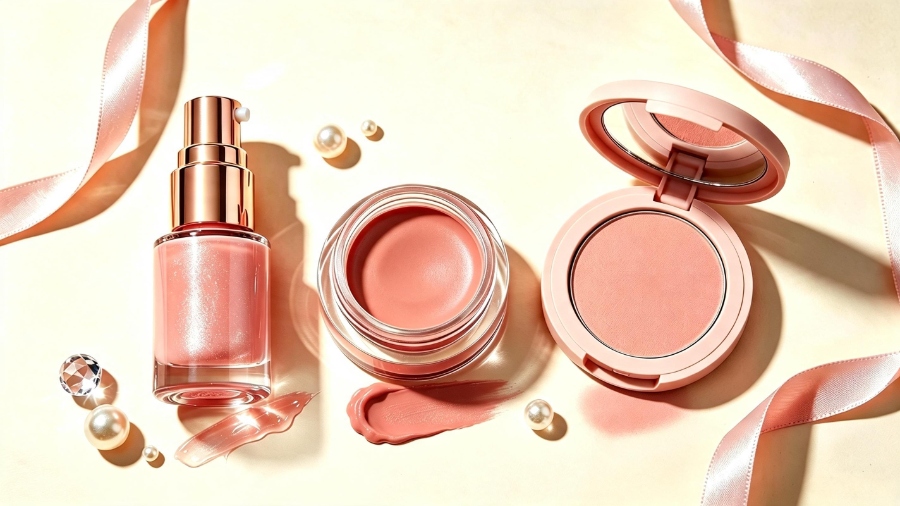
Consumer use should lead the format choice. Liquid blush can support a light, buildable story and compact applicator packs, cream blush can emphasize blendability and a dewy or soft-matte finish, and powder blush can suit familiar brush application and palette merchandising. The liquid blush vs powder blush question becomes easier when the team defines desired payoff, skill level, touch-up behavior, and the makeup base used underneath.
Liquid blush favors controlled dosing
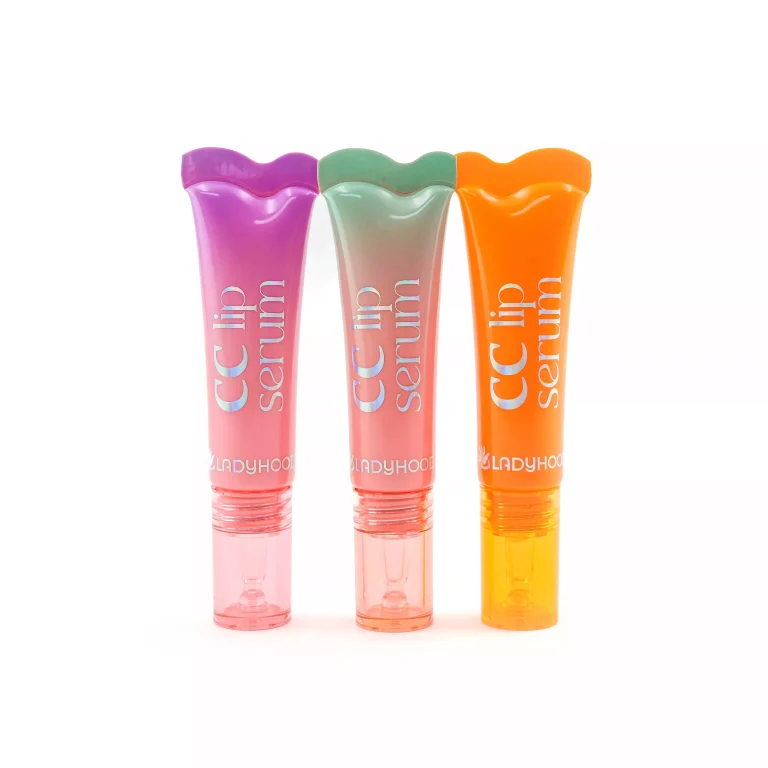
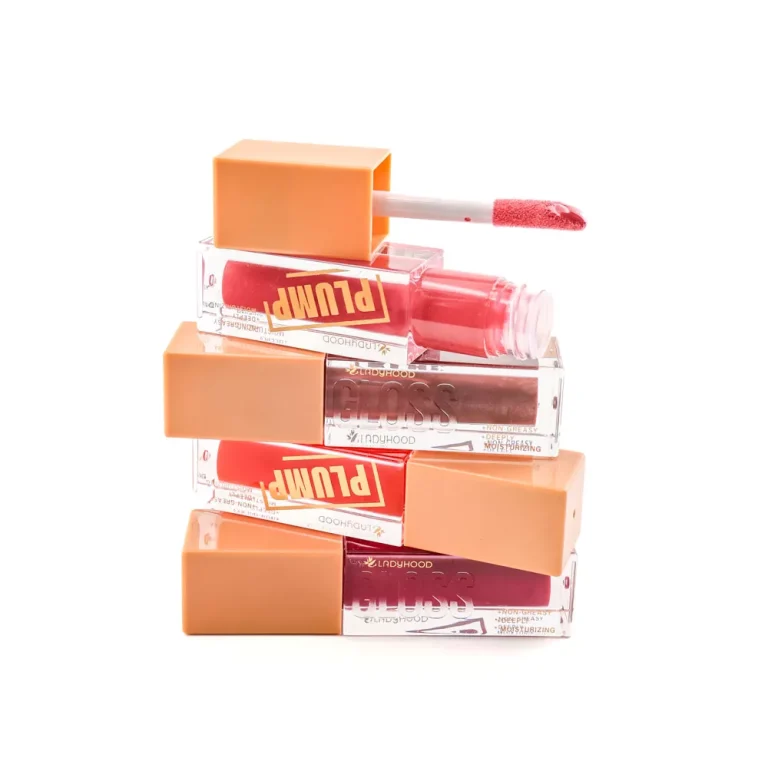
Liquid blush works best when the package meters a small, repeatable amount. OUYA BEAUTY‘s LST0001-A16 is a multi-use lip-and-cheek liquid with customizable color, finish, and packaging options. This example shows how cream blush vs liquid blush affects more than texture: the product format influences placement, blending speed, portability, and application control.
Cream and powder serve different retail habits
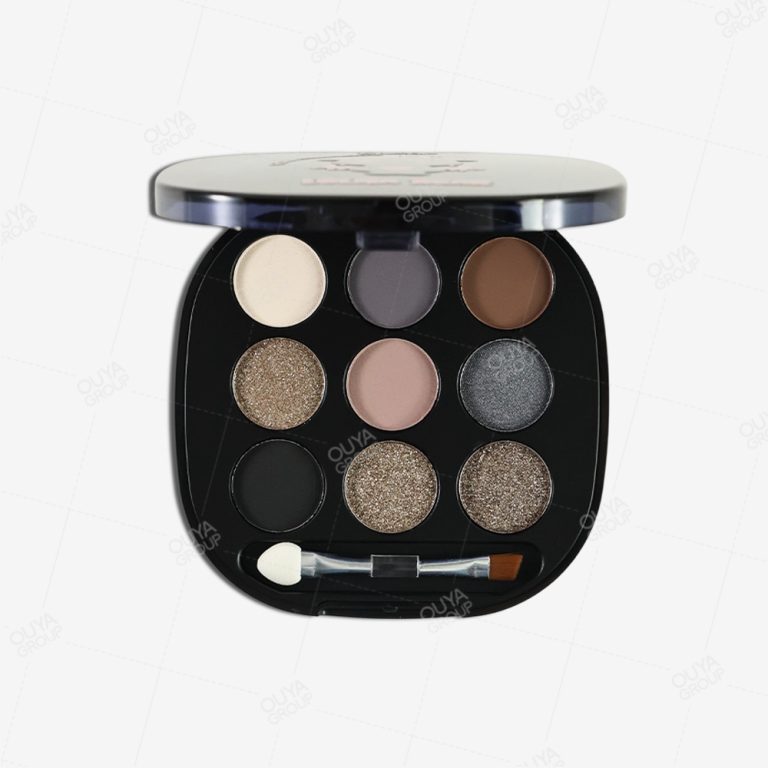
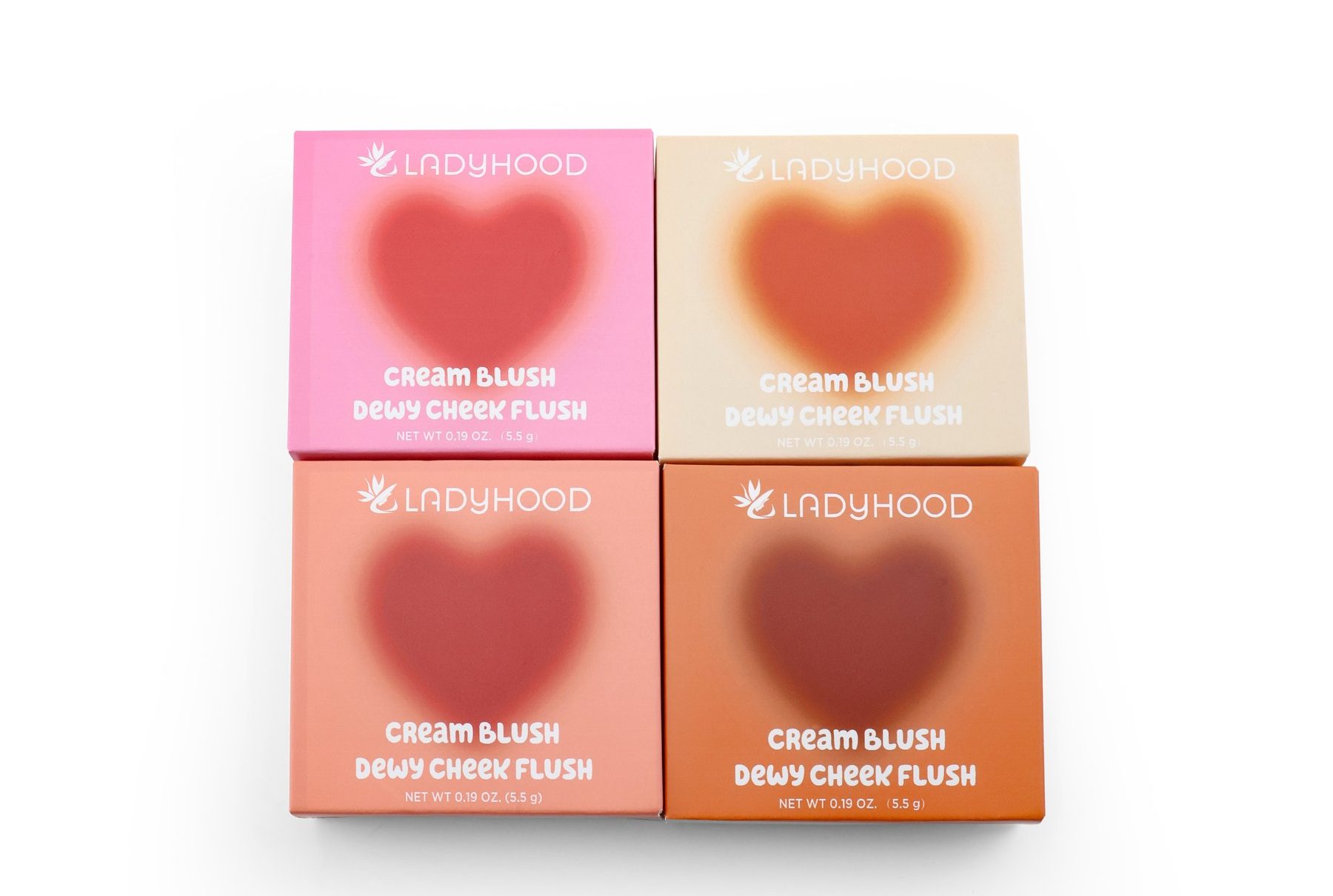
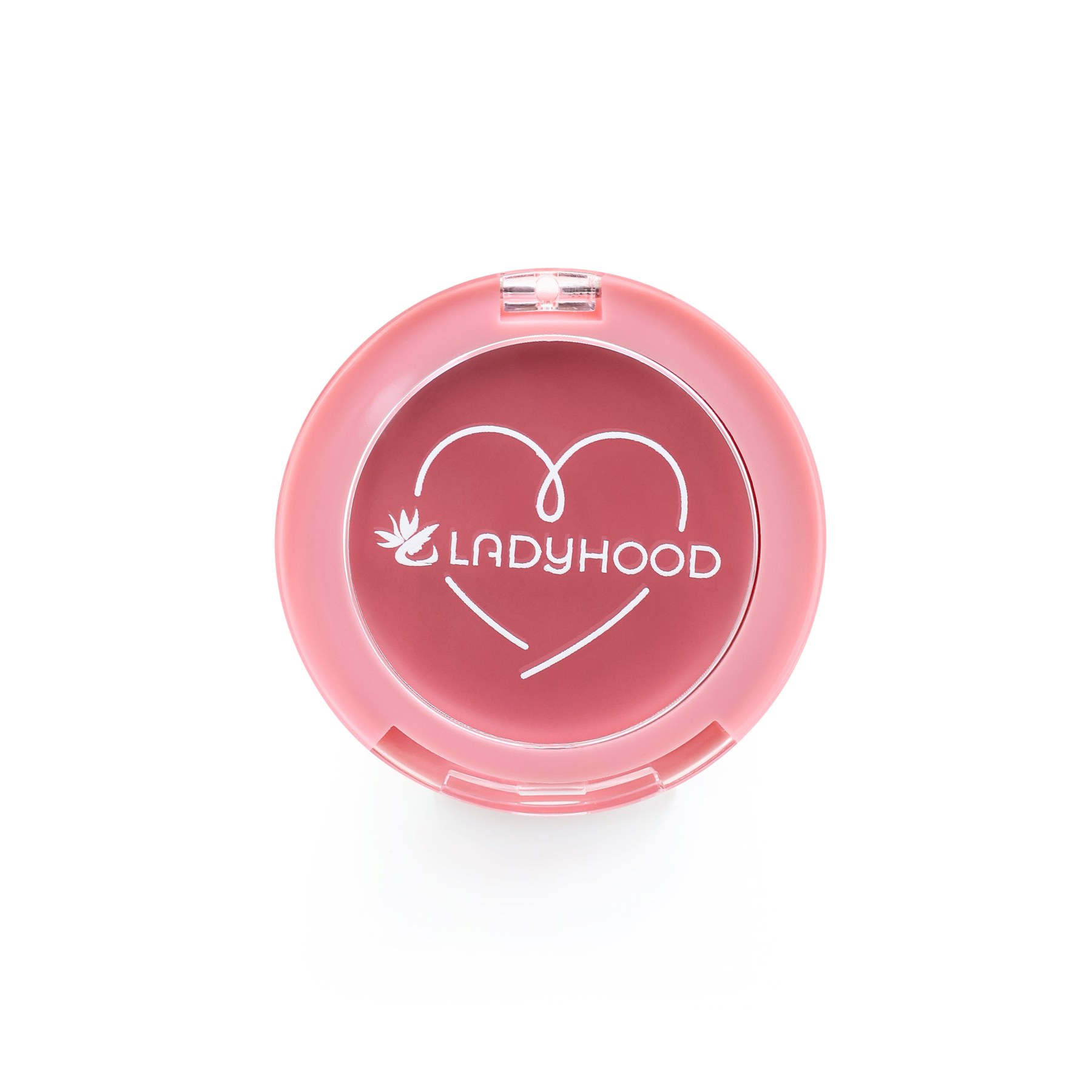
Cream blush supports fingertip or tool application and can deliver a close-to-skin finish. OUYA BEAUTY also offers a soft, bouncy cream blush concept designed to blend without tugging and settle into a natural soft-matte result. Powder blush remains useful when buyers need pressed pans, palette formats, embossing, or a familiar pickup method. These blush types require different presses, pans, compacts, and drop or vibration checks.
| Format | Best-fit retail story | Main development risks | Typical pack focus |
| Liquid | Buildable, portable, precise placement | Leakage, dosing, dry-down, compatibility | Bottle, wiper, tip, or puff |
| Cream | Blendable, skin-like, dewy or soft matte | Sweating, payoff drift, heat stability | Jar, pan, stick, or compact |
| Powder | Familiar application, palettes, embossing | Fallout, hard pan, breakage, shade shift | Pressed pan and compact |
Translate the Choice Into Testable Specifications
A development brief should replace adjectives with acceptance criteria. For liquid blush, specify viscosity range, dose per application, blend window, dry-down, staining tolerance, and leakage checks. For cream blush, specify pickup, drag, payoff, sweating, and heat behavior. For powder blush, specify press strength, pickup, fallout, color payoff, and breakage resistance. Custom formula cosmetics become easier to compare when the same test panel and scoring scale are used across samples.
Shade architecture should reflect assortment economics. A retailer may need a tight core range with clear depth and undertone roles rather than many similar colors. Cream blush vs liquid blush samples should be compared at equal visual payoff, not equal swipe count, while a liquid blush vs powder blush comparison should include the same base makeup and lighting. This prevents texture preference from being confused with shade performance.
Control Color, Claims, and Market Compliance
Color approval must account for intended use and destination market. The FDA maintains tables of color additives permitted for cosmetics and directs companies to the specific listing regulation for restrictions and specifications. EU launches also require a safety assessment, an EU responsible person, and CPNP notification. Private label cosmetics ODM teams should map every pigment and claim to the final market before bulk shade matching begins.
Multi-use claims need especially careful review. A pigment permitted for cheek use is not automatically permitted for lips or the eye area in every market. If a product is positioned for both lips and cheeks, the approved ingredient list, label directions, and safety file must cover both uses. A commercially attractive extension should never be added after development without checking the regulatory scope.
Build a Supplier Brief That Supports Scale
A supplier brief should connect the format to production and merchandising. Buyers should identify target markets, forecast by shade, target fill, finish, pack style, decoration, color standard, testing responsibilities, master carton, delivery window, and low MOQ expectations. Private label cosmetics ODM quotes are more useful when the supplier can separate formula, component, decoration, testing, and tooling assumptions.
- Approve a physical shade standard and a tolerance method.
- Lock the formula together with the exact pan, wiper, or applicator.
- Define who owns compatibility, stability, and transport testing.
- Forecast each shade because low-volume colors can control the MOQ.
- Keep a signed golden sample for production release and inspection.
Scale-up should preserve the sample conditions that earned approval. Mixing, milling, filling, pressing, cooling, and component assembly can all change the final experience, depending on the format. Custom formula cosmetics projects need change control for pigment lots, pack components, and processing parameters. A pilot or first-production review gives retail teams a practical checkpoint before the full assortment ships, and custom formula cosmetics records should identify every approved version.
Compare Your Blush Concept With OUYA BEAUTY
Review OUYA BEAUTY‘s blush types and share your target consumer, finish, shade plan, pack, markets, volume forecast, and launch date. Our private label cosmetics ODM workflow can align formula, application system, packaging, sampling, and compliance support. For a focused cream blush vs liquid blush study, send one benchmark for each format and the criteria your buying team will score.
FAQ
Which blush format is easiest for a new brand to launch?
The easiest format is the one that fits the brand’s existing supplier, pack availability, shade count, and testing budget. A familiar powder compact may reduce application education, while a liquid or cream format may create stronger differentiation but require tighter package-formula validation.
How should buyers evaluate liquid blush vs powder blush?
Buyers should evaluate liquid blush vs powder blush on equal visual payoff, blendability, wear, fallout or leakage, shade consistency, pack usability, test scope, and landed cost. The same makeup base, lighting, and panel instructions should be used for both.
What matters most in cream blush vs liquid blush testing?
Cream blush vs liquid blush testing should compare pickup or dose, blend window, finish, transfer, heat stability, component compatibility, and consumer control. The goal is to identify the format that delivers the intended result with the least application error.
Can one formula be sold for lips and cheeks?
A multi-use formula can be sold for both areas only when its ingredients, color additives, safety assessment, label, and claims are suitable for both intended uses in each destination market. Buyers should confirm this scope before sample approval.
How should shade MOQ be planned?
Shade MOQ should be planned per formula, color, component, and decoration combination. Retailers can reduce fragmentation by using shared components, limiting launch shades, and forecasting each color separately before negotiating a low-MOQ production plan.