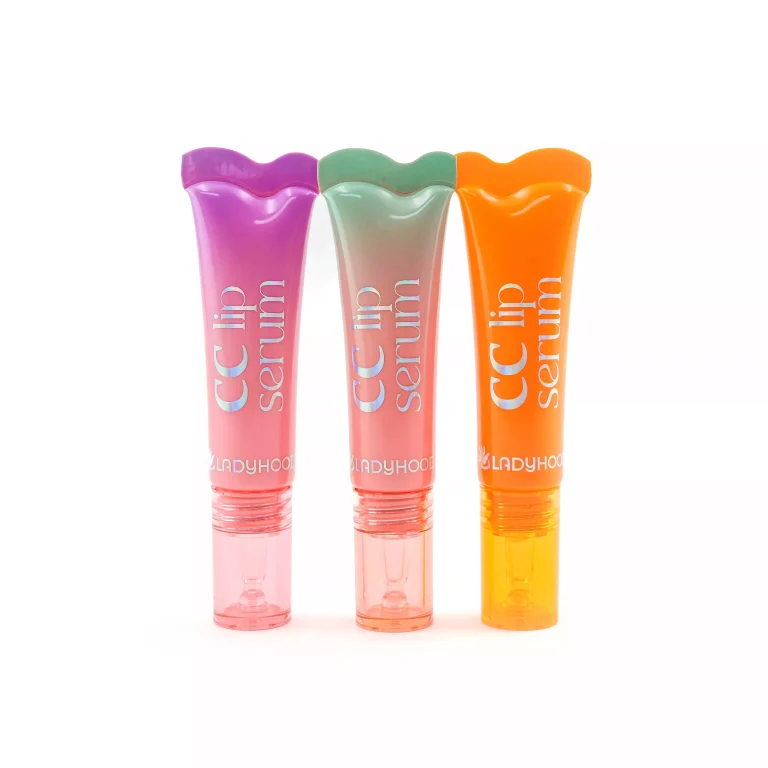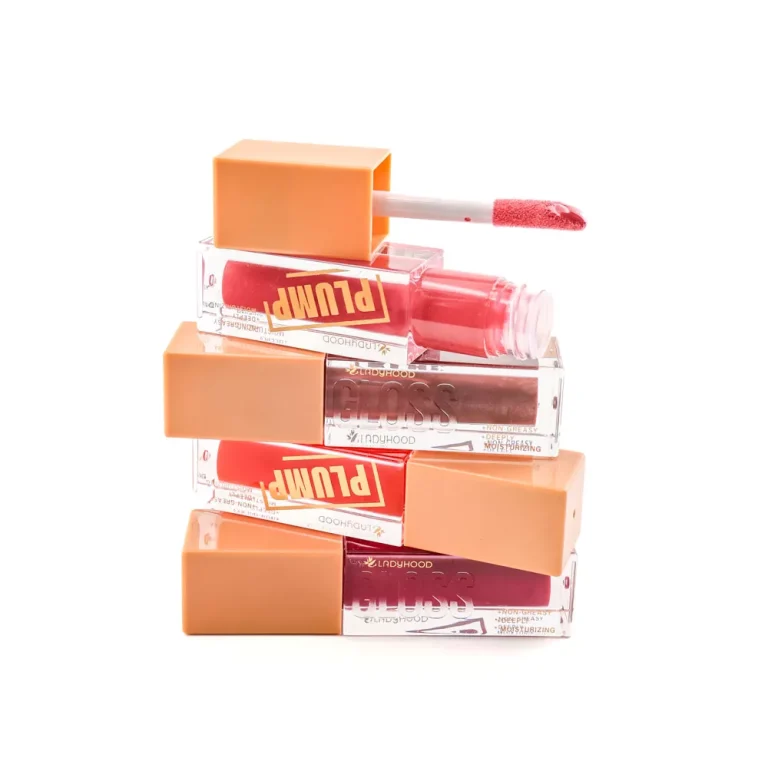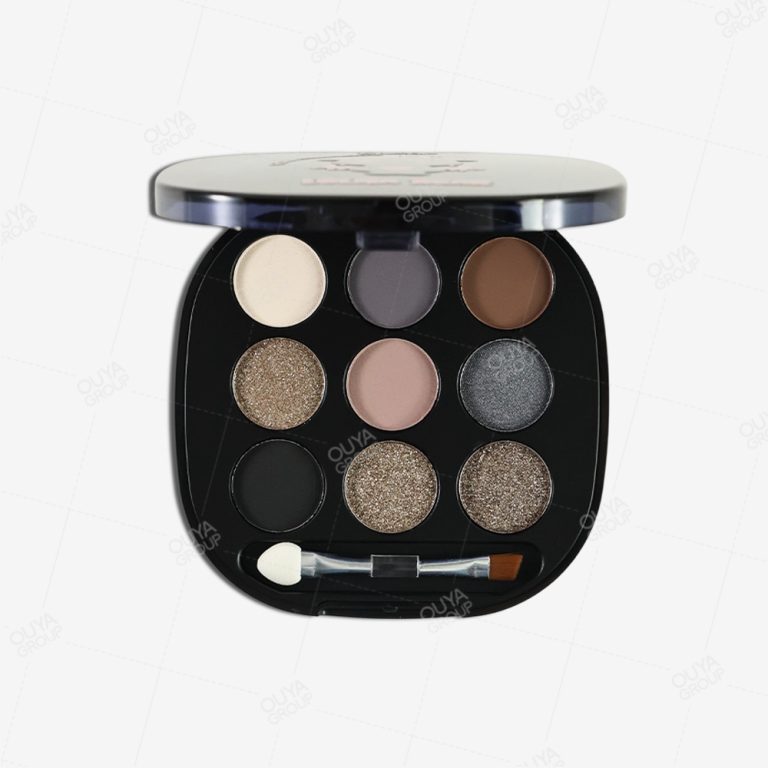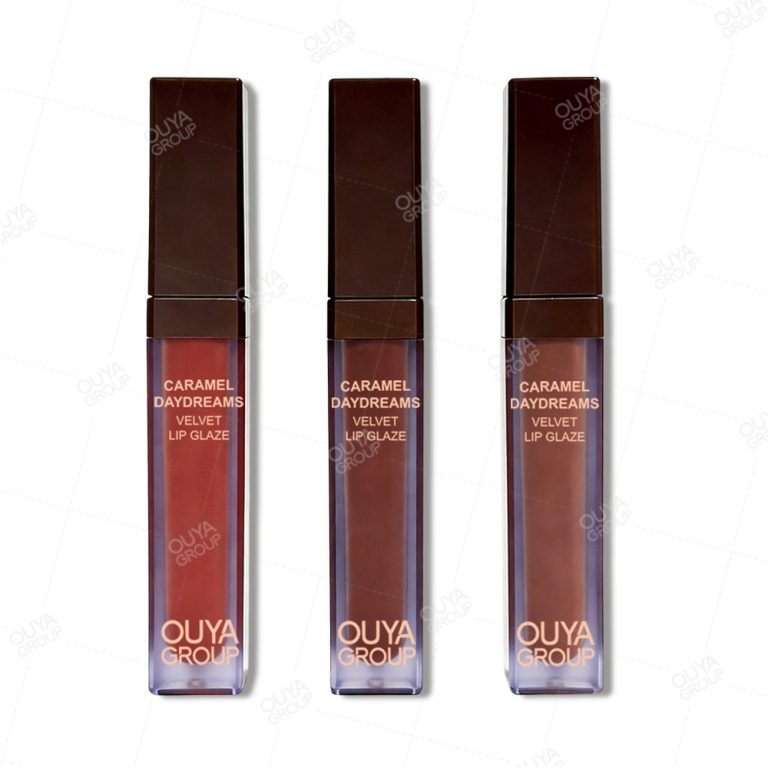
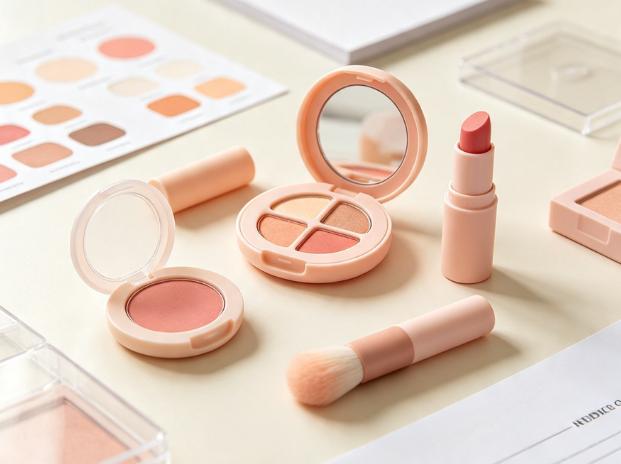
El maquillaje infantil constituye una categoría de desarrollo de producto distinta, no una versión reducida de una línea de maquillaje para adultos. Los compradores minoristas necesitan un concepto adecuado a la edad, una estrategia de producto clara y documentación que responda a las preguntas de padres, minoristas y equipos internos de cumplimiento normativo. Desde la selección de productos y el diseño del empaque hasta la revisión de la fórmula y las exigencias del mercado, cada decisión influye en cómo se entiende y acepta un kit de maquillaje infantil. Un proceso de desarrollo exitoso equilibra la creatividad con una planificación de producto responsable, lo que ayuda a las marcas a crear colecciones atractivas, prácticas y listas para su evaluación en el punto de venta.
Establezca las directrices de seguridad antes de que comience el trabajo creativo.
La búsqueda de fabricantes de cosméticos infantiles seguros refleja una preocupación práctica del comprador: el kit debe diseñarse pensando en el niño, no modificarse posteriormente tras la aprobación del diseño del envase. La primera fase del proceso debe definir los tipos de producto, el rango de edad, el uso previsto, las exclusiones de fórmulas (cuando corresponda) y los mercados en los que se venderá el kit.
Una práctica maquillaje infantil El programa comienza con el alcance del producto y las responsabilidades de documentación, y luego utiliza el tema creativo para respaldar esas directrices en lugar de competir con ellas.
Mantén la arquitectura del kit simple.
Un surtido más pequeño y bien definido es más fácil de evaluar que un kit con productos similares. Cada artículo debe tener una función clara, un método de aplicación lógico y un embalaje que facilite su manipulación habitual. Evite añadir un artículo simplemente porque un kit de la competencia lo incluya.
Coincidir con las afirmaciones de las pruebas
Las descripciones de seguridad no verificadas, como «cosméticos seguros para niños», requieren una revisión rigurosa, ya que la seguridad no puede utilizarse como un eslogan publicitario sin datos de pruebas que la respalden. Utilice afirmaciones específicas para el mercado solo cuando la fórmula, las pruebas, el etiquetado y la revisión legal las avalen. El comprador debe poder rastrear cada promesa principal hasta un proceso de validación acordado.
| Puerta de desarrollo | Pregunta a resolver | Evidencia para conservar |
| Alcance del producto | ¿Quién utilizará cada artículo? | Descripción de la edad, posición y uso |
| Fórmula | ¿Qué reivindicaciones se proponen? | Revisión de la fórmula y plan de pruebas |
| Embalar | ¿Cómo se gestionará? | Verificación de componentes y etiquetado |
Incorpore la preparación para la venta minorista en la secuencia de aprobación.
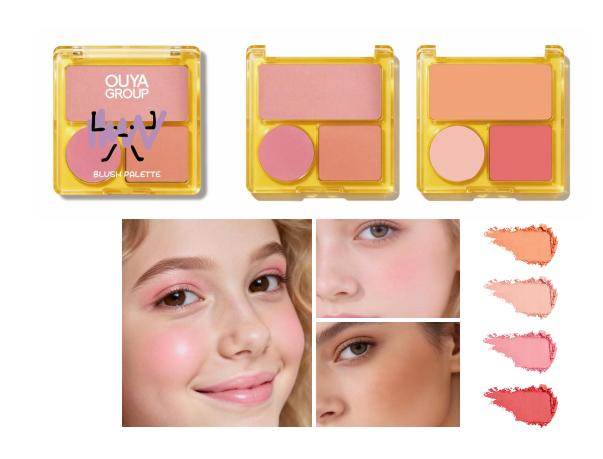
Las grandes cadenas minoristas necesitan coherencia y creatividad. El proceso de muestreo debe diferenciar la retroalimentación inicial del concepto de la aceptación del producto final, para evitar aprobaciones contradictorias en colores, aplicadores, componentes y textos de etiquetas. El orden es fundamental: un concepto visual sólido no puede subsanar un informe de cumplimiento poco claro.
Para una estructurada Niños ODM'.maquillaje En este proyecto, el cronograma del producto debe especificar las rondas de muestreo, los responsables de la toma de decisiones y los activos exactos necesarios antes de la revisión para el lanzamiento comercial.
- Defina el usuario previsto y los límites de uso de cada artículo.
- Analice el color, la fragancia y cualquier información de seguridad propuesta como una decisión integral.
- Asegúrese de que el embalaje y los componentes pequeños cumplan con los controles de edad y mercado requeridos.
Tratar el fideicomiso de los padres como un requisito del producto
Los padres no evalúan un kit solo por su color. Buscan claridad: qué son los productos, cómo se usan, qué comunica la etiqueta y si la marca parece haber considerado la experiencia del niño. Por eso, las instrucciones legibles y las afirmaciones prudentes forman parte del diseño del producto.
OUYA BELEZA Mantiene instalaciones de producción con salas blancas de clase 100k y un proceso de control de calidad establecido. Para un proyecto dirigido a niños, los compradores deben definir las pruebas y la documentación exactas requeridas para los productos seleccionados y el mercado de destino, en lugar de basarse únicamente en una descripción general de la calidad de la fábrica.
Haga que las conversaciones con los proveedores sean más específicas.
La reunión con proveedores más útil parte de un informe conciso: lista de productos, edad objetivo, mercados de venta, texto de las declaraciones de marketing, concepto de empaque y fechas de aprobación. Esto permite a ambos equipos identificar qué se debe confirmar antes de la producción, en lugar de intentar resolverlo todo en la etapa de la muestra final.
Cuando el programa necesita trabajo integrado de fórmulas y paquetes, Planificación de OEM/ODM para maquillaje infantil Se debe documentar el alcance acordado, los hitos de validación y las transferencias de responsabilidades para el equipo de ventas minoristas.
Cree un registro de decisiones que los equipos de venta minorista puedan utilizar.
El registro interno no necesita ser extenso, pero sí debe hacer visibles las decisiones. Incluya el propósito del artículo, el usuario previsto, las reclamaciones en revisión, los componentes del paquete, las verificaciones de mercado requeridas y el responsable de cada aprobación. Esto proporciona a los equipos de marca, abastecimiento, creatividad y ventas una referencia común cuando surgen cambios.
El registro es especialmente valioso cuando un concepto temático introduce nuevos colores, accesorios o formatos. Un cambio creativo puede afectar el etiquetado, la revisión de componentes y la explicación del producto. Registrar el motivo del cambio con anticipación evita que el equipo trate el trabajo de seguridad y la narrativa de venta minorista como proyectos separados.
Tras la aprobación final, compare el kit con el informe original de uso infantil. Confirme que cada artículo sigue teniendo una razón clara para ser incluido, que las instrucciones siguen siendo comprensibles y que cualquier requisito específico del mercado tiene un responsable asignado antes de que comience la planificación de la producción.
La presentación en el punto de venta debe ser coherente con la descripción del producto. Las fichas de producto, las imágenes en línea y las demostraciones en tienda deben explicar claramente el uso previsto y evitar sugerir resultados de rendimiento o seguridad que no se hayan incluido en la revisión de las declaraciones aprobadas.

Conclusión
Un kit de maquillaje infantil fiable comienza con decisiones apropiadas para los niños y ofrece un entorno seguro para la creatividad. Las marcas minoristas deben mantener clara la estructura del producto, fundamentar cuidadosamente sus afirmaciones y garantizar que cada aprobación de muestra sea rastreable hasta el mercado y el usuario al que está destinado el kit.
Para un brief de producto infantil específico para el mercado, contacto OUYA BELEZA con el concepto del kit, los mercados previstos, la lista de productos y los requisitos de documentación.
Preguntas frecuentes
¿Qué diferencia el maquillaje infantil del maquillaje para adultos?
El usuario previsto modifica las especificaciones del producto. La clasificación por edades, las instrucciones de uso, el embalaje, las afirmaciones y la validación deben planificarse para niños, en lugar de copiarse de una gama para adultos.
¿Puede una marca afirmar que un kit es seguro?
Solo cuando la afirmación sea apropiada para el mercado objetivo y esté respaldada por procedimientos relevantes de evaluación, documentación y revisión del producto. La terminología relacionada con la seguridad siempre debe estar vinculada a evidencia clara, en lugar de utilizarse como una frase publicitaria genérica.
¿Qué se debe finalizar antes de realizar la obra de arte?
Finalice la lista de productos, el usuario previsto, los mercados objetivo, las principales afirmaciones, los requisitos de los componentes y la información que debe aparecer en el envase.
¿Cómo debe un comprador minorista evaluar las muestras?
Revisen conjuntamente la fórmula, la aplicación, el empaque, el texto de la etiqueta y la documentación planificada. Las aprobaciones por separado pueden generar discrepancias que solo se manifiestan una vez que se ha definido el cronograma de producción.
¿Por qué mantener el kit sencillo?
Un kit bien estructurado es más fácil de entender para un niño y más fácil de validar para la marca. Cada producto debe tener una utilidad clara, no simplemente aumentar la cantidad de artículos en la caja.