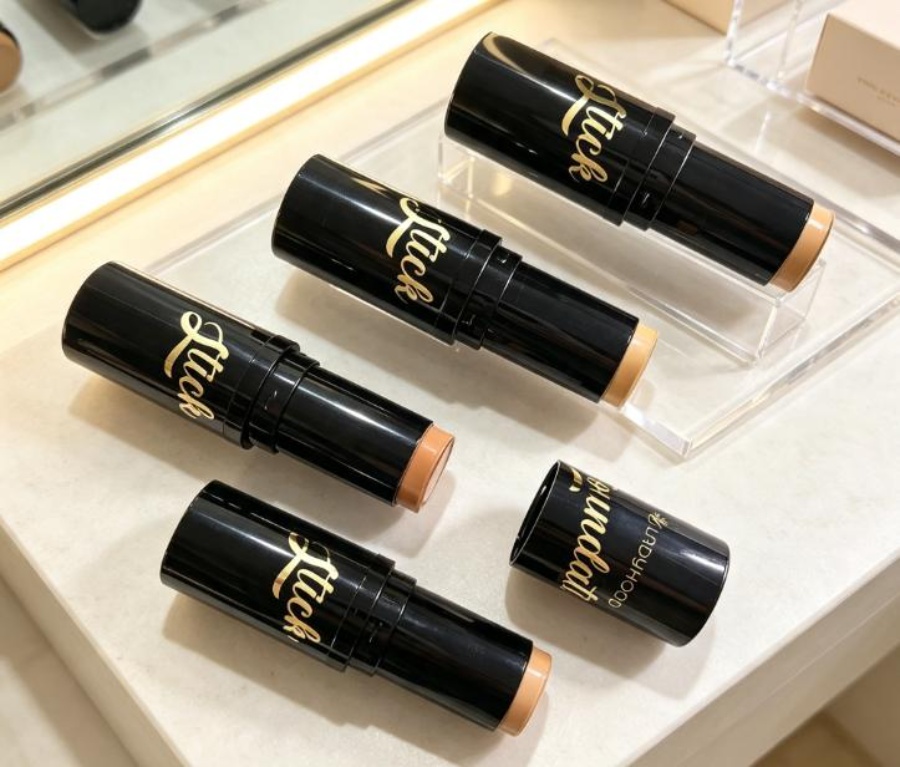
Una línea de maquillaje facial puede perder impulso cuando dos formatos de base compiten por el mismo cliente sin una función clara. La pregunta clave para un equipo de marca blanca no es qué textura es mejor en general, sino qué formato crea una posición de mercado más sólida, motiva la compra repetida y define la dirección de desarrollo. Una colección de bases exitosa debe definir el propósito de cada producto, ya sea que se centre en la portabilidad, la cobertura específica, la variedad de tonos o la aplicación en todo el rostro. Una diferenciación clara ayuda a las marcas a reducir la superposición de SKU, mejorar la comunicación en el punto de venta y desarrollar una estrategia de producto más eficaz.
Diseña la gama en torno a las ocasiones de compra.
Una base de maquillaje en barra se suele evaluar por su rapidez, portabilidad y cobertura precisa. Una base líquida se valora más por su versatilidad de tonos, facilidad de aplicación y el acabado que proporciona en todo el rostro. Considerarlas intercambiables genera solapamientos innecesarios entre productos.
El patrón de búsqueda detrás Base de maquillaje en barra vs. base de maquillaje líquida Esto también pone de manifiesto una necesidad común en el sector minorista: los compradores quieren una explicación sencilla de dónde encaja cada formato en su rutina, no una disertación técnica.
El joystick se gana su espacio a través del control.
Un formato en barra es ideal para retoques, viajes y para lograr un cutis impecable y corrector a la vez, siempre que el resultado sea creíble al aplicarlo. Una base de maquillaje en barra 2 en 1 debe probarse para comprobar su deslizamiento, adherencia, capacidad de aplicación en capas y si se mantiene cómoda tras la aplicación localizada. Estas comprobaciones protegen mejor la promesa del producto que una larga lista de afirmaciones generales.
El líquido proporciona el anclaje de la gama de tonos
Las bases de maquillaje líquidas siguen siendo útiles cuando una marca necesita una gama de tonos más amplia o múltiples opciones de acabado. Además, ofrecen a los comerciantes un punto de comparación claro: las bases en barra brindan comodidad y precisión, mientras que las líquidas permiten una rutina de base más convencional para todo el rostro.
| Rol de rango | Base de maquillaje en barra | base líquida |
| Ocasión principal | Retoques portátiles y cobertura específica | Aplicación de base en todo el cuerpo |
| Riesgo de rango | Demasiado parecido al corrector o al bálsamo. | Demasiados acabados similares |
| Enfoque de desarrollo | Deslizamiento, recompensa, ajuste de componentes | Consistencia del tono, extensión, acabado |
Traduzca las consultas sobre piel madura en información sobre productos.
Búsquedas de alto impacto para brillo base de maquillaje para piel madura Demostrar por qué el lenguaje de acabados requiere disciplina. Las compradoras de piel madura no tienen una única preferencia de textura: algunas buscan luminosidad, mientras que otras necesitan una base que luzca suave sin sentirse pesada. La descripción de la gama debe detallar el caso de uso antes de elegir un acabado.
Una revisión de la categoría más amplia de bases de maquillaje para piel madura puede ayudar a un equipo a separar las afirmaciones sobre acabado, cobertura y comodidad en decisiones comprobables, en lugar de poner todos los beneficios en una sola etiqueta.
- Establezca una escala de cobertura que explique las opciones de cobertura ligera, ampliable y de mayor cobertura.
- Apruebe los tonos bajo iluminación uniforme antes de que se finalice el diseño del empaque.
- Pruebe la barra junto a su equivalente líquido para que los formatos no se canibalicen entre sí.
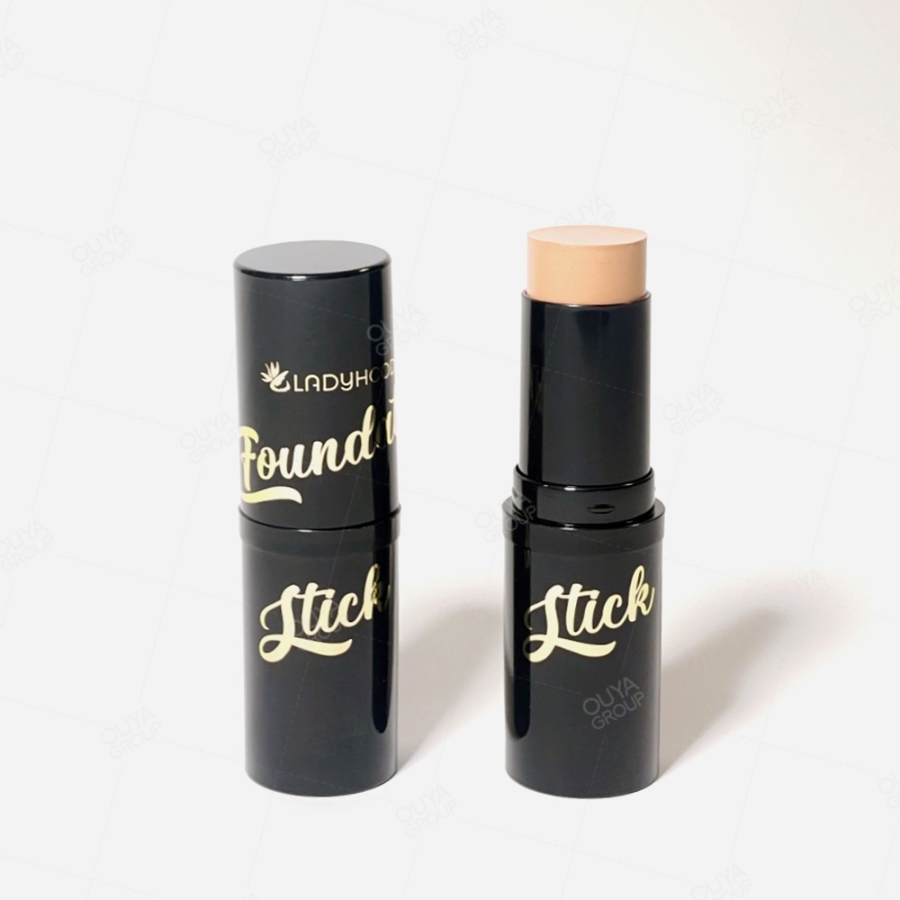
Toma la decisión del formato por motivos comerciales, no estéticos.
Los comerciantes deben elegir el formato principal según la carencia en el surtido. Una gama compacta y práctica podría centrarse en el formato en barra como producto estrella y utilizar un formato líquido como extensión de la gama de tonos. Un lanzamiento enfocado en el tono de piel podría invertir esta lógica y posicionar la barra como un complemento para correcciones rápidas.
Aquí también es donde la secuencia de desarrollo cobra importancia. La conversación con el proveedor debe aclarar las muestras de fórmula, la compatibilidad de los componentes, la coincidencia de tonos y el orden en que los minoristas necesitan las aprobaciones. Un brief bien definido ofrece al comprador una forma más clara de comparar las muestras y evita juzgar una fórmula inicial en función de las expectativas del envase final.
Una comparación práctica antes del muestreo.
Utilice la comparación para definir criterios de aceptación específicos, no para declarar que un formato es universalmente mejor. En el caso de un labial líquido, los equipos pueden priorizar la reproducibilidad del color y un acabado uniforme. En el caso de un labial en barra, pueden priorizar una aplicación precisa, un tiempo de difuminado rápido y una experiencia práctica para llevar a cualquier parte.
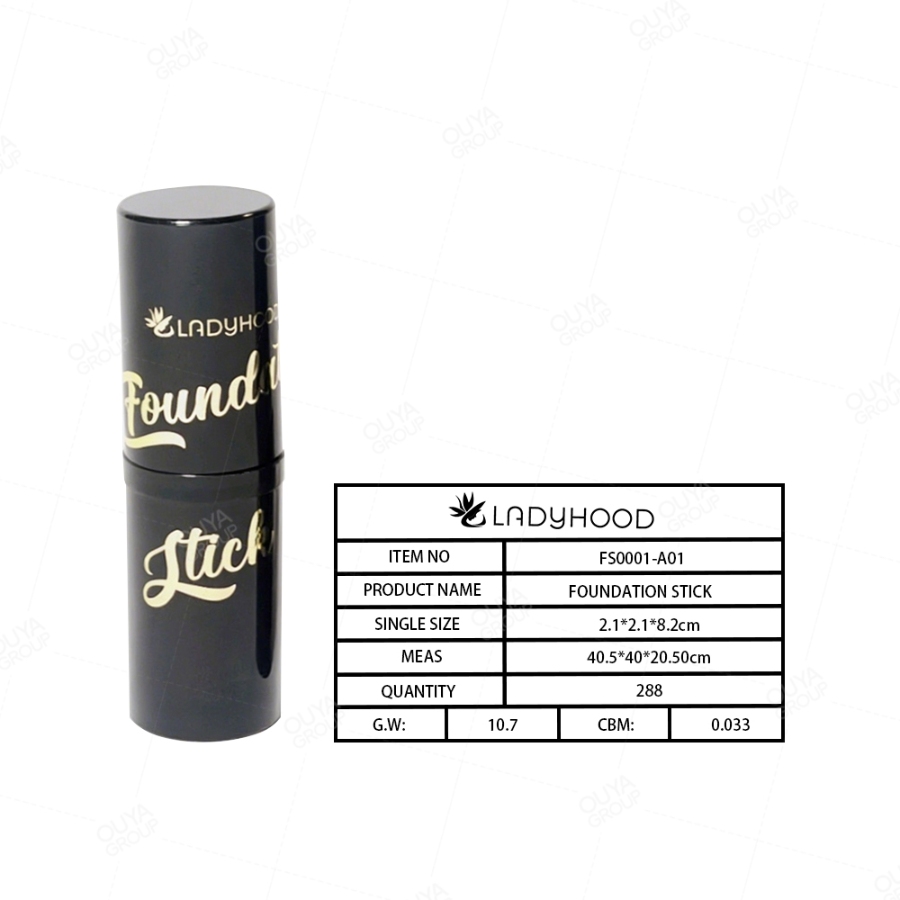
Cuando el lanzamiento requiere un trabajo coordinado de fórmula y empaque, el desarrollo de una base de maquillaje en barra 2 en 1 se trata mejor como un informe de producto definido con puntos de control de uso y calidad medibles.
Mantener comparables las decisiones de las muestras
Las revisiones de muestras se complican cuando se evalúa un formato por su estética y el otro por su rendimiento técnico. Utilice la misma hoja de aprobación para ambos, con una breve lista de resultados visibles para el cliente, ventajas y desventajas conocidas y condiciones que podrían modificar el resultado. Registre las observaciones durante la aplicación habitual, no solo tras una primera prueba controlada.
El comprador también debe decidir qué se mostrará en el lineal. Un producto en barra se beneficia de una demostración clara de su aplicación; un producto líquido, de una descripción comprensible del color y el acabado. La presentación del producto debe reforzar la distinción de formato establecida durante el desarrollo, o la gama parecerá más compleja de lo que realmente es.
Antes de dar tu aprobación, verifica que los nombres de los tonos, las descripciones de los productos y las imágenes de los componentes elegidos describan la misma función. Este sencillo paso de alineación evita que un producto práctico se posicione como una base de cobertura total, o que un corrector líquido se venda como un corrector rápido.
Conclusión
La amplia gama de bases de maquillaje garantiza una función específica para cada formato. Las bases en barra ofrecen comodidad y cobertura localizada; las líquidas permiten una mayor cobertura y una aplicación uniforme. Esta distinción facilita a los compradores la evaluación de las muestras, ayuda a los minoristas a explicar la presentación en el estante y motiva a los consumidores a elegir más de un formato.
Para un informe específico del producto, hablar con el OUYA BELEZA equipo sobre el acabado deseado, la paleta de colores, el diseño del empaque y la fecha de lanzamiento al mercado.
Preguntas frecuentes
¿Puede una base de maquillaje en barra sustituir a la base de maquillaje líquida?
Puede ser ideal para una rutina práctica, pero los distintos formatos responden a diferentes necesidades. Un formato en barra permite una aplicación más precisa y es más portátil, mientras que un formato líquido ofrece una mejor cobertura general y una gama de colores más amplia.
¿Qué debería probar primero un minorista?
Primero, comprueba la promesa que se le hace al consumidor: deslizamiento, tiempo de aplicación, acabado, cobertura y cómo se comporta el formato a lo largo del día. El envase debe probarse con la fórmula aprobada, no de forma aislada.
¿Es un 2?–en–¿Una base de maquillaje en barra y un corrector?
Puede servir para una cobertura específica, pero la marca debe indicar claramente su uso previsto. La afirmación debe coincidir con el rendimiento del producto demostrado durante las pruebas internas.
¿Cómo se debe abordar el posicionamiento de la piel madura?
Utilice un lenguaje claro y sin exageraciones sobre el acabado y la comodidad, y luego pruébelo con el público objetivo. Evite asumir que todas las personas con piel madura desean el mismo nivel de luminosidad o cobertura.
¿Por qué incluir ambos formatos en una misma línea?
Este dúo se adapta a distintos momentos: una base completa para el hogar y cobertura portátil durante el día. La gama funciona bien cuando las funciones, los tonos y la estructura de precios se mantienen claramente diferenciados.