A lip and cheek stain launch gets harder when one shade sells faster than the rest. The retailer wants more of the winner, while the factory still has an assortment to produce.
For US and European retail teams, the useful question is how to replenish that shade without changing the product people returned to purchase.
A strong sales result changes the next production decision
Rapid demand needs a manufacturing partner with relevant volume experience. OUYA BEAUTY’s key lip and cheek tint sold more than 1.8 million units in three months. That is a historical result for one item, not a forecast for a new launch or a statement of spare factory capacity.
The lesson for a new program concerns the next order. A successful first run establishes demand, but the reorder still needs an agreed shade mix, available components and a production slot. Raising the total quantity alone leaves those decisions unresolved.
For private label cosmetics, separate the winning shade from the original launch assortment in the replenishment discussion. Keep its identity intact while reviewing how much of the wider range actually needs replacing. A full display and a fast-selling individual color create different stock requirements.
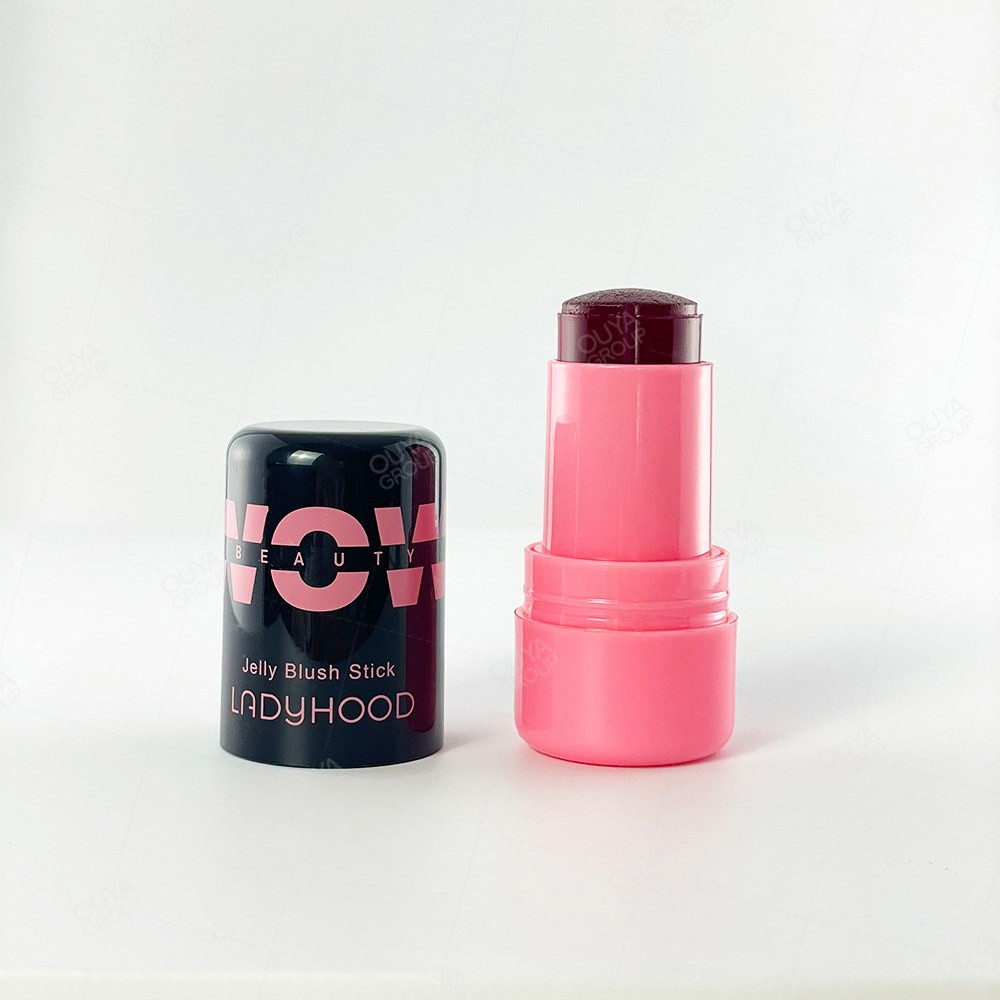
Fig 1: Cooling Water Long-Lasting sheer Jelly Blush Stick (FBS001-A04)
Shade demand gives the reorder its shape
A reorder becomes more useful when quantities follow actual sales by shade. Consider an illustrative three-color range where the rose shade sells out while coral remains available. Repeating the original equal split adds coral stock without fully answering the rose shortage.
This is a planning example, not an OUYA sales breakdown.
The winner needs its own replenishment view
Review store stock, confirmed orders and recent sales together for the winning color. A promotional spike deserves separate treatment from the pace after the promotion ends. Ask the factory to assess the resulting shade quantities against the selected formula and components before confirming the next delivery commitment.
The remaining shades still have a role
Slower shades may support a complete display or serve stores with a different customer mix. Keep that role visible instead of treating every unsold unit as a failure. Agree whether the next shipment replenishes individual colors, replaces complete displays or supplies both through separately planned quantities.
|
Reorder situation |
Question to resolve |
Planning response |
|---|---|---|
|
One shade sells out |
Which stores need that color? |
Allocate by shade and location |
|
A promotion lifts sales |
What remains after the event? |
Separate event demand from routine demand |
|
Displays need refilling |
Is the order for colors or full sets? |
Confirm the packing mix before production |
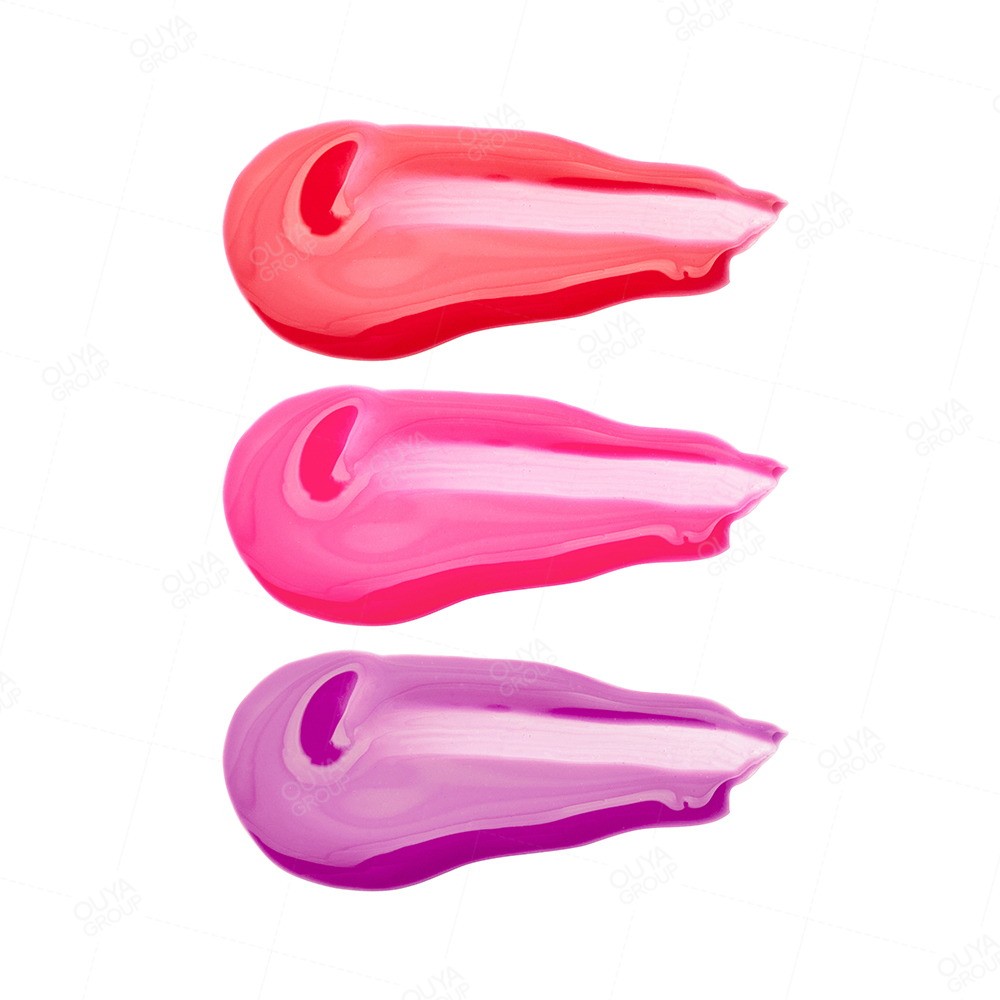
Fig 2: Cooling Water Long-Lasting sheer Jelly Blush Stick (FBS001-A04)
The next batch needs to feel like the same product
Repeat demand gives the approved sample a practical job. It represents what the retailer intends to receive again. A lip and cheek stain also needs a consistent use story across two application areas, even when the shopper applies a lighter amount to the cheeks.
The pictured jelly stick illustrates a twist-up, multi-use format available with custom colors. Its presence here does not identify it as the item behind the 1.8 million figure. Keep the selected formula, shade and format tied to their own approved reference throughout the reorder.
Physical color standards need controlled handling because light, heat and age affect them. Compare the fresh batch with a retained reference under agreed conditions. A casual phone photograph is useful for discussion, but it is a weak sole basis for accepting a subtle shade difference.
Practical repeat-order comparisons stay short and specific:
Compare the agreed shade at the same application amount.
Check pickup and spreading against the retained sample.
Verify the selected closure and dispensing format in the filled unit.
A request for a richer lip stain shade belongs in a development discussion. Treating it as a routine replenishment change blurs whether the factory is reproducing the existing lip stain or making a revised version. Keep that choice visible before the order is released.
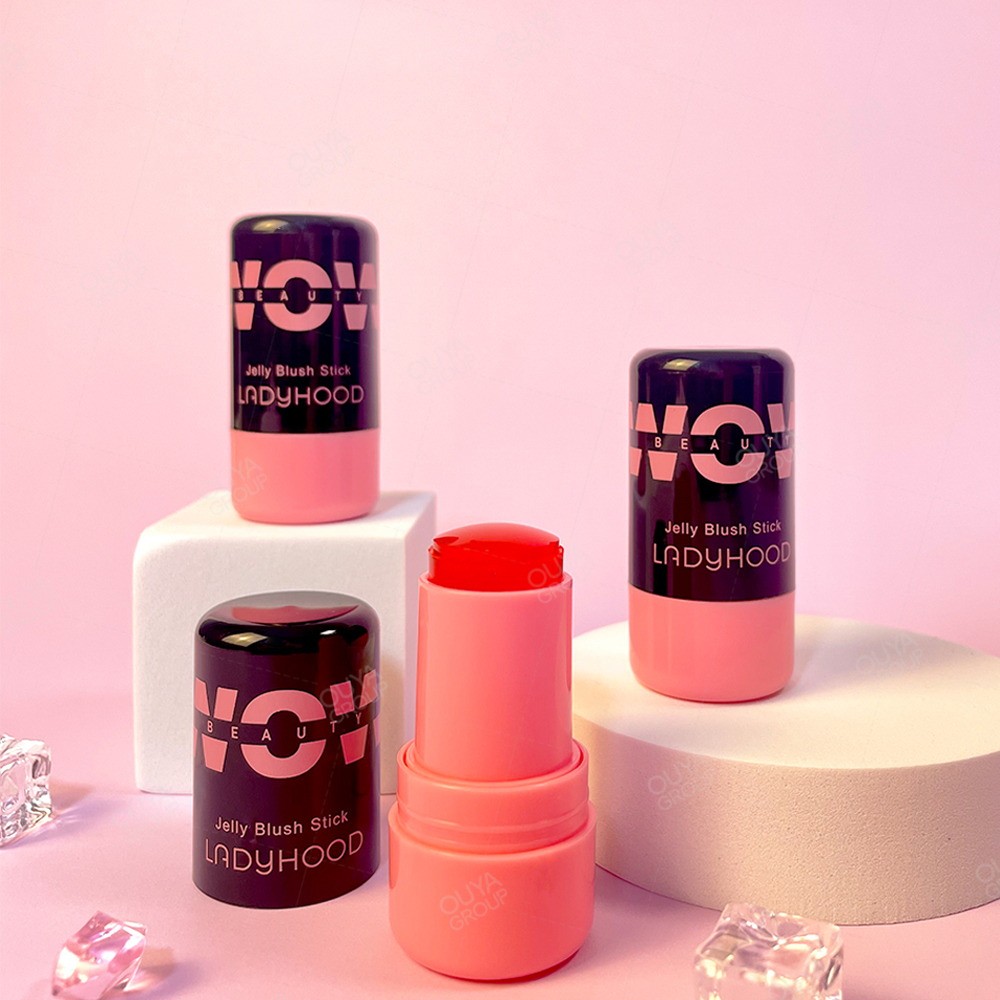
Fig 3: Cooling Water Long-Lasting sheer Jelly Blush Stick (FBS001-A04)
Capacity discussions need a defined order
Factory capacity becomes meaningful only in relation to the requested product and delivery window. OUYA BEAUTY has automated production lines and lip-and-cheek manufacturing experience. For cosmetics contract manufacturing, the next conversation is about the actual shade quantities, component readiness and release sequence for this order.
A larger total order does not establish that every color is ready at the same time. Discuss whether a priority shade would benefit from a separate production or shipment arrangement, then assess the cost and timing with the factory.
Present that as an option to evaluate, not an automatic promise of faster delivery.
Low MOQ support has a different purpose during an extension. OUYA offers custom blush colors with low MOQs, but the quantity for a new shade depends on the commissioned configuration. Keep a trial color separate from proven replenishment demand until its role is clear.
Comparisons between private label makeup manufacturers are more useful when each receives the same reorder scenario. Ask how the proposed quantity mix fits the available schedule. A broad claim about annual output does not answer when one urgent shade will be ready for release.
Requests for custom formula cosmetics also need a clear boundary. A texture change, new finish or different applicator may deserve fresh evaluation. Protect the repeat-order reference while assessing those ideas, so improvement work does not silently replace the product already performing in stores.
A stronger reorder follows the winning shade
Scaling a successful lip stain means repeating the relevant product while ordering the right mix. Use shade-level demand to shape replenishment, retain a physical standard and confirm capacity against the actual configuration.
The next order then answers a real stock need without turning the winning item into an untested revision.
If you have any requirements, please contact us to discuss lip-and-cheek replenishment and shade-specific production planning.
FAQ
Why reorder by shade instead of total units?
Shade-level planning addresses the actual shortage and separates replenishment of a winner from replacement of complete assortments.
What changes turn a reorder into development work?
A revised formula, finish or dispensing format needs evaluation against the intended experience before replacing the approved version.
Does low MOQ support cover every new shade?
Confirm the quantity for the selected formula and components. A general service offer does not fix every configuration’s minimum.