A trend palette loses time when its color is approved in one powder base and the retail team later requests a different one. The shades then return to sampling just as packaging decisions are closing.
For a US or European launch requiring a Talc-free formula, rapid prototyping is most useful when that requirement shapes the first working samples.
The powder base belongs in the first sample decision
A formula condition affects what the prototype needs to demonstrate. Removing talc from the plan is not simply a wording change after color approval. The finished blend still needs the intended pickup, payoff and pressed-pan behavior.
Evaluate those properties in the proposed base before treating the sample as a reference for production.
The factory’s development role matters at this early stage. OUYA BEAUTY’s current product direction includes talc-free eyeshadows, blushes and pressed powders. Its formulation, sampling and testing services give a retail team a route to assess the requested eyeshadow concept before the full shade set is finalized.
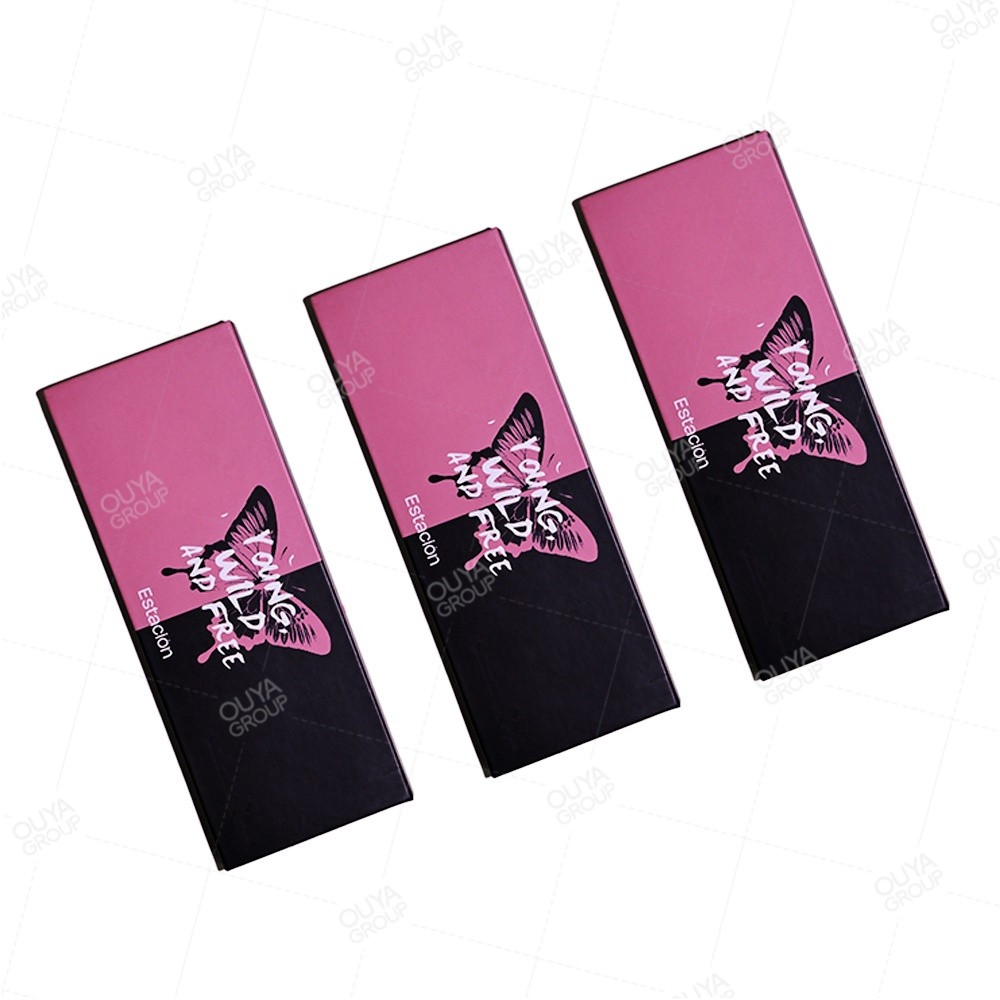
Fig 1: Professional Custom Label Black Cool Butterfly Eyeshadow Palette (EP02178178)
A useful prototype separates base approval from color choice
Early samples work harder when each comparison has a defined purpose. During the eyeshadow manufacturing process, asking the lab to change the base, soften a brown and increase shimmer at once makes the next result difficult to interpret.
The attractive new sample may leave the original texture question unanswered.
A small texture comparison resolves the first uncertainty
Ask for a focused comparison that holds the shade direction and pan format steady while the proposed bases are assessed. Review pickup, blending and the surface left after use. This is a development approach to agree with the factory, not a claim that one universal test sequence suits every formula.
The chosen base then carries the shade work
Once the preferred texture direction is established, evaluate the proposed colors in that base. A pressed powder’s binders contribute to cohesion and application feel. Changing the blend later therefore deserves renewed review of the affected properties instead of automatic acceptance under the earlier sample approval.
A clear handoff between these decisions helps an eyeshadow palette manufacturer understand what remains open. Texture acceptance does not mean every shade is approved. A color match does not mean the finished pan has completed its handling evaluation.
|
Sample decision |
Question being answered |
Work still to complete |
|---|---|---|
|
Proposed powder base |
Does the application feel fit the concept? |
Shade development in that base |
|
Selected shades |
Does the color story work together? |
Finished-pan and compact review |
|
Assembled prototype |
Does the chosen combination perform as intended? |
Final testing and production release |
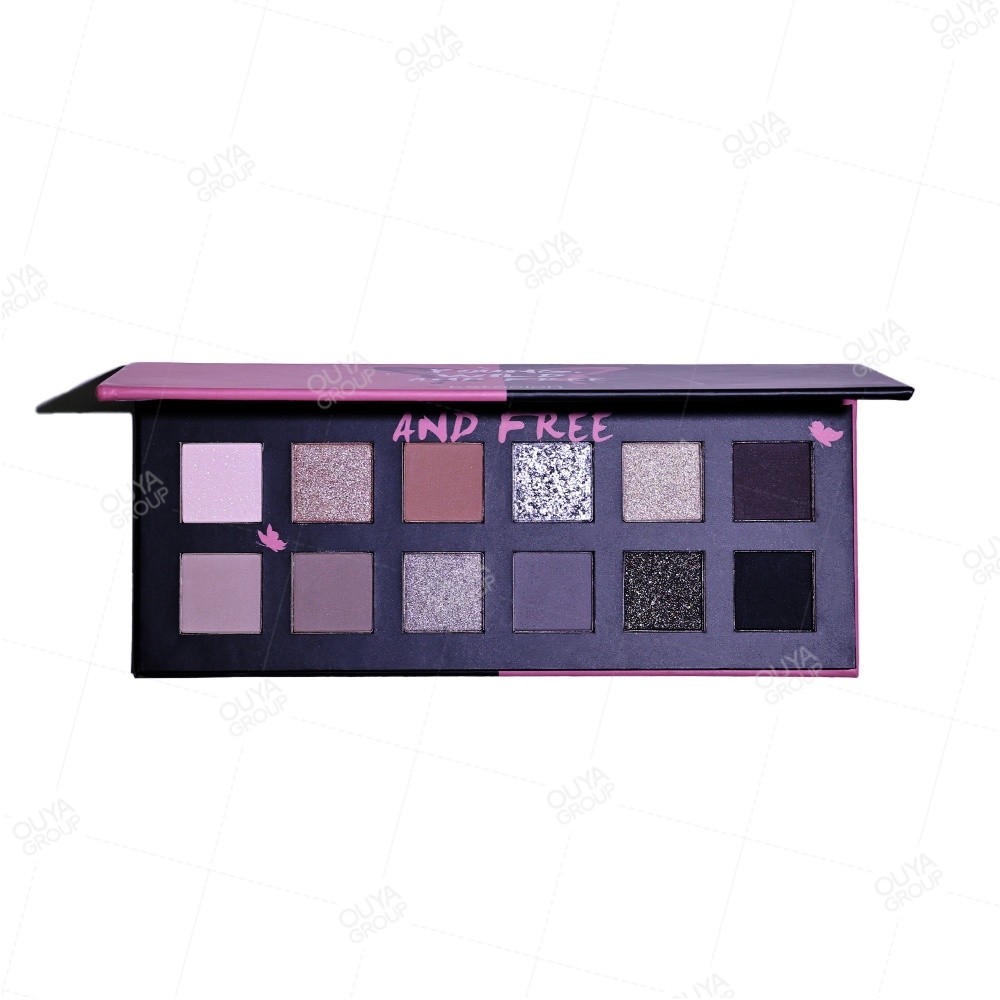
Fig 2: Professional Custom Label Black Cool Butterfly Eyeshadow Palette (EP02178178)
The final pan exposes changes a loose sample misses
A loose powder sample helps discuss color, but it is not the finished pressed item. The selected pan and formula need assessment together.
For a custom eyeshadow palette, bring the prototype close enough to the intended format that reviewers are judging relevant pickup and handling rather than imagining them.
The purpose is to reveal a problem while its correction is still manageable. If a texture revision changes the application result, reassess it before the wider shade set is signed off. If the pan format changes, review that combination before treating a previous compact trial as transferable evidence.
Useful prototype feedback distinguishes three observations:
The intended color is visible at the agreed application amount.
The powder lifts and blends in the intended way.
The assembled pan remains suitable for the planned handling review.
Those observations remain separate from safety clearance. Color additives for US eye products need authorization for eye-area use. Complete the market-specific review for the selected formula before release, without assuming that a talc-free designation settles pigment suitability or finished-product safety.
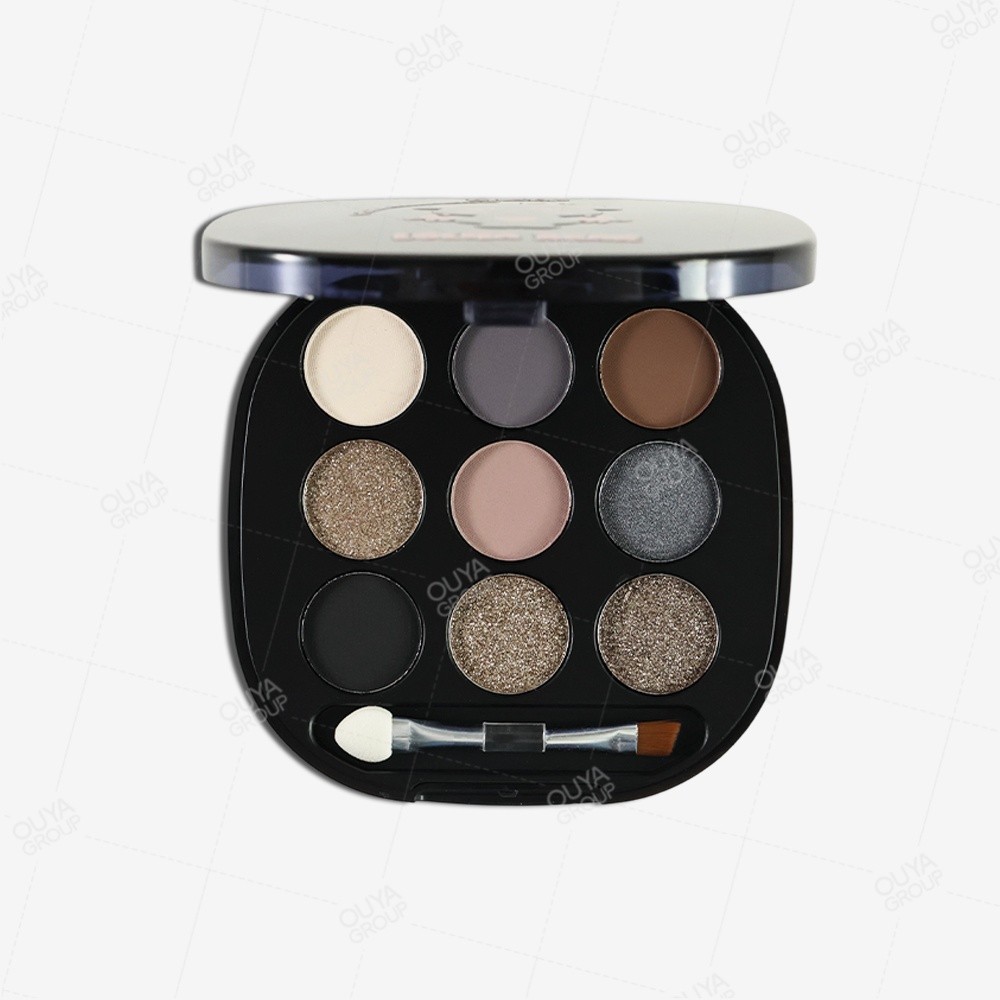
Fig 3: Customizable Lolita Bear 9-Color Eyeshadow Palette (EP02124124)
Change decisions determine whether quick samples save time
Fast sample delivery only helps when the team knows what to do with the result. For a private label eyeshadow palette, appoint one person to consolidate feedback and identify which decision each requested change reopens.
That keeps the next round from responding to contradictory comments about the same shade.
A late request for more shimmer illustrates the problem. Treat it as a change to evaluate, then identify the affected color, texture and pan checks with the factory. Avoid reopening unrelated packaging choices simply because a new sample round is already underway.
OUYA BEAUTY’s custom formula cosmetics service links formulation, sample development, testing and production. Use that connection to discuss which decisions are settled and which need another prototype. It is a practical way to focus development support without inventing a fixed number of days saved.
The launch calendar still needs separate sample and production milestones. A quick prototype is not a confirmed shipment date. Agree the time needed for revisions, testing, component readiness and release against the actual project, especially when the proposed formula differs from an existing sample.
Low MOQ discussions also benefit from a settled formula direction. Confirm the minimum for the selected shade count and packaging configuration before building the retail trial around it. A general low MOQ service offer does not establish the quantity or timing of every custom palette.
Early formula decisions protect the trend window
Rapid prototyping helps a talc-free eyeshadow project when it resolves the right uncertainty early. Assess the intended base, develop the colors within it and review the selected formula in its final pan.
Manage later changes against the decisions they affect, then confirm the remaining work before promising a launch date.
If you have any requirements, please contact us to discuss eyeshadow sampling for your next trend-led retail collection.
FAQ
Why establish the talc-free requirement before color approval?
It lets the team assess color and application in the intended base instead of reopening those decisions later.
Does a quick sample mean production is ready?
No. Revisions, testing, components and release remain separate milestones that need confirmation for the actual project.
Why evaluate the selected powder in its final pan?
The loose sample does not represent the complete pressed product. The chosen combination needs its own application and handling review.
Does a talc-free designation establish eye-area safety?
No. Colorant suitability, the complete formula and finished-product assessment still require review for the intended market.