A contour palette returns for a second production run, and the darkest pan looks slightly different beside its neighbor. Each shade may appear plausible alone, yet the range no longer reads as the approved collection.
For a retail team serving medium to deep skin tones, repeat production needs to preserve the relationships between shades as well as each individual color.
The approved range is the manufacturing reference
A multi-shade range carries several color decisions within one compact. Depth, undertone and the difference between adjacent pans all contribute to its intended use. Once the assortment is approved on the target complexions, the next manufacturing task is to reproduce that selection rather than quietly redesign it.
A factory offering color customization needs a clear reference for this task. OUYA BEAUTY provides custom shade development for a multi-use cream palette with concealing, contouring and highlighting functions.
That format makes the separation of shade roles easier to discuss, without proving that the photographed selection suits every medium or deep complexion.
The cream contour palette illustrated here provides a physical format example. Its eight pans do not establish eight sculpting depths. Evaluate the commissioned contour shades for their intended audience and keep the other functions separate when approving the range.
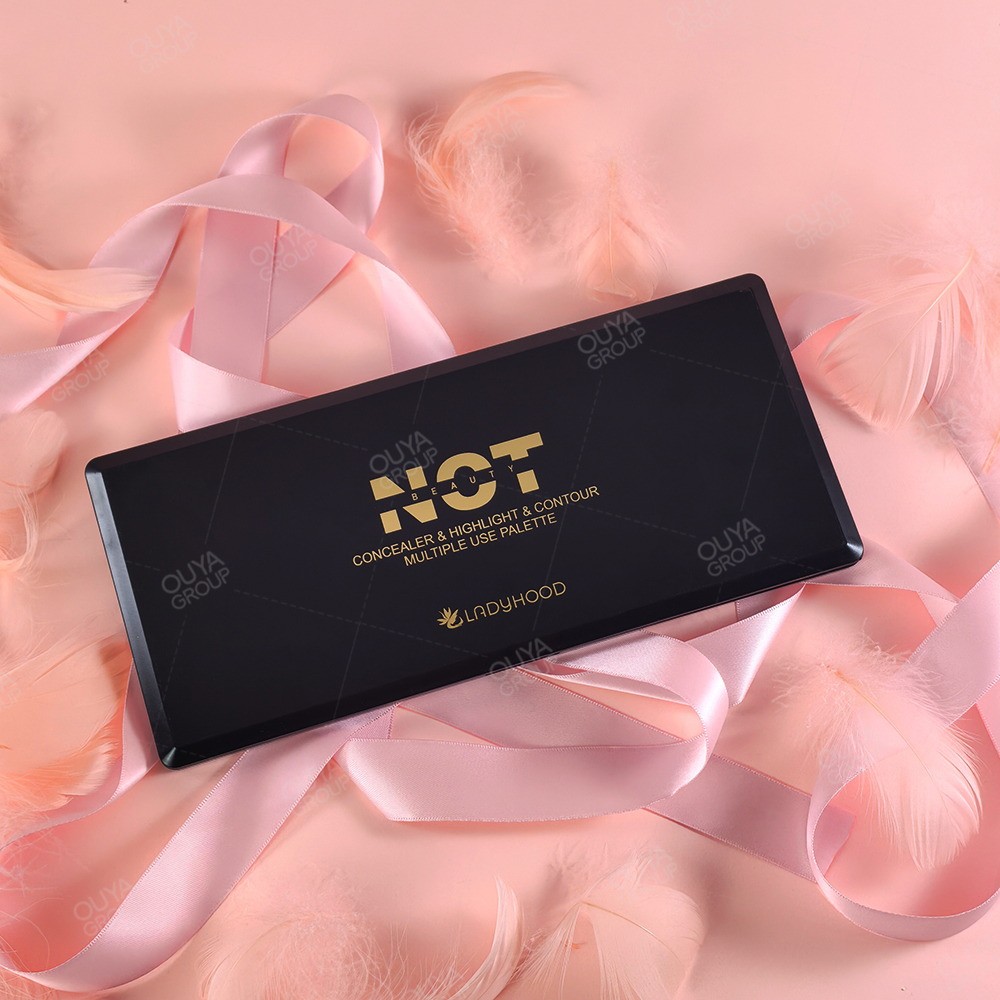
Fig 1: Concealer, Contour & Highlighter multiple use Palette (FB0001-A05)
A shade standard needs a repeatable comparison
A retained physical sample gives the factory and retail team a shared color target. Light, heat and aging affect physical standards, so storage and replacement need attention.
Keep an approved reference in suitable conditions and agree on how it will be checked before it is used to accept another batch.
The sample presentation affects the judgment
Compare samples using the same preparation, application amount and lighting. A thick cream swatch compared with a sheer one tells you something different from two identically prepared swatches compared with each other. Record the comparison method so the team investigates any apparent shift before treating it as a formulation problem.
Instrument readings and application checks answer different questions
Color measurement supports comparison with an agreed standard, whereas application review establishes how that color behaves within the intended makeup result. For contour makeup, both perspectives should be retained, because a close reading on a prepared sample does not by itself demonstrate a convincing sculpting effect on the target complexions.
The following review points describe a proposed comparison method. They are not published OUYA tolerances or measured pass limits. Agree acceptance criteria for the commissioned range with the development and quality teams before using them to release production.
|
Review point |
Reference to retain |
Reason for the comparison |
|---|---|---|
|
Individual shade |
Approved physical sample |
Detect change from the target color |
|
Adjacent contour shades |
Approved palette arrangement |
Preserve useful depth differences |
|
Finished application |
Agreed amount and method |
Compare the intended sculpting result |
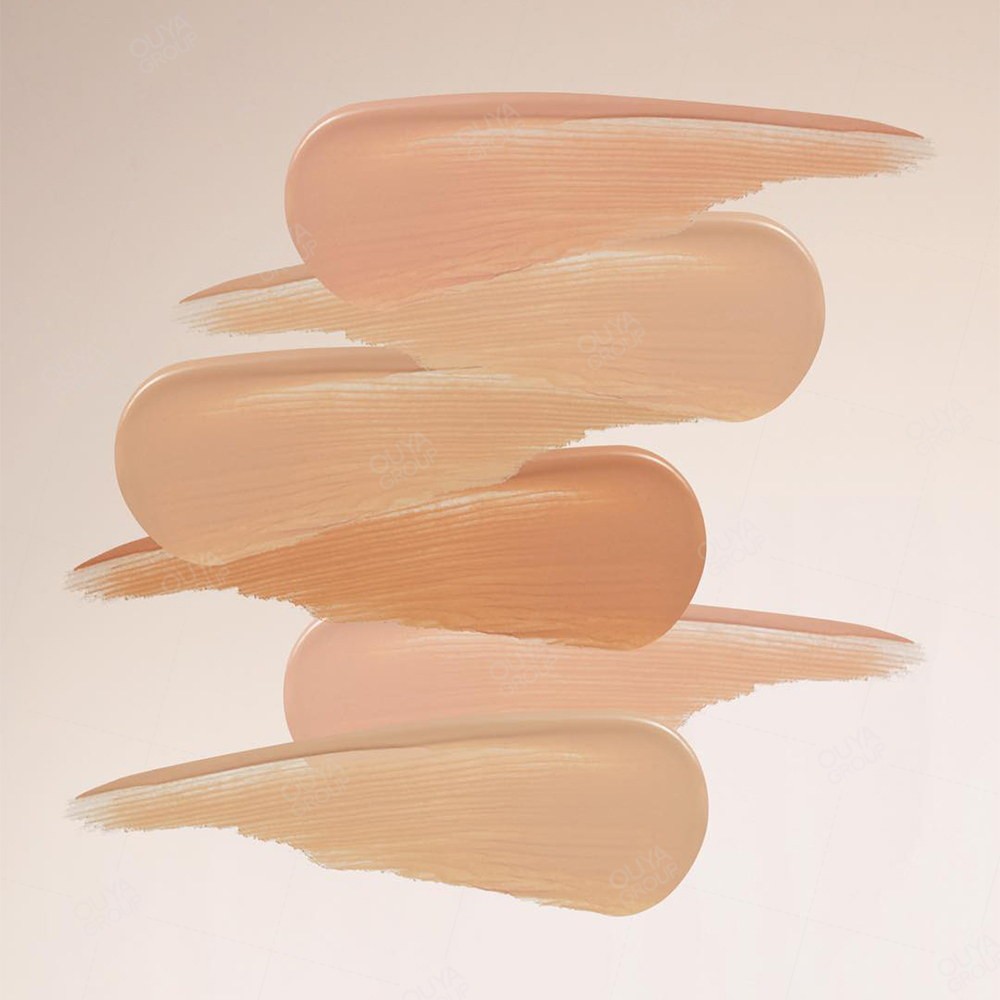
Fig 2: Concealer, Contour & Highlighter multiple use Palette (FB0001-A05)
The deepest shade needs its neighbors in view
A contour palette for medium to deep skin needs review as an assortment. Consider an illustrative collection where two approved contour colors are clearly separated.
If one repeat batch moves closer to the other, the compact may lose a useful option even though neither pan appears obviously wrong in isolation.
That example explains why whole-palette review follows individual shade checks. Compare the new pans beside one another and against the approved arrangement. Assess whether the lighter sculpting choice, the deeper choice and any highlighting colors still perform the roles assigned during development.
For custom formula cosmetics, useful feedback identifies the relationship that changed. “The two contour depths now look too similar at the agreed application amount” gives the lab a more specific problem than “the palette looks different.” It also keeps the review focused on repeat production.
The reference conditions help resolve disagreements. If two reviewers reach different conclusions, repeat the comparison together before requesting a shade correction. Different lighting or sample preparation leaves uncertainty about whether the product changed or the comparison changed.
A compact comparison record has three practical parts:
The individual shade matched against its approved reference.
The shade viewed beside its neighbors in the finished compact.
The application result assessed using the agreed routine.
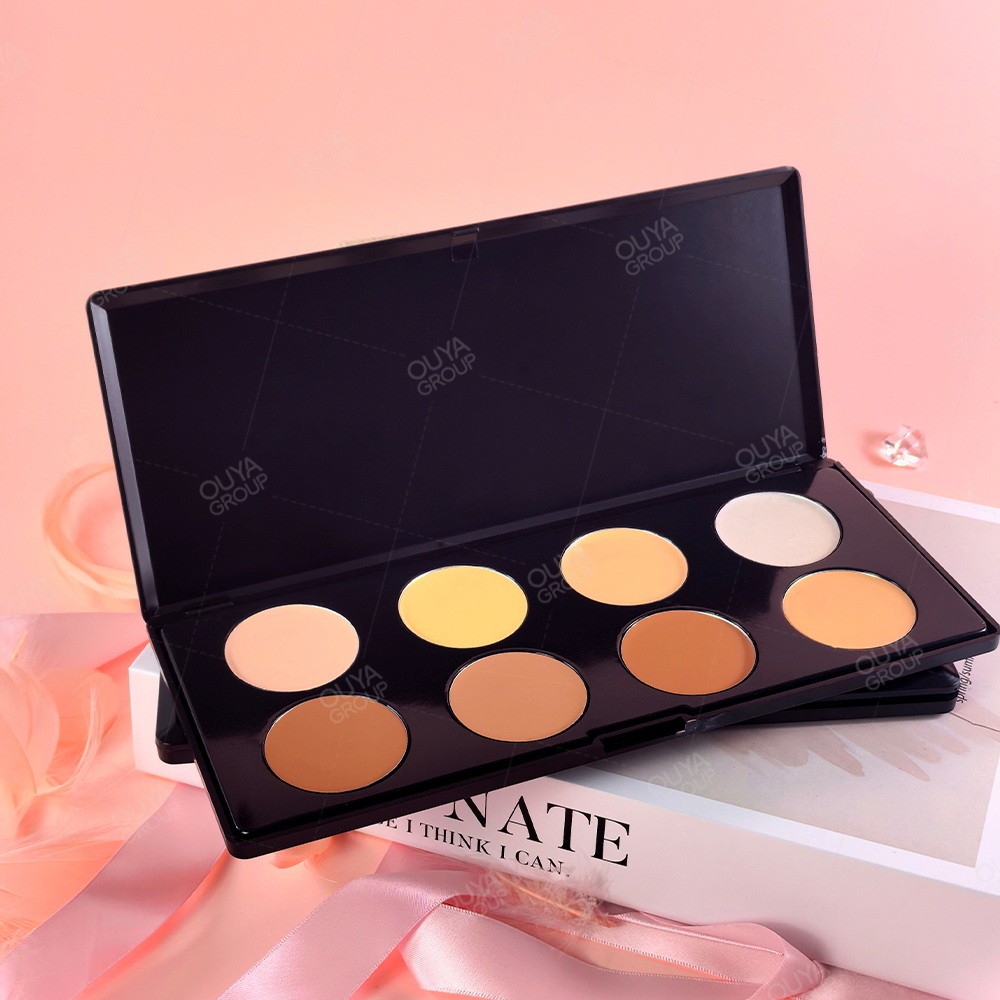
Fig 3: Concealer, Contour & Highlighter multiple use Palette (FB0001-A05)
A deliberate update needs a fresh approval
A new shade request belongs to range development, even when it arrives with a repeat order. Keep the current contour makeup reference available while evaluating the proposed update. Otherwise, a change intended to broaden suitability risks replacing the standard used to assess existing stock.
The same distinction applies to a texture revision in a cream contour palette. Evaluate the revised version with its own reference and repeat the relevant color comparisons. Better glide and the same visible shade are separate questions, so acceptance of one does not settle the other.
For private label cosmetics sold through US and European retail, the commercial decision is whether the update creates a replacement or an additional option. Make that decision before production identification and retail descriptions are finalized. This avoids presenting two intentionally different versions as one unchanged item.
Low MOQ planning is useful when the team wants to explore a distinct shade extension. Confirm the actual quantity for the chosen formula and compact, then keep the trial separate from replenishment of the established range.
Expansion and consistency serve different purposes, even when the same factory handles both.
An approved range also needs continuity when colleagues change. Keep the physical standards, shade positions and comparison method together. A new reviewer then assesses the same contour palette against the same intended result, instead of reconstructing the color decision from an old photograph.
Repeat production protects the original shade choice
Consistent contour makeup for medium to deep skin tones starts with preserving an approved, relevant range. Retain physical standards, compare samples under shared conditions and review the complete compact after checking individual shades. Treat intentional updates as new decisions.
That gives a cream contour palette a stable identity from launch into replenishment.
If you have any requirements, please contact us to discuss shade matching and repeat production for your contour range.
FAQ
Does an eight-pan palette contain eight contour shades?
Not necessarily. A multi-use compact may allocate pans to concealing, highlighting and sculpting, with different intended roles.
Why retain a physical shade standard?
It provides a shared target for the next batch, provided its condition and comparison method remain controlled.
Is a color reading enough to approve the full range?
No. Review individual color matches alongside the whole assortment and its intended application on the target complexions.
What happens when a deeper shade is added?
Evaluate it as a range extension, while retaining the existing references for products that remain unchanged.
Do these photographs prove suitability for every deep complexion?
No. They illustrate the format. The commissioned shades need evaluation on the complexions the retail range intends to serve.