Color-changing blush works when the surprise feels useful, not gimmicky. Retail buyers need a product that looks fun in the pan or stick, blends quickly on skin, and gives a believable flush across daily routines. A jelly tint can answer that need when texture, color response, and multi-use claims stay controlled.
The Magic Effect Needs a Practical Payoff
A color-changing product first attracts attention through the demo, but repeat purchase depends on the result. The user expects a clear, dewy flush that does not leave harsh edges. For a retail team, the challenge is turning a quick transformation into a stable shade story across batches and markets.
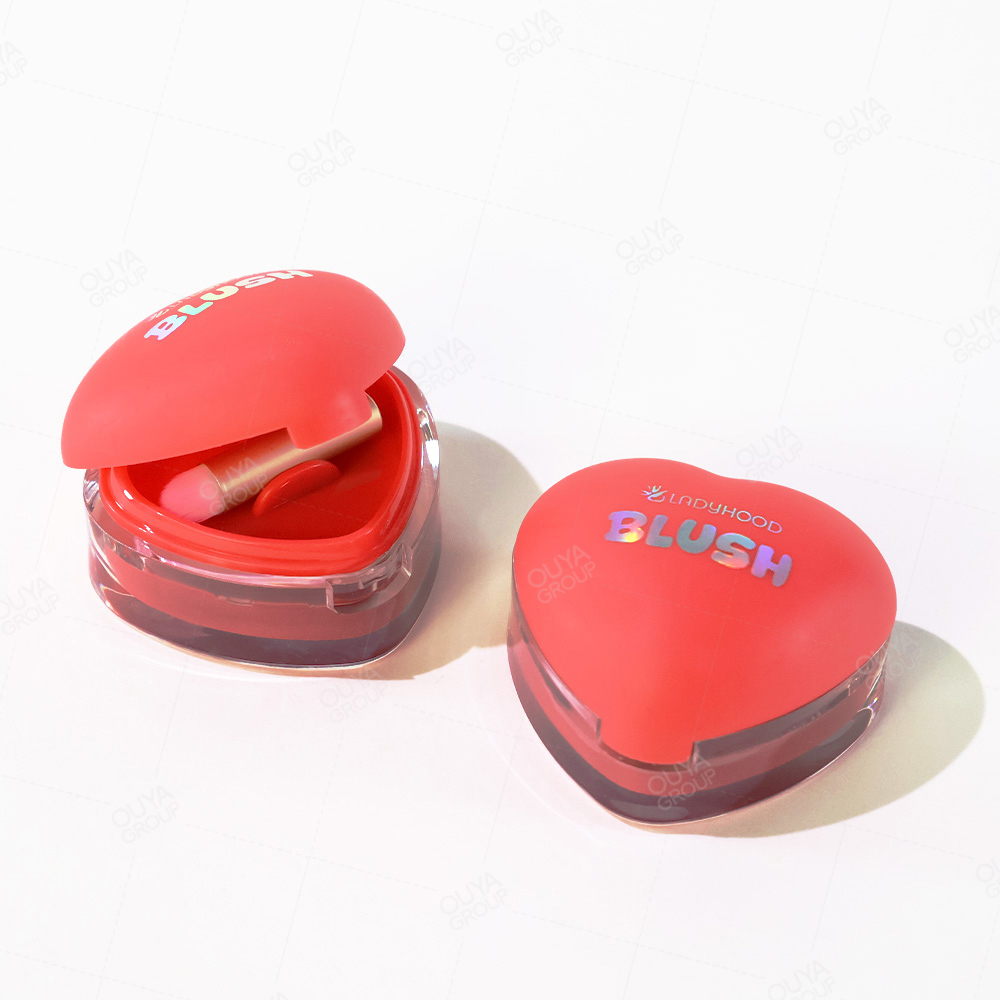
OUYA BEAUTY‘s MAGIC BLUSH reference is a heart-shaped color-changing blush with a jelly-like, transparent, powder-free texture. It is designed for finger application and can work as blush, highlighter, and lip tint, giving buyers a compact multi-use concept instead of another single-shelf cheek item.
Jelly texture changes how shoppers apply color
Jelly blush is often judged by touch before color. A bouncy texture should glide without dragging and blend before the tint locks too sharply. This makes it different from many blush types, where powder payoff or cream slip carries the main experience.
Color response must stay within the brand shade map
A transformation shade still needs a planned destination. If every tester turns into a similar pink, the product may feel less inclusive. If the response shifts too far, the display becomes hard to explain. The best brief defines the target flush, undertone range, and acceptable variation.
| Multi-use role | What the formula must do | Retail risk to control |
| Blush | Blend quickly and leave soft color | Harsh edges or uneven stain |
| Highlighter | Give a dewy, plump-looking glow | Excess shine on textured skin |
| Lip tint | Add color without dry patchiness | Claims that exceed lip comfort evidence |
Comparison Searches Reveal a Selection Problem
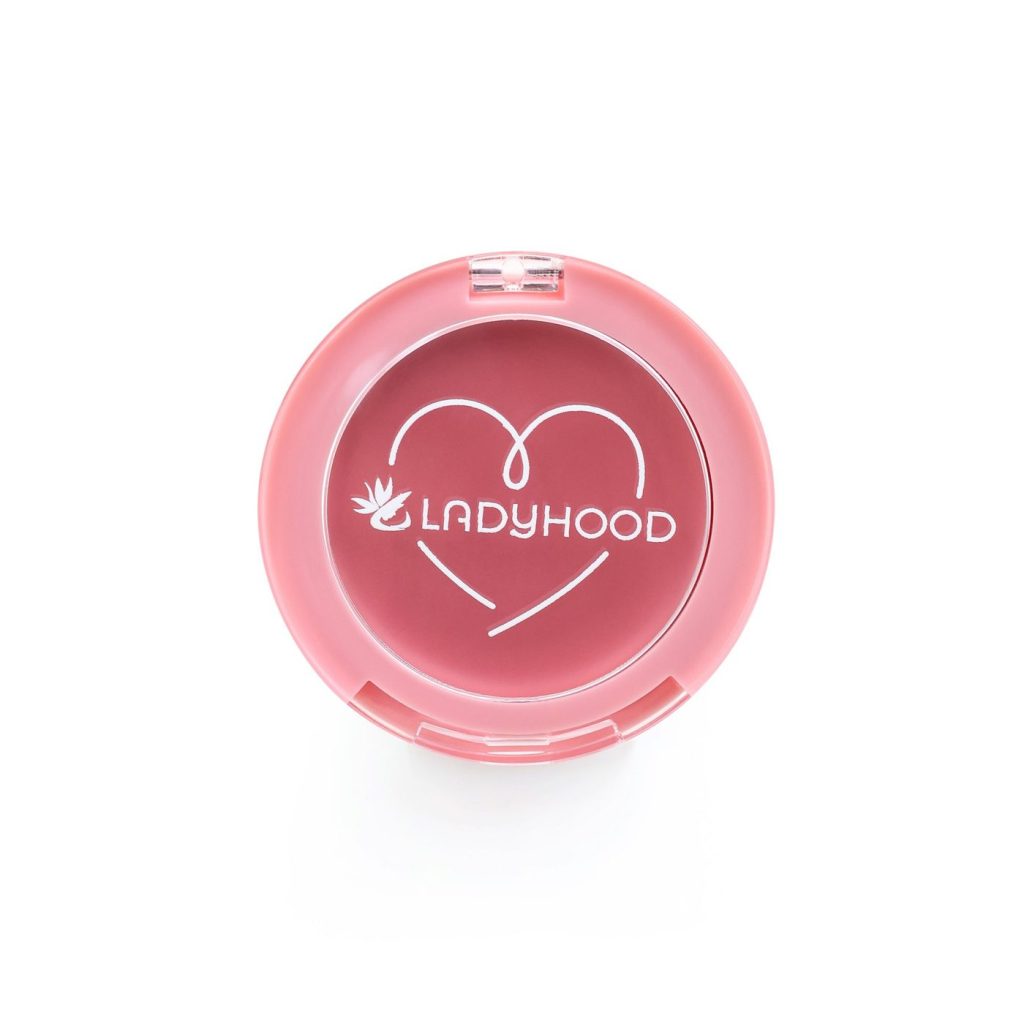
Searches around liquid blush vs cream blush show that shoppers compare texture before they understand manufacturing. That behavior helps B2B buyers position jelly blush as a third path: more playful than a standard cream, less messy than some liquids, and easier to use with fingers when the formula is tuned well.
The cream vs liquid blush debate also shows why multi-use products need plain language. A buyer should not describe the same item as every format at once. Jelly tint can be presented as a bouncy, transparent color product with cheek-first use and a secondary lip stain role when the formula supports it.
Cheek-first positioning keeps the story clear
A cheek-first message helps retailers avoid confusing shoppers. The display can show the color-change moment, then explain blend, finish, and where the product belongs in a routine. The lip function can sit as an extra benefit rather than taking over the article or the package.
A multi-use claim needs category discipline
A lip stain use can make the SKU more valuable, but it also raises questions about flavor, shade transfer, comfort, and removal. Buyers should decide whether the product is truly lip-and-cheek or mainly blush with occasional lip use before approving claims.
A concise sample review keeps the category decision grounded:
- Compare blush types by blend time, finish, and the clarity of the main use.
- Check liquid blush behavior against the jelly texture under ordinary retail lighting.
- Record the developed color, lip comfort, and packaging explanation before artwork approval.
Scale Depends on Shade and Process Control
Scale matters because a viral blush is exposed to more reviews, more climates, and more restocks. OUYA BEAUTY has 24 years of manufacturing and export experience in lip and cheek products, automated production lines, 100k-class clean rooms, and low MOQ support for private label blush line projects.
The brand’s lip and cheek tint experience, including a key item that sold more than 1.8 million units in three months, is relevant because multi-use color depends on repeatable shade and texture control. That experience should still be applied narrowly to the selected formula rather than treated as proof for every possible claim.
For private label cosmetics ODM teams, the strongest sample pack compares color response on several undertones, texture after storage, lip comfort, packaging fit, and display language. This keeps the novelty useful for retailers, not only attractive in a short video.
Retail Packaging Should Make the Use Order Obvious
Packaging carries a heavy role when one compact product has several uses. The front panel should make the main use visible at once, while side or back copy can explain cheek, highlight, and lip options. If every benefit is given the same weight, the shopper may not know what to try first.
A clear use order also helps sales teams and content teams. Demo videos can open with cheek color, then show the color-change moment and the lip option as a short secondary scene. This keeps the line energetic without making it feel like a confusing mixed-category item.
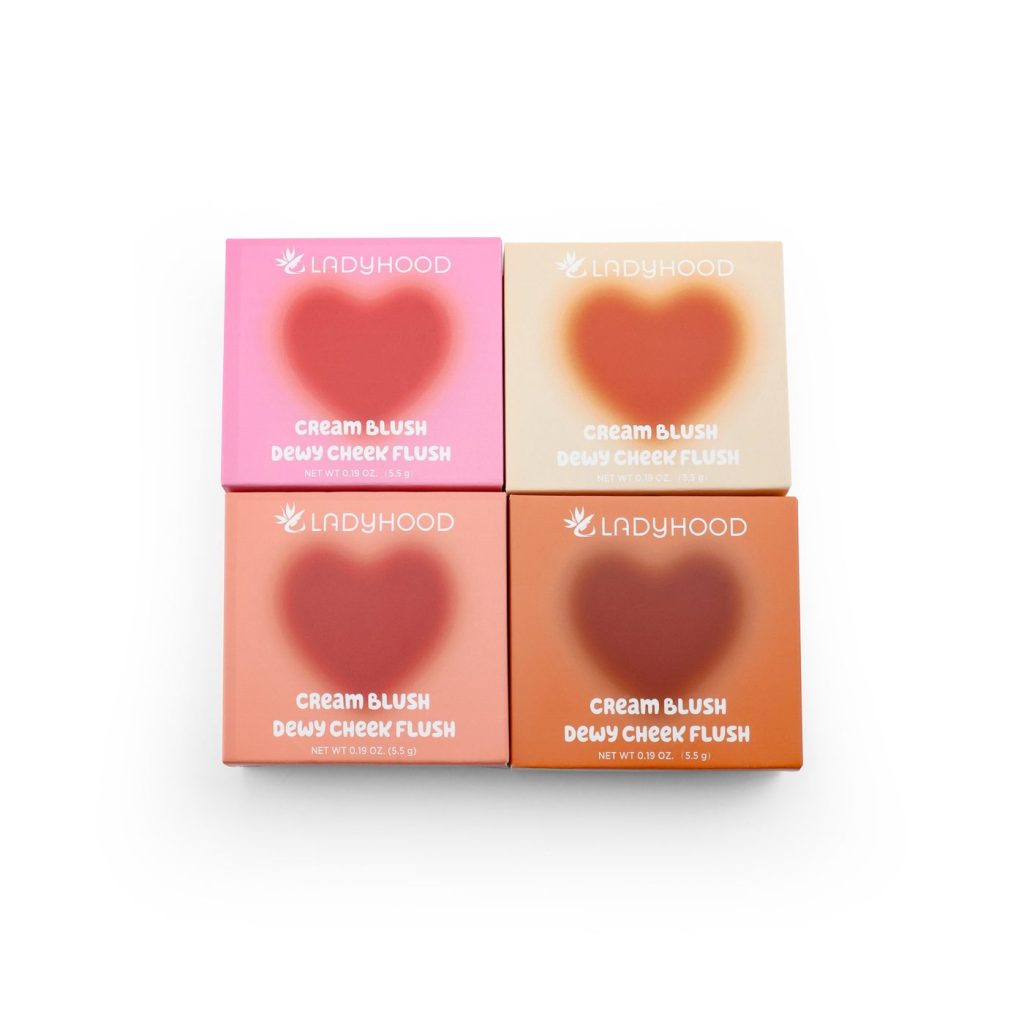
A display sample should also show the expected developed shade beside the untouched product. That simple visual cue reduces doubt for buyers who worry that color-changing makeup will look too unpredictable across stores, lighting, or tester use.
A Better Jelly Blush Solves One Shelf Question
Color-changing jelly blush should answer a simple retail question: how can a fun product help shoppers get fast, soft, believable color? When the answer is built into texture, shade map, and claim control, the product feels more like a repeatable line and less like a one-season trick.
OUYA BEAUTY can help connect jelly texture, shade customization, low MOQ planning, and production review for teams building a multi-use cheek item. To discuss a color-changing blush brief, talk with OUYA BEAUTY about the target market and first shade family.
FAQ
What is color-changing jelly blush?
It is a bouncy blush format that appears sheer, then develops a visible flush after application.
How is jelly blush different from liquid blush?
Jelly blush usually feels bouncier and more finger-friendly, while liquid blush flows and may need tighter dosing.
Can one product work as blush and lip stain?
Yes, when the formula, comfort, shade transfer, and claims are reviewed for both use areas.
Which blush types are easiest for retail storytelling?
Formats with clear texture, visible payoff, and simple use language are usually easier to explain in store.
What should buyers review in a private-label blush sample?
Buyers should review color response, blend time, finish, storage stability, lip comfort, packaging, and market claims.