
Layered makeup looks can fail when the finish story is unclear. A glowing foundation may need comfort and light reflection, while a matte setting spray may promise control. For retail teams, the useful question is how to combine those effects without making the face look flat, sticky, or over-fixed.
Finish Language Should Match the Real Makeup Moment
Finish language becomes practical when it describes what the shopper sees after the spray dries. The high-impression query matte vs dewy setting spray shows that people are comparing a visible result, not only an ingredient story. A private-label brief should define whether the spray changes shine, locks makeup, refreshes texture, or softens powder.
A dewy foundation already brings light to the base, so the spray should not create a second wet-looking layer unless that is the intended look. A matte spray can sit over a luminous base when the mist is fine, the film is flexible, and the claim is about controlled glow rather than total oil removal.
Matte control is not the same as a dry face
Matte control works best when it reduces visible shine while keeping the base comfortable. If the spray leaves a chalky film, a luminous foundation underneath can look uneven instead of refined. Buyers should judge the finish after movement, not only immediately after spraying.
Dewy payoff needs a boundary
Dewy payoff also needs a clear boundary because too much shine can read as oiliness under retail lighting. Searches such as dewy vs matte setting spray often come from shoppers who want language that separates healthy glow from makeup breakdown. That distinction should shape the pack copy and the sample test.
A Layered Line Needs One Lead Promise
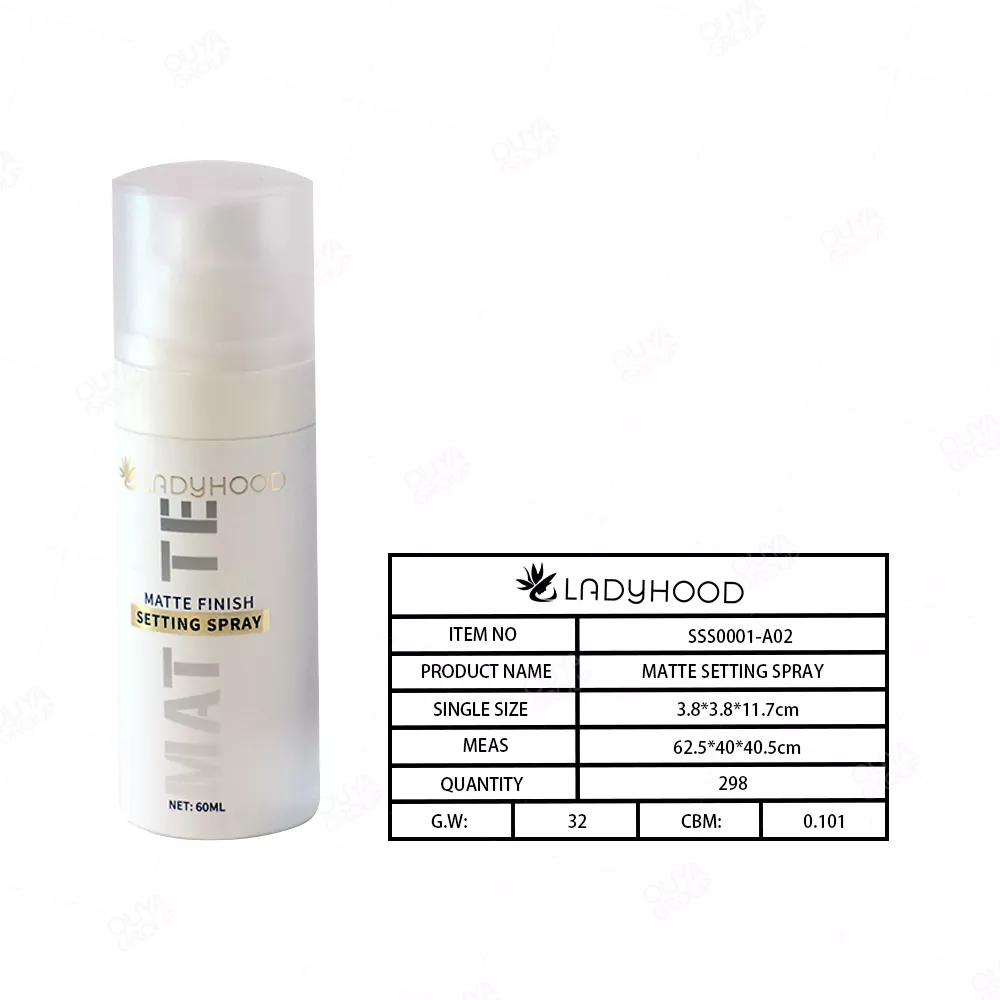
A layered complexion line becomes easier to sell when each product owns one role. The foundation can own skin-like radiance, while the spray can own hold, transfer control, or a soft-focus finish. OUYA BEAUTY is relevant here because custom finish development must connect formula, pump, and claim evidence before a buyer approves the line.
The setting spray market is crowded with words like lock, glow, matte, fine mist, alcohol-free, and skincare-infused. A stronger B2B brief turns those words into acceptance checks. The team should test dry-down, tack, droplet size, base disturbance, shine after wear, and whether the face still looks dimensional.
| Line decision | Best use | Risk to check |
| Matte spray over dewy base | Controlled glow for long retail days | Flat finish or powdery residue |
| Dewy spray over matte base | Softening a dry-looking complexion | Too much shine in oily zones |
| Natural finish spray | Bridge SKU for broader shoppers | Weak differentiation on shelf |
Pump Quality Can Decide the Finish
Pump quality matters because the user experiences a setting spray as droplets before they judge the formula. Large drops can mark foundation, while an uneven cone can leave one side of the face wetter than the other. That problem becomes more visible when matte and dewy products are layered.
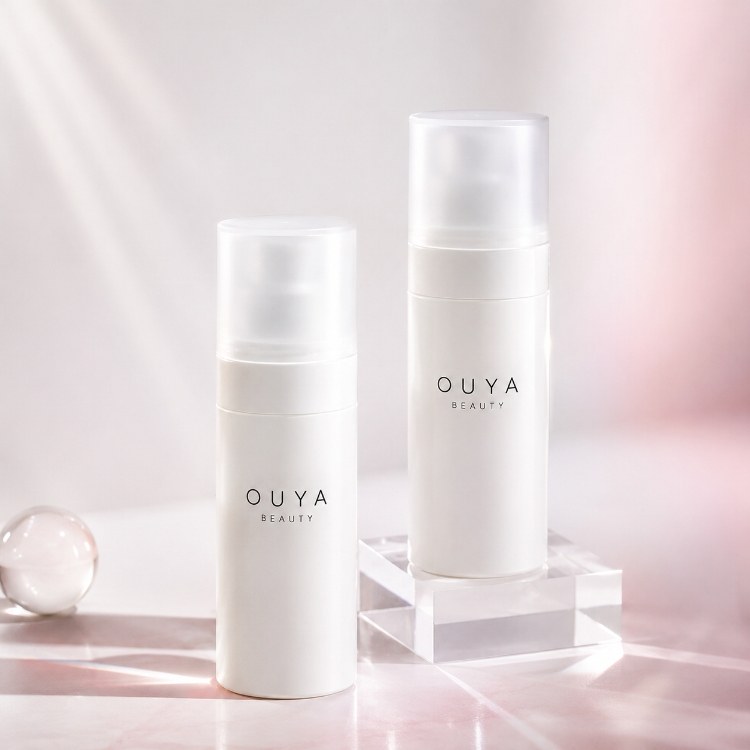
OUYA BEAUTY can customize setting sprays with different finishes, packaging formats, and spray components. This matters for custom formula cosmetics because a formula that behaves well in a beaker still has to pass through the selected pump cleanly. The component should be tested with the final bulk, not treated as a late decoration choice.
A useful sample round keeps variables narrow
A useful sample round compares one dewy base, one matte spray, and one natural-control option under the same lighting. The team can then identify whether the finish problem comes from film strength, humectant balance, powder content, or the spray pattern. Narrow testing prevents a vague preference debate.
- Review the face five minutes after application and again after normal wear.
- Check whether the spray disturbs foundation around pores, smile lines, and nose edges.
- Compare shine in daylight, store lighting, and phone-camera light.
Retail Copy Should Prevent Finish Confusion
Retail copy should explain the product role before it praises the texture. If the consumer asks the difference between matte and dewy setting spray, the answer should not be a long chemistry lesson. It should tell them which finish the spray supports and what base it pairs with best.
A B2B product page can still stay concise. A matte SKU may promise shine control and longer makeup hold. A dewy SKU may promise a fresh-looking finish and reduced powderiness. A natural SKU may help retailers serve shoppers who do not want a strong finish statement.
Channel planning should also separate hero copy from back-of-pack instructions. The hero claim can stay simple, while use directions can explain spray distance, drying time, and preferred base pairing. This gives store teams a clear selling sentence and gives consumers enough guidance to avoid over-application.
Summary
A layered setting-spray line works when the finish promise, pump output, and base compatibility are approved together. The next decision is not simply matte or dewy; it is which visible result the retailer wants the shopper to understand in one sentence.
For a finish-specific setting spray brief, talk with OUYA BEAUTY with the target market, base makeup system, pump direction, low MOQ needs, and the claims you want to test.
FAQ
Can you use matte setting spray on dewy foundation?
Yes, when the goal is controlled glow rather than a fully flat finish. The mist should be fine enough to avoid wet spots and flexible enough to keep the base comfortable.
What is the main difference between matte and dewy setting spray?
Matte spray usually reduces visible shine and supports hold, while dewy spray keeps the complexion fresher and more luminous. The real difference should be confirmed on top of the intended foundation.
Is dewy setting spray good for oily skin?
It can work for some oily-skin shoppers when used lightly, but the product story needs care. A natural or soft-matte option may be easier for broad retail placement.
Why does setting spray disturb foundation?
Foundation can move when droplets are too large, the spray is applied too close, or the formula has too much tack before drying. Pump testing helps reduce that risk.
What should buyers request in a setting spray sample?
Buyers should request finish targets, spray pattern notes, dry-down observations, base compatibility tests, claim boundaries, packaging options, and low MOQ planning.