A single pot seems like a basic addition to a face makeup line. However, the first test often uses much more color than a gentle shadow actually requires. The main issue is not a lack of shades. Instead, it is the big gap between the product amount picked up and the final look the brand wishes to display.
For a private label retail collection, a flexible sculpting cream must have a distinct intensity range. This clear range is necessary before the convenience of a single pot becomes a strong selling point.
Versatility begins with controllable pickup
A contour cream proves its value through the level of definition it provides at different amounts. The initial touch must create a very subtle effect. Then, a second application should add noticeable depth. This extra layer must not make the first light application seem useless.
This remains a specific product development target. This does not guarantee that a single shade will perfectly match all skin tones.
A single-pot contour cream example from OUYA BEAUTY features a smooth, creamy texture. It also provides a highly buildable shadow. Its planned facial uses cover the cheeks, jawline, hairline, and nose. These specific areas give the product concept a very clear focus. It allows for multiple contour placements in face makeup. However, it avoids stretching the claims to include lips or the delicate eye area.
Therefore, a multi use contour cream requires a very exact meaning when placed on the store shelf. Its true versatility exists in its placement options and color intensity within its proper use. It certainly does not mean universal shade matching. It does not promise endless application zones. Also, it does not mean one formula can replace every single item in a makeup artist’s kit. A more focused promise is much easier to show clearly and convincingly.
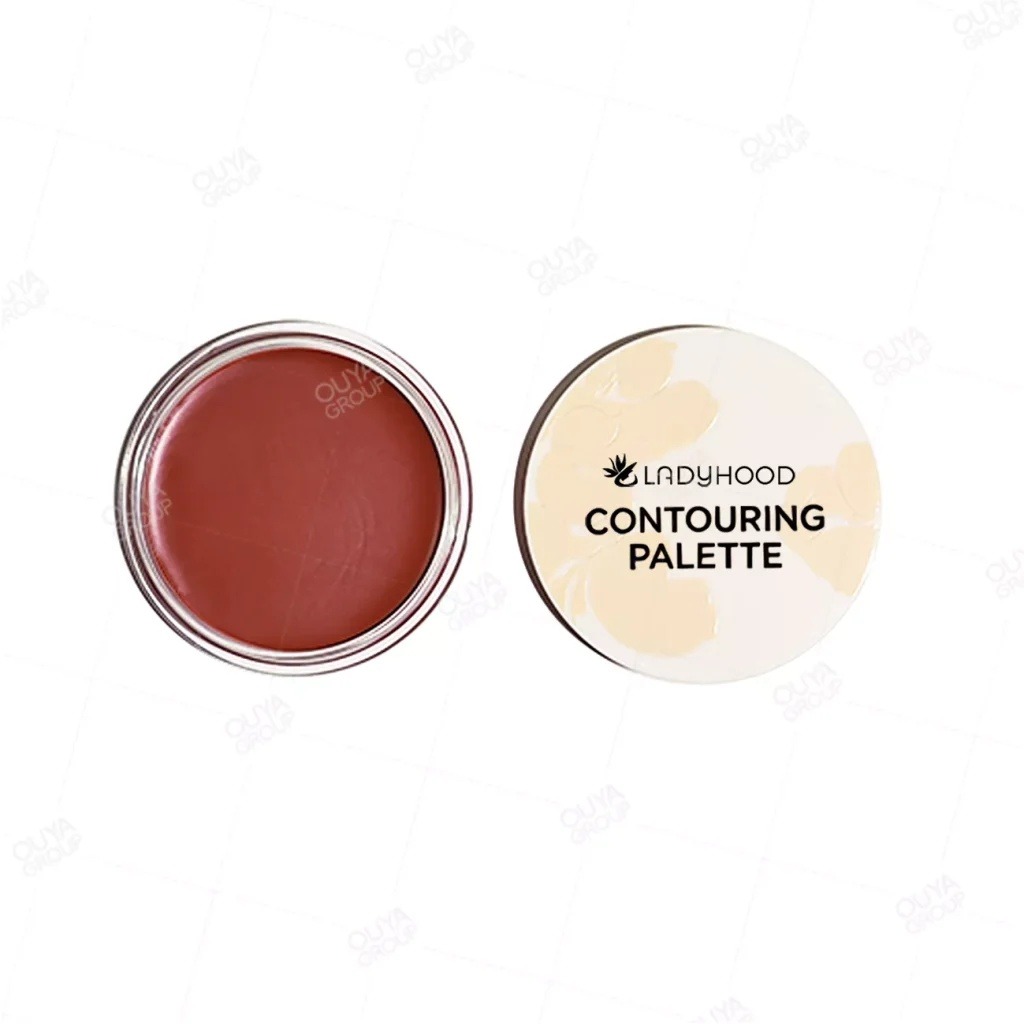
Fig 1: Contour Cream (FB0001-A04)
Three intensities make the concept tangible
The suggested intensity scale gives the development team a common way to evaluate the sample. These are planned visual outcomes for demonstrations. They are not strict, measured performance scores. You should test them on the intended skin tones. Use the exact same makeup tools and foundation base. After that, decide if the formula creates enough visible difference between the various results.
|
Intended result |
Product loading |
Demonstration focus |
|---|---|---|
|
Soft shadow |
Light pickup, one placement |
Visible definition with a restrained edge |
|
Everyday structure |
A modest additional layer |
More depth within the same area |
|
Strong definition |
Deliberate build in selected areas |
A deeper result with controlled placement |
This structured comparison keeps the team’s focus on the practical, usable range. If the very lightest touch looks too dark, adding more shades will not fix the core pickup issue. Furthermore, if extra layers hardly change the final look, the product concept might require a completely different intensity claim.
You must judge the actual product the team possesses. Do not create a misleading demonstration that simply covers up its flaws.
The first touch sets the entry level
The initial product pickup needs careful focus during contour makeup creation. You should compare a very light brush touch against the same brush after a firm, intentional second dip. Always note if the first dip leaves sufficient space for a truly soft, subtle makeup application.
Real commercial value stems from a product that makes its planned result simple to explain. It does not come from a highly exaggerated, dramatic color swatch.
The second layer defines the useful range
Picking up more product must offer a real, useful choice for the user. Check if the second layer actually darkens the shadow exactly where needed. Alternatively, see if it just causes the user to spread the cream over a larger area. A brand selling the pot for soft shaping might want a very gentle build. Conversely, a bolder sculpting idea might need deeper color payoff. However, this is only acceptable if the initial light touch stays practical and usable.
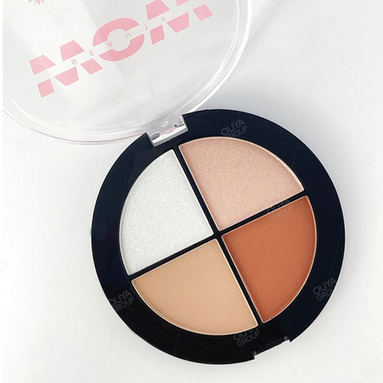
Fig 2: Private Label Available3D CarvedRadiant Contouring Palette (FB0001-A03)
Facial areas need different loading demonstrations
The nose and the jawline provide very different spaces for this same contour concept. Showing a thin nose application requires a much lighter product load. In contrast, a wider application along the jaw needs more product. Always match the teaching instructions to the specific facial area. Do not show every single use with the exact same thick, oversized line.
A single-pot item also requires a logical story about makeup tools. First, display the chosen brush picking up the cream. Next, show the actual placement on the skin. A picture of a heavily coated brush adds nothing of practical value if the final look requires wiping most of that product off on a tissue. An honest, accurate demonstration makes the true intensity range easy to grasp.
This specific product fits inside a broader contour makeup collection. Yet, its one-pot promise remains highly targeted. It provides a few specific facial sculpting spots. A bright highlighting color or a distinct bronzing product does a different job entirely. Those items need their own unique marketing. Stretching this single pot’s claims to include every makeup step simply ruins the main reason for buying it.
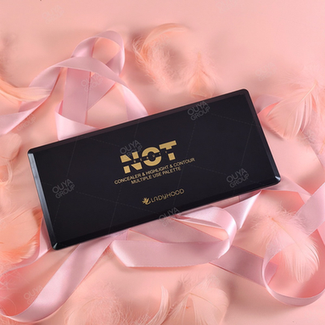
Fig 3: Concealer, Contour & Highlighter multiple use Palette (FB0001-A05)
Formula requests need to preserve the intensity ladder
Adjusting custom formula cosmetics must keep the agreed pickup performance intact. Any change made to make the cream glide better must undergo testing again. You must test it at the very lightest load and at the heavier application. If you skip this, the new sample might feel incredibly smooth in the jar. However, it could completely ruin the specific demonstration that proves the product’s core concept.
Any strict ingredient rule must be part of that exact same testing process. If the ordered version needs a Talc-free formula, you must verify the final ingredient list independently. Simply stating that phrase does not guarantee good pickup. It does not ensure proper shade depth. It also does not prove it works well on other facial areas. You should view it merely as a required formula rule. Never assume that the current sample already meets that specific claim.
The sample review remains clear by asking three main questions:
Does the first load support the soft result?
Does another layer create useful additional definition?
Does each intended placement remain easy to demonstrate?
One pot still needs a realistic shade plan
A small product line does not mean one universal brown color will work for everyone.You must pick the target skin tones for every planned shade. Then, test the complete intensity scale on those specific complexions. A pot that looks perfect with a light touch on one person’s skin might need a totally different color depth for someone else.
The whole concept works well only by offering useful, relevant choices. It fails if it relies on a weak one-shade-fits-all claim.
For private label cosmetics going into US and European stores, this gives small order discussions a very clear goal. The goal is a tight group of shades with an approved, tested demonstration. Always verify the exact numbers for each shade and the packaging setup directly with the factory.
There is no reason to change a simple single-pot launch into a huge palette. You should avoid this until the product’s main promise is completely clear and proven.
A small format needs a clear range of results
The best one-pot contour makeup idea combines careful pickup, useful layering, and exact facial placements. You must approve the softest result first. Do this before you praise the darkest color swatch. After that, verify that the chosen shades truly match the planned skin tones.
This approach changes basic versatility into something you can actually see and repeat in a live demonstration. At the same time, it keeps the product’s promises safely within a believable facial shaping range.
For any specific needs, please reach out to us. We can discuss shade choices and the proper intensity range for your new single-pot launch.
FAQ
Does one pot replace a full contour palette?
It gives a small, handy sculpting choice. Meanwhile, the needed shade range relies on the target skin tones.
Is the photographed cream intended for lips?
The mentioned uses are strictly for facial contour spots. Using it on lips needs a separate check for the final ordered formula.
Does a darker swatch prove better versatility?
No, it does not. True versatility also needs a careful, light application. It also requires a useful buildup between different color intensities.
Is the contour cream sample confirmed talc-free?
That specific claim is not proven right here. You must check the final ingredient list for any requested Talc-free formula.
What makes a low MOQ concept focused?
It needs a small, useful shade group. It also needs an approved pickup test and exact numbers confirmed for the chosen packaging setup.