A lip mud sample glides wonderfully over the hand. However, it often feels sticky once the lips press together. Mixing in a plant oil seems like an easy way to make the texture softer. Yet, the following version might feel heavier. It might also fail to separate smoothly.
For a brand creating a velvet lip color, the real challenge is to separate slip from stickiness. Next, you must discover an oil balance. This balance must maintain the desired finish at the amount users truly apply.
A smooth swipe answers only the first question
Creating non sticky lip mud requires more than a nice initial stroke. Spreading, resting, and the parting of the lips are distinct sensory stages. A sample that excels in the first stage still requires testing in the subsequent ones.
A sticky feeling is an observation of the final formula. It is not a characteristic found in all natural oils.
Slip and stickiness require separate feedback. Tell testers to explain how smoothly the product applies. Then, ask them to note what occurs when the lips press together and part after the product sets. A basic remark like "too thick" leaves many potential issues unanswered. Clearer words give the next sample a specific goal.
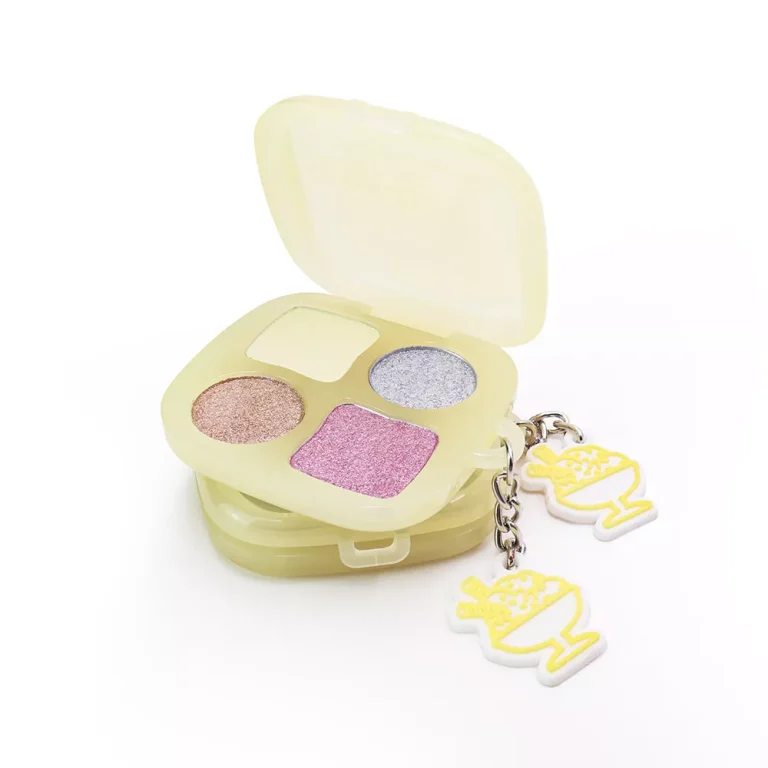
An OUYA BEAUTY lip mud benchmark offers a light, velvet-matte feel for this review. Formula and shade modifications are possible. The benchmark sets a product path. It does not guarantee that any suggested oil blend will yield a non-sticky feel or a specific wear time.
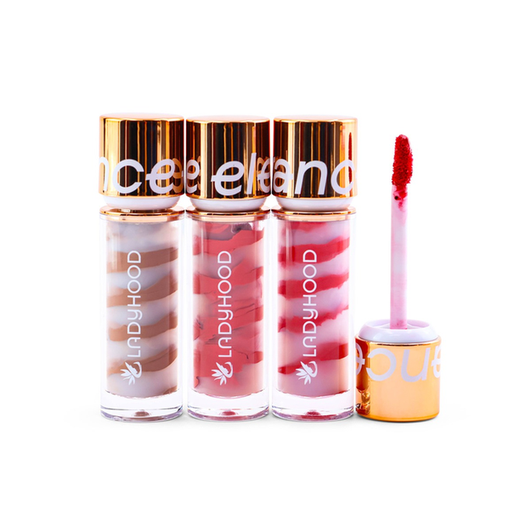
Fig 1: Lip Mud (LGM0001-A08)
Natural oils need a defined role
An oil request must detail the desired sensory shift. Should the next version apply with less friction? Should it feel less dry after setting? Or should it leave a lighter film? These goals are connected. However, they are not the exact same. Deciding on one priority first makes it simpler to judge if the tweak worked.
The total oil mixture is more important than the charm of a single ingredient name. Natural oils do not belong to just one sensory group. Test the suggested ingredient within the entire formula. Test it at the normal application amount. Do not assume that a botanical source guarantees a weightless feel.
Marketing claims around ingredients should only be developed once the product delivers the approved sensory experience.
Glide during application
Application friction happens during the spreading phase. Evaluate the benchmark and the updated sample over an identical area. Use a comparable amount. Note if the pigment applies smoothly. Note if multiple strokes are necessary. Progress here is helpful. Still, it leaves the later stickiness check pending.
Release after settling
Lip parting relates to the settled film. Test it after the exact same waiting period for both samples. Then, test it again after standard talking. Note the feeling separately from pigment transfer. A smooth-feeling parting does not prove transfer resistance. Furthermore, visible transfer does not solely indicate the amount of stickiness.
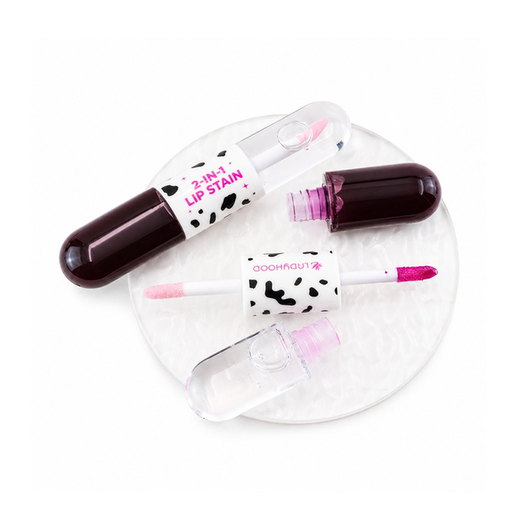
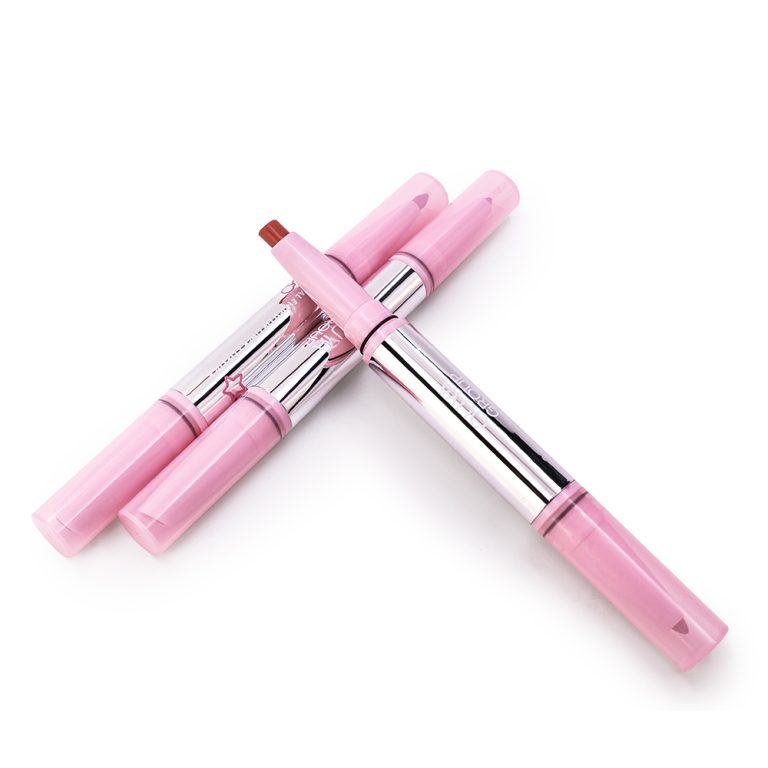
Fig 2: Lip Mud (LGM0001-A09)
A small comparison reveals more than a recipe swap
The upcoming development phase gains from a structured test. Keep the benchmark. Tell the chemist to make one adjustment at a time. The suggested chart below keeps the sensory focus clear. It does not dictate exact percentages. It also does not guess the results of an untried ingredient mix.
|
Sample direction |
Intended improvement |
Attribute to preserve |
|---|---|---|
|
Revised emollient balance |
Easier spreading |
Velvet appearance |
|
Revised applied amount |
Less noticeable layer |
Even color payoff |
|
Revised structure |
Cleaner settled release |
Smooth application |
The prettiest swatch is not always the best choice. A heavy hand swatch might show color wonderfully. Yet, it tells very little about the feel of a standard lip application. Test the intended amount first. After that, look at a thicker layer as a distinct check. This keeps the creation choice tied to the final user experience.
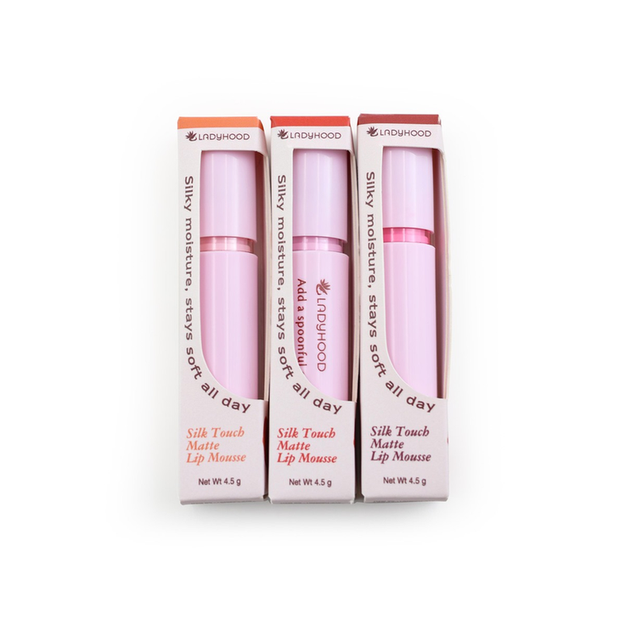
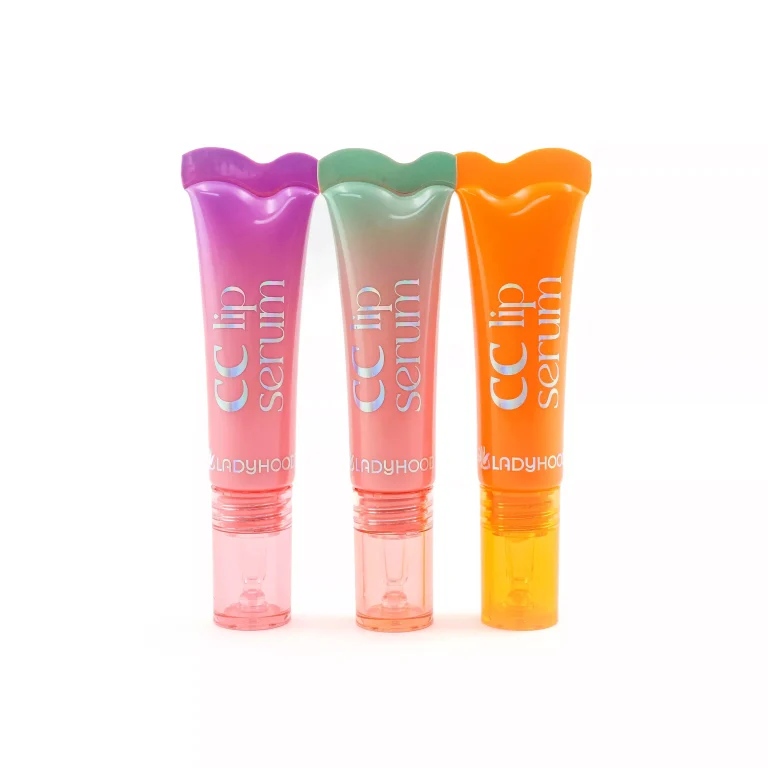
Fig 3: Lip Mud (LGM0001-A10)
Velvet appearance and light feel need separate approval
A velvet lip mousse requires a visual benchmark along with its sensory benchmark. Check the shine after setting under steady light. If an oil tweak helps the slip but pushes the look toward a shiny finish, note that compromise clearly. The group then chooses whether to tweak it again or alter the product marketing.
Extended wear is another distinct issue. The term lasting lip mud requires solid proof for the specific ordered version. A pleasant, low-tack film does not guarantee all-day hold. Keep any wear time claims out of the approval process until the finished formula has proper proof. This includes the standard usage conditions linked to the claim.
The creation of custom formula cosmetics is helpful here. A texture request has several connected effects. Detail the wanted shift and the traits that must stay steady. That gives the producer space to test the entire formula. It stops them from viewing extra oil as the only automatic fix.
Ingredient stories need the final composition
The finalized ingredient list must back up the public oil marketing. Do not view a scent oil, a fruit extract, and a softening oil as swappable items. For instance, the recorded ingredient samples list bergamot fruit oil as a scent component.
That specific fact does not create a rich base oil blend. It also does not represent a full ingredient list.
A private label check requires three clear approvals:
The item’s identity and its planned role.
The real sensory feel in the completed formula.
The text backed by the finalized makeup and testing.
For private label cosmetics destined for US and European markets, lowMOQ projects must follow the finalized formula variant. Confirm specifications for the final formula, shade lineup and packaging with the manufacturing facility. A smallerscale launch works well for targeted collections, yet it cannot replace formal formula validation, nor can it substantiate broad safety or wearperformance claims.
The oil balance succeeds when the whole layer works
A helpful lip mud update fixes the specific sensory issue. At the same time, it keeps the even color and the wanted velvet look. Test spreading and settled parting separately. Keep the usage amount steady. Also, test natural oils as a piece of the entire formula.
The outcome is a sharper creation choice. You can keep the benchmark. You can tweak a certain trait. Or, you can rebrand a sample if its finish has shifted.
For any needs, please reach out to us. We can talk about the texture and shade path for your velvet lip collection.
FAQ
Do natural oils guarantee a non-sticky finish?
No. The completed formula and the usage amount dictate the outcome that requires testing.
Does easy spreading mean low tack?
No. Judge spreading during application and lip parting after setting as distinct checks.
Is lip mousse the same as lip gloss?
The mentioned velvet lip mousse has a velvet-matte path. A shiny outcome shows a different visual goal.
Does low tack prove long wear?
No. Ease and color hold need distinct proof for the ordered version.
Is every fruit-related ingredient a nourishing oil?
No. Verify the ingredient identity and its role. Do not view scent oils, extracts, and softeners as the same.