Kids makeup has to pass two tests at once: it should look fun, and it should leave parents comfortable. That tension appears early, in the pigments and fragrance, long before a carton reaches a shelf. A safer product plan starts there.
Kids Color Products Need a Softer Safety Lens
A child-focused color line cannot simply copy an adult palette. The users are younger, the skin-comfort questions are sharper, and retail reviewers usually want clearer explanations. Pigment choice, fragrance strength, wash-off feel, and label wording all belong in the first sample brief.
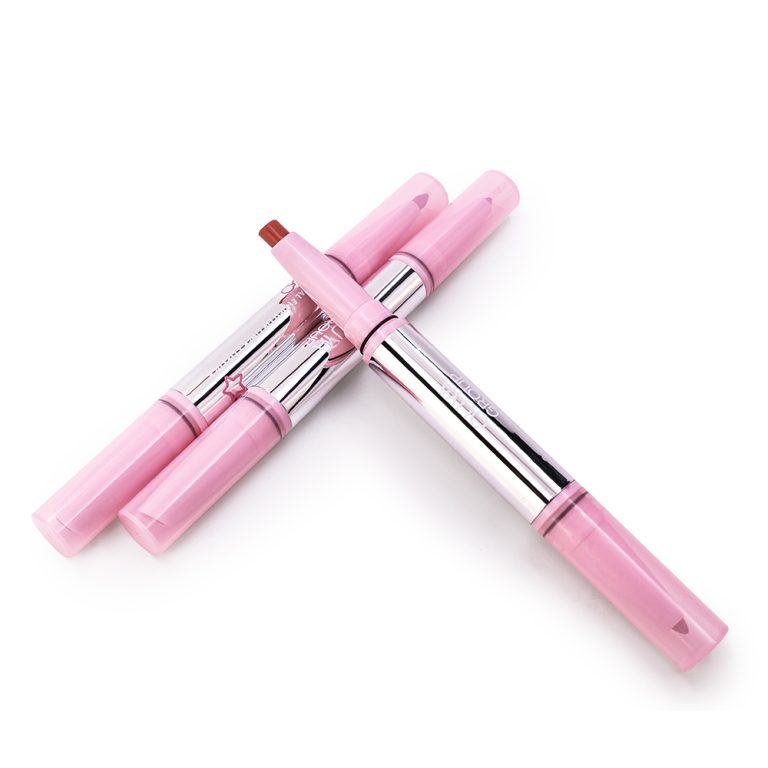
One practical example is a lip-and-cheek balm. OUYA BEAUTY develops children-focused color products with clean production discipline, and this format gives a team two use areas to check. Every shade still has to be reviewed against the area named on the label.
Pigment review
Start by naming the use area. A bright shade may be suitable for cheeks but require a different review for lips or eyes. The decision should be made before the shade enters sample approval, when changes are still simple.
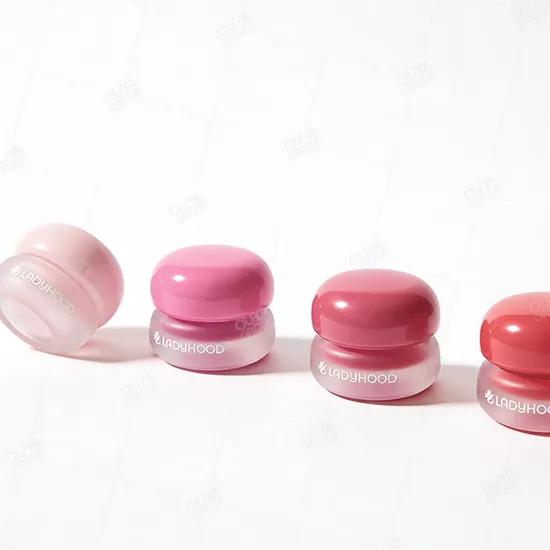
Fig 1: Private Label Soft Mist Dual Effect Lip and Cheek Balm (FBS0001-A12)
Fragrance direction
A sweet scent can be part of the play, but it should not dominate the product. Candy and fruit notes may feel strong on a younger user. A light aroma gives the concept a signal while leaving room for the formula itself.
The same balance applies to sensitive-skin planning. In a child product, “more payoff” is not always a better brief. Softer color, a lighter film, and easy removal may matter more than a dramatic first swipe.
Retail Teams Look for Clear Risk Controls
A buyer reading a kids makeup file is often looking for simple answers. What was checked? How will the color come off? Is the scent likely to bother the user? Claims should use plain wording and stay close to what the formula and test file can support.
| Risk area | Safer control | Retail value |
|---|---|---|
| Bright pigment | Use-area review and heavy metal checks | More confidence in playful color |
| Fragrance | Lower aroma load and allergen review | Softer use experience |
| Residue | Water-washable texture where suitable | Easier parent approval |
| Production hygiene | Cleanroom flow and microbial testing | Stronger release discipline |
Use the phrase non-toxic kids beauty products carefully. A broad safety slogan can create more questions than it answers. Wording about reviewed pigments, wash-off feel, and microbial checks gives a retailer something concrete to assess.
The same principle helps with the product story. Terms such as washable texture, reviewed pigments, soft fragrance, and clean production are easier to support than a promise with no defined test behind it.
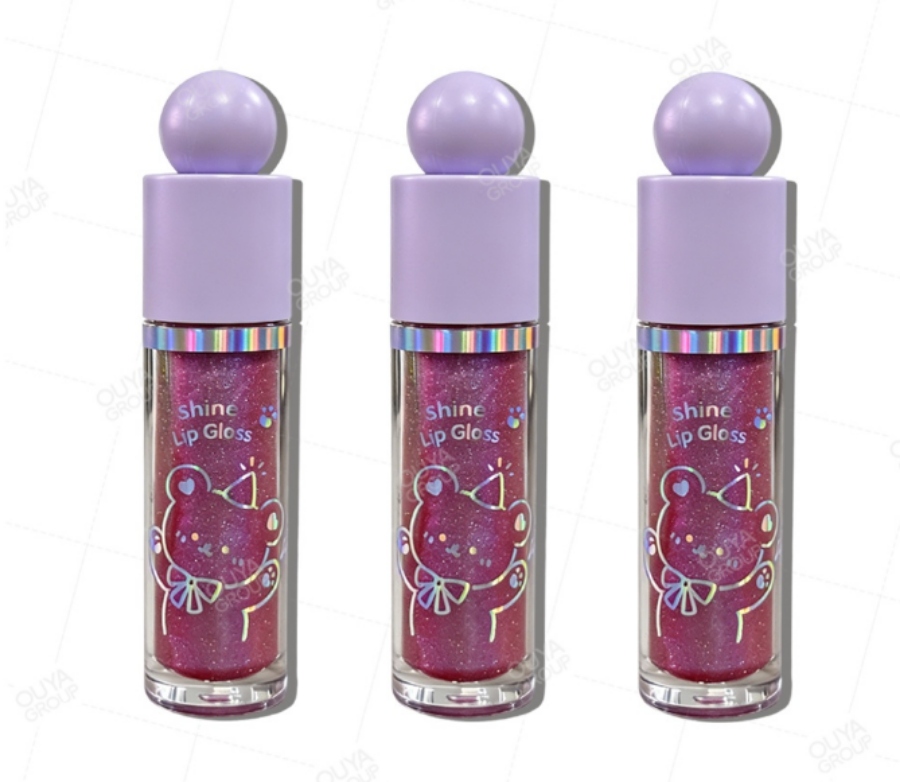
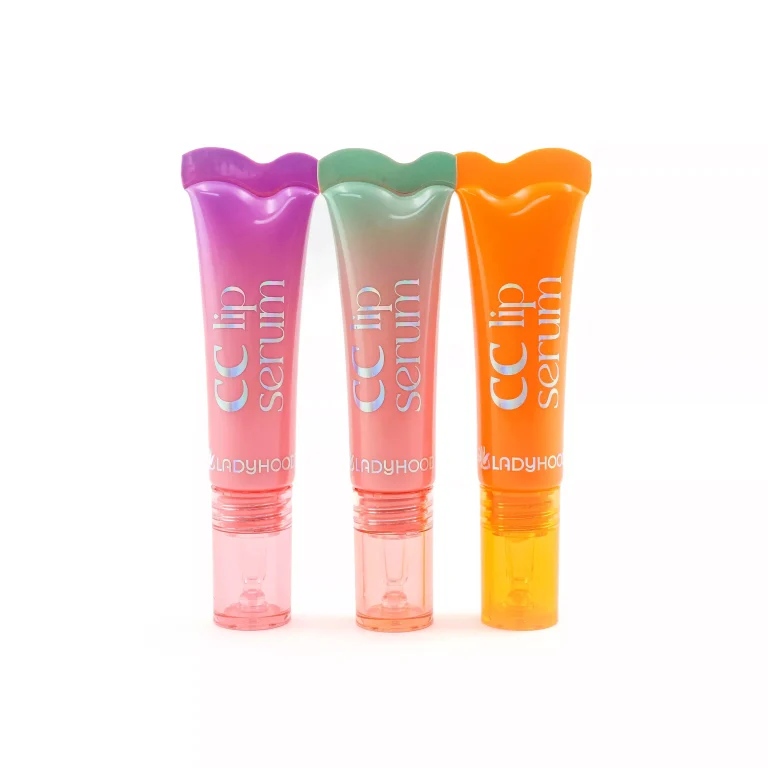
Fig 2: Shimmer Lip Gloss (LG0001-A59)
Playful Concepts Still Need Adult-Level Control
Packaging can promise a unicorn, candy, fruit, or mini salon experience. The formula still has to behave like a carefully reviewed cosmetic. Color, scent, and artwork should be discussed together, but the theme should not push the safety review into the background.
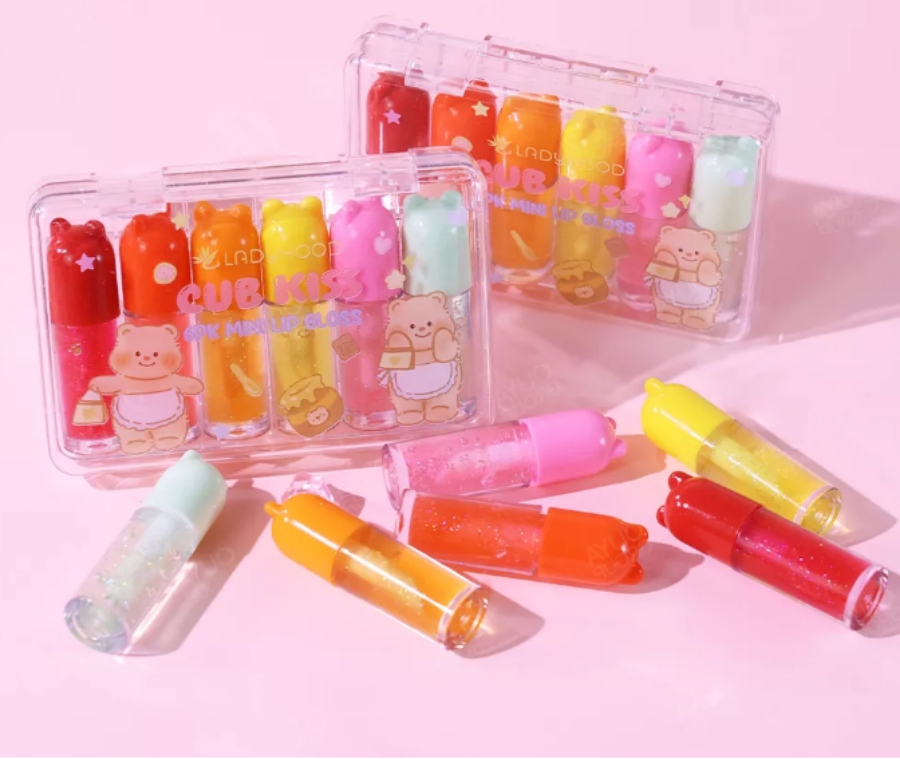
Fig 3: 6 PK Mini Lip Gloss (LLS0001-A07)
A short pre-sampling check helps. Match each shade to its planned use area.
Keep fragrance soft and stable through warm storage tests.
Use clear age and supervision language where the market requires it.
Review removal feel so color play does not leave stubborn residue.
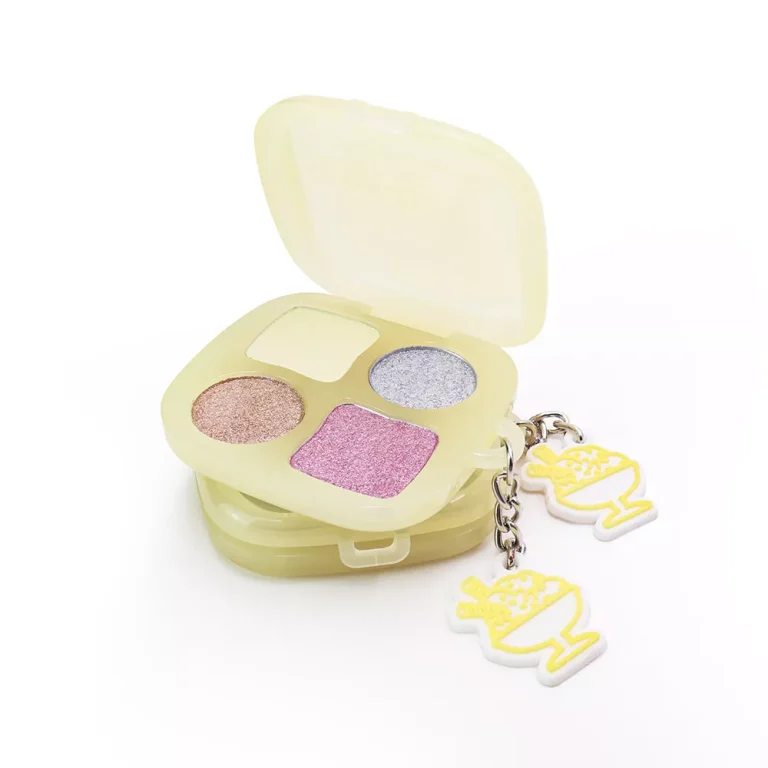
OUYA BEAUTY brings lip, face, and eye experience to kids makeup development. A customizable eyeshadow palette can keep the color story playful while the formula review stays disciplined.
Gift packaging can be loud while the sensory profile stays calm. Bright artwork can carry the fun; the product can remain soft in scent, smooth in texture, and easy to remove after play.
Sampling Needs Parent-Facing Questions
A sample review should sound a little like a parent’s checklist. Shade payoff matters, but so do texture, smell, residue, and the words printed on the package. Those details shape trust before a buyer places the next order.
Home use deserves attention as well. Check closures, applicators, mirrors, and small accessories so the set stays tidy after first use. The small parts can change how easy the product feels to handle.
Keep a retained sample set for color, scent, texture, and removal feel. It gives the brand a reference when a later order adds a seasonal shade or a gift version.
Seasonal sets are a common point of drift. Holiday colors can tempt a team to add more pigment, so a fixed safety-first standard helps novelty stay within the same comfort and removal limits.
Use tests
Use testing should cover application, playtime wear, and removal. A child cosmetic safety plan is stronger when the formula feels light, spreads evenly, and rinses or wipes away as intended.
Market files
Western retail review often asks for formula documents, test support, and responsible claim wording. A private label cosmetics ODM partner with export dossier experience can help keep those files aligned with the product story.
The review path also includes the accessory set. Brush, applicator, tray, and sticker sizes and materials should suit the same age range as the makeup.
Summary for Kids Makeup Development
Safer kids makeup is decided in small steps: pigments, fragrance, wash-off feel, and claim language. The finished pack can be playful. The development record behind it should still be disciplined.
Before the first lab round, share the target age range, use areas, shade style, scent direction, removal target, market, and packaging concept. That brief gives the team something specific to sample against.
FAQ
Why are pigments reviewed differently for kids makeup?
Kids makeup often uses bright shades, but the intended use still matters. Review a color for lips, eyes, cheeks, or nails before launch because those areas do not share the same requirements.
Does fragrance belong in every kids product?
No. Give fragrance a clear job and keep it soft. Depending on the age range and market, a very light aroma—or no added scent—may make more sense.
What does water-washable mean in development?
It means the texture is designed for easier removal under normal use. The claim still needs testing because pigment load and film strength affect what remains on the skin.
What inputs help prepare kids makeup samples?
Share the age range, product format, shade mood, fragrance preference, removal target, market, and retailer wording limits. Those details keep the first sample round focused.