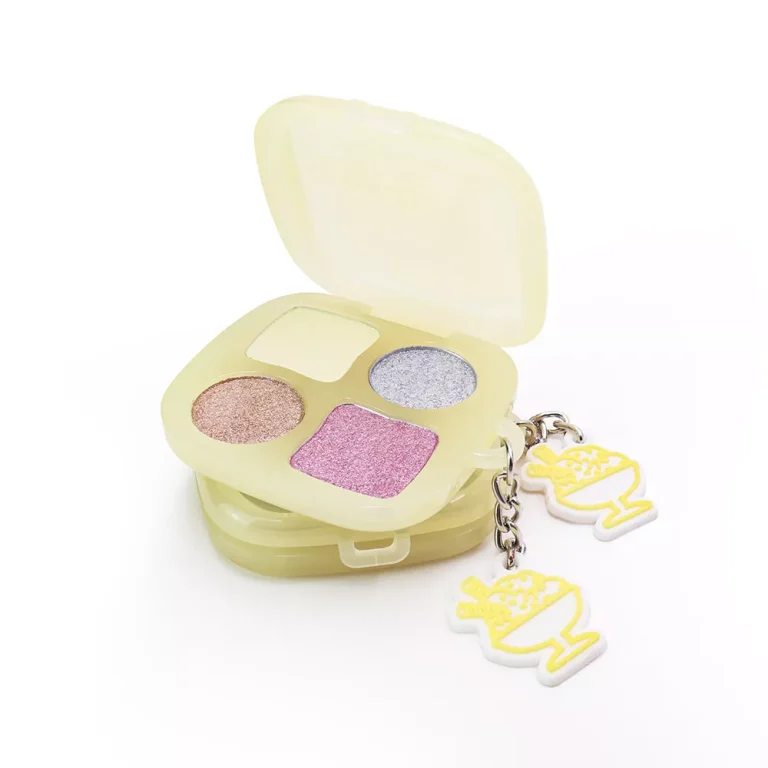
A floral design on a makeup pan shows its true value only when the cosmetic remains easy to pick up and apply. Visual details matter significantly during a new product launch. Color payoff and surface texture have to work well together. This balance needs to last from the first sample through everyday wear. Because of this, embossing acts as a crucial element of product quality, rather than just a basic design choice.
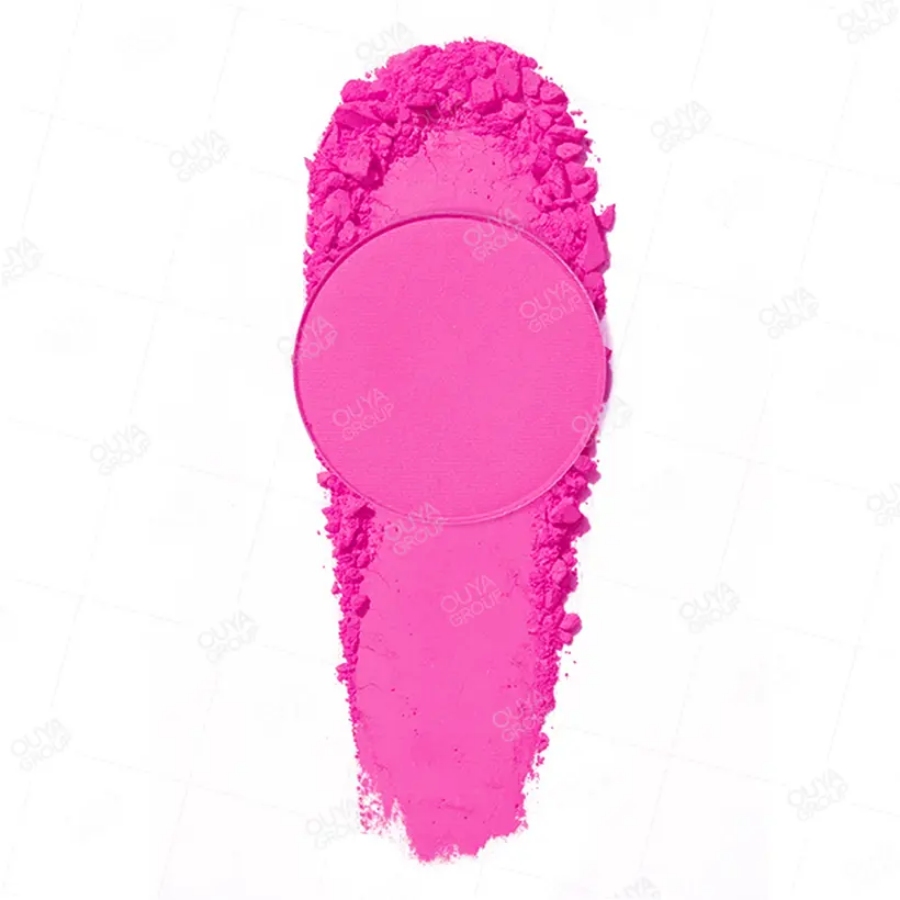
Fig 1: Lovely Blusher (FBP0001-A08)
The pattern needs room to survive first use
A deep floral stamp easily grabs attention inside a closed compact. However, the actual test begins once a brush sweeps across the pan. Raised petals might break down too quickly. When this occurs, the pattern loses its crisp shape. The surface could also release too much loose powder. Conversely, a shallow stamp usually looks very delicate. Yet, it might wear away completely after merely a few uses.
A floral embossed blush offers a pressed powder blush formula with a remarkably distinct surface. At the same time, a highly pigmented project demands a specific color payoff target. Checking samples connects the depth of the pattern directly to the pressed texture. Teams need to conduct a visual inspection before any use. They must evaluate it again after a set number of brush strokes. Handling the compact provides additional clues. These procedures reveal whether the design remains clear. The primary goal is to prevent the pan from becoming a fragile display piece.
Make pickup part of the design review
Brush pickup shows if the raised shapes change how individuals use the cosmetic. The first brush strokes usually gather pigment mostly from the highest points. Afterward, the lower areas begin to release color evenly. A comprehensive review tracks the exact volume of product picked up. It also evaluates how well the color blends into the skin. Reviewers need to observe if the pattern disrupts a smooth and repeatable application.
The idea of powder fallout needs a precise definition. A small amount of dust on the edge of the compact is standard. This varies greatly from noticeable crumbling or significant product loss. It is also distinct from powder falling heavily during makeup application. Accurate terms make team feedback highly useful. This method functions much better than a basic pass-or-fail statement.
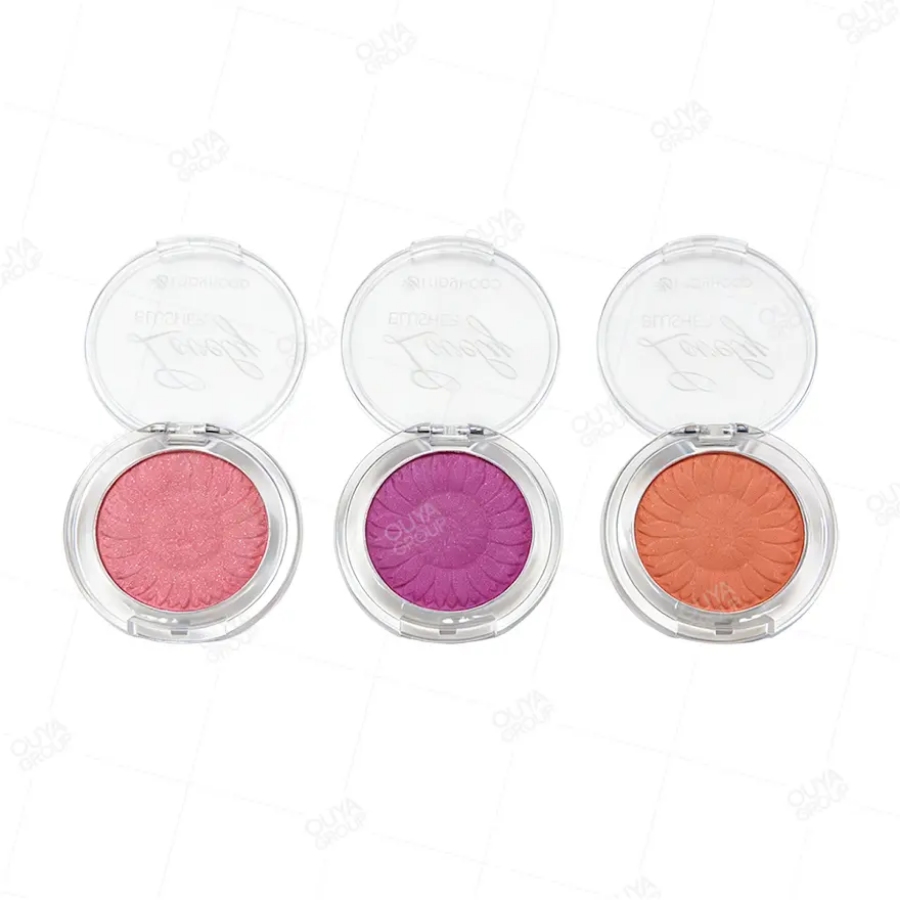
Fig 2: Lovely Blusher (FBP0001-A08)
High pigment still needs a controlled first layer
Strong color payoff looks impressive during a quick swatch test. Nevertheless, a launch sample needs to show proper color buildup. A highly pigmented cosmetic could look too intense. This situation happens if the first brush contact lifts an excessive amount of product. Testers ought to review one light sweep initially. Then, they should apply a second layer. This technique helps the team determine if the color offers a manageable range.
OUYA BEAUTY supplies a floral embossed blush that features fine powder and a buildable flush. It also provides a subtle luminous finish alongside smooth pickup. These particular traits demand practical sample evaluations. However, these checks do not replace full production testing. Reviewers have to look for consistent color performance. They must also verify uniform surface behavior across multiple compacts.
Record the same checks across samples
A useful review card tracks the appearance of the pan. It monitors brush pickup, blending edges, and compact cleanliness. Testers must utilize the exact same brush type every single time. They also need to keep the number of strokes consistent. Occasionally, reviewers switch their tools or change their hand pressure. When this happens, their feedback reflects different testing conditions. It does not indicate a true difference in the formula or the pressing technique.
Within private label cosmetics ODM, a Talc-free formula frequently acts as a common base. It directs the development of eyeshadow, blush, and pressed powder projects. Teams have to review each selected mixture carefully. They assess the pickup, blending, and color buildup. This routine links the ingredient selections directly to the final consumer application. The final ingredient list will accurately show the approved makeup composition.
Embossing projects demand strict approval guidelines. Teams typically approve the 2D artwork initially. Following that, they assess the physical sample. They check for clear patterns and appropriate brush pickup. Sometimes, the design shifts after the factory presses a sample. In that case, the team must evaluate the updated pan. They should never carry the previous approval forward automatically. The physical surface, pressing depth, and pigment color function together. They dictate if the visual motif appears correct.
Thorough handling notes help distinguish purely visual flaws from actual formula issues. Testers should record if powder gathers near the hinge. They must note if color transfers onto the lid. They should also observe if the surface loosens only after numerous brush strokes. These detailed observations create productive discussions with the development team. This is far better than merely stating the compact looks messy. Clear notes assist brands in deciding which specific fix to address next.
|
Sample evaluation |
Key observation |
Project decision |
|---|---|---|
|
Embossing details |
Pattern state before and after use |
Keep, simplify, or modify depth |
|
Brush pickup |
Volume transferred per sweep |
Define application expectations |
|
Powder fallout |
Dust, crumbling, or heavy loss |
Distinguish minor dust from failure |
|
Pigment build |
Single sweep and layered results |
Verify the color range |
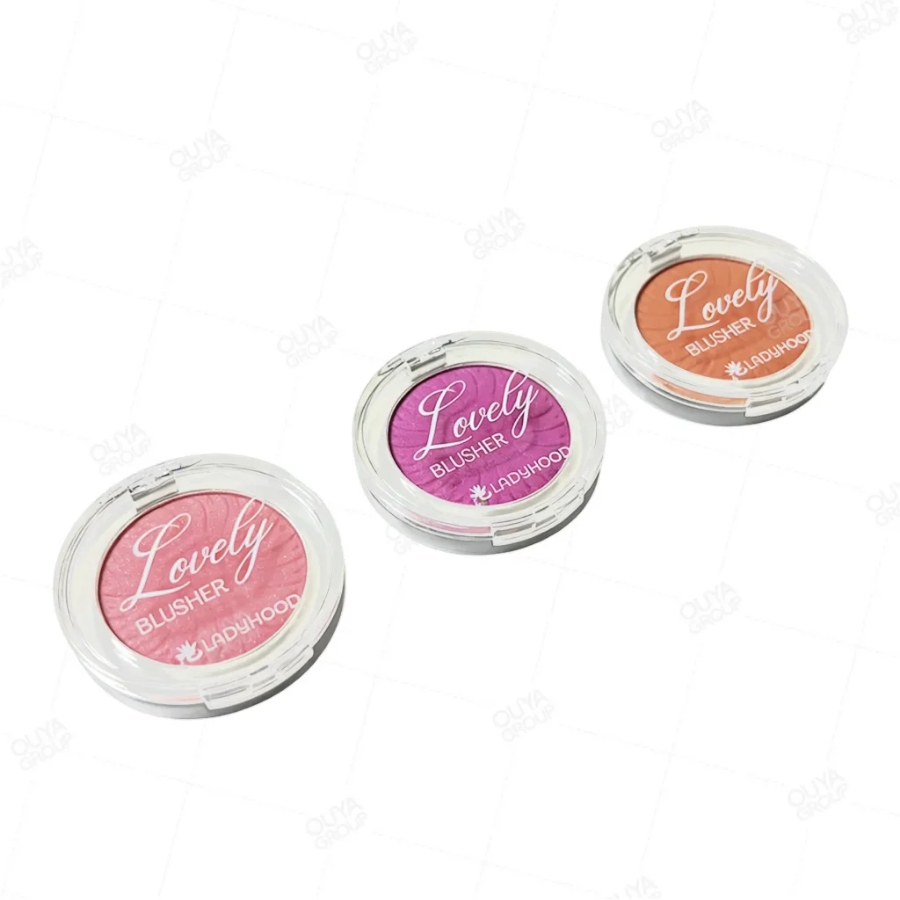
Fig 3: Lovely Blusher (FBP0001-A08)
Packaging protects the surface after approval
An excellent pan might still experience surface damage during transit. This occurs if the compact fails to safeguard it adequately. The overall fit, the closure mechanism, and the internal space are highly important. They represent vital aspects of the review process. Embossing introduces a distinct visual element. Customers observe this detail immediately. As a result, teams must examine the sample inside its final compact. They should never evaluate it simply as a bare pan.
OUYA BEAUTY incorporates floral designs within its blush collection. The company points out that this pattern supports very even pickup. A brand investigating this option could compare a basic surface against a complex motif. Afterward, they can select the version that best balances visual shelf appeal with everyday usability. Combining the approved pan with its matching compact is crucial. It provides all formula and packaging discussions with a solid, dependable reference point.
A small set of checks keeps the brief focused
The most effective product brief links the floral design to several core observations. These involve pattern retention, brush pickup, and color buildup. They also address powder fallout and compact protection. This clear sequence provides the development team with sufficient room to formulate a unique cosmetic. Simultaneously, it keeps the final launch decision firmly rooted in actual usability. It prevents decisions based entirely on visual appearance.
Our experts will review the embossing style alongside your team. We also discuss the pigment payoff targets and the low MOQ sample requirements together.
FAQ
How does embossing affect pressed blush?
It changes the visual texture of the pan. It can also influence how the brush picks up pigment during early uses.
What does powder blush without fallout mean?
A powder blush without fallout means that product loss remains strictly controlled. This applies during both brush pickup and facial application under standard testing conditions.
How is a floral blush pattern reviewed?
Testers inspect the pan closely prior to use. They evaluate it again after executing consistent brush strokes and standard handling.
Is this blush confirmed as talc-free?
The exact ingredient list requires final confirmation. A Talc-free formula remains a specific option depending on your project brief.
What sample details help approve a launch?
Important details include pattern durability, smooth pickup, and proper color buildup. Secure compact fit and dependable reference samples also hold a major role.