A makeup lineup might look huge on a standard color chart. Even so, it can still leave shoppers struggling to find a color that actually fits. This gap often happens between the total number of choices and how well they handle different depths, undertones, and coverage needs. A solid product launch treats inclusivity as a hands-on testing phase. It means more than just bragging about a massive color count. This approach gives every single sample a clear, useful role in the whole collection.
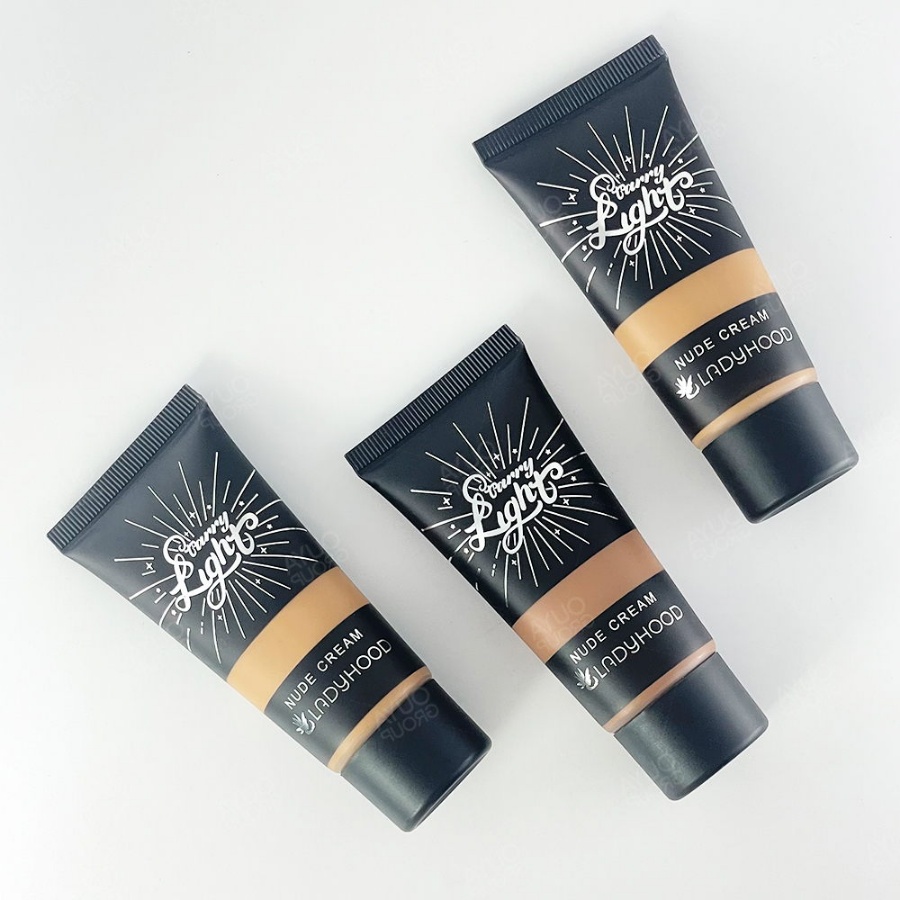
Fig 1: Nude Cream (FCC0001-A03)
Shade variety starts with a map of real differences
A smart collection splits color depth from the base tone. Two choices with very similar lightness levels can look totally different. This is especially true when one has a warm golden tint while the other leans cool or neutral. These subtle details can easily get lost on a basic color chart. Because of this, a brand team might greenlight a lineup that looks flawless on a computer monitor. However, that same lineup often feels repetitive on real human skin.
A color map gives a distinct, working job to every sample. It tracks the lightness, the exact undertone direction, and the specific coverage level. It also records the planned gaps between similar choices. The main goal is not just to fill empty slots. Instead, it makes sure that a buyer browsing the collection spots helpful, obvious differences instead of near-duplicates. This clear strategy directly supports inclusive foundation shades that shoppers can accurately compare.
Use a consistent set of comparison points
Color swatches are much easier to evaluate when testing conditions stay steady. Testers should put the exact same amount of product on the same kind of surface. They also must use identical lighting setups and the same waiting times for every single choice. This strict consistency makes visual differences much easier to catch. A quick blending test along the outer edge of each swatch is also very useful. It shows if a color that looks right in a thick stripe starts to shift once you rub it out into a thin layer.
A hands-on review records how the makeup actually behaves. It does not just trust the printed name. Testers can watch if a color turns pink, yellow, grey, or orange after they blend it out. They can also check if that color shift is big enough to ruin the final look. These careful notes help prevent a very common error. That error involves adding more colors without actually solving a real matching issue.
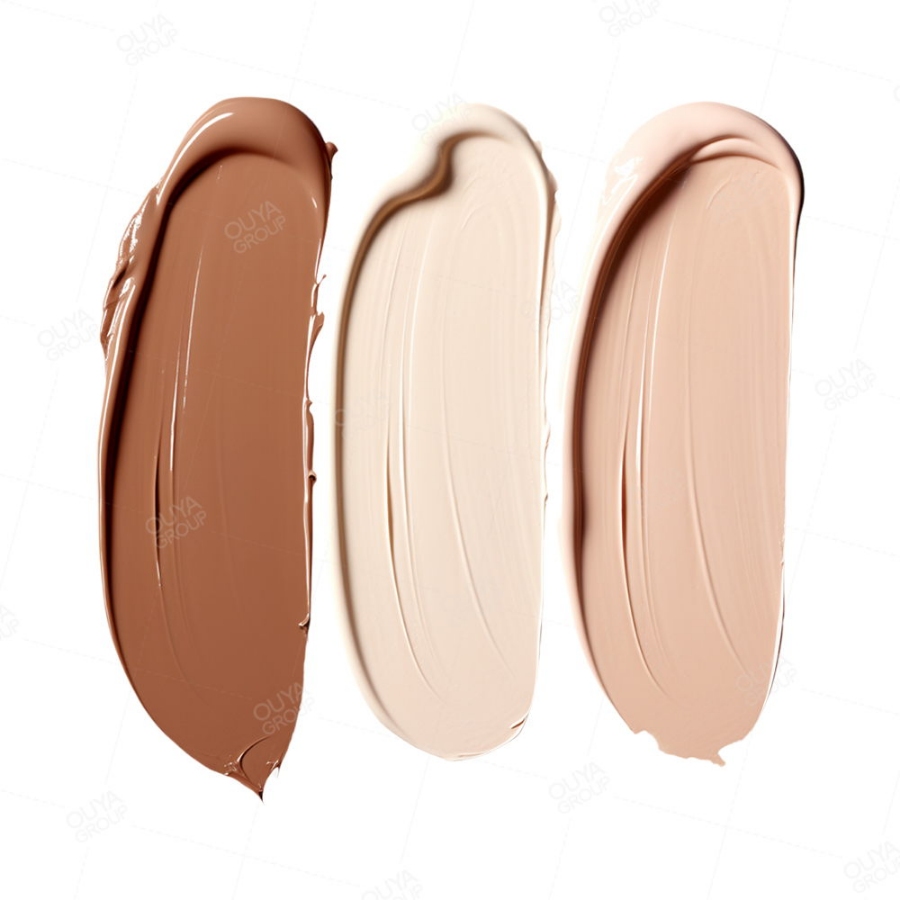
Fig 2: Nude Cream (FCC0001-A03)
Coverage changes how a shade reads
The amount of coverage heavily impacts the final look of a color. A very sheer layer lets more of the natural skin tone show through. On the other hand, a thicker coat pushes more of the actual product pigment to the top. Because of this fact, a collection built for buildable wear needs careful testing at several application thicknesses.
OUYA BEAUTY offers a cream product with a sleek, buildable texture. It aims to balance skin tone and hide pores and fine lines. This product description alone does not set a strict color count. It also does not promise a flawless match for every single buyer. However, it does point out a crucial testing question. Does the picked color stay stable as you stack on more layers? A private label foundation range will definitely gain from this sort of documented check.
Test the transition between adjacent shades
The gaps between colors need just as much attention as the lightest and darkest edges of the scale. Brands must place similar choices right next to each other. After that, they can judge if the shift feels smooth, abrupt, or totally unneeded. A good transition test also helps business teams. It lets them spot exactly where a fresh color would upgrade the whole collection.
A huge product catalog rarely needs to drop all at once. A focused starting lineup can easily cover the most frequent customer requests. It can then grow later when user feedback points out a specific missing color. A low minimum order quantity (MOQ) manufacturing route backs up a safe, step-by-step pilot plan. This works great as long as the brand clearly picks which feedback will drive the next color update.
|
Review factor |
What to log |
Why it counts |
|---|---|---|
|
Depth |
Spot from light to dark |
Shows the full spectrum range |
|
Undertone |
Warm, cool, neutral, or mixed |
Tells similar choices apart |
|
Application |
Sheer and heavy coats |
Tracks color changes |
|
Blend edge |
Visible line after rubbing in |
Points out correct pairings |
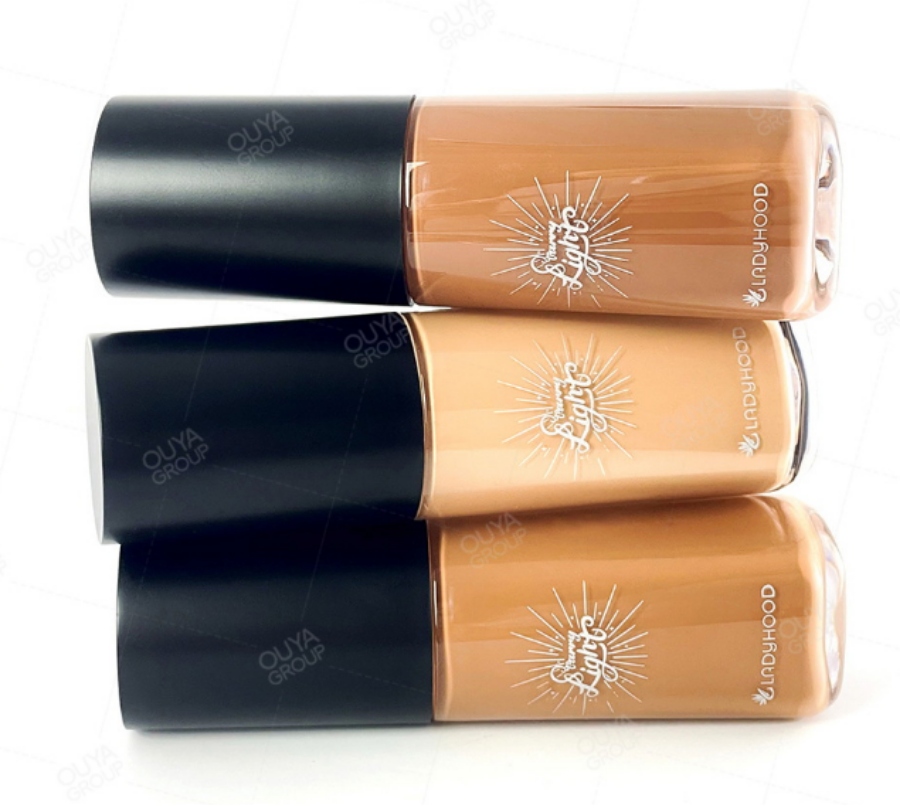
Fig 3: Private label Nourishing Liquid Foundation (FF0001-A06)
Keep the approved shade reference usable
Once a color direction gets the green light, you must keep the physical sample and its testing notes grouped together. They need to act as one solid reference guide. A short record should list the exact formula, the color name or code, and the rubbing technique. It must also detail the precise lighting setup used during the check. Together, these details provide development, marketing, and factory teams with a consistent shared baseline.
Box art and product photos also shape how a collection looks before a shopper even touches it. Digital screen colors are handy for online shopping. Even so, they can never truly take the place of real physical test samples. A brand can use a digital chart to map out the basic color order. At the exact same time, they must tie any strict claims about undertones or finishes straight back to the approved physical samples. For items like eyeshadow, blush, or pressed powder made with a Talc-free formula, this exact same reference habit guarantees high quality across the whole brand.
Color names also need a strict, practical review. Words like sand, honey, or walnut can definitely help sort a makeup line. Still, on their own, they never promise a strict, predictable undertone. Brands must link a catchy name with a hard physical benchmark. Next, they have to uphold that rule across sample tags, sales papers, and future factory runs. This easy habit drops the risk of staff members confusing each other when talking about different items under the same casual name.
For a private label foundation range, crafting inclusive foundation shades relies completely on clear depth and undertone choices. At the same time, makeup built for diverse skin types needs strict checks under steady lighting setups. Custom color picks work best when they grow from direct sample feedback and a thorough color map. Collecting thoughts from several testers adds great value. This holds especially true when those people have different skin depths and undertones. A basic review sheet logs if a color blends flawlessly, shifts weirdly, or leaves a hard line after putting it on. The main goal is not to force every single person to act as a universal product tester. Instead, the target is to spot common, repeated flaws. From that point, the team can figure out if the collection needs a tweak or just a clearer guide on how to use it.
At OUYA BEAUTY, a product development meeting merges the color map, the formula targets, and the packaging layouts into one clear project plan. As a result, this provides internal stakeholders with a solid shared baseline for crosscomparison against other complexion products.
A range succeeds when each shade has a job
A varied makeup lineup looks much more genuine when every single color handles a specific task. On top of that, similar choices must stay easy to tell apart during actual daily wear. Smart color mapping, steady testing rooms, and a locked-in physical standard hand companies a highly potent plan. This tactic helps them boost product fit without leaning strictly on a giant total color count.
Our staff will closely look over a proposed color map, the sample targets, and the low minimum order pilot plan right alongside your own brand team.
FAQ
What makes a foundation range feel more inclusive?
Clear depth and undertone picks, judged side by side in steady testing rooms.
How do teams review foundation shade matching?
They check product swatches using steady application layers, identical lighting rigs, and equal blending steps.
Does a larger shade count guarantee better inclusivity?
No. Every single choice needs a specific role and a totally visible difference from the colors sitting right next to it.
Why test more than one coverage level?
A sheer coat and a heavy coat can easily reveal a completely different undertone mix.
When is a shade map ready for sampling?
It is ready once the depth, the undertone, the physical benchmarks, and the exact testing setups are fully logged.