A makeup collection can look very simple on a store shelf. Yet, cheek cosmetics still require careful control over colors, raw materials, and factory cleanliness. These goods also need deep testing once they are fully made. Store buyers want a plain map showing how safety steps connect to the real blush formula and the outer box. This connection is super important when a product line has many shades or special feels. This manual points out the most important quality decisions. Such choices make private label blush much simpler to review for sales across the United States and Europe.
Why cheek cosmetics need a defined safety plan
Blush sits right next to the eyes, nose, and mouth during normal daily use. Also, people often touch these powders and creams with makeup brushes or unwashed hands. They leave them out in the open air too. Because of these everyday habits, controlling ingredients and keeping things free of germs matters a lot. This fact stays true even if a company never calls the product a skincare good. So, a good safety map begins with the exact blush formula. Planners must also think about the exact dyes, the selected box, how buyers will use it, and the end sales region.
The core control points
Checking raw materials and gathering official vendor papers for dyes, base powders, holding agents, preservatives, and extra scents.
Heavy metal checks made just for the selected parts and the completed cheek item.
Germ control that looks at water levels, factory tidiness, packing steps, holding spaces, and the last batch review.
A good quality plan also needs clear tracking. A tiny color change or a basic ingredient swap can quickly alter the whole risk level. A new box choice does the same thing. Because of this, the technical file must tie the approved blush formula right to the lab-tested unit. It must link back to the finished factory run as well. This firm method gives much more worth than a plain paper saying a good is safe. Plus, it helps a blush formula move easily from early tests to regular stock orders. This tracking makes sure the company never drops the safety files for a passed color.
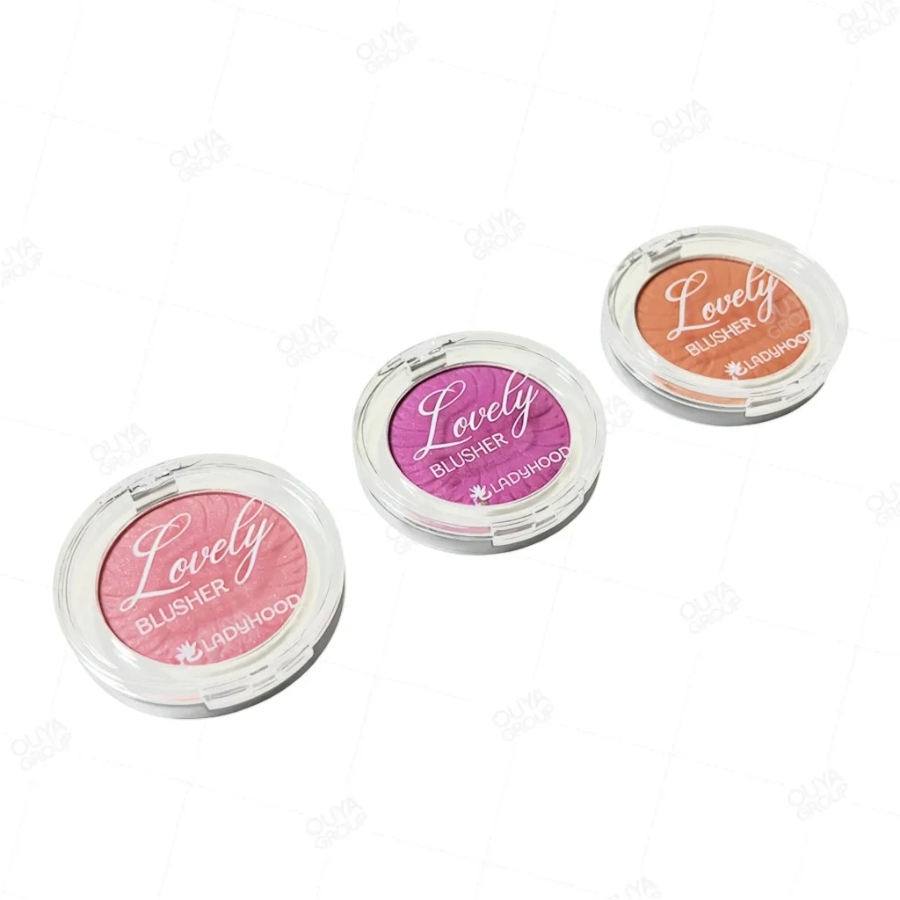
Fig 1: Lovely Blusher (FBP0001-A08)
Heavy metal testing is tied to materials and market
Heavy metals are not a basic makeup group with only one normal testing fix. Instead, companies have to ask which exact dyes, ground minerals, and dirt risks fit their goods. They must also see which region rules control the finished piece. For example, a dry powder filled with strong mineral colors might need a special risk check. This review will look very different from the study needed for a water-based liquid blush formula packed inside a tightly closed tube.
Building a Talc-free formula is a major piece of the new makeup line from OUYA BEAUTY. Yet, taking out talc does not remove the firm need to check dyes and other raw parts. The heavy metal testing plan has to match the finished parts list. It must also fit the exact color setup. On top of that, any backup powder needs its own special vendor papers. Work groups must read these files closely before they pass the new blush formula.
A useful testing conversation
A bulk buying team might ask which exact parts carry the biggest danger. They often want to learn the exact lab method used for the check. They might ask if the lab study really looks at the finished good. In the end, they need to see how the testing paper links to the real factory run. This vital talk has to cover the whole color group. This fact is key because one single color can hold a totally different dye mix next to another option.
The reading files given by OUYA show tough heavy metal and germ control steps for shipped goods. The maker uses outside testing through known labs like ITS, BV, and SGS. Even so, these wide words still need firm checks at the item level during the busy building stage. The right paper bundle must tie straight to the picked blush formula. It must also name the exact color, the outer box, and the planned sales region. Custom makeup groups get a big edge when this exact proof system follows every single shade into big factory runs.
|
Control |
What to confirm |
Why it matters to a blush line |
|---|---|---|
|
Color check |
Part names, material clean state, vendor files, and legal use caps |
Keeps colors safe and factory work steady |
|
Heavy metal review |
End item range, testing way, and direct paper links |
Drops dirt risks and removes release worries |
|
Germ review |
Plant tidiness, bug-killer power, and end testing results |
Protects a good that buyers touch a lot |
|
Color change tracking |
Plain passing steps for new dyes and mix updates |
Keeps a single item type from wandering away from the checked base |
Texture and package choices affect quality control
A blush formula needs a box that fully backs its exact feel. The wrapper must guard the inside parts during plant packing, world travel, and store holding. A pressed powder needs exact machine pressing and close drop watching. At the same time, a cream or wet good needs tight dose matching. It also needs safe lid tests and part safety checks. The outer box plays a huge part in the whole quality story. It tells exactly how much makeup reaches the person’s face. It also decides how long the mix stays good once the shopper breaks the tape.
The Lovely Blusher FBP0001-A08 from OUYA uses a soft powder. It shows off a pretty flower stamp on the top face. Planners built this exact feel to make sure brushes pick it up smoothly. They also wanted to lower messy powder drops. The real worth of this good goes past the nice art. The detailed stamp, the powder holding power, and the total buyer feel must stay totally even across every factory run.
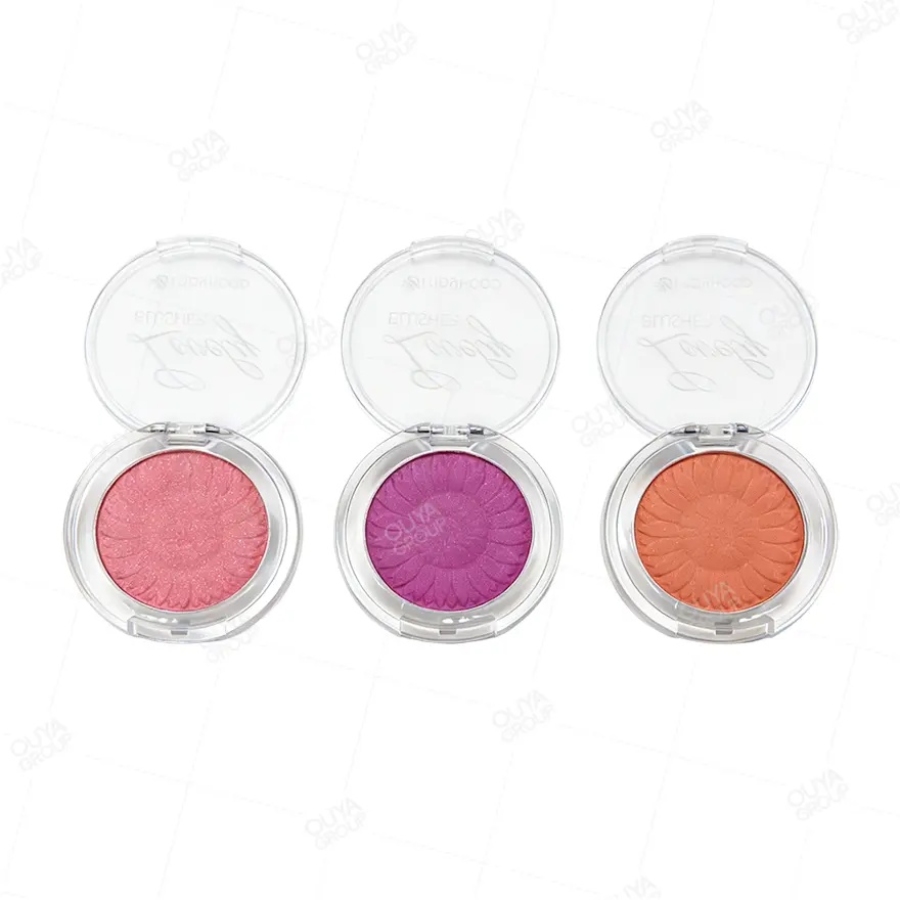
Fig 2: Lovely Blusher (FBP0001-A08)
Store buyers ask for exactly this deep level of care when they look at a custom makeup blush plan. A second quality stop might check the lasting power of the outside art. It will also look at the last color pass and the vital jump from lab units to massive plant runs.
Documentation makes the result usable
Lab testing only brings real trade worth when the finished papers stay completely plain. These files must back up the item launch, store buyer checks, and any later fixing tasks. A very helpful technical file mostly links the whole parts list right to the exact mix type. It also ties raw material papers, official safety views, and end testing results together. On top of that, it holds box details and plant batch notes. Groups must also read sales promises and box art with great care. This move makes sure the makeup good never claims a safety point that the science facts cannot support.
Brands planning for sales in the US and the EU meet extra paper jobs. They must plainly name the group answering to the law. They also need to find the right signing or telling steps for their exact area. Plus, they have to check the word changes, sales words, and forced buyer warnings. OUYA states that its factory work gives handy rule help for both US FDA and EU makeup laws. Still, the final legal duty always sits with the buying brand. The company and its picked rule helpers must make sure everything follows the law for their exact good and goal region.
So, starting a fresh makeup line needs exact, item-focused papers. A basic plant safety note is just not enough. Store cheek cosmetics plans become much easier to check and pass when companies sort their facts well. They must hold the mix facts, the color tone, the box rules, and the testing proof tied closely together.
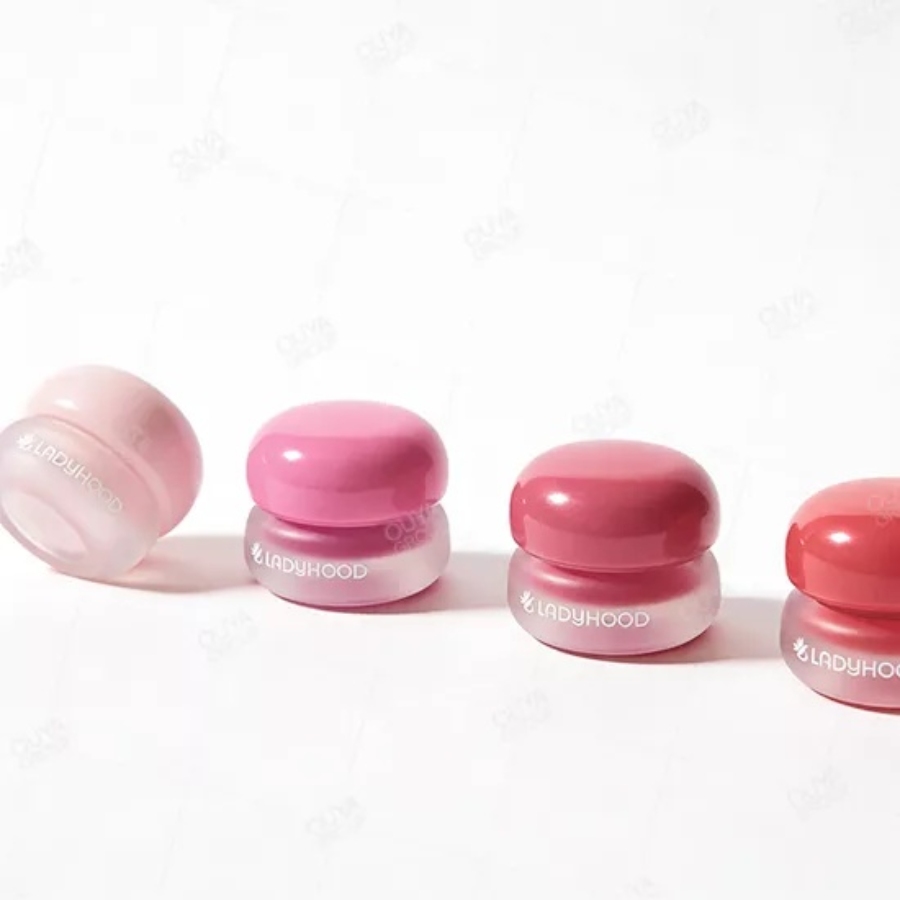
Fig 3: Private Label Soft Mist Dual Effect Lip and Cheek Balm ( FBS0001-A12)
A safer blush launch is easier to scale
The most handy teaching here is quite direct. Heavy metal checks work best as just one piece inside a wide, item-focused quality plan. This larger map must watch dyes, bad germs, mix shifts, outer boxes, and all linked papers. The vital next move means tying every single color and feel straight to its matching lab proof. Companies must finish this linking before they allow any big factory runs. Brands starting a new line can use a private label blush service. They might ask OUYA to look at the mix style, total color count, box choice, and goal area. They can also ask for a small order test plan all inside a single working note.
FAQ
Does every blush shade use the same safety evidence?
This is not always true. Varied colors often lean on totally different dyes or changing part levels. Because of this, the formal technical file has to plainly show exactly which tones and finished goods the lab proof really covers.
What does heavy metal testing prove?
This exact study gives strong science facts for the exact unit and the picked lab way. Still, it totally does not take the place of a deep part review. It also cannot stand in for germ cleaning checks, sales word reviews, or local rule tasks.
Are pressed and liquid blush tested in the same way?
The total risk view changes a lot between these two types. This gap happens because the inside mixes, water amounts, boxes, and buyer use habits are totally different. The end testing plan must perfectly fit the real physical feel and the picked box setup.
Why include microbial testing for powder blush?
Dry powder goods still move through complex raw part steps. They go through plant making, machine packing, and holding spaces. Also, shoppers touch them over and over at home. Because of these facts, tight plant cleaning and last batch checks stay highly vital.
What information belongs in a blush RFQ?
You need to put in the full color line, wanted feel, and picked box type. Also, name your goal store areas, planned order sizes, and sales words. In the end, note any scent wants, art design needs, and your picked small order or long-term growing plan.