When a foodlicensed brand expands into beauty, it needs to translate wellrecognised visual cues of flavor, colour and silhouette into a viable cosmetic product that conveys credibility at retail.The best projects link visual brand traits with easy daily wear. They also need smart shade choices. In addition, the container must keep the mixture safe. This guide outlines key design choices. These steps help a licensed foundation makeup range stand out. At the same time, they stop the product from looking like a mere toy.
The package has to carry the brand idea
Food IP packaging succeeds when buyers spot the brand instantly. They should know the brand before reading the text. Yet, they must also grasp the product’s main use. A soda, candy, or snack theme can shape the colors. It can also guide the shape and the outer texture. However, the base makeup must show a clear skin-enhancing purpose. This fine balance is vital. It divides a practical licensed good from a simple collector’s piece. A collector’s piece rarely gets bought twice. A cushion foundation idea requires this exact clarity on the retail shelf.
Three cues deserve early alignment
Color matching must stick to the official brand guidelines. Meanwhile, it must keep the makeup shades easy to read in stores.
The shape and lid parts must handle everyday opening. They also need to allow safe travel and steady product dispensing.
The front label requires a basic product hint. This could be terms like foundation makeup, BB cream, or face cover.
A fresh idea scales up much better when teams set these rules early. They should do this before making the molds. OUYA handles packaging design and color matching for food-IP items. The company also matches scents for licensed beauty tasks. Its product lineup covers face, lip, and eye goods. This wide scope helps partner teams. It keeps a foundation makeup plan linked to a larger joint effort. Therefore, the container is never seen as just a random decoration.
This exact planning talk gives the group space to review different options. They can compare foundation makeup styles before picking one container family. This early check is very helpful. It keeps custom makeup choices linked to real user habits. It also connects them to clear store displays and actual factory limits.
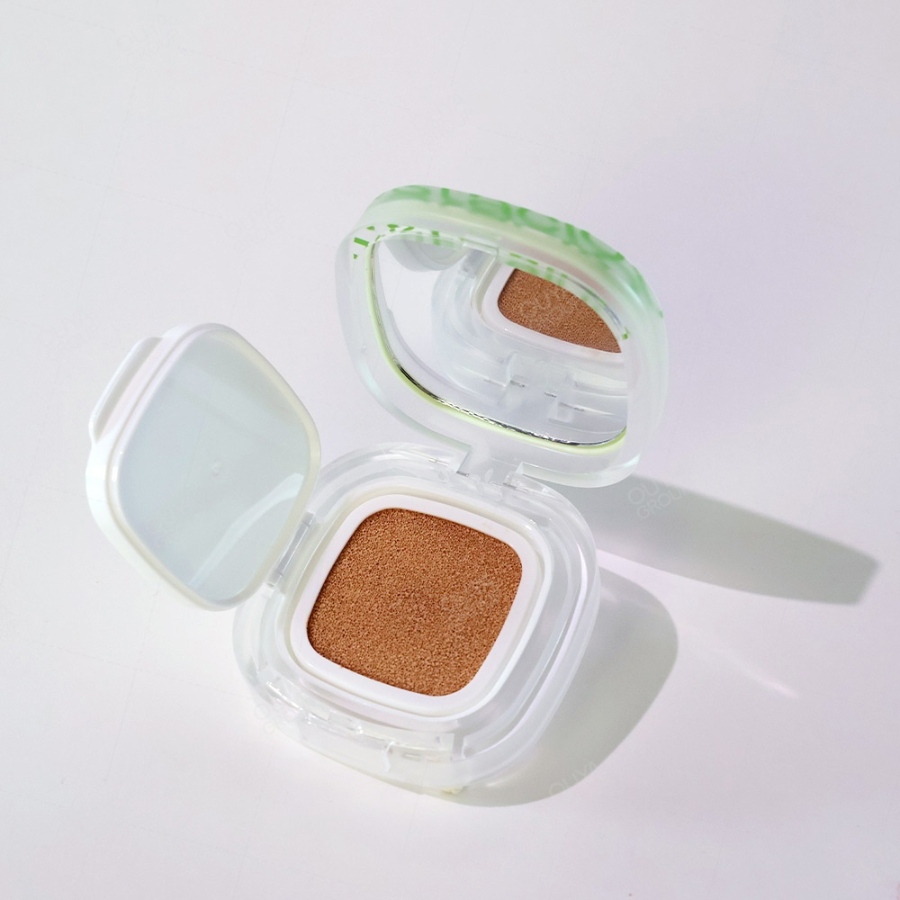
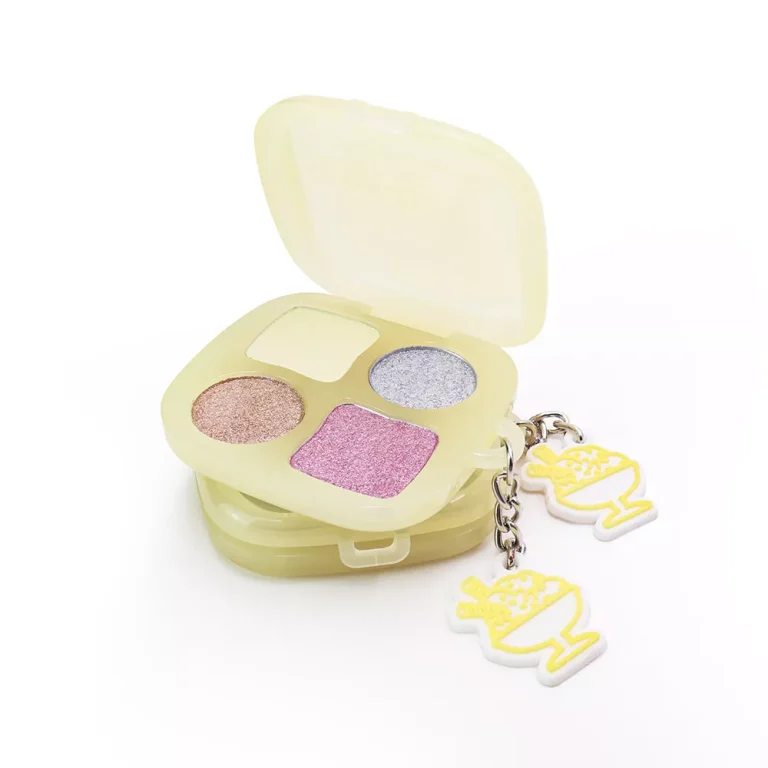
Fig 1: Lasting Air Cushion Cream (FAO26O6OO1)
Formula and package decisions must move together
The outer case acts as a core part of the product’s success. The container guides how users apply the liquid. It also protects the contents and builds brand worth. A small compact fits a travel-friendly cushion foundation plan perfectly. On the other hand, a glass bottle or jar shows a distinct coverage level. It suggests a different daily routine. The chosen package style must fit the liquid’s thickness. It must also match the chosen tool, the factory filling method, and the likely touch-up needs.
This careful review keeps custom makeup ideas realistic. It focuses on how buyers truly apply foundation makeup at home. Furthermore, it gives a private label brand a solid starting point. The team can then pick the best container, sponge, and refill method.
When a licensed basemakeup line is bundled with complementary setting powder, crossformula compatibility also needs evaluation. OUYA BEAUTY’s upcoming pressedpowder collection features talcfree formulations, which set distinct formulation targets for matching powder products. Teams need to manage liquidfoundation and powder specifications separately. They should test powder pickup by brushes, pan mechanical strength, and final finish when applied over the matching base foundation. All these assessments should be completed before reusing identical packaging across multiple SKUs.
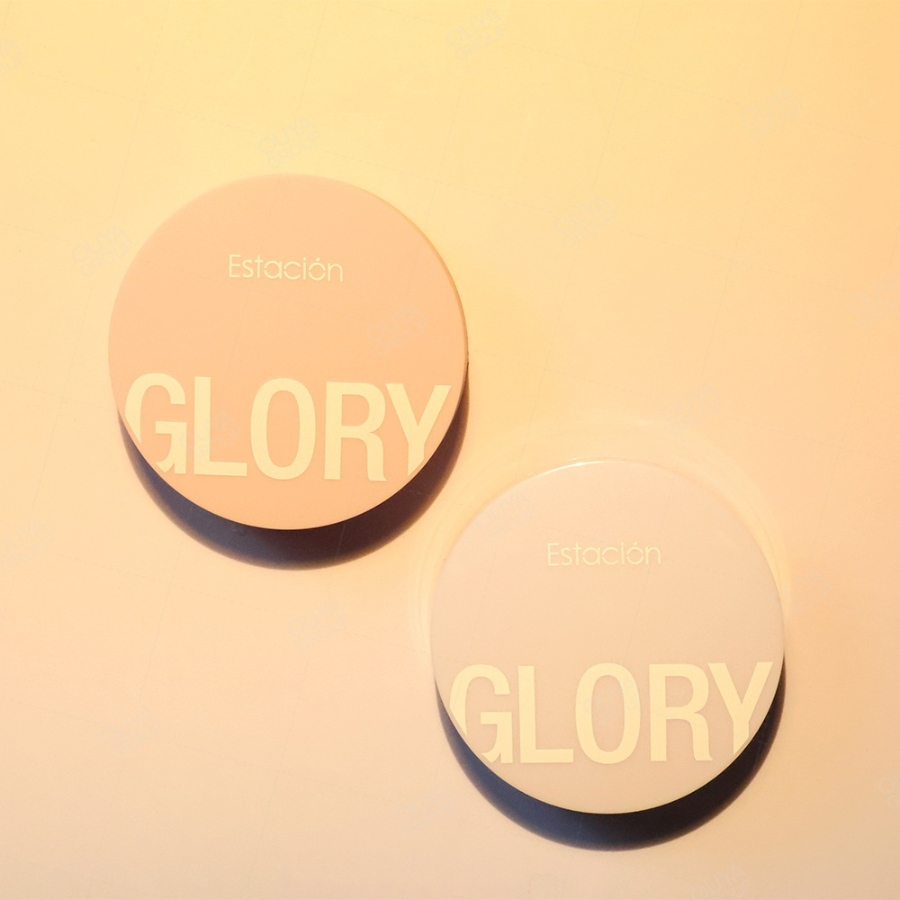
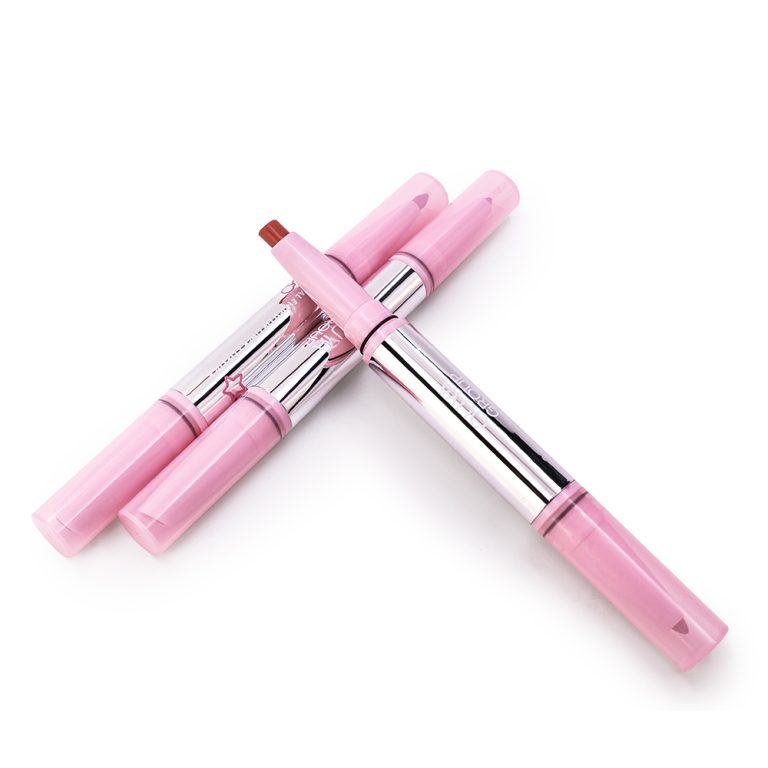
Fig 2: Dual Protective Pressed Powder (FP02454501)
A practical development sequence
The first major step is product structure. The team must decide on the best format. A licensed theme might need a cushion, a runny liquid, or a thick cream. It could also use a mixed face item. The second step involves the user’s daily feel. Testers must check the lid’s opening effort. They should review the mirror and sponge spots. They also need to test the pump amount and the print’s toughness. The third step focuses on factory work. Managers must verify the mold plans and filling safety. They also need to check color matching and test stages. All this happens before the final art gets locked.
OUYA’s Mousse Foundation FF0001-A11 acts as a great case study. It shows why product wording is so vital. This item offers a light feel and layers well. Its soft matte look builds a high-end face cosmetic. This remains true even if the outer box shows fun food graphics. A bright visual theme draws the eye quickly. However, the mixture inside must deliver real results. It needs a cozy feel and steady blending for a serious store brand.
|
Project phase |
Key team question |
Problem avoided |
|---|---|---|
|
Brand transfer |
What exact shades, forms, and art bits are allowed? |
Wrong brand look or slow legal checks |
|
Liquid matching |
Does the box fit the thickness, pump size, and sponge? |
Spills, bad sponge loading, or messy daily use |
|
Store display message |
Is the face makeup purpose obvious right away? |
Looking like a toy without earning a second buy |
|
Factory oversight |
What lab checks prove the print, fill safety, and color match? |
Last-minute fixes and bad release standards |
Compliance protects the creative investment
Licensed boxes must pass through standard legal steps. They face the exact same rules as standard beauty goods. A project requires a set recipe and a strict materials check. It also needs safety papers and art tracking. Furthermore, it must pass local tests for the United States or Europe. Showing snacks on a box does not make the makeup edible. Therefore, taste or smell hints require strict limits. The brand must use honest marketing words.
OUYA provides a strong legal safety profile. This setup covers GMPC and ISO 22716 frameworks. It also involves global outside lab tests. The firm helps with paperwork for US and EU regions. A smart B2B buyer asks a specific question. They do not just check if a plant holds many certificates. Instead, they ask if the chosen recipe and print art are truly safe. They check if the box material and target country fit inside the real test plan.
Scale the idea without losing recognition
A food-themed foundation makeup range needs a steady process. This process must handle colors, prints, and future restocks smoothly. OUYA holds deep experience with Pepsi-backed beauty tasks. These items ship to the United States. They sell in massive retail stores. The company runs a large research lab spanning over 1,000 square meters. It also operates two GMPC factory sites. These details hold great weight. Licensed plans usually demand tight sample sharing. They also need many legal checks and wider making schedules.
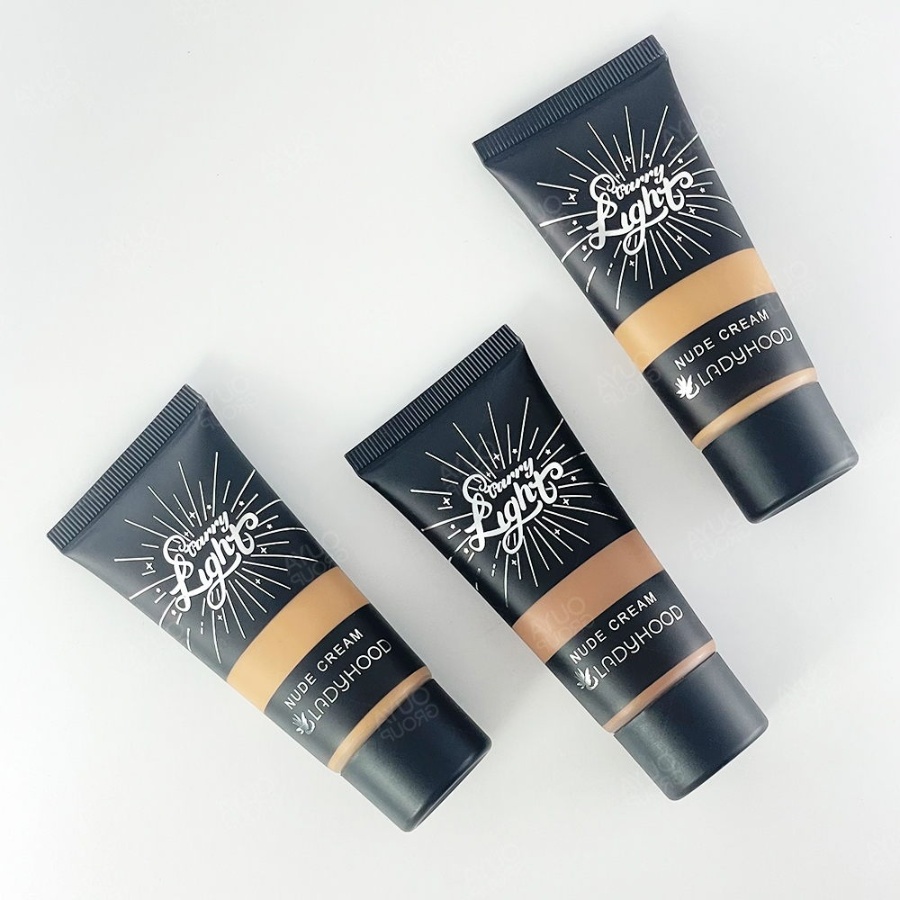
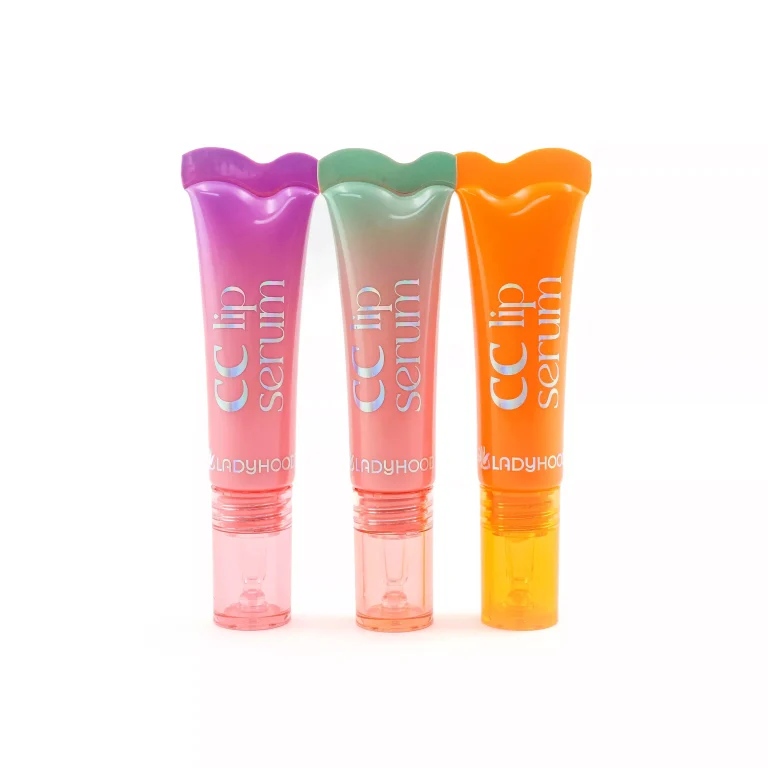
Fig 3: Nude Cream (FCC0001-A03)
Starting a fresh program requires clear facts. A cosmetic OEM manufacturer needs the legal brand rules right away. The maker must know the planned store price and the yearly unit goal. They also require the recipe notes, the box ideas, and the final country target. OUYA guides custom makeup creation from start to finish. The team handles liquid mixing and mold building. They also manage huge factory runs, strict quality checks, legal rules, and worldwide freight.
A small test run can check the market demand first. This happens before a massive store rollout. However, the buyer and maker must agree on future big orders and shade lists in writing. This small step is very useful. It gives private label cosmetic groups a clear stopping point. Here, they can approve the box art and the liquid colors. They can also plan their next stock orders.
A clear foundation concept earns repeat attention
The main lesson remains quite simple. A food theme gives a foundation makeup line a fun starting hook. However, a solid recipe and strict factory checks matter most. They turn brief hype into a lasting store item. The very next choice involves the product’s core setup. The team must mix the fun brand art with good skin coverage. They must also blend it with a nice finish, easy use, and strict legal rules.
OUYA provides a full review of your new idea. The team looks at your box plans, liquid notes, and target country all at once. You can contact the OUYA team when your plan is ready for a deep check. The final good must look like a serious foundation makeup release above all else. It should only look like a fun brand team-up as a secondary trait.
FAQ
What foundation format fits a food IP collaboration?
The best layout relies on the main brand hints. It also depends on the liquid thickness, user habits, and cost limits. Cushion, liquid, thick cream, and airy mousse styles offer unique box options. They change how buyers use the item. A cushion foundation works wonderfully well. It shines when easy travel and fast daily fixes are the main goals.
How does packaging avoid a novelty-only position?
You must keep the core makeup use very obvious. Always use a logical color range. Finally, pair playful outer artwork with tangible complexionmakeup benefits that deliver value during everyday wear.
What compliance work belongs in the early brief?
You should list the raw material checks and safety papers. Add the art tracking rules and the box safety tests. Also, include the local laws for the target country. Lastly, name the exact lab checks required for the final bottled good.
Does a licensed package require a custom mold?
Not all new tasks demand a fresh plastic mold. Standard parts with allowed brand prints can offer a much faster path. On the other hand, highly unique shapes might need custom tools. This usually happens only after the business plan passes a strict profit check.
What information helps an OEM assess the project?
You should share the current legal brand rights. Tell the maker about your target countries and recipe goals. Provide the total color count and the ideal box style. Mention your sales guesses, release dates, and order sizes. This includes both small test batches and huge factory runs.